If you want your robotic mower to work smarter and cut grass perfectly every time, adjusting the blade speed is key. Getting the blade speed right can save you time, protect your lawn, and even extend the life of your mower.
But how do you know when and how to change it? This guide will walk you through simple steps to adjust your robotic mower’s blade speed with confidence. Keep reading, and you’ll soon have a lawn that looks professionally trimmed without any extra effort from you.
Robotic Mower Blade Basics
Robotic mowers use different types of bladesto cut grass. Common types include rotary bladesand multi-blade discs. Rotary blades spin fast and cut grass cleanly. Multi-blade discs have several small blades that cut in a wider area.
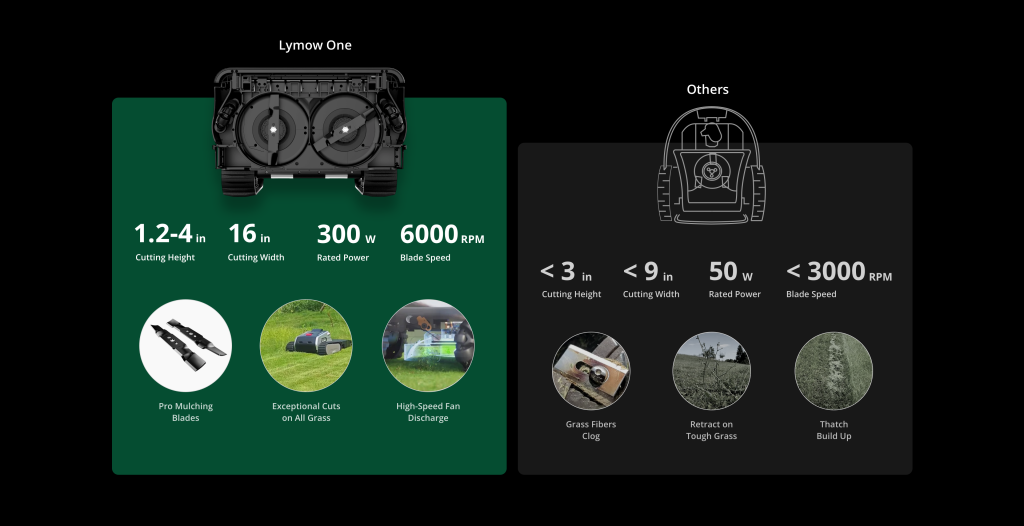
Blade speed affects how well the mower cuts. Too fastcan damage grass and soil. Too slowmay leave uneven patches. The right speed helps keep the lawn healthyand green.
| Blade Type | Speed | Effect on Lawn |
|---|---|---|
| Rotary Blade | High speed | Clean cut, good for thick grass |
| Multi-Blade Disc | Moderate speed | Wider cut, gentle on lawn |

Credit: www.reddit.com
Factors Affecting Blade Speed
Grass length and densityaffect blade speed greatly. Thick or tall grass needs slower blade speed for a clean cut. Thin or short grass allows faster blade speed, saving battery and time.
Terrain and obstaclesimpact blade speed too. Rough or uneven ground requires slower blades to avoid damage. Obstacles like stones or branches need careful blade speed control to prevent accidents.
Weather conditionsalso play a role. Wet grass can clog blades, so slower speed helps. Dry conditions allow faster blade speed but watch for dust buildup.
Tools Needed For Adjustment
Essential tools for adjusting robotic mower blade speed include a screwdriver, a wrench, and the mower’s user manual. These help safely access and modify the blade settings for optimal performance. A clean workspace also ensures a smooth adjustment process.
Wearing safety gear is very important. Protect your eyes with goggles. Use gloves to keep your hands safe. A helmet can protect your head. Safety boots keep your feet safe. A safety vest makes you visible. A wrench is needed to loosen bolts. Use a screwdriver for screws. A small hammer can help adjust the blade. Pliers are useful for gripping. A measuring tape ensures correct spacing. Manufacturer manuals offer helpful instructions. They show how to adjust the mower. Diagrams explain parts clearly. Look for specific blade speed details. Manuals ensure the right process. Keep them handy for reference. `Step-by-step Blade Speed Adjustment
Before adjusting the blade speed, ensure the mower is turned off and unplugged. This prevents accidents and protects you during the process. Clear any grass or debris around the blade area for easy access.
Locate the blade speed controls, often found near the blade motor or in the settings menu on the mower’s display. Some models use a dial, while others have buttons or a touchscreen interface. Refer to the user manual if unsure.
Adjust the speed by turning the dial or pressing buttons to select the desired blade speed. Lower speeds save battery and are good for light grass. Higher speeds cut thick or tall grass better but use more power.
Test the mower on a small patch of grass to check the cutting quality. Listen for unusual noises or vibrations. Fine-tune the speed if the cut is uneven or the mower struggles. Safety first—always wear protective gloves while handling blades.
Common Mistakes To Avoid
Over-speeding the bladescan cause damage to the mower and lawn. Blades spinning too fast may wear out quickly and cut unevenly. It also wastes battery power and can be unsafe.
Ignoring safety precautionsrisks injury. Always turn off the mower before adjusting blade speed or cleaning. Use protective gloves and keep hands clear of moving parts.
Neglecting regular maintenanceleads to poor mower performance. Check blades often for sharpness and replace if dull. Clean the mower to remove grass clippings and dirt. Proper care extends the life of the mower and keeps it working well.

Credit: www.youtube.com
Maintenance Tips For Optimal Performance
Blade sharpeningshould happen regularly to keep the mower cutting well. Dull blades tear grass, causing stress and uneven cuts. Sharpen blades every 20-25 hours of use or once a month during heavy mowing seasons. Use a sharpening stone or fine file to keep edges smooth and sharp.
Cleaning and lubrication are key for smooth blade operation. Remove grass clippings and dirt after each use to prevent build-up. Apply light oil to blade moving parts to reduce friction and wear. This helps blades spin freely and last longer.
Regular inspections catch problems early. Check blades for cracks, bends, or dull spots before every mowing session. Look at screws and bolts to ensure they are tight. Replace damaged blades immediately to avoid mower damage and maintain safety.
Upgrading And Customizing Blades
Choosing high-performance bladescan improve cutting quality and speed. Look for blades made of durable materialslike stainless steel. Blades with sharper edges cut grass more cleanly and require less power.
Checking compatibilityis key before upgrading blades. Ensure blades fit your mower model exactly. Improper fit can cause damage or reduce performance. Refer to the mower’s manual or manufacturer’s website for blade options.
| Blade Type | Material | Benefits |
|---|---|---|
| Standard Blades | Steel | Good for regular mowing, affordable |
| High-Performance Blades | Stainless Steel or Alloy | Sharper, longer lasting, better cut |
| Mulching Blades | Steel | Fine grass clippings, nourishes soil |
Enhancing mower efficiency involves balancing blade speed and sharpness. Blades that spin too fast may waste battery life. Too slow, and grass may not cut well. Adjust blade speed according to grass type and lawn size for best results.

Credit: eu.anthbot.com
Frequently Asked Questions
How Do I Change The Blade Speed On My Robotic Mower?
To change blade speed, access the mower’s settings menu via its app or control panel. Look for blade speed or cutting speed options. Adjust the speed slider or input the desired RPM according to your lawn’s needs. Save changes before starting the mower.
Why Adjust The Blade Speed Of A Robotic Mower?
Adjusting blade speed improves cutting efficiency and lawn health. Higher speeds suit thick grass, while lower speeds protect delicate turf. Proper speed adjustment reduces wear on blades and motor, extending the mower’s lifespan. It also helps optimize battery usage.
Can Blade Speed Affect Robotic Mower Battery Life?
Yes, blade speed impacts battery life significantly. Higher speeds consume more power, reducing mowing time. Lower speeds save energy but may require multiple passes. Adjust blade speed balancing cutting quality and battery efficiency for optimal performance.
Is It Safe To Manually Adjust Robotic Mower Blades?
Manually adjusting blades is generally safe if the mower is off and disconnected from power. Follow manufacturer instructions carefully to avoid injury. Use proper tools and wear gloves. If unsure, seek professional assistance to prevent damage or accidents.
Conclusion
Adjusting your robotic mower blade speed can improve cutting results. Start slow and test different speeds for the best fit. Regular checks keep the mower working smoothly. Simple steps help your lawn stay neat and healthy. Remember, small changes can make a big difference.
Keep your mower blades sharp and balanced too. Enjoy a cleaner, well-maintained yard with less effort. Stay patient and adjust as needed for top performance.





