Are you tired of making a mess every time you add oil to your pan or machine? Spilling oil not only wastes your valuable ingredient but also creates a slippery, frustrating cleanup.
What if you could learn a simple trick to pour oil smoothly and accurately, every single time? You’ll discover easy, practical tips that help you add oil without spilling. Say goodbye to drips and stains and get ready to master a skill that saves you time and stress.
Keep reading, and you’ll never struggle with oily spills again!
Choose The Right Container
Choosing the right container to add oil can make a huge difference in avoiding spills and messes. The right container helps control the flow and gives you better grip and precision. This means less waste, less cleaning, and a smoother cooking experience.
Types Of Oil Bottles
Not all oil bottles are created equal. Some come with wide mouths, making pouring fast but less controlled. Others have narrow necks, which slow the pour and help prevent drips.
Look for bottles with ergonomic designs that fit comfortably in your hand. Glass bottles often allow you to see how much oil is left, while plastic bottles can be lighter and easier to handle.
Benefits Of Pour Spouts
Pour spouts are small attachments that fit on your oil bottle’s opening. They help you control the flow with precision, reducing sudden gushes that cause spills.
These spouts often have a built-in stopper to prevent leaks when not in use. Using a pour spout can make adding oil feel less like a guessing game and more like a measured action.
Using Measuring Cups
If you want to be exact with your oil amount, measuring cups are a solid choice. They allow you to pour oil slowly and steadily, reducing the risk of overflow.
Clear measuring cups with marked lines help you see the quantity clearly. Plus, pouring oil from a cup gives you better control than tipping a large bottle directly over your pan.
Credit: true-routes.com
Prepare Your Workspace
Getting ready to add oil without spilling starts with how you set up your workspace. A well-prepared area can save you from messy accidents and keep your cooking flow smooth. Let’s look at simple steps to make your space spill-proof before you pour that first drop.
Clean And Dry Surfaces
Make sure your countertops and stove tops are clean and completely dry. Even a small amount of moisture can cause the oil to slip and spill. I once had a slick countertop, and the oil bottle slipped right out of my hands—clean and dry surfaces prevent that kind of frustration.
Wipe everything down with a dry cloth before you start. This small step sets a solid foundation for a spill-free experience.
Use A Drip Tray Or Paper Towel
Place a drip tray or some paper towels under your oil container. This catches any accidental drips or spills immediately. I keep a small tray near my stove, and it saves me from wiping up oil stains on my counter every time I cook.
If you don’t have a tray, folded paper towels work just as well. They soak up drops before they spread, keeping your workspace neat.
Arrange Ingredients Nearby
Keep all the ingredients and tools you need within arm’s reach. This reduces the chance of knocking over your oil bottle while reaching for something else. When I arrange everything close together, I feel more in control and less likely to cause spills.
Think about what you’ll need next and place those items strategically around your workspace. This simple organization can make a big difference in your cooking experience.
Master The Pouring Technique
Pour oil slowly and steadily close to the pan’s edge to avoid spills. Use a small funnel or a measuring cup with a spout for better control. Keep the bottle steady and pour in a smooth, gentle stream.
Mastering the art of pouring oil without spilling can feel like a small victory in the kitchen. It’s a skill that saves you from unnecessary mess and waste, while ensuring every drop counts. Whether you’re prepping a fresh salad or searing a steak to perfection, understanding the right technique is key.Hold The Bottle Steady
Keeping the bottle steady is crucial. It might sound simple, but a firm grip can make all the difference. Use both hands if necessary—one to hold the bottle and the other to support it. This helps you maintain balance and control, preventing any unexpected slips.Control The Flow Speed
The speed at which the oil flows is another factor to consider. If you pour too fast, you risk spilling; too slow, and it might take forever. Test the bottle over the sink first to get a feel for its flow. Consider using a pour spout to regulate speed, making it easier to manage.Angle The Bottle Correctly
The angle at which you hold the bottle affects how smoothly the oil pours. Tilt the bottle gradually, starting with a gentle angle. Notice how the flow changes with the tilt, and adjust accordingly. This practice helps you find that sweet spot for a smooth, controlled pour. Practice these techniques to refine your pouring skill. Have you ever noticed how something as simple as pouring oil can transform your cooking experience? With these tips, you can add oil confidently, without the worry of spills.
Credit: www.youtube.com
Use Tools For Precision
Adding oil without spilling can be tricky. Using the right tools helps pour oil with care and control. Tools guide the flow, making the process cleaner and safer. They save time and prevent messes on your stove or counter.
Oil Dispensers With Spouts
Oil dispensers with spouts offer precise pouring. Their narrow openings control the oil flow. This reduces the risk of pouring too much oil. Many dispensers have measurement marks for accuracy. They are easy to hold and pour steadily. This tool suits cooking oils like olive or vegetable oil.
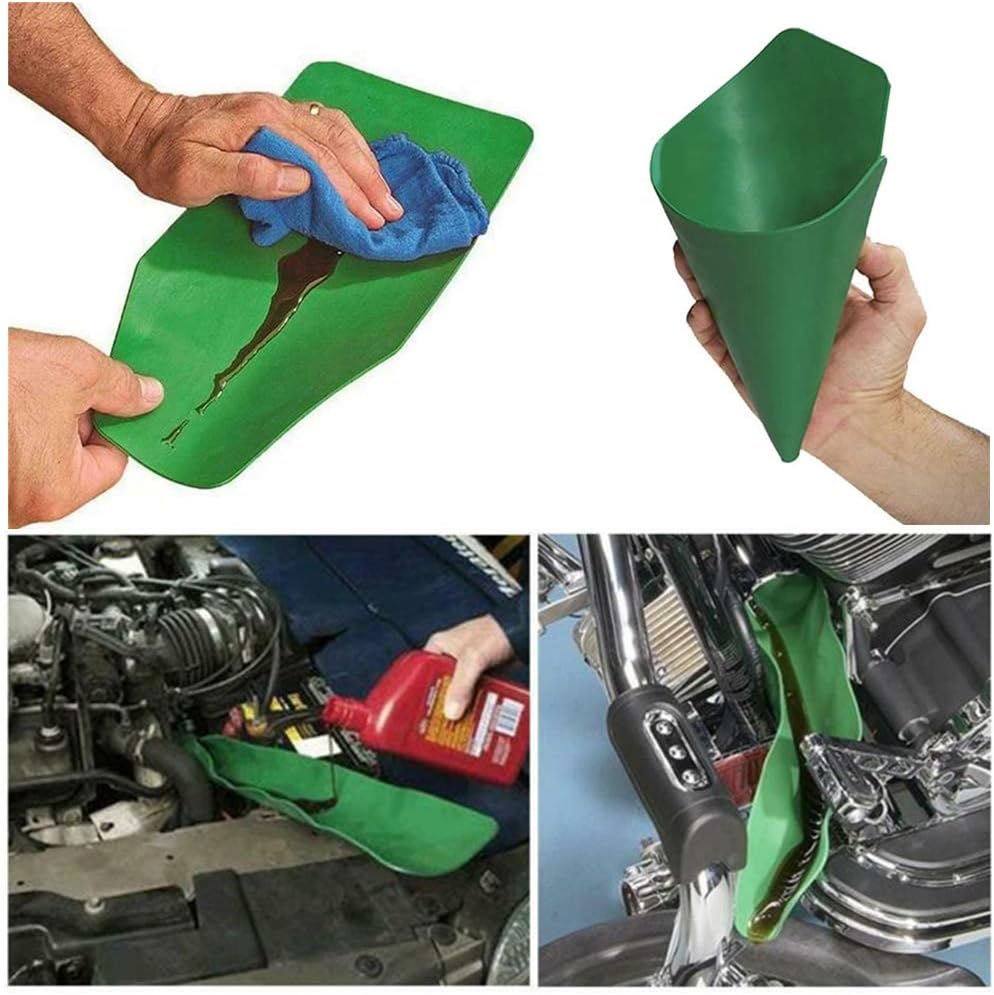
Silicone Funnels
Silicone funnels help direct oil into bottles or pans. Their flexible material fits different container sizes. Funnels prevent oil from spilling over the edges. They are easy to clean and store. Use a funnel when transferring oil from large containers. It keeps your kitchen clean and oil in the right place.
Measuring Spoons And Cups
Measuring spoons and cups ensure you add the exact amount of oil. They prevent over-pouring and waste. Use spoons for small quantities and cups for larger amounts. These tools are available in plastic, glass, or metal. Rinse them after use to keep them ready. Measuring tools help follow recipes accurately without spills.
Clean Up Spills Quickly
Oil spills happen more often than you might expect when adding oil to your car or kitchen equipment. Cleaning up quickly is key to preventing stains, accidents, and unpleasant smells. You want to act fast and smart to keep your space safe and tidy.
Wipe Immediately
As soon as you notice a spill, grab a clean cloth or paper towel. Dab the oil gently—don’t rub, or you’ll spread it further. Absorbing the oil right away stops it from soaking into surfaces and makes the cleanup much easier.
I once spilled oil on my garage floor and waited too long to clean it. The stain became stubborn and slippery, making the area unsafe. Acting immediately can save you from this hassle.
Prevent Slippery Surfaces
Oil spills create slick surfaces that pose a slipping hazard. After wiping, sprinkle some absorbent material like baking soda, kitty litter, or commercial oil absorbents on the spill. Let it sit for 10-15 minutes before sweeping it up.
Have you ever slipped on a hidden oil patch? Taking these extra steps helps protect you and anyone else around from falls and injuries.
Proper Disposal Of Oil
Don’t just toss oily rags or absorbent materials in the trash—they can be fire hazards. Place used cloths and absorbents in a metal container with a lid or follow your local regulations for hazardous waste disposal.
Keeping your cleanup safe and responsible ensures you avoid bigger problems down the road. How do you currently handle oily waste? Making small changes here can improve safety and environmental care.
Store Oil Properly
Storing oil properly keeps it fresh and prevents spills during use. Proper storage stops oil from going bad and reduces mess. It also makes pouring easier and safer. Follow simple tips to keep your oil in good condition and ready to use.
Seal Bottles Tightly
Always close oil bottles with a tight cap or lid. A secure seal stops air from entering. Air can cause oil to spoil faster. It also prevents leaks and spills in your kitchen. Check lids regularly to ensure they fit well.
Keep In A Cool, Dark Place
Store oil away from heat and light. Heat and sunlight can break down oil quickly. A cool, dark cupboard or pantry works best. Avoid storing oil near stoves or windows. This keeps oil fresh and stable for longer.
Use Smaller Containers For Ease
Pour oil into smaller bottles for daily use. Smaller containers are easier to handle and pour. They reduce the chance of spills during use. Keep the larger bottle sealed and store it safely. Refill the smaller container when needed.

Credit: www.youtube.com
Frequently Asked Questions
How Can I Add Oil Without Making A Mess?
Use a funnel or a narrow spout to guide the oil. Pour slowly and steadily to avoid spills. Clean any drips immediately with a cloth.
What Tools Help Prevent Oil Spills When Adding?
Funnels, oil pour spouts, and drip trays are useful. These tools control flow and catch drips, reducing mess and waste.
Why Is It Important To Avoid Spilling Oil?
Oil spills cause slippery surfaces and fire hazards. They also waste oil and create difficult cleanups. Careful pouring keeps your area safe and tidy.
Can I Add Oil Directly From The Bottle?
Yes, but only with careful pouring. Use slow, steady motions and hold the bottle close to the opening. This reduces splashing and spills.
Conclusion
Adding oil without spilling is easier with careful steps. Pour slowly and use a funnel to guide the oil. Keep the container steady and check the fill level often. Clean any spills right away to avoid mess and waste. These simple tips help save oil and keep your workspace clean.
Practice a few times, and you will feel more confident. Small habits make a big difference in preventing spills. Oil changes become smoother and less stressful this way.