If you want your lawn mower to run smoothly and last longer, knowing how to add oil is a must. Skipping this simple step can cause serious damage to your machine and cost you more in repairs.
But don’t worry—adding oil is easier than you think. In this guide, you’ll learn exactly how to do it right, so your mower stays in top shape all season. Keep reading, and you’ll never have to guess about your mower’s oil again.
When To Check Oil
Knowing when to check the oil in your lawn mower is key to keeping it running smoothly. Regular checks prevent damage and save you from costly repairs. But how do you know the right time to check? Let’s break down the signs and schedules that can guide you.
Signs Of Low Oil
Watch out for unusual noises coming from your mower’s engine. A knocking or ticking sound often means the oil level is too low. You might also notice the engine running hotter than usual, which signals insufficient lubrication.
Another clear sign is smoke or a burning smell. This can indicate the engine is struggling without enough oil. If your mower stalls unexpectedly or has trouble starting, low oil could be the culprit.
Recommended Oil Check Intervals
Check your mower’s oil before every use during the mowing season. This small habit can catch problems early. If you use your mower less often, check the oil at least once a month.
After every 25 hours of use, plan for a thorough oil change. This schedule fits most push mowers, but riding mowers might need more frequent checks. Always refer to your mower’s manual for specific guidance.
Do you keep track of your mower’s oil checks? Setting reminders on your phone or calendar can help you stay consistent. What will you do today to protect your mower’s engine?

Credit: www.youtube.com
Choosing The Right Oil
Choosing the right oil for your lawn mower is crucial for keeping the engine running smoothly. The wrong type or viscosity can cause poor performance or even damage. Understanding the options available will help you make the best choice for your mower and your climate.
Types Of Lawn Mower Oil
There are several types of oil designed specifically for lawn mowers. The most common are:
- Conventional Oil:Affordable and widely available, this oil works well for regular maintenance but may require more frequent changes.
- Synthetic Oil:Offers better engine protection and lasts longer, especially in extreme temperatures. It’s a bit pricier but can save you money on repairs.
- High-Mileage Oil:Formulated for older engines, it helps reduce leaks and oil burn-off. Consider this if your mower is several years old.
Choosing the right type depends on your mower’s age, usage, and manufacturer recommendations. Have you checked your owner’s manual lately? It often points to the best oil type.
Oil Viscosity And Seasons
Viscosity refers to how thick or thin the oil is at certain temperatures. It’s usually indicated by numbers like 10W-30 or 5W-30. The right viscosity ensures the oil flows properly, protecting the engine without causing wear.
In colder months, thinner oils like 5W-30 help the engine start easily by flowing faster. During hot summers, thicker oils such as 10W-30 provide better protection against engine heat. If you live in an area with temperature extremes, you might need to switch oils seasonally.
Have you ever had your mower struggle to start on a chilly morning? It could be a sign your oil viscosity isn’t suited for the season. Matching the oil viscosity to your local climate helps keep your mower ready whenever you need it.
Tools And Materials Needed
Before you start adding oil to your lawn mower, gathering the right tools and materials makes the task smoother and safer. Having everything at hand saves you from interruptions and helps avoid spills or damage. Think about what you’ll need to protect your hands, measure oil accurately, and keep your workspace clean.
Essential Tools For Adding Oil
- Funnel:A funnel helps pour oil without spilling, especially into small openings.
- Wrench or Socket Set:Some lawn mowers require a wrench to access the oil cap or drain plug.
- Clean Rag or Paper Towels:Use these to wipe off excess oil and clean the dipstick for accurate measurement.
Materials You’ll Need
- Correct Type of Oil:Check your mower’s manual for the recommended oil type, usually SAE 30 or 10W-30.
- Oil Container:Use a container with a spout to make pouring easier and reduce mess.
- Gloves:Protect your hands from oil stains and potential skin irritation.
Why Preparation Matters
Have you ever tried adding oil and ended up with spills all over your mower or garage floor? I’ve been there, and cleaning oil stains is a hassle you don’t want. Taking a few minutes to prepare with the right tools prevents frustration and keeps your mower running smoothly.

Credit: www.youtube.com
Preparing Your Mower
Check the mower’s oil level before adding more. Use the correct oil type and fill slowly to avoid overfilling. Clean the area around the oil cap to keep dirt out.
Preparing Your Mower Before you dive into adding oil to your lawn mower, it’s crucial to ensure your equipment is properly prepared. This preparation not only simplifies the oil adding process but also safeguards your mower from potential damage. A well-prepped mower is the first step towards a smooth-running machine and a beautifully maintained lawn.Safety Precautions
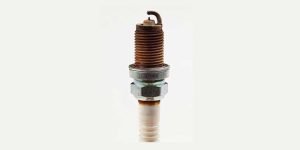
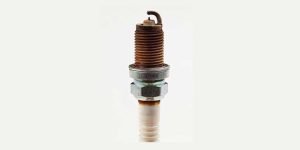
Safety should always be your top priority. Begin by disconnecting the spark plug wire to prevent accidental starts. A simple slip could cause the mower to engage, putting you at risk. Wear gloves to protect your hands from oil and dirt. It’s a small step that can make a big difference. Additionally, ensure you have a fire extinguisher nearby, just in case.Positioning The Mower
Proper positioning of your mower is essential to avoid any mess or mishaps. Place the mower on a flat, stable surface to prevent it from tipping over. This will help keep the oil level even and prevent spills. Consider using a tarp or old newspaper under the mower. This will catch any drips and make cleanup a breeze. Ensure the oil cap is easily accessible, making the task much simpler.Step-by-step Oil Addition
Adding oil to your lawn mower is a simple task that keeps the engine running smoothly. Knowing exactly where and how to add the oil can save you time and prevent damage. Let’s break down the process into clear, manageable steps so you can maintain your mower with confidence.
Locating The Oil Cap And Dipstick
First, find the oil cap on your lawn mower. It’s usually a round cap labeled with an oil can symbol or the word “oil.”
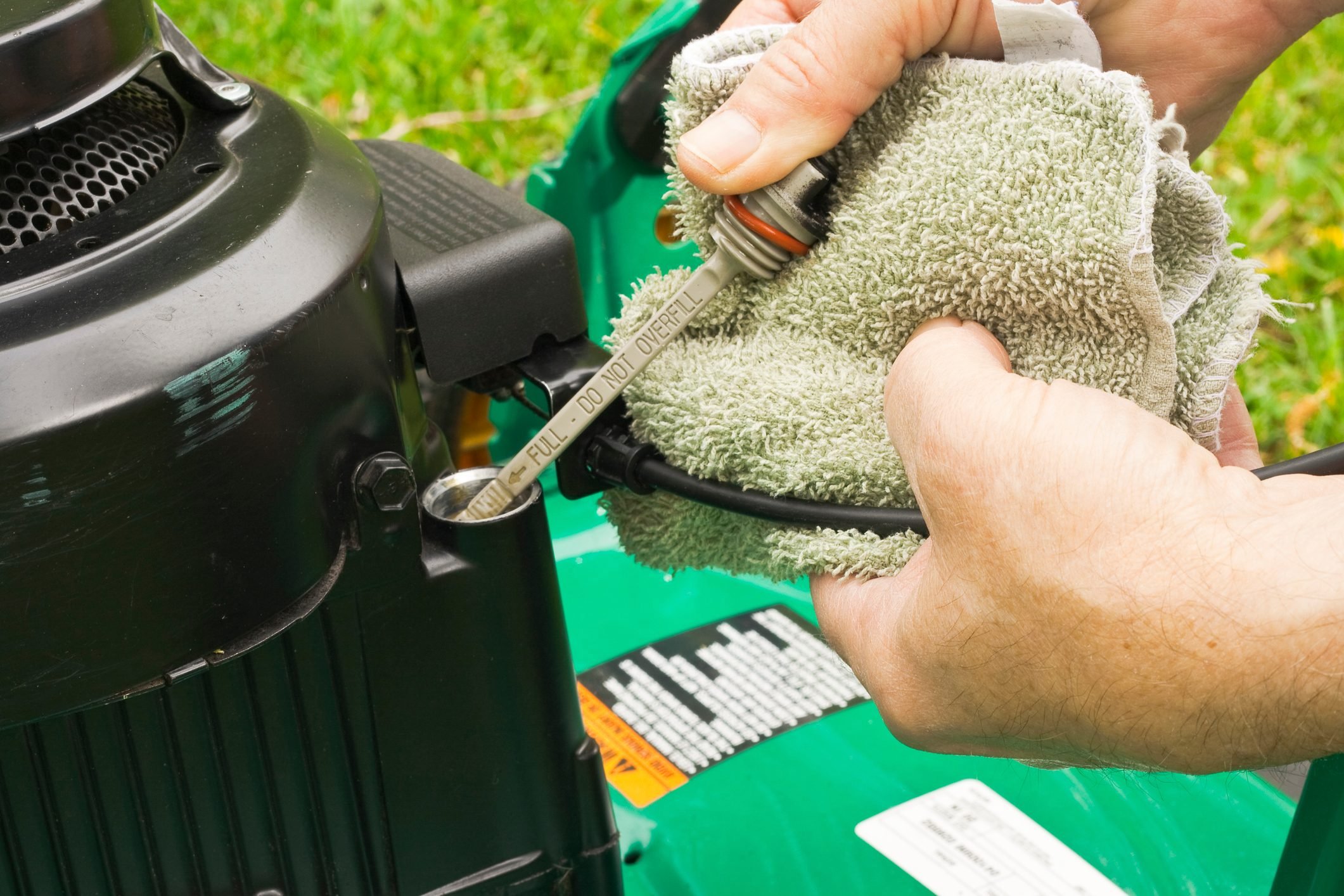
The dipstick is often attached to the oil cap or located nearby. Pull it out carefully to check the oil level before adding new oil.
Removing Old Oil If Needed
If your mower’s oil is dirty or you haven’t changed it in a while, draining the old oil is important. Place a container beneath the mower’s oil drain plug or use a pump to extract the oil through the dipstick hole.
Remember, fresh oil helps your engine run better and last longer. Don’t skip this step if the oil looks dark or gritty.
Adding New Oil
Use the type of oil recommended in your mower’s manual. Pour the oil slowly into the oil fill hole to avoid overfilling.
Keep a funnel handy to prevent spills. Adding oil bit by bit is smarter than pouring it all at once.
Checking Oil Level
After adding oil, wait a moment for it to settle. Then, reinsert the dipstick, pull it out, and check the level.
The oil should be between the “full” and “add” marks. If it’s too low, add a little more. Too high? You might need to remove some oil.
How often do you check your lawn mower’s oil? Regular checks can save you from costly repairs down the road.
Post-addition Tips
After adding oil to your lawn mower, certain steps help keep your mower and workspace clean. These post-addition tips ensure safety and proper maintenance.
Cleaning Spills
Oil spills can make surfaces slippery and attract dirt. Use a clean cloth or paper towel to wipe any spills immediately. Avoid letting oil soak into the grass or soil. For tougher stains, a mild detergent and water can help. Always dispose of oily rags safely to prevent fire hazards.
Proper Disposal Of Used Oil
Never pour used oil down drains or on the ground. Collect the used oil in a sealed container. Take it to a recycling center or an auto shop that accepts used oil. Proper disposal protects the environment and local water sources. Follow local regulations for oil disposal to stay compliant.
Maintaining Optimal Performance
Maintaining optimal performance of your lawn mower depends heavily on proper oil care. Clean and fresh oil ensures the engine runs smoothly and lasts longer. Regular attention to oil levels and quality prevents costly repairs and keeps the mower efficient.
Regular Oil Changes
Change the oil after every 20 to 50 hours of use. Fresh oil lubricates engine parts, reducing friction and wear. Old oil becomes thick and dirty, causing the engine to work harder. Always use the oil type recommended in your mower’s manual. Drain the old oil completely before adding new oil to avoid mixing.
Monitoring Engine Health
Check the oil level before each use to avoid running low. Look for signs of oil leaks under the mower. Dark or gritty oil signals the need for a change. Listen for unusual engine noises that may indicate poor lubrication. Keep the air filter clean to help the engine breathe well and perform better.
Credit: www.familyhandyman.com
Frequently Asked Questions
How Often Should I Add Oil To My Lawn Mower?
You should add oil to your lawn mower every 25 to 50 hours of use. Check the oil level before each season to keep the engine running smoothly.
What Type Of Oil Is Best For Lawn Mowers?
Use SAE 30 oil for warm weather and 10W-30 for colder conditions. Always refer to your mower’s manual for the recommended oil type.
How Do I Check The Oil Level In A Lawn Mower?
Remove the dipstick, wipe it clean, reinsert fully, then remove again. Check the oil level against the marked indicators for accuracy.
Can I Overfill The Lawn Mower Oil Reservoir?
No, overfilling can cause engine damage and smoke. Fill only to the recommended level shown on the dipstick or reservoir.
Conclusion
Adding oil to your lawn mower keeps it running smoothly. Check the oil level often to avoid engine problems. Use the right oil type and add only the needed amount. Clean the area around the oil cap before opening it.
Tighten the cap securely after filling. Regular oil changes help your mower last longer. Small steps like these save time and money. Keep your mower ready for every mowing day. Simple care makes a big difference in performance.