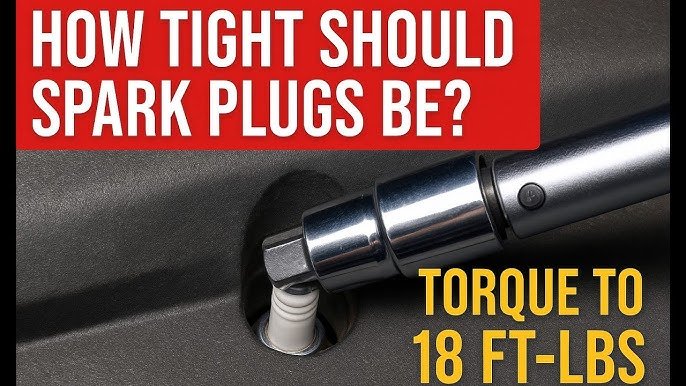
Getting your spark plugs tightened just right is more important than you might think. If you tighten them too much, you risk damaging your engine.
Too loose, and your car might misfire or lose power. So, how tight should you torque your spark plugs? You’ll discover the simple steps to get it perfect every time. Keep reading, and you’ll save money, avoid costly repairs, and keep your engine running smoothly.
Don’t leave your spark plugs to chance—learn exactly how to torque them right now.
Why Proper Torque Matters
Proper torque on spark plugs is more than just a technical detail; it directly affects your engine’s performance and longevity. Too loose, and you risk poor engine operation; too tight, and you might damage critical parts. Understanding why the right torque matters helps you avoid costly repairs and keeps your vehicle running smoothly.
Effects Of Under-torquing
When spark plugs aren’t tightened enough, they can loosen over time due to engine vibrations. This causes poor contact between the plug and the cylinder head, leading to misfires or inefficient combustion.
You might notice rough idling, reduced fuel economy, or even difficulty starting your engine. Additionally, under-torqued plugs can allow hot gases to escape, which can damage the threads in the cylinder head.
Risks Of Over-torquing
Over-tightening spark plugs can be just as damaging as under-tightening. Excessive torque can strip the threads in the cylinder head, leading to expensive repairs or even the need for a new head.
It also increases the chance of cracking the ceramic insulator on the spark plug, causing misfires and poor engine performance. Have you ever felt the plug suddenly give way while tightening? That’s often a sign you’ve overdone it.

Credit: www.clubrsx.com
Types Of Spark Plugs And Torque Specs
Knowing the types of spark plugs and their correct torque specs is key to a smooth engine performance. Different plugs require different tightening forces, and using the wrong torque can lead to engine damage or poor combustion. Let’s break down the common spark plug types and why following torque guidelines matters.
Standard Vs. Iridium Plugs
Standard spark plugs usually have a copper core and are more affordable. They wear out faster and often require replacement every 20,000 to 30,000 miles.
Iridium plugs, on the other hand, are designed to last much longer—up to 60,000 miles or more. Their thinner electrode requires a more precise torque to avoid damaging the delicate material.
Because iridium plugs are more sensitive, overtightening can crack the ceramic insulator, while undertightening may cause poor sealing and misfires. Standard plugs are a bit more forgiving but still demand the right torque for optimal performance.
Reading Manufacturer Guidelines
Your vehicle’s manufacturer provides specific torque specs for each spark plug type. These specs are based on the engine design and materials used.
Always check your owner’s manual or the spark plug packaging for exact torque numbers. If you’re unsure, a torque wrench is your best friend—it ensures you don’t overtighten or leave plugs too loose.
Have you ever skipped checking torque specs and faced engine issues later? Taking a few extra minutes to follow these guidelines can save you costly repairs down the road.
Tools For Accurate Torque
Getting the torque right on your spark plugs is crucial for engine performance and longevity. Using the proper tools ensures you don’t over-tighten or under-tighten, which can cause damage or poor function. Let’s look at the best tools you can use to achieve accurate torque every time.
Torque Wrenches Explained
A torque wrench is the most reliable tool for tightening spark plugs to the exact specification. It measures the amount of force you apply, preventing mistakes that could lead to stripped threads or cracked plugs.
There are several types of torque wrenches:
- Click Type:Signals with a click when the preset torque is reached, offering simplicity and precision.
- Beam Type:Uses a scale and needle to show torque, affordable but requires steady hands to read accurately.
- Digital Torque Wrenches:Provide a digital readout, increasing accuracy and ease of use.
Choosing the right torque wrench depends on your budget and how often you work on engines. I once underestimated the importance of a torque wrench and ended up with a spark plug that was too tight—costly lesson learned!
Alternative Tools And Methods
If you don’t have a torque wrench, there are other options, but they come with risks. Using a regular ratchet or socket wrench without torque control can lead to inconsistent results.
Some mechanics rely on the “feel” method—tightening the plug until it’s snug, then adding a quarter turn. This can work if you have experience, but it’s not foolproof for everyone.
Another alternative is a torque stick, which limits the amount of torque applied by flexing at a set point. It’s less precise than a torque wrench but better than guessing.
Do you trust your hands enough to skip the torque wrench, or would you prefer a tool that guarantees accuracy every time? The right tool can save you time and prevent costly repairs.

Credit: www.reddit.com
Step-by-step Torque Process
Tightening spark plugs properly is crucial for your engine’s performance and longevity. The right torque ensures a good seal and avoids damage to the threads or the plug itself. Let’s walk through the precise process that helps you achieve the correct tightness every time.
Preparing The Spark Plug
Start by checking the spark plug for any dirt or damage. Clean the threads gently if needed, and inspect the electrode gap with a feeler gauge to match your vehicle’s specifications.
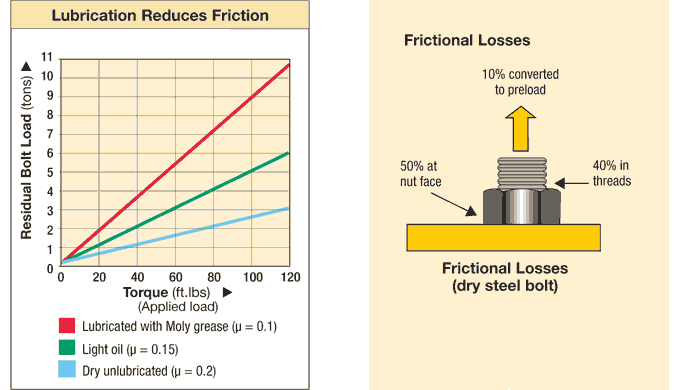
Applying a small amount of anti-seize compound to the threads can help prevent them from sticking, but be careful—too much can throw off your torque readings. Make sure the plug is dry and free of oil before installation.
Hand Tightening Tips
Thread the spark plug into the cylinder head by hand first. This prevents cross-threading, which can cause costly damage.
Turn the plug slowly until it seats firmly. You should feel resistance as the gasket or washer compresses. Don’t rush this step—how does it feel as you turn? If it binds or feels rough, back off and try again.
Using The Torque Wrench
Set your torque wrench to the manufacturer’s recommended torque setting, usually measured in foot-pounds or Newton-meters. Double-check this number in your vehicle’s manual to be sure.
Slowly tighten the spark plug with the wrench until it clicks or indicates you’ve reached the set torque. Avoid over-tightening; a single extra turn can strip threads or break the plug.
Have you ever tightened a spark plug too much or too little? How did it affect your engine? Precision here saves you headaches down the road.
Common Mistakes To Avoid
Tightening spark plugs may seem straightforward, but many people make avoidable mistakes that can damage your engine or cause poor performance. Knowing what to watch out for helps you save time, money, and frustration. Here are common errors you should be aware of to get the torque just right.
Cross-threading Issues
Cross-threading happens when you force the spark plug in at the wrong angle, damaging the threads in the cylinder head. This mistake not only ruins the spark plug but also creates costly repairs for your engine block.
To avoid this, always start threading by hand. If it doesn’t turn easily, don’t push harder—back it out and try again. Have you ever felt that resistance and ignored it? That’s often when cross-threading begins.
Ignoring Torque Specifications
Every spark plug has a recommended torque value from the manufacturer. Tightening too loosely can cause poor sealing and misfires, while over-tightening risks stripping the threads or breaking the plug.
Using a torque wrench is the best way to hit the exact torque needed. Have you ever guessed the tightness and later faced engine troubles? Trusting precise specs prevents these issues.
Credit: medium.com
Signs Of Improper Torque
Proper torque on spark plugs is vital for engine health and efficiency. Incorrect torque can lead to various issues that affect performance and cause damage. Identifying signs of improper torque early helps avoid costly repairs and keeps your engine running smoothly.
Engine Performance Problems
Loose spark plugs may cause misfires and rough idling. The engine might hesitate or lose power during acceleration. Fuel efficiency often drops, increasing fuel consumption. Hard starts and stalling can also occur. Over-tightened plugs can damage the combustion chamber, reducing engine efficiency.
Physical Damage Indicators
Look for cracked or broken spark plug insulators. Threads may strip or become damaged from over-torquing. Over-tightening can warp or crack the cylinder head. Carbon buildup or burnt electrodes may indicate poor sealing. Loose plugs may cause oil leaks around the spark plug hole.
Maintenance And Re-torquing
Proper maintenance and re-torquing of spark plugs keep your engine running smoothly. Spark plugs can loosen over time due to vibrations and heat cycles. Checking and adjusting the torque helps avoid engine misfires and damage. Regular attention extends the life of your spark plugs and engine parts.
When To Check Spark Plug Torque
Check spark plug torque during routine maintenance or if the engine shows performance issues. After the first 1000 miles, it is wise to verify the torque. Also, check torque if you remove and reinstall spark plugs for any reason. Inspect torque after off-road driving or harsh conditions. A torque wrench ensures accurate tightening every time.
Best Practices For Longevity
- Always use a torque wrench to tighten spark plugs.
- Follow the manufacturer’s recommended torque settings.
- Apply anti-seize compound only if specified by the manufacturer.
- Clean the spark plug threads before installation.
- Do not over-tighten to avoid damaging threads or the plug.
- Recheck torque after the engine has run and cooled down.
Frequently Asked Questions
How Tight Should I Torque Spark Plugs?
Torque spark plugs to the manufacturer’s specifications. Typically, this ranges between 10 to 15 ft-lbs. Proper torque ensures a good seal without damaging the plug or threads.
What Happens If Spark Plugs Are Over-torqued?
Over-torquing can strip threads or break the spark plug. It may cause engine damage or poor performance. Always use a torque wrench to avoid over-tightening.
Can Under-torqued Spark Plugs Cause Engine Problems?
Yes, under-torqued spark plugs can loosen and cause misfires. They may lead to poor engine performance and increased fuel consumption. Proper torque is essential for reliable operation.
Do All Spark Plugs Require The Same Torque?
No, torque varies by spark plug type and engine design. Always check your vehicle’s manual or spark plug packaging for the correct torque settings.
Conclusion
Proper spark plug torque ensures engine efficiency and safety. Too tight risks damage. Too loose affects performance. Use a torque wrench for accuracy. Follow the manufacturer’s recommendations closely. Regular checks prevent engine issues. Simple steps make a big difference. Keep your engine running smoothly.
Don’t overlook this small but vital task. Spark plug maintenance is essential for every vehicle owner. Enjoy a smoother driving experience with correct torque. Save time and avoid costly repairs. Your engine will thank you.