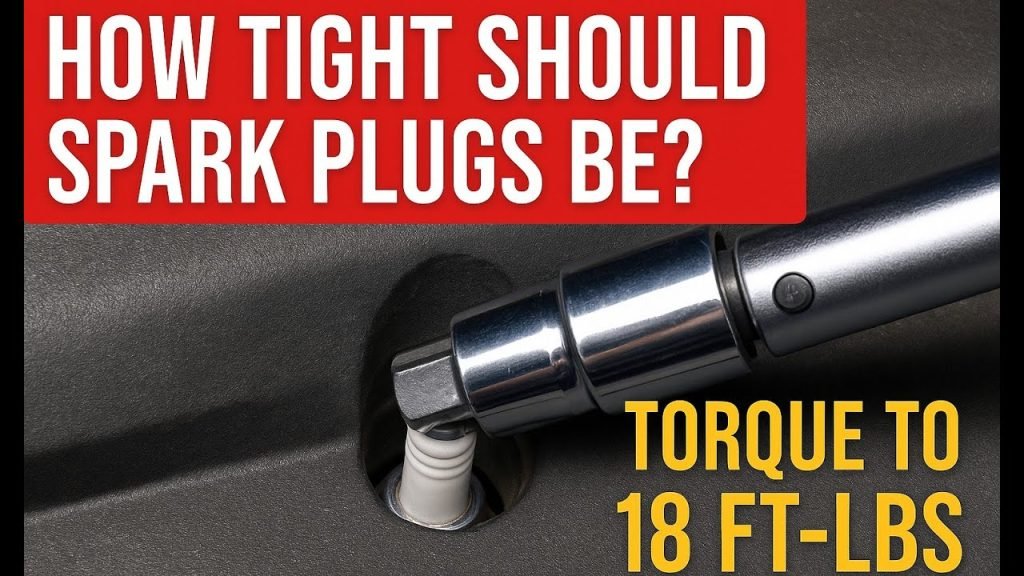
When it comes to your vehicle’s spark plugs, one question often trips people up: How tight should spark plugs be? You might think it’s a simple twist and go, but getting this just right is key.
Too loose, and your engine won’t run smoothly; too tight, and you risk damaging important parts. You’ll discover exactly how to find the perfect balance. Keep reading, because knowing the right spark plug tightness can save you time, money, and a lot of frustration down the road.
Importance Of Proper Spark Plug Torque
Proper spark plug torque is essential for your engine’s performance and longevity. Tightening spark plugs correctly ensures a secure fit without damaging the threads or the plug itself. If you’ve ever experienced engine misfires or unusual noises after a spark plug change, chances are the torque wasn’t quite right.
Effects Of Over-tightening
Over-tightening spark plugs can cause serious damage. The threads in the cylinder head are often made of softer metal, so too much torque can strip them, leading to costly repairs.
Besides thread damage, over-tightened plugs can crack the porcelain insulator. This results in poor spark plug performance and can cause misfires or rough idling.
Have you ever struggled to remove a spark plug because it felt stuck? That’s likely due to over-tightening. It makes future maintenance harder and more time-consuming.
Risks Of Under-tightening
Under-tightening spark plugs might seem harmless, but it can lead to serious engine problems. Loose plugs can cause compression leaks, reducing engine power and fuel efficiency.
When a spark plug isn’t tight enough, it may vibrate loose over time. This can damage the spark plug socket or even cause the plug to fall out while driving.
Imagine driving down the road and suddenly your engine starts misfiring. Loose spark plugs are often the culprit, leading to rough running and potentially damaging the ignition system.
Recommended Torque Values
Applying the correct torque to spark plugs is essential for engine health and performance. Too loose, and the plug may cause misfires or damage. Too tight, and it risks breaking or stripping the threads. Manufacturers provide specific torque values to ensure the spark plugs fit perfectly and work efficiently. These recommended values vary by engine type and spark plug design.
Torque Specs By Engine Type
Different engines require different torque settings for spark plugs. Here are common torque ranges based on engine type:
- Passenger cars:Typically 15 to 25 ft-lbs (20 to 34 Nm)
- Motorcycles:Usually 10 to 18 ft-lbs (14 to 24 Nm)
- Small engines (lawnmowers, generators):Around 10 to 15 ft-lbs (14 to 20 Nm)
- Heavy-duty trucks:Often 30 to 40 ft-lbs (40 to 54 Nm)
Always check the exact torque value for your specific engine type to avoid issues.
Finding Manufacturer Guidelines
Always refer to the vehicle or engine manual for precise torque specs. Manufacturers test and set these values for optimal performance. You can find them in:
- Owner’s manual or service booklet
- Official manufacturer websites
- Online repair databases and forums
Using a torque wrench is the best way to apply the correct tightness. Do not guess or overtighten spark plugs.
Tools For Measuring Torque
Knowing the right torque for your spark plugs is crucial for engine performance and longevity. But how do you measure that torque accurately? The answer lies in the tools you use. Using the right tool ensures you neither overtighten nor undertighten your spark plugs, preventing damage and poor engine function.
Using A Torque Wrench
A torque wrench is the most reliable tool for measuring spark plug tightness. It allows you to set a specific torque value and apply it precisely, so you know exactly how tight the plug is.
There are different types of torque wrenches, such as click-type and beam-type. The click-type is popular because it signals when you reach the desired torque, preventing over-tightening.
Using a torque wrench may seem tricky at first, but it quickly becomes second nature. Have you ever struggled with a spark plug that felt tight but wasn’t? This tool takes the guesswork out of the process.
Alternative Methods
If you don’t have a torque wrench, you can still estimate the tightness with other tools, though these methods are less precise.
- Hand Tightening:Tighten the spark plug by hand until it’s snug, then add about a quarter to a half turn using a ratchet. This method is common but can easily lead to over or under-tightening.
- Using a Regular Socket Wrench:Apply steady pressure while turning the plug, aiming to feel the resistance increase. This requires experience and a good sense of touch.
Remember, these alternatives carry risks, especially if you’re new to spark plug installation. Would you trust your engine’s health to a guess, or would you invest in a torque wrench for peace of mind?
Step-by-step Spark Plug Installation
Installing spark plugs correctly is key for engine performance. Proper tightening avoids damage and ensures good spark. Follow simple steps for a clean, safe installation. This process helps your engine run smoothly and saves repair costs.
Cleaning The Threads
Start by cleaning spark plug threads. Use a wire brush or thread chaser. Remove dirt, oil, and old thread sealant. Clean threads help plugs fit properly and prevent cross-threading. Wipe the area with a clean cloth before installing the new plug.
Hand Tightening Tips
Insert the spark plug carefully by hand. Turn it clockwise until it stops. Hand tightening avoids cross-thread damage. If you feel resistance, back off and try again. Hand tightening gives control and ensures the plug seats correctly.
Applying Final Torque
Use a torque wrench for the final tightening. Check your vehicle’s manual for the exact torque value. Tighten the spark plug to that specification. Avoid over-tightening to prevent thread damage. Under-tightening can cause poor engine performance. Correct torque ensures a solid seal and good spark plug function.
Common Mistakes To Avoid
Getting the tightness of your spark plugs right is crucial, but many people stumble over avoidable mistakes. These errors can lead to engine problems, costly repairs, or poor performance. Let’s look at some common pitfalls you should steer clear of to keep your engine running smoothly.
Cross-threading Issues
Have you ever felt the spark plug resist as you screw it in? That’s often a sign of cross-threading, which happens when the plug isn’t aligned properly with the cylinder head threads.
Cross-threading damages the threads and can cause leaks or make future removals a nightmare. Always start threading by hand, turning slowly and feeling for smooth engagement before using a wrench.
If you rush this step, you might damage the cylinder head, leading to expensive repairs. Taking your time here saves you headaches and ensures a secure fit.
Ignoring Torque Specifications
Many mechanics and DIYers skip checking the torque specs, assuming “tight is tight.” But too loose means poor sealing and misfires, while too tight risks stripping threads or cracking the plug.
Manufacturers provide exact torque values for a reason. Using a torque wrench ensures you apply the right amount of force every time.
Have you ever wondered why your spark plug keeps coming loose or why your engine misfires after a plug change? Ignoring torque specs could be the culprit. Don’t guess—measure and tighten correctly to avoid these issues.

Credit: www.ridgelineownersclub.com
Signs Of Improper Torque
Knowing the signs of improper torque on your spark plugs can save you from costly repairs and frustrating engine problems. Tightening spark plugs too much or too little affects your vehicle’s performance and can even cause physical damage. Spotting these signs early helps you take quick action and keep your engine running smoothly.
Engine Performance Symptoms
If your spark plugs aren’t tightened correctly, your engine may show clear signs of trouble. You might notice rough idling, where the engine shakes or stutters when your car is stopped. This happens because loose plugs fail to ignite the fuel-air mixture consistently.
Another common symptom is a drop in fuel efficiency. When plugs are too loose or too tight, combustion can become incomplete, making your engine burn more fuel than usual. You could also experience difficulty starting your car, especially in cold weather.
Have you ever felt your engine misfire unexpectedly? Misfires often point to spark plugs not seated properly. It’s a subtle but frustrating symptom that signals the need to check your spark plug torque.
Physical Damage Indicators
Beyond performance issues, improper torque can cause visible damage to your spark plugs and engine parts. Over-tightening may strip the threads in the cylinder head, which leads to expensive repairs. You might find it hard to remove the spark plugs later because they’re stuck or broken.
On the other hand, under-tightened spark plugs can allow combustion gases to leak, causing erosion around the plug hole. This erosion damages the cylinder head and can lead to costly leaks. Check for cracked insulators or burnt electrodes on the plugs themselves, which often result from poor torque settings.
Have you ever pulled out a spark plug and noticed it looked damaged or worn unevenly? That’s a strong hint that torque wasn’t right. Paying attention to these physical signs helps you avoid bigger engine troubles down the road.
Maintenance Tips For Longevity
Maintaining your spark plugs properly can extend the life of your engine and keep your vehicle running smoothly. Paying attention to how tight your spark plugs are is just one part of the equation. Regular care and timely replacements play a crucial role in avoiding costly repairs and improving fuel efficiency.
Regular Inspection
Check your spark plugs every 30,000 miles or as recommended by your vehicle’s manual. Look for signs like worn electrodes, heavy deposits, or cracks in the ceramic insulator. These issues can cause misfires and poor engine performance.
Use a spark plug socket and a torque wrench to ensure they are tightened to the exact specifications. Over-tightening can damage the threads, while under-tightening may lead to poor contact and engine misfires.
Have you ever felt your engine running rough after a quick DIY spark plug change? That’s often due to improper tightening. Taking the time to inspect and tighten spark plugs correctly can save you from this common problem.
When To Replace Spark Plugs
Replace spark plugs if you notice decreased fuel efficiency, difficulty starting the engine, or rough idling. These symptoms often indicate worn or fouled plugs that no longer fire properly.
Follow your manufacturer’s replacement interval, but don’t hesitate to change them sooner if you experience any issues. Using high-quality spark plugs can also improve longevity and performance.
Keep a record of your spark plug maintenance. This simple habit helps you track their condition and avoid unexpected failures. How often have you wished you kept better maintenance records for your car?

Credit: www.reddit.com
Credit: beachautomotive.com
Frequently Asked Questions
How Tight Should Spark Plugs Be?
Spark plugs should be tightened to the manufacturer’s recommended torque specification. Typically, this ranges from 20 to 30 foot-pounds. Using a torque wrench ensures accurate tightening. Over-tightening can damage the threads, while under-tightening can cause poor engine performance. Always refer to your vehicle’s manual for the exact specifications.
Can Over-tightening Spark Plugs Cause Damage?
Yes, over-tightening spark plugs can damage the cylinder head threads. This may lead to costly repairs. It can also cause the spark plug to break or seize. Always use a torque wrench to ensure proper installation. Follow the manufacturer’s specifications to avoid any issues.
What Happens If Spark Plugs Are Too Loose?
Loose spark plugs can lead to poor engine performance. They can cause misfires, reduced fuel efficiency, and engine noise. In severe cases, they might damage the engine. Ensure they are tightened according to the manufacturer’s specifications. This prevents potential problems and maintains optimal engine function.
Is A Torque Wrench Necessary For Spark Plugs?
Using a torque wrench is highly recommended for installing spark plugs. It ensures that the plugs are tightened to the correct specification. This prevents over-tightening or under-tightening, which can cause engine issues. A torque wrench provides precision and peace of mind.
It’s a valuable tool for any DIY mechanic.
Conclusion
Tightening spark plugs just right helps your engine run smooth. Too loose, and sparks may fail. Too tight, and you risk damage. Use a torque wrench for exact pressure. Check your vehicle’s manual for correct settings. Proper spark plug tightness saves fuel and prevents engine trouble.
Small steps like these keep your car healthy. Remember, careful work means better performance and longer engine life. Simple, right?