Are your car’s spark plug wires causing you trouble? If your engine is misfiring, hesitating, or not performing as well as it should, those wires might be the culprit.
Testing spark plug wires can seem daunting, but it’s easier than you think. Imagine driving smoothly without any hiccups or power loss. Sounds good, right? By understanding how to test spark plug wires, you can save money, avoid unnecessary repairs, and ensure your vehicle runs at its best.
Ready to take control of your car’s performance? Let’s dive in and explore how you can easily test those wires and keep your engine purring like a kitten.

Credit: www.youtube.com
Tools Needed
Testing spark plug wires requires the right tools to get accurate results and avoid damage. Having these tools at hand makes the process smoother and saves time. You don’t need a full mechanic’s toolkit, just a few essentials that anyone can use.
Multimeter
A multimeter is your best friend when testing spark plug wires. It measures resistance, which tells you if the wire is conducting electricity properly. Without a multimeter, you’re basically guessing if the wire is good or bad.
Look for one with a resistance or ohms setting. Digital models are easier to read, especially if you’re new to this.
Spark Plug Wire Puller
Removing spark plug wires can be tricky without the right grip. A wire puller helps you safely detach wires without damaging the boots or connectors. This tool prevents unnecessary wear that can cause future problems.
Insulated Gloves
Safety first. Insulated gloves protect you from accidental shocks when handling live wires. They also keep your hands clean and improve your grip on slippery wires. Trust me, once you try working with gloves, you won’t go back.
Flashlight Or Work Light
Visibility is crucial. A small flashlight or work light helps you see the wires clearly, especially in tight engine compartments. Good lighting makes it easier to inspect for cracks or wear that might not be obvious at first glance.
Wire Brush Or Cleaning Cloth
Dirty connections can throw off your test results. Use a wire brush or cleaning cloth to remove dirt and corrosion from the wire ends before testing. Clean contacts give you a more accurate reading, so don’t skip this step.
Do you already have some of these tools in your garage? Gathering them before you start will make testing your spark plug wires faster and more effective.
Safety Precautions
Handling spark plug wires requires care and attention to safety. These wires carry high voltage that can cause shocks if not handled properly. Before testing, always prepare yourself and your workspace to avoid accidents and damage.
Wear Protective Gear
Always put on insulated gloves to protect your hands from electric shocks. Safety glasses are essential to shield your eyes from sparks or debris. Even a small spark can cause injury, so don’t skip this step.
Turn Off The Engine
Never test spark plug wires while the engine is running. The ignition system generates high voltage that can shock you. Make sure the engine is completely off and the keys are removed from the ignition.
Work In A Well-ventilated Area
Car engines emit harmful fumes that can build up quickly indoors. Testing spark plug wires in a garage or enclosed space without ventilation puts you at risk. Open doors or windows to keep fresh air circulating while you work.
Avoid Wet Conditions
Moisture increases the risk of electric shock and can damage your tools. Never test spark plug wires in rain or on a wet surface. Dry your hands and the wires before starting any testing to stay safe.
Use The Right Tools
Using a spark plug wire tester designed for high voltage is crucial. Avoid makeshift tools that can fail or cause injury. The correct tester will give you accurate results and protect you from shocks.
Keep Flammable Materials Away
Sparks can ignite gasoline vapors or other flammable substances near your work area. Remove any rags, fuel cans, or oily materials before testing. Have a fire extinguisher nearby, just in case.
Locating Spark Plug Wires
Locating spark plug wires is the first step to testing them. These wires carry electricity from the ignition coil to the spark plugs. They ignite the fuel inside the engine, making the car run. Finding them helps check if they work well or need replacement.
Spark plug wires usually run from the engine’s center or side. They connect each spark plug to the distributor or ignition coil. The wires are often thick and insulated to handle high voltage. Their length varies depending on the engine layout.
Identify The Spark Plug Locations
Look for small metal parts attached to the engine block. These are the spark plugs. Each plug has a wire connected to it. The plugs are usually in a row or circle, depending on the engine type.
Trace Wires From The Distributor Or Ignition Coil
Find the distributor cap or ignition coil near the engine. Spark plug wires run from there to the plugs. The wires are usually bundled together and easy to follow by hand.
Check Wire Appearance And Routing
- Spark plug wires are thick and insulated.
- They avoid hot engine parts and moving belts.
- Wires have rubber boots at both ends.
- Follow the wires carefully to avoid damage.
Use The Vehicle Manual For Help
The manual shows the exact location of spark plugs and wires. It also explains the wire routing and connections. This helps avoid confusion during inspection or testing.
Visual Inspection Tips
Visual inspection is the first and simplest step to test spark plug wires. It helps find obvious signs of damage or wear. Checking these wires carefully can prevent engine misfires and performance issues. A thorough look can reveal cracks, burns, or corrosion.
Use good light and a clean cloth to wipe the wires before inspection. Check the entire length of each wire. Small cracks or breaks can cause big problems. Pay attention to the ends where the wire connects to the spark plug and the ignition coil.
Check For Cracks And Cuts
Look closely for any cracks, cuts, or splits in the wire insulation. These can let electricity leak out and reduce spark power. Even small cracks matter.
Look For Burn Marks Or Melting
Burn marks or melted spots show the wire got too hot. This happens from engine heat or electrical issues. Damaged wires like these need replacement.
Inspect The Wire Ends
The ends of spark plug wires wear out faster. Check for corrosion, loose connections, or worn boots. Loose ends cause weak sparks and rough running.
Check For Oil Or Dirt Build-up
Oil, dirt, or grease on wires can cause shorts or poor connections. Clean wires with a dry cloth. Keep the engine area clean to avoid grime build-up.
Look For Signs Of Aging
Old wires may look dry, brittle, or faded. Age weakens the wire and lowers performance. Replace wires over five years old or as recommended.
Using A Multimeter
Using a multimeter to test spark plug wires gives you a clear and accurate way to spot problems. It helps you find out if the wires have the right resistance or if they’re damaged inside. This tool makes the job easier and saves you from guessing or replacing parts unnecessarily.
Setting Up The Multimeter
Start by turning your multimeter on and setting it to measure resistance, usually marked as “Ω” or “ohms.”
Make sure your multimeter’s probes are plugged into the right ports: the black probe goes into the common (COM) port, and the red probe into the port for measuring resistance.
Before testing the wires, touch the probes together to check if the multimeter reads zero or close to zero ohms. This confirms your device is ready and working correctly.
Measuring Wire Resistance
Hold one probe at one end of the spark plug wire and the other probe at the opposite end. Keep steady contact to get an accurate reading.
Check the reading on the multimeter screen. The resistance value you get tells you about the condition of the wire. High resistance means the wire could be damaged or worn out.
Try testing multiple wires to compare their resistance values. This can help you spot any wire that stands out with a much higher reading.
Interpreting The Results
Look for resistance values that fall within the manufacturer’s recommended range, which is often between 1,000 and 15,000 ohms per foot of wire.
If your reading is significantly higher, it might cause misfires or weak spark delivery, affecting your engine’s performance. Low resistance could indicate a short circuit.
Ask yourself: Does this wire’s resistance match others in the set? If not, replacing it could improve your engine’s smoothness. Testing with a multimeter removes doubt and helps you make the right repair choice.

Credit: www.youtube.com
Using An Ignition Tester
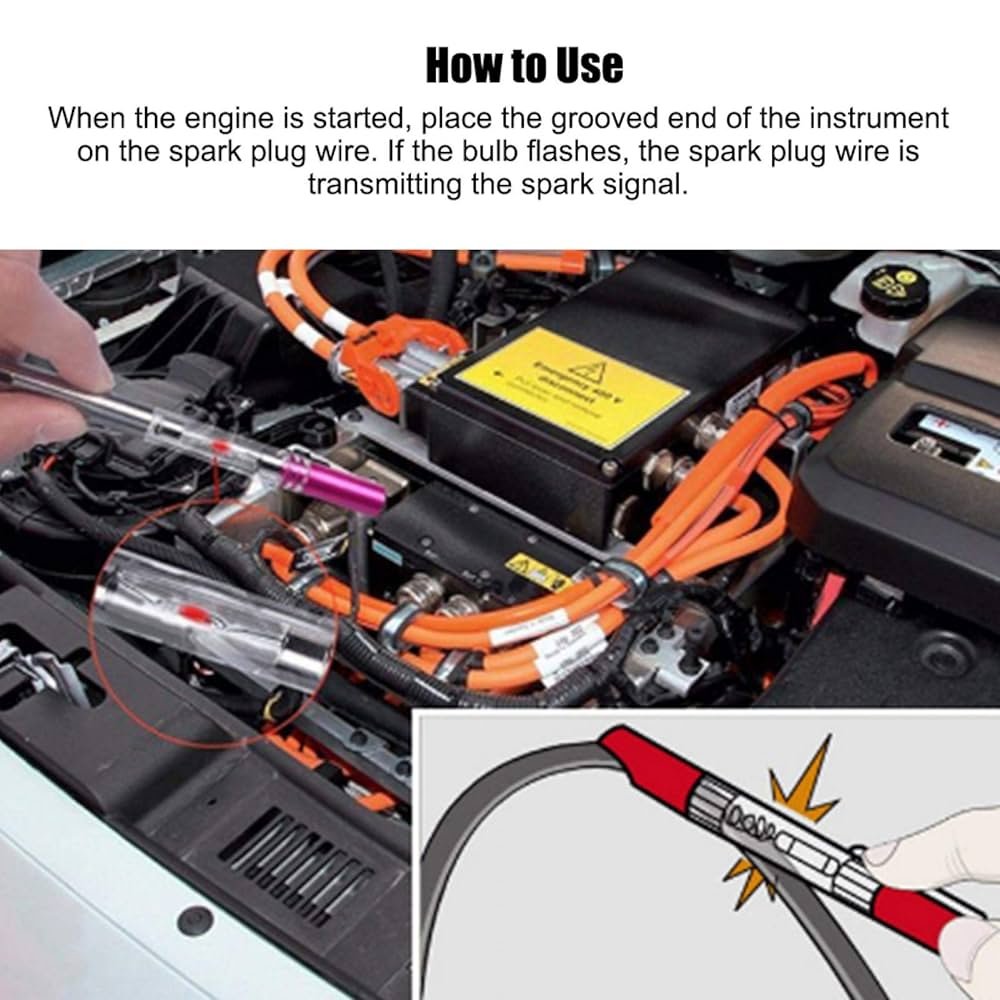
Using an ignition tester is one of the most straightforward ways to check if your spark plug wires are working properly. This tool helps you see if electricity is flowing through the wires as it should. It’s a quick test that can save you from guessing or replacing parts unnecessarily.
Connecting The Tester
Start by turning off your engine and letting it cool down to avoid burns or shocks. Then, attach the ignition tester to one of the spark plug wires. Usually, this means unplugging the wire from the spark plug and connecting the tester in its place.
Make sure the tester’s clip or connector is secure so it can properly detect the spark. If your tester has a ground clip, attach it to a metal part of the engine to complete the circuit. This setup lets the tester accurately measure the spark activity inside the wire.
Observing Spark Activity
Once the tester is connected, have someone crank the engine or start the car briefly while you watch the tester. Look for a clear, consistent spark inside the tester’s window or indicator. A strong, steady spark means the wire is conducting electricity well.
If the spark is weak, flickering, or absent, it signals a problem with the wire or its connection. Sometimes, dirt or corrosion can cause poor contact, so check for those issues before replacing the wire. Do you notice any difference in spark strength between wires? That comparison can help you pinpoint the faulty one quickly.
Common Issues And Solutions
Test spark plug wires often reveal common issues that affect engine performance. These problems cause rough idling, misfires, or loss of power. Detecting and fixing these issues improves engine efficiency and saves money. Below are frequent problems and simple solutions for spark plug wires.
Cracked Or Damaged Insulation
Insulation protects wires from heat and moisture. Cracks or damage expose wires to sparks and shorts. This causes engine misfires and weak performance.
- Inspect wires for visible cracks or wear.
- Replace wires with damaged insulation immediately.
- Use heat-resistant wires to avoid future damage.
Corroded Connections
Corrosion on wire ends blocks electrical flow. This leads to poor ignition and engine stalls. Moisture and dirt cause corrosion over time.
- Remove wires and check for corrosion at the ends.
- Clean connections with a wire brush or sandpaper.
- Apply dielectric grease to prevent future corrosion.
Loose Or Worn Connectors
Connectors must fit tightly on spark plugs and distributor. Loose or worn connectors cause weak or no spark. This results in engine misfires and poor fuel economy.
- Check connectors for tightness and wear.
- Replace connectors that are loose or damaged.
- Ensure proper fit when installing new wires.
High Resistance In Wires
High resistance reduces spark energy reaching plugs. This causes engine roughness and reduced power. Resistance increases due to wire aging or damage.
- Use a multimeter to measure wire resistance.
- Compare readings with manufacturer specifications.
- Replace wires that have high resistance values.
Maintenance For Longevity
Proper maintenance is the key to extending the life of your spark plug wires. Neglecting simple care routines can lead to performance issues and costly replacements. By paying attention to your wires regularly, you can keep your engine running smoothly and avoid unexpected breakdowns.
Regular Visual Inspections
Check your spark plug wires for cracks, burns, or corrosion at least once a month. These signs often indicate that the wires are weakening and need attention. Spotting damage early lets you fix small problems before they affect your engine’s performance.
Keep Wires Clean And Dry
Dirt and moisture can cause spark plug wires to short-circuit or degrade faster. Use a clean cloth to wipe them down during routine checks. Avoid spraying water directly on them, especially when the engine is hot, to prevent damage.
Secure Connections And Proper Routing
Loose or poorly routed wires can lead to misfires and engine hesitation. Make sure each wire is firmly connected to the spark plug and distributor. Also, keep the wires away from hot engine parts to prevent melting or wear.
Use Dielectric Grease
Applying dielectric grease on wire boots helps create a better seal and prevents moisture from entering. This simple step can reduce corrosion and improve connection quality. Have you tried this before? It often surprises how much it helps.
Replace Worn Wires Promptly
Even with good care, spark plug wires don’t last forever. If you notice persistent misfires or poor fuel efficiency, it may be time to replace them. Waiting too long can lead to bigger engine troubles and higher repair costs.

Credit: www.youtube.com
Frequently Asked Questions
How Do I Test Spark Plug Wires At Home?
Use a multimeter to check resistance in spark plug wires. Disconnect wires, set multimeter to ohms, and measure each wire. Resistance should match manufacturer specs. High resistance indicates wire damage and need for replacement.
What Tools Are Needed To Test Spark Plug Wires?
You need a digital multimeter for accurate resistance measurement. Additionally, use insulated pliers to safely handle wires. Optional tools include a spark tester to check spark delivery. These tools ensure safe and precise testing of spark plug wires.
What Indicates A Faulty Spark Plug Wire?
Signs include engine misfires, rough idling, and poor acceleration. Visible damage like cracks or burns also suggests failure. High resistance readings on a multimeter confirm wire problems. Faulty wires cause inefficient engine performance and should be replaced promptly.
How Often Should Spark Plug Wires Be Tested?
Test spark plug wires every 30,000 to 50,000 miles or during regular maintenance. Inspect wires if experiencing engine issues like misfires or poor fuel economy. Regular testing prevents unexpected breakdowns and maintains engine efficiency.
Conclusion
Testing spark plug wires helps keep your engine running well. Faulty wires can cause your car to misfire or lose power. Using simple tools, you can check wires quickly. Regular tests save money and prevent bigger problems. Always inspect wires for cracks or wear.
Replace any damaged wires to avoid engine trouble. Taking a few minutes to test wires improves car performance. Stay safe and keep your vehicle in good shape. Small steps make a big difference in car care.





