Have you ever wondered what a healthy spark plug should look like? If you’re trying to keep your engine running smoothly, knowing how your spark plug should appear can save you time and money.
A spark plug that looks right means your engine is firing properly, while unusual signs could signal trouble ahead. You’ll discover the clear signs of a good spark plug and what to watch out for. By the end, you’ll feel confident checking your spark plugs yourself and understanding exactly what they’re telling you about your vehicle’s health.
Keep reading to learn how to spot the difference between a spark plug that’s working well and one that needs attention.

Credit: www.reddit.com
Spark Plug Basics
A spark plug is a small but vital part of an engine. It creates the spark that ignites the fuel-air mix. This ignition powers the engine and keeps the vehicle running. Knowing the basics of spark plugs helps in identifying their condition and choosing the right type for your engine.
Key Components
- Center Electrode:Delivers the electrical spark to ignite fuel.
- Ground Electrode:Works with the center electrode to create the spark gap.
- Insulator:Made of ceramic, it isolates the center electrode from the metal shell.
- Metal Shell:Screws into the engine’s cylinder head and provides structural support.
- Gasket:Seals the spark plug in place to prevent gas leaks.
Types Of Spark Plugs
- Copper Spark Plugs:Good heat conductivity, ideal for older engines.
- Platinum Spark Plugs:Longer lifespan and better performance than copper.
- Iridium Spark Plugs:Durable and efficient with fine electrodes for precise sparks.
- Double Platinum Spark Plugs:Both center and ground electrodes have platinum for extra durability.

Credit: www.m109riders.com
Normal Spark Plug Appearance
Understanding how a normal spark plug should look can save you time and money on unnecessary repairs. When you remove a spark plug for inspection, its appearance reveals a lot about your engine’s health and performance. Let’s take a closer look at what a typical spark plug looks like when it’s working properly.
Ideal Electrode Condition
The electrode of a healthy spark plug is slightly worn but still sharp and intact. You want to see clean edges without any signs of melting or heavy erosion. If the electrode looks rounded or severely worn, it may not spark efficiently, affecting your engine’s performance.
In my experience, a spark plug with a crisp electrode means the combustion is happening correctly. You’ll notice smoother engine running and better fuel efficiency when your plugs are in this condition. Have you checked your spark plugs lately to see if they match this ideal?
Typical Color And Deposits
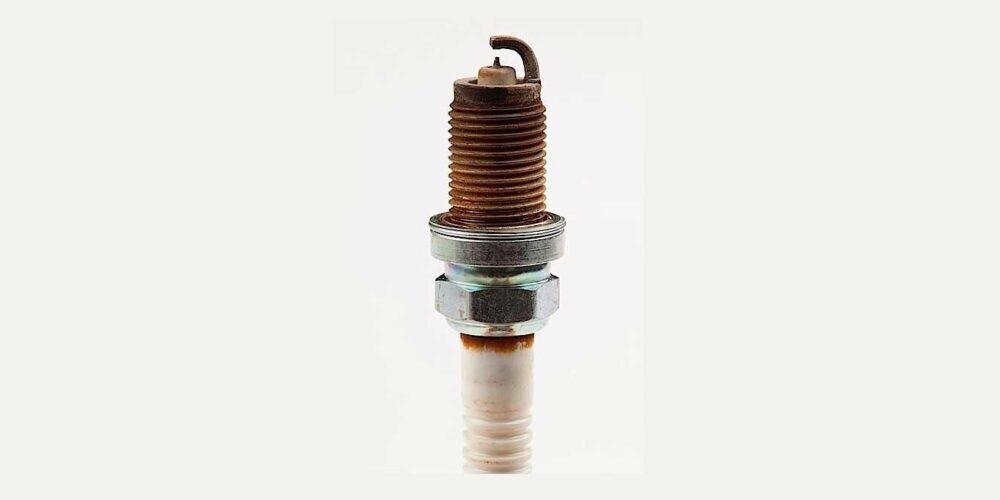
A normal spark plug usually has a light tan or grayish color on the insulator tip and electrode. This coloration indicates proper combustion and fuel mixture. Some slight deposits are normal, but heavy black soot, oily residue, or white crusty buildup can signal engine issues.
- Light tan or gray deposits show efficient fuel burning.
- Minimal dry carbon is fine, but thick black soot may mean a rich fuel mixture.
- Oily deposits can point to oil leakage inside the combustion chamber.
Recognizing these patterns helps you diagnose engine problems early. Next time you pull out a spark plug, compare its color and deposits to this guide—your engine’s health might depend on it.
Common Wear Signs
Spark plugs show visible signs of wear after use. Recognizing these signs helps maintain engine health. Common wear signs reveal problems like poor combustion or engine oil leaks. Identifying issues early can prevent costly repairs.
Carbon Fouling
Carbon fouling looks like a dry, black soot on the spark plug tip. It occurs from incomplete fuel burning or a rich fuel mixture. This buildup can cause misfires and poor engine performance. Cleaning or replacing the plug restores proper function.
Oil Deposits
Oil deposits appear as wet, oily residue on the spark plug. This indicates oil leaking into the combustion chamber. Causes include worn piston rings or valve seals. Oil fouling reduces spark efficiency and can cause engine smoke.
Ash Deposits
Ash deposits are light brown or tan powdery coatings. They come from fuel additives or oil burning. Excessive ash can insulate the spark plug and cause poor ignition. Regular maintenance helps control ash buildup.
Overheating Damage
Overheating damage shows as a white, blistered, or melted electrode. It signals too high combustion temperatures. Causes include wrong spark plug heat range or engine timing issues. Overheating can lead to engine knocking or pre-ignition.
Electrode Erosion
Electrode erosion means the spark plug’s metal parts wear down over time. It results in larger gaps and weak sparks. This wear lowers engine efficiency and fuel economy. Replacing worn plugs ensures steady engine performance.
Effects Of Wear On Performance
Spark plugs play a crucial role in engine function. Over time, wear affects their performance. This wear impacts how well the engine runs. It can cause various problems that reduce vehicle reliability.
Worn spark plugs may not ignite fuel properly. This leads to incomplete combustion and engine troubles. The effects of wear go beyond just engine noises. They directly influence fuel use, power, and starting ability.
Misfires And Starting Issues
Worn spark plugs often cause engine misfires. Misfires happen when the spark fails to ignite the fuel-air mix. This leads to rough idling and hesitation during acceleration. Starting the engine can become difficult or slow. The car may stall unexpectedly. These issues make driving unsafe and frustrating.
Fuel Efficiency Drop
Wear reduces spark plug efficiency. Poor ignition means fuel burns less completely. Unburned fuel wastes energy and increases consumption. This causes noticeable drops in miles per gallon. Drivers may spend more on fuel without reason. Maintaining spark plugs helps keep fuel costs low.
Engine Power Loss
Power loss is common with worn spark plugs. Weak or inconsistent sparks reduce engine strength. The vehicle struggles to reach higher speeds. Acceleration feels sluggish and unresponsive. This reduces driving pleasure and vehicle performance. Regular plug checks prevent this power decline.
Inspecting Spark Plugs
Inspecting your spark plugs is a key part of vehicle maintenance that you shouldn’t overlook. A quick check can reveal a lot about your engine’s health and help you avoid costly repairs. Knowing what to look for and how to do it properly puts you in control of your car’s performance.
Tools Needed
Before you start, gather the right tools to make the inspection smooth and effective. You will need:
- A spark plug socket wrench – to safely remove and replace the plugs.
- A gap gauge – to measure the spark plug gap accurately.
- A wire brush or spark plug cleaner – to clean any deposits on the plug.
- A flashlight – to get a clear look at the plug’s condition.
- Gloves – to protect your hands from dirt and heat.
Having these tools ready saves time and ensures you don’t damage the spark plug or engine components.
Step-by-step Inspection
Start by letting your engine cool down to avoid burns. Use the spark plug socket wrench to carefully remove the plug from the engine.
Look closely at the electrode and insulator tip. Is there any heavy black soot, oily residue, or cracks? These signs point to specific engine problems like running too rich or oil leaks.
Use the gap gauge to check if the spark plug gap matches your vehicle manufacturer’s specifications. A gap too wide or too narrow can cause misfires and poor fuel efficiency.
Clean minor deposits with the wire brush, but avoid aggressive scrubbing that can damage the electrode. If the plug shows extreme wear, corrosion, or damage, it’s best to replace it.
When To Replace
Ask yourself: How old is your spark plug and how has your engine been running lately? Most spark plugs last between 30,000 to 100,000 miles, depending on the type.
Replace the spark plug if you notice:
- Cracked or broken insulator
- Severe carbon buildup or oily deposits
- Worn or rounded electrodes
- Persistent engine misfires or rough idling despite cleaning
Remember, replacing spark plugs on time can improve your engine’s power and fuel economy. Have you checked your spark plugs recently? It might be time to take a closer look.
Preventing Spark Plug Wear
Preventing spark plug wear extends the life of your engine parts. It keeps the engine running smoothly and avoids costly repairs. Simple care habits help maintain spark plug condition. These steps reduce damage and improve performance.
Proper Engine Maintenance
Regular engine checks protect spark plugs from wear. Change oil and filters on time. Clean air filters to keep dirt out. Inspect spark plugs for signs of damage. Replace worn plugs promptly to prevent engine issues.
Fuel Quality Tips
Use fuel with the right octane level for your vehicle. Poor fuel causes deposits on spark plugs. Avoid low-quality fuel that contains impurities. Keep the fuel system clean to prevent clogging. Good fuel improves spark plug life and engine efficiency.
Driving Habits Impact
Aggressive driving wears spark plugs faster. Rapid acceleration and heavy loads strain the engine. Drive smoothly to reduce stress on spark plugs. Avoid long idling, which causes fouling. Consistent, gentle driving helps spark plugs last longer.

Credit: craigscarcare.com
Frequently Asked Questions
What Does A Healthy Spark Plug Look Like?
A healthy spark plug has a light tan or grayish color on the electrode. It shows no signs of damage, deposits, or excessive wear. The gap between the electrodes is consistent and clean, indicating proper combustion and engine performance.
How Can I Identify A Fouled Spark Plug?
A fouled spark plug appears black, oily, or sooty on the electrode. This indicates incomplete combustion, oil leaks, or a rich fuel mixture. Such plugs may cause misfires and poor engine performance, requiring cleaning or replacement.
What Causes A Spark Plug To Appear White Or Blistered?
White or blistered spark plugs indicate overheating or pre-ignition. This can result from incorrect spark plug heat range, lean fuel mixture, or engine timing issues. Such plugs need immediate attention to prevent engine damage.
When Should I Replace My Spark Plug Based On Appearance?
Replace spark plugs if they show heavy deposits, corrosion, cracks, or electrode erosion. These signs mean the plug is worn out and can affect engine efficiency. Regular inspection helps maintain optimal engine performance and fuel economy.
Conclusion
A spark plug’s appearance tells a lot about engine health. Regular checks can prevent bigger issues. Look for a clean, light brown color on the tip. This indicates good engine performance. Dark, sooty plugs may signal fuel problems. Oil deposits might mean oil leaks.
White deposits suggest overheating. Change spark plugs when they show wear. This ensures smooth driving and engine efficiency. Remember, spark plugs are small but crucial parts of your car. Keep them in good condition for a reliable engine. Understanding these signs helps maintain your vehicle better.
Happy driving!