Have you ever wondered about the magic behind riding lawn mowers? Imagine sitting comfortably, steering effortlessly, and watching your lawn transform before your eyes.
Riding lawn mowers bring a touch of ease and efficiency to your yard work, turning a daunting task into a delightful experience. But how do these machines actually work? Understanding the mechanics can help you choose the right model, troubleshoot common issues, and even enhance your mowing skills.
Dive into this article, and discover the secrets behind the smooth operation of riding lawn mowers. Your perfect lawn awaits!
Riding Mower Basics
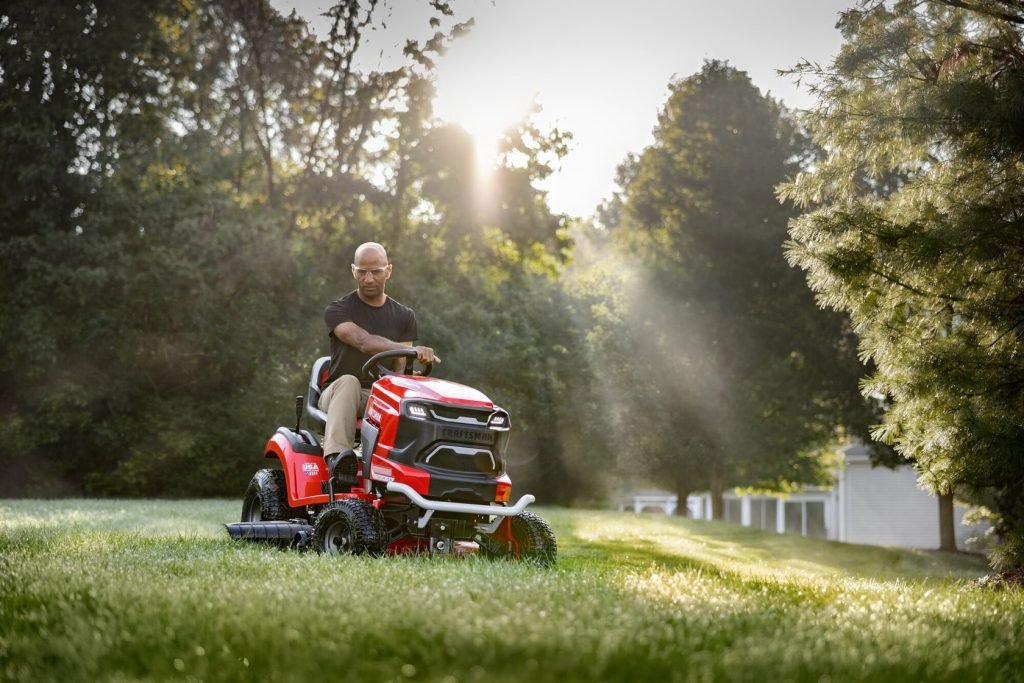
Riding mowers make lawn care faster and easier. They let you sit and drive over your grass. This saves time and effort compared to push mowers. Understanding how these machines work helps you choose the right one and use it well.
Core Components
Riding mowers have several key parts that work together to cut grass efficiently.
- Engine:Powers the mower and its blades.
- Cutting Deck:Houses the blades that trim the grass.
- Blades:Spin quickly to cut the grass evenly.
- Transmission:Transfers power from the engine to the wheels.
- Steering System:Allows easy control and turning of the mower.
- Seat and Controls:Provide comfort and let you operate the mower safely.
Types Of Riding Mowers
There are different types of riding mowers to suit various lawn sizes and needs.
- Standard Riding Mowers:Best for medium to large yards. They are easy to use and maintain.
- Lawn Tractors:More powerful, with attachments for other tasks like snow removal.
- Zero-Turn Mowers:Have a tight turning radius. Ideal for lawns with many obstacles.
- Garden Tractors:Heavy-duty machines for large properties and tough jobs.
Engine And Power System
The engine and power system are the heart of a riding lawn mower. They provide the strength needed to cut grass efficiently and move the mower across your yard. Understanding these parts helps you choose the right mower and keep it running smoothly.
Gas Vs. Electric Engines
Riding lawn mowers come with two main engine types: gas and electric. Gas engines use fuel to create power. They are strong and work well for large yards. They run longer but need regular refilling and care.
Electric engines run on batteries. They are quieter and cleaner than gas engines. Electric mowers need less maintenance and start easily. Battery life limits their run time, making them better for smaller lawns.
Fuel And Maintenance
Gas mowers require gasoline and oil. Use fresh fuel to keep the engine healthy. Change the oil regularly to avoid engine wear. Clean or replace air filters to improve performance.
Electric mowers need battery care. Charge batteries fully before use. Store batteries in a cool, dry place to extend life. Check connections and clean terminals for good power flow.
Cutting Mechanism
The cutting mechanism is the heart of any riding lawn mower. It determines how efficiently and neatly your grass is trimmed. Understanding this part can help you maintain your mower better and get a perfect cut every time.
Blade Design And Function
The blades on a riding lawn mower are designed to spin rapidly and slice through grass cleanly. Most mowers use sharp, flat blades, but some models feature mulching blades that chop grass into finer pieces.
Sharp blades reduce strain on the engine and provide a cleaner cut, which helps your lawn stay healthier. Have you noticed your mower struggling or leaving uneven patches? It might be time to check or replace the blades.
- Flat blades: Best for basic cutting and easy maintenance.
- Mulching blades: Cut grass finer, returning nutrients to the soil.
- High-lift blades: Create strong airflow to lift grass for a better cut.
Height Adjustment Features
Adjusting the cutting height lets you control how short or long your grass remains after mowing. Most riding mowers offer multiple height settings, allowing you to customize your lawn’s look and health.
You can usually change the height using a lever, dial, or electronic control. This flexibility is great if you want to mow different areas with varying grass lengths or if the season calls for higher grass to protect roots.
What height do you prefer for your lawn? Experimenting with different settings can improve your grass’s resilience and appearance over time.

Credit: nelsontractorco.com
Drive And Steering
The drive and steering systems are key to how riding lawn mowers operate. They control movement and direction. Understanding these parts helps users mow lawns efficiently and safely.
Transmission Types
The transmission moves power from the engine to the wheels. Riding mowers use different transmission types:
- Manual Transmission:Requires shifting gears manually. Offers control but needs skill.
- Automatic Transmission:Changes gears automatically. Easy to use for beginners.
- Hydrostatic Transmission:Uses fluid pressure for smooth speed changes. Provides precise control and smooth riding.
Hydrostatic models are common in modern mowers. They handle various terrains well and adjust speed easily.
Steering Controls
Steering lets the rider guide the mower’s path. Most riding mowers have a steering wheel like a car. Some use levers for easier control.
- Steering Wheel:Turns the front wheels to direct the mower. Feels familiar to most riders.
- Lever Steering:Found in zero-turn mowers. Each lever controls one side’s wheels for sharp turns.
Zero-turn mowers offer great maneuverability. They can pivot on the spot for tight spaces.
Safety Features
Riding lawn mowers come with important safety features to protect users. These features reduce accidents and help you stay safe while mowing. Understanding these safety elements ensures a safer mowing experience for everyone.
Operator Protection
Riding mowers often include protective shields around the blades. These shields prevent debris from flying out and hitting the operator. Many mowers have a sturdy frame that guards the driver from branches or obstacles.
Most models have a seat sensor that stops the blades if the operator leaves the seat. This feature prevents accidents if you fall or step off suddenly. It helps avoid injuries caused by spinning blades.
Emergency Stops
Emergency stop controls are easy to reach on riding mowers. They allow quick engine shutdown in case of danger. This feature is vital to stop the mower immediately during an emergency.
Some mowers also have a key switch or brake pedal that acts as a safety stop. Releasing the brake or turning off the key cuts power to the blades and engine. This quick response reduces risk during unexpected situations.

Credit: www.searshomeservices.com
Enhancing Efficiency
Enhancing efficiency is key to getting the best from your riding lawn mower. It saves time and effort, making lawn care easier. Simple upgrades and good habits keep the mower running smoothly. This helps you cover more ground with less fuel and wear.
Attachments And Accessories
Attachments can expand what your mower can do. They help handle more tasks around the yard without extra machines. Common accessories include:
- Baggers to collect grass clippings
- Mulchers to finely chop grass for a neat finish
- Snow blades or plows for clearing driveways
- Carts for hauling garden supplies
- Aerators to improve lawn health
Choosing the right attachments boosts mower use. It also makes yard work faster and less tiring.
Maintenance Tips
Regular care keeps the mower efficient and reliable. Follow these tips:
- Check and change the oil regularly
- Keep blades sharp for clean cuts
- Clean the deck to prevent grass buildup
- Inspect tires and maintain proper pressure
- Replace air filters to ensure good airflow
Proper maintenance lowers breakdown risk. It also saves money on repairs and fuel costs.

Credit: www.popularmechanics.com
Frequently Asked Questions
How Does A Riding Lawn Mower Cut Grass Efficiently?
A riding lawn mower uses rotating blades under the deck to cut grass evenly. The blades spin fast, slicing grass cleanly. The mower’s engine powers the blades and wheels, making mowing quick and efficient on large lawns.
What Powers The Movement Of Riding Lawn Mowers?
Most riding lawn mowers are powered by gasoline engines. These engines drive the wheels through a transmission system. Some models use electric or battery power, offering quieter and eco-friendly operation while maintaining strong movement and cutting ability.
How Is Steering Controlled On Riding Lawn Mowers?
Steering on riding lawn mowers is controlled by a steering wheel. Turning the wheel adjusts the front wheels’ direction, allowing precise navigation. This design provides easy control, especially around obstacles and tight spaces in your yard.
What Maintenance Is Needed For Riding Lawn Mowers?
Regular maintenance includes checking oil, sharpening blades, and cleaning the deck. Fuel filters and air filters should be inspected and replaced as needed. Proper maintenance ensures optimal performance, extends mower life, and improves safety during operation.
Conclusion
Riding lawn mowers make yard work easier and faster. They use engines to power blades that cut grass evenly. Steering and speed controls help you mow with ease. Regular maintenance keeps the mower working well longer. Knowing how these machines work helps you use them safely.
Enjoy a neat lawn without much effort or time. Simple, reliable, and efficient tools for your yard. Ready to give your grass a fresh, clean look?