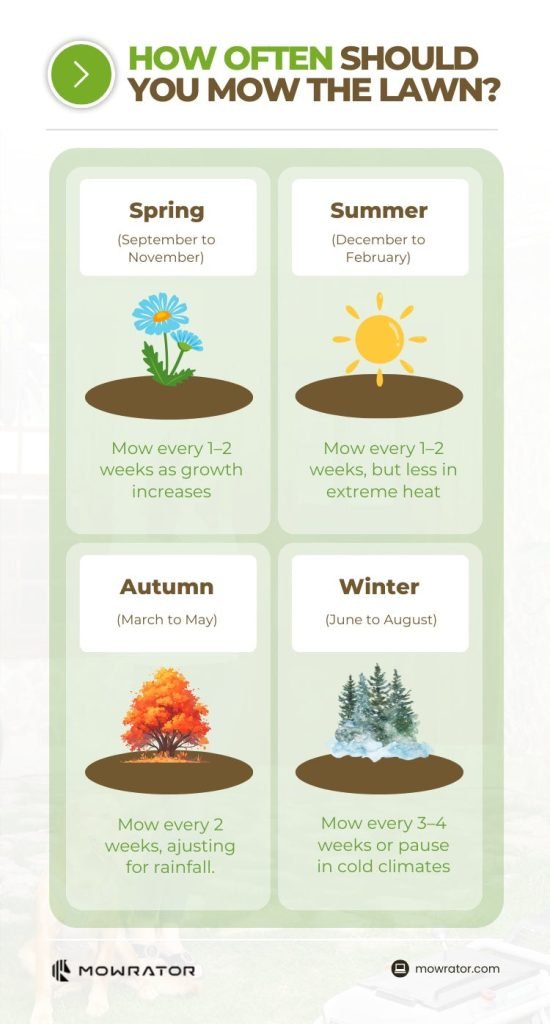
Are you wondering how often to mow your lawn in summer? Keeping your grass healthy and looking great during the hot months can be tricky.
Mowing too little can let weeds take over, while mowing too much can stress your lawn. But don’t worry—finding the right mowing schedule is easier than you think. You’ll discover simple tips to keep your lawn green, lush, and ready for summer fun.
Keep reading to learn exactly when and how often you should mow for the best results.
Ideal Mowing Frequency
The growth rate of grassin summer changes with weather and grass type. Warm weather and rain make grass grow fast. Some grasses, like Bermuda, grow quicker than others. Grass that grows fast needs to be mowed more often to stay healthy and neat.
Other important factors affect mowing schedule:
- Soil moisture:Wet soil slows mowing and grass growth.
- Sunlight:More sun helps grass grow faster.
- Grass type:Cool-season grasses grow slower in heat.
- Fertilizer use:Fertilizer can speed up growth.
To keep your lawn healthy, mow often enough to cut only the top third of grass blades. Cutting too much at once can stress the grass.

Credit: fairwaylawns.com
Best Time Of Day To Mow
The best time to mow your lawn is early morningor late afternoon. Morning mowing helps avoid the heat stresson grass. The grass is cooler and has moisture from dew.
Mowing in the afternoon can cause heat damage. The sun is strong, and the grass may dry out quickly. This can make your lawn look brown and weak.
- Morning mowing keeps grass blades healthy.
- Afternoon mowing risks burning the grass.
- Try to avoid mowing during the hottest hours.
- Water the lawn before mowing if it is very dry.
Choosing the right time helps the grass stay greenand strongall summer.
Optimal Mowing Height
Optimal mowing heightdepends on the type of grass. Different grasses need different cutting lengths. Cutting too short can stress the grass. Cutting at the right height helps grass stay green and healthy.
Warm-season grasses like Bermuda and Zoysia do best at about 1 to 2 inches. Cool-season grasses like fescue and bluegrass need 2.5 to 4 inches. Adjust mower height to match your grass type.
| Grass Type | Optimal Mowing Height |
|---|---|
| Bermuda Grass | 1 to 2 inches |
| Zoysia Grass | 1 to 2 inches |
| Fescue Grass | 2.5 to 4 inches |
| Bluegrass | 2.5 to 4 inches |
- Proper cutting heighthelps grass grow deep roots.
- It reduces weed growth by shading soil.
- Grass stays more resistant to heat and drought.
- Good mowing height keeps lawn green and thick.
- Prevents stress and damage to grass blades.
Tools And Techniques
Choosing the right mower and blade sharpness affects lawn health. Mowing every 3-4 days keeps grass strong and neat during summer heat. Adjust cutting height to avoid stressing the grass.
Choosing The Right Mower
A good mower makes lawn care easy. Pick a mower that suits your lawn size. For small yards, a push mower works well. Larger areas need a riding mower. Electric mowers are quiet and eco-friendly. Gas mowers offer more power. Always check the mower’s height settings. It helps in cutting grass evenly.Sharp Blades And Clean Cuts
Sharp blades are important for a healthy lawn. Dull blades tear grass. This makes the lawn look bad. Sharpen blades every month in summer. Clean the mower after each use. Grass sticks to dirty mowers. This can damage the blades. Regular maintenance keeps your mower in top shape. `Watering And Fertilizing Tips
Water lawns deeply and early to avoid evaporation. Mow only when grass is dry to prevent clumping. Fertilize lawns before mowing to help nutrients soak in better. Avoid mowing right after watering to keep blades sharp.
Healthy grass grows better with balanced water and food. Watering too much or too little harms roots. Fertilizer gives grass the nutrients it needs to stay green and strong.
Common Mowing Mistakes
Cutting grass too shortcan hurt your lawn. It removes too many leaves, making the grass weak. Short grass also lets the sun dry the soil quickly. This causes stress and browning. A good rule is to cut only the top one-third of the grass blade. This helps grass stay healthy and green. Avoid cutting more than you need to keep the lawn strong.
Mowing wet grassis not a good idea. Wet grass clumps and sticks to the mower blades. This can cause uneven cuts and damage the grass. Wet soil is soft, and the mower can leave ruts or marks. It also spreads diseases easily. Wait until the grass is dry before mowing. This keeps your lawn neat and healthy.
Seasonal Lawn Care Adjustments
Preparing your lawn for fall means changing how often you mow. Grass grows slower as temperatures drop. This means less frequent mowing is needed. Cutting too short in late summer can stress the grass.
Adjust mowing height to a bit higher to keep the lawn healthy. Taller grass helps shade roots and holds soil moisture. It also stops weeds from growing easily.
- Reduce mowing to once every 7-10 days as fall nears.
- Keep grass height about 3 inches to protect roots.
- Remove grass clippings to avoid smothering the lawn.
- Check mower blades to ensure clean cuts for better growth.
By adjusting mowing frequency and height, the lawn stays strong and ready for colder months.
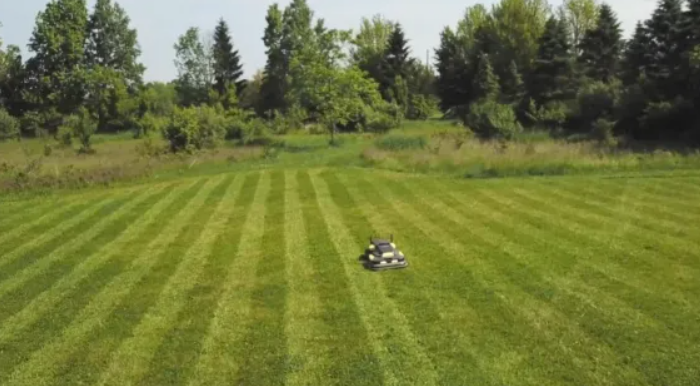
Credit: www.yarbo.com
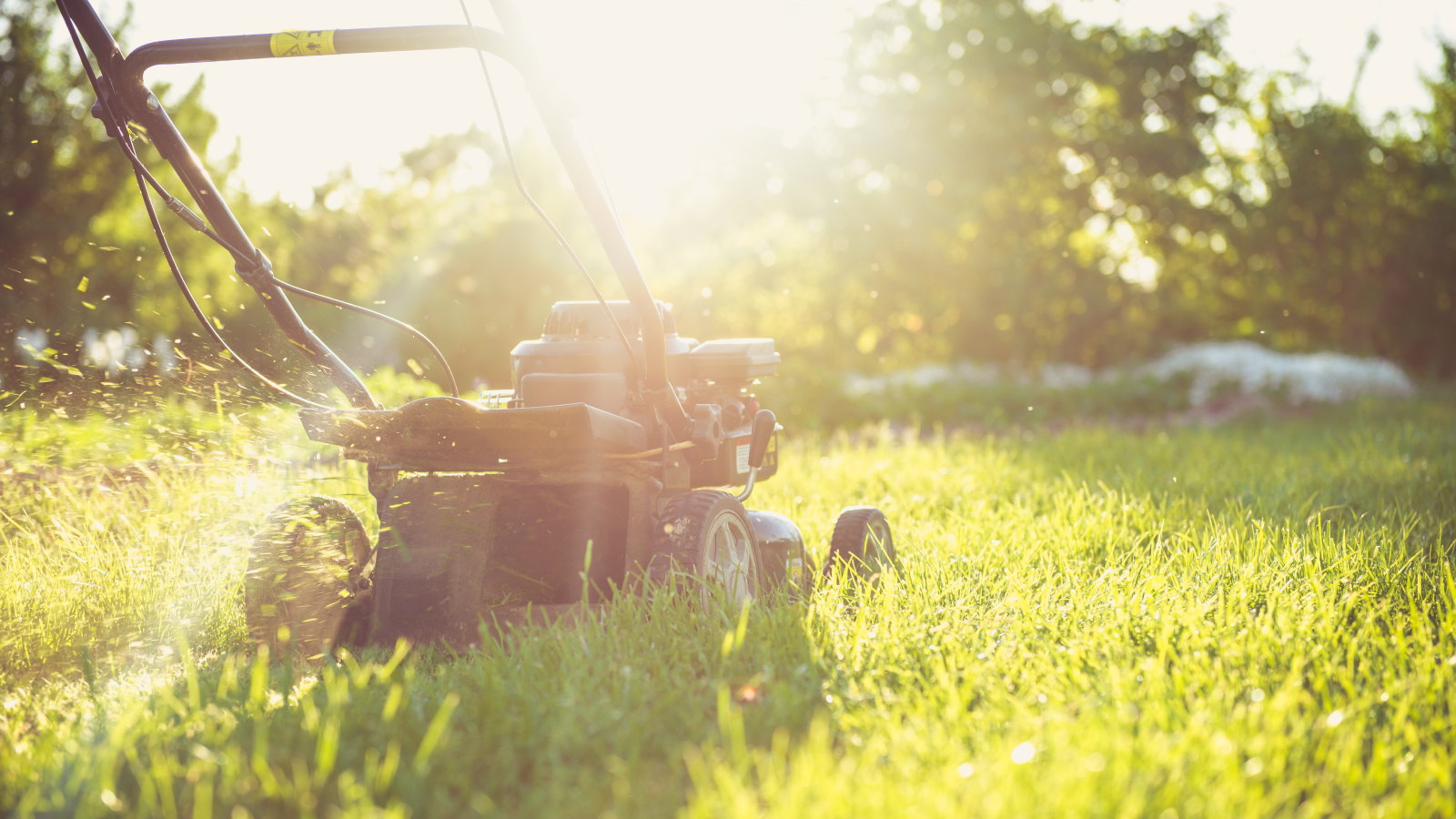
Credit: www.homesandgardens.com
Frequently Asked Questions
How Often Should I Mow My Lawn In Summer?
Mow your lawn every 5 to 7 days during summer. This keeps grass healthy and prevents stress from heat and drought. Adjust frequency based on rainfall and grass growth speed.
What Is The Best Grass Height For Summer Mowing?
Maintain grass height between 3 to 4 inches in summer. Taller grass shades roots and retains moisture. Avoid cutting more than one-third of the grass blade at once.
Can Mowing Frequency Affect Lawn Health In Summer?
Yes, mowing frequency impacts lawn health. Regular mowing encourages strong root growth and reduces weeds. Over-mowing can stress grass, while under-mowing causes thatch build-up and pests.
Should I Mow My Lawn When It’s Wet In Summer?
Avoid mowing wet grass to prevent clumping and uneven cuts. Wet mowing can damage grass blades and spread diseases. Wait until the lawn is dry for best results.
Conclusion
Mowing your lawn regularly keeps it healthy and green. Cutting every few days helps grass grow strong. Avoid cutting too short to protect grass roots. Watch the weather; dry days are best for mowing. A well-maintained lawn makes your yard look neat.
Remember, small efforts make a big difference. Keep your mower blades sharp for clean cuts. Enjoy a lush lawn all summer long with simple care. Your grass will thank you!





