Spring is the time when your lawn wakes up from winter’s rest. You want it to look fresh, green, and healthy, but how often should you mow to keep it that way?
If you mow too little, your grass can get wild and patchy. Mow too much, and you risk stressing your lawn. Finding the right balance is key—and that’s exactly what you’ll learn here. Keep reading to discover the perfect mowing schedule that will make your lawn the envy of the neighborhood this spring.
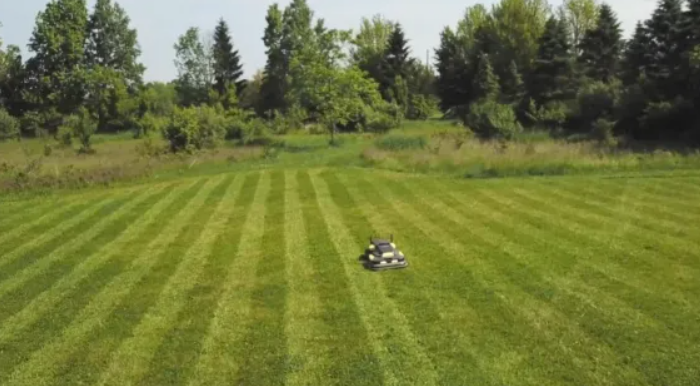
Credit: www.yarbo.com
Timing Your First Spring Mow
The best time for the first spring mow depends on your grass type and weather. Wait until grass is about 3 inches tall. Grass blades should stand up and look green. Avoid mowing if the ground is wet to prevent damage.
Check soil temperature; it should be around 50°F (10°C) for grass growth. Grass starts growing faster after soil warms. Dry, sunny days are best for mowing. Wet or frozen soil can harm roots and soil structure.
- Grass height about 3 inches
- Soil temperature near 50°F (10°C)
- Ground dry, not wet or frozen
- Weather clear and calm

Credit: www.lawnstarter.com
Setting The Right Mowing Frequency
The growth rateof grass changes in spring. It depends on temperature, rainfall, and sunlight. Warmer days and more rain make grass grow faster. Cooler weather slows growth down.
Different grass typesneed different mowing schedules. Some grasses grow quickly, others slowly. For example:
| Grass Type | Recommended Mowing Frequency |
|---|---|
| Bermuda Grass | Once a week |
| Fescue Grass | Every 10-14 days |
| Bluegrass | Once a week |
| Ryegrass | Every 7-10 days |
Watch the lawn’s height. Mow when grass is about one-third taller than you want.
Mowing Techniques For Healthy Lawns
Cut grassto the right height to keep your lawn strong. Set your mower to about 2.5 to 3 inches. This helps grass roots grow deep and holds moisture better. Cutting too short can harm the grass and let weeds grow. Cutting too long can make the lawn look messy and slow growth.
Check your mower blades. Sharp blades make clean cuts. Dull blades tear grass and cause stress. Mow often enough so you never cut more than one-third of the grass height at once. This keeps your lawn healthy and green.
- Keep mower blades sharp
- Cut only one-third of grass height
- Leave grass clippings on lawn to add nutrients
- Change mowing patterns to avoid soil compaction
- Do not mow wet grass to prevent damage
Equipment Tips For Spring Mowing
Keep your lawn mower in good shape for the best results. Clean the mower deck to stop grass build-up. Check and change the oil often to keep the engine running smoothly. Sharpen mower blades for a clean cut that helps grass grow well. Dull blades tear grass, making it look brown and unhealthy.
Choose blades based on your lawn type and mower model. High-lift blades work well for thick grass and bagging clippings. Mulching blades cut grass finely, which helps return nutrients to the soil. Always use blades made for your mower to avoid damage.
Seasonal Lawn Care Beyond Mowing
Spring lawn mowing should happen about once a week to keep grass healthy and growing strong. Cutting too short or too often can harm your lawn. Watch grass height and weather to decide the best mowing schedule.
Fertilizing Strategies
Fertilizingis important for lawn health. Use a balanced fertilizer mix. Apply fertilizer in early spring. This helps grass grow strong and green. Choose a fertilizer with equal N-P-K values. N stands for nitrogen. P is phosphorus. K is potassium. These nutrients are vital for grass. Read the label for instructions. Follow the recommended amount carefully. Over-fertilizing can harm your lawn.Weed And Pest Control
Weedscan steal nutrients from grass. Remove weeds by hand if possible. Use a safe weed killer if needed. Apply it in the spring. This prevents weed growth. Pests like grubs damage roots. Check your lawn for pests regularly. Use a safe pest control product. Follow directions on the package. Keep your lawn healthy and green. `Adapting Mowing Habits To Weather Changes
Rainy periodsmake grass grow faster. Mow more often to keep it neat. Wet grass can clog your mower, so mow when it’s dry. Cutting wet grass can cause clumps and disease. Raise the mower blade to avoid cutting too short. Short grass in rain can stress the lawn.
Drought conditionsslow grass growth. Mow less often to avoid stress. Keep mower blades higher to protect roots. Avoid cutting more than one-third of the grass height. Grass grows slowly in dry weather. Let the lawn rest and recover.
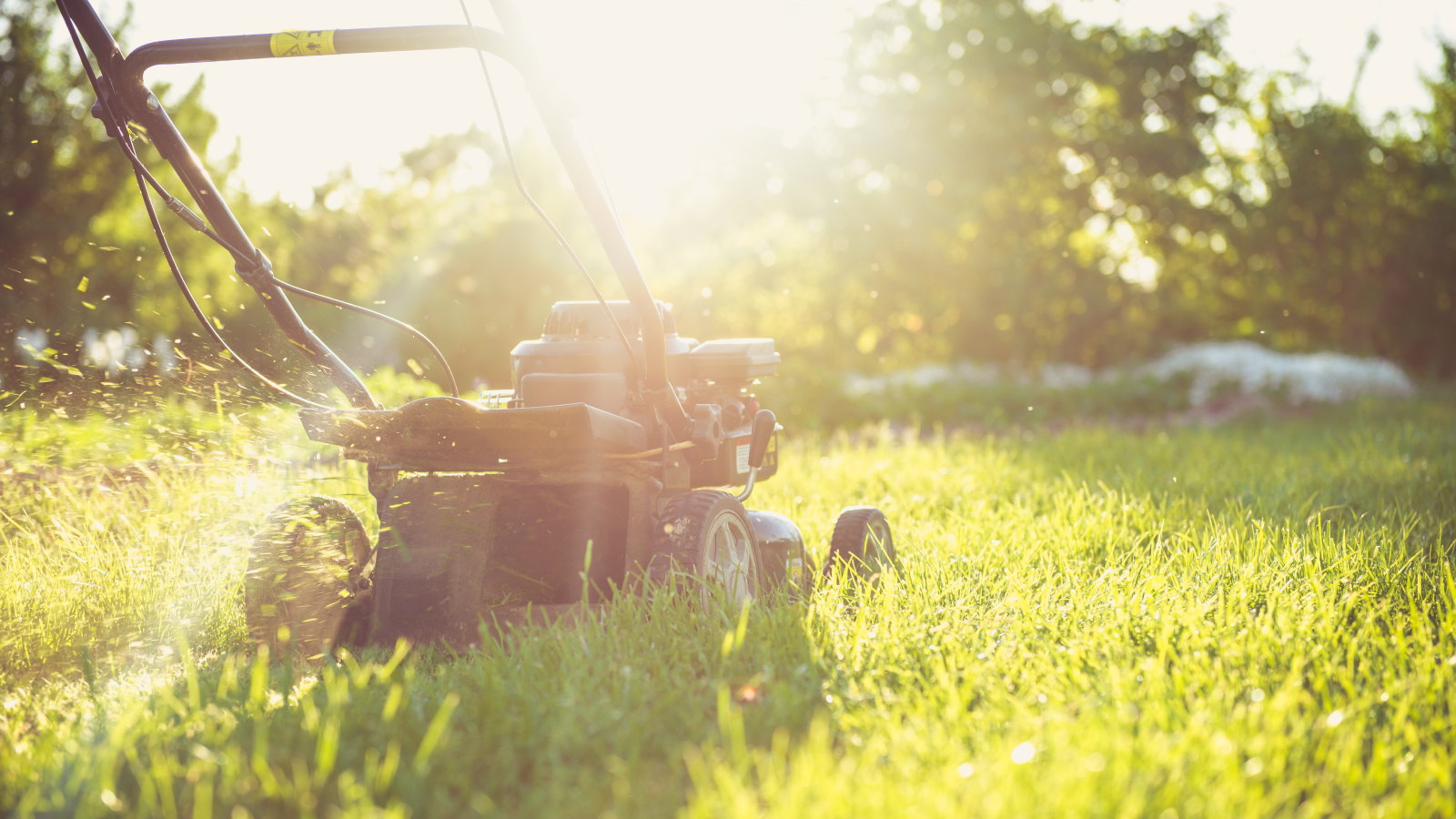
Credit: www.homesandgardens.com
Frequently Asked Questions
How Often Should I Mow My Lawn In Spring?
Mow your lawn every 7 to 10 days during spring. This frequency promotes healthy growth without stressing the grass. Adjust mowing based on weather and grass growth rate.
When Is The Best Time To Start Mowing In Spring?
Start mowing when grass reaches about 3 inches tall. This usually happens in early to mid-spring. Early mowing encourages strong roots and a lush lawn.
What Height Should I Set My Mower In Spring?
Set your mower to cut grass at 2. 5 to 3 inches. This height protects grass from heat and drought. Avoid cutting more than one-third of the blade length.
Can Mowing Too Often Damage My Lawn?
Yes, mowing too frequently can stress grass and weaken roots. It may cause brown patches and increase weed growth. Stick to recommended mowing intervals for best results.
Conclusion
Mowing your lawn regularly helps keep grass healthy and green. In spring, mow every 1 to 2 weeks, depending on growth. Avoid cutting too short to protect the grass roots. Watch the weather and soil moisture before mowing. Use sharp blades for a clean cut each time.
Taking care of your lawn now saves work later. Enjoy a fresh, neat yard all season long. Simple steps make lawn care easy and effective.