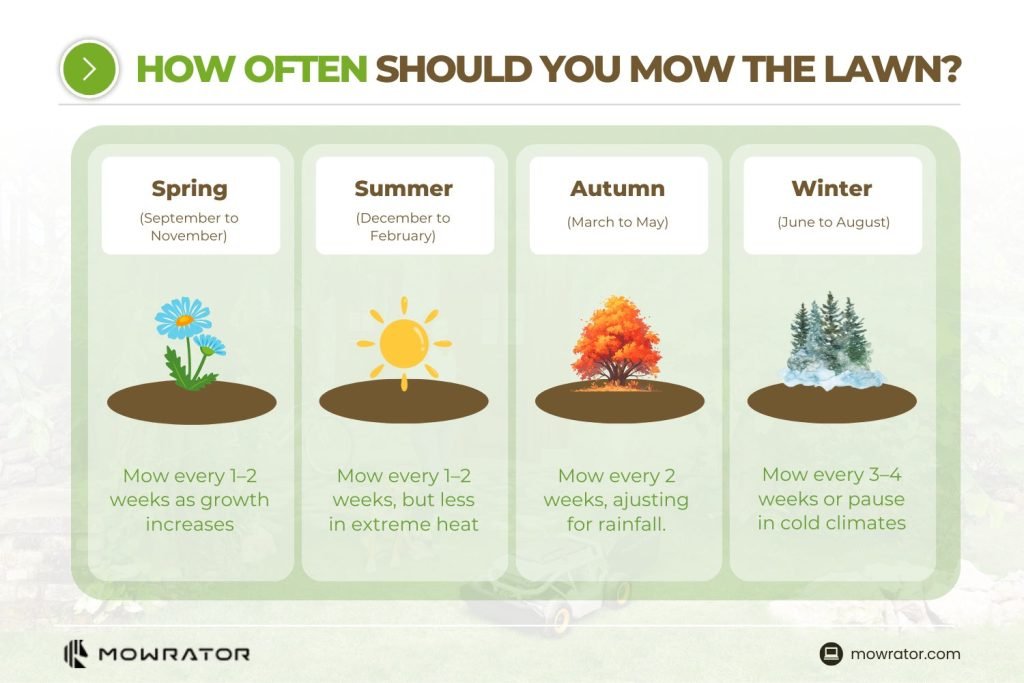
Are you wondering how often to mow your lawn in fall? You’re not alone.
As the seasons change, your grass needs a little extra care to stay healthy and green. Mowing too much or too little can harm your lawn just when it needs support the most. You’ll discover the perfect mowing routine to keep your yard looking its best through the cooler months.
Stick with me, and your lawn will thank you come spring.

Credit: au.mowrator.com
Fall Lawn Growth Patterns
Cooler temperatures slow down grass growthin fall. Different grass typesgrow at different speeds. Cool-season grasseslike fescue and ryegrass grow well in fall. They may need mowing every 1-2 weeks. Warm-season grasseslike Bermuda and zoysia slow down quickly and need less mowing.
Growth also depends on rainfall and sunlight. Less sun and cooler days mean slower growth. Lawns need less frequent mowing than in summer.
| Grass Type | Growth Rate in Fall | Mowing Frequency |
|---|---|---|
| Cool-season grasses | Moderate | Every 1-2 weeks |
| Warm-season grasses | Slow | Every 3-4 weeks |
Ideal Mowing Frequency In Fall
The ideal mowing frequency in fall depends on how fast your grass grows. Grass usually grows slower in cooler weather. Mowing weeklykeeps the lawn neat and healthy. It prevents the grass from getting too long, which can cause problems.
Biweekly mowing works if growth is slow. This option saves time but may let the grass grow a bit taller. Taller grass can lead to thatch buildup and make the lawn look untidy.
Adjust mowing based on weather conditions. After heavy rain, wait for the grass to dry before mowing. Cutting wet grass can damage the lawn and clog the mower. During dry spells, grass may need less mowing as growth slows.
| Condition | Mowing Frequency |
|---|---|
| Fast growth (warm, moist) | Weekly |
| Slow growth (cool, dry) | Biweekly |
| Wet conditions | Wait until dry |
Mowing Height For Fall Lawns
Maintaining the correct mowing heightin fall helps grass stay healthy. The recommended grass heightis usually between 2.5 to 3.5 inches. This height protects the roots from cold weather.
Cutting grass too short can stress the lawn. It makes the grass weaker and more open to weeds. Taller grass blades catch more sunlight, which helps with growth and energy.
Benefits of proper mowing height include:
- Stronger rootsthat survive winter better.
- Better moisture retentionin the soil.
- Reduced weed growthas healthy grass crowds weeds out.
- Improved lawn colorand thickness.
Credit: www.yarbo.com
Tools And Techniques For Fall Mowing
Fall mowing requires sharp tools like lawn mowers and rakes. Mow the lawn every 7-10 days to keep grass healthy before winter. Cutting too short can harm roots, so adjust blade height carefully.
Blade Maintenance
Sharp bladesare key for healthy grass. Dull blades tear grass. This can harm the lawn. Check blades before each mow. Look for nicks or dents. Use a file or grinder to sharpen. Keep blades clean and rust-free. Store them in a dry place. Replace blades if they are too damaged. This helps keep your lawn strong.Mowing Patterns To Follow
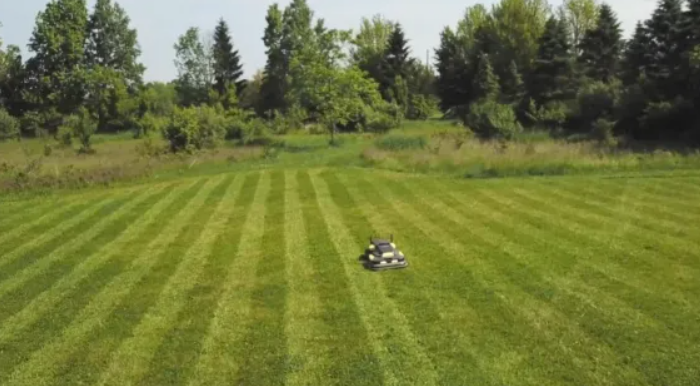
Switch up your mowing patterns. It helps the grass grow upright. Avoid mowing in the same direction every time. This prevents ruts in the lawn. Try diagonal or circular patterns. It makes the lawn look neat. Mowing different ways is good for grass health. It encourages even growth and prevents wear. Keep the lawn fresh and tidy. `Common Mistakes To Avoid
Cutting grass too shortcan stress your lawn in fall. Grass needs some height to protect roots from cold. Short grass dries out faster and can cause bare spots. Keep the mower blade higher than usual for fall. This helps the grass store energy for winter. Avoid cutting more than one-third of the grass blade at once.
Ignoring lawn debrislike leaves and sticks can hurt your lawn. Debris blocks sunlight and air, which grass needs to stay healthy. It can also cause mold or disease to grow. Rake leaves regularly and clear debris from your lawn. This keeps the grass strong and ready for spring growth.
Additional Fall Lawn Care Tips
Fertilizingin fall helps grass store nutrients for winter. Use a slow-release fertilizerto feed roots deeply. Avoid high-nitrogen fertilizers that encourage leaf growth.
Reduce wateringas temperatures drop. Lawns need less water in fall because of cooler weather. Water only when soil feels dry about 1 inch deep.
To prepare your lawn for winter, keep grass a bit longer than usual. This protects roots from cold. Remove fallen leaves to prevent mold and pests. Aerate soil to improve air and water flow.

Credit: au.mowrator.com
Frequently Asked Questions
How Often Should I Mow My Lawn In Fall?
Mow your lawn every 7 to 10 days in fall. This frequency prevents overgrowth and keeps grass healthy during cooler months. Adjust based on grass growth rate and weather conditions for best results.
Does Mowing Frequency Change In Fall Compared To Summer?
Yes, mowing frequency decreases in fall. Grass grows slower due to cooler temperatures. Typically, mow less often than summer, about every one to two weeks, to avoid stressing the lawn.
Should I Mow My Lawn Shorter In Fall?
Avoid cutting grass too short in fall. Keep grass height around 2. 5 to 3 inches to protect roots and conserve moisture. Shorter grass can increase stress and reduce winter hardiness.
Can Mowing Too Often Harm My Lawn In Fall?
Yes, mowing too often can stress grass in fall. Excessive cutting weakens roots and slows growth. Maintain a balanced mowing schedule to support lawn health during seasonal changes.
Conclusion
Mowing your lawn regularly in fall keeps it healthy and neat. Grass grows slower, so mow less often than in summer. Aim for every 10 to 14 days, depending on weather and growth. Keep mower blades sharp for clean cuts.
Avoid cutting grass too short to protect roots. A well-maintained lawn in fall prepares for winter. Stay consistent, and your yard will look great next spring. Simple steps make a big difference. Happy mowing!





