If you have a bentgrass lawn, you probably want it to look its best all year round. But how often should you mow to keep it healthy and vibrant?
Mowing too little can let your grass grow wild and weak, while mowing too much can stress the blades and harm your lawn’s growth. Finding the right balance isn’t always easy, but it makes all the difference. You’ll discover exactly how often to mow your bentgrass lawn to keep it lush and green, saving you time and effort while boosting your yard’s curb appeal.
Keep reading to unlock simple tips that will transform your lawn care routine.
Bentgrass Lawn Basics
Bentgrassis a cool-season grass popular on golf courses. It has a fine texture and dense growth. This grass stays green in cooler months but may struggle in hot weather.
Bentgrass grows best in well-drained, sandy soils. It prefers areas with full sunbut can tolerate some shade. The grass thrives in temperatures between 60°F and 75°F. It needs regular watering to stay healthy, especially during dry periods.
| Characteristic | Description |
|---|---|
| Texture | Fine and soft |
| Color | Bright to dark green |
| Growth Pattern | Dense and spreading |
| Preferred Soil | Sandy, well-drained |
| Sunlight | Full sun to partial shade |
| Temperature Range | 60°F to 75°F |
Mowing Frequency Factors
Bentgrass growthchanges with the seasons. In spring and fall, it grows fast. Mow more often during these times to keep it healthy. Summer growth slows down, so mowing can be less frequent. Watch the grass height to decide when to mow.
Climate affects how often you mow. Hot, dry weather can slow growth. Wet, cool weather makes grass grow quickly. Adjust mowing frequency based on weather conditions.
Soil quality and nutrients also play a big role. Rich soil with good fertility boosts growth. Poor soil slows growth and needs fewer cuts. Fertilize bentgrass to support steady growth and keep mowing consistent.
Optimal Mowing Schedule
Bentgrass lawns need mowing about twice a week during peak growth. Keeping blades sharp and cutting only one-third of the grass height helps maintain health. Regular mowing encourages a dense, green lawn without stressing the grass.
Weekly Vs. Biweekly Mowing
Bentgrass needs regular care to stay healthy. Mowing once a week is best for most lawns. Biweekly mowing might be okay for slow growth times. Weekly mowing helps keep the grass even and neat. It also prevents the grass from getting too long.
Adjusting For Lawn Health
Healthy lawns may need more frequent mowing. If the grass grows quickly, mow more often. Adjust the schedule based on the grass growth. Never cut more than one-third of the grass height. This keeps your lawn strong and green.
Signs It’s Time To Mow
- Grass looks uneven.
- The lawn feels thick underfoot.
- Grass exceeds the desired height.
These signs mean it’s mowing time. Keep an eye on your lawn for these hints.
Credit: www.gardeningknowhow.com
Mowing Techniques For Bentgrass
Bentgrass lawns need special care to stay healthy and green.
Recommended Mower Typesinclude reel mowers for best results. They cut grass cleanly, which helps Bentgrass grow well. Rotary mowers can damage the grass if blades are dull.
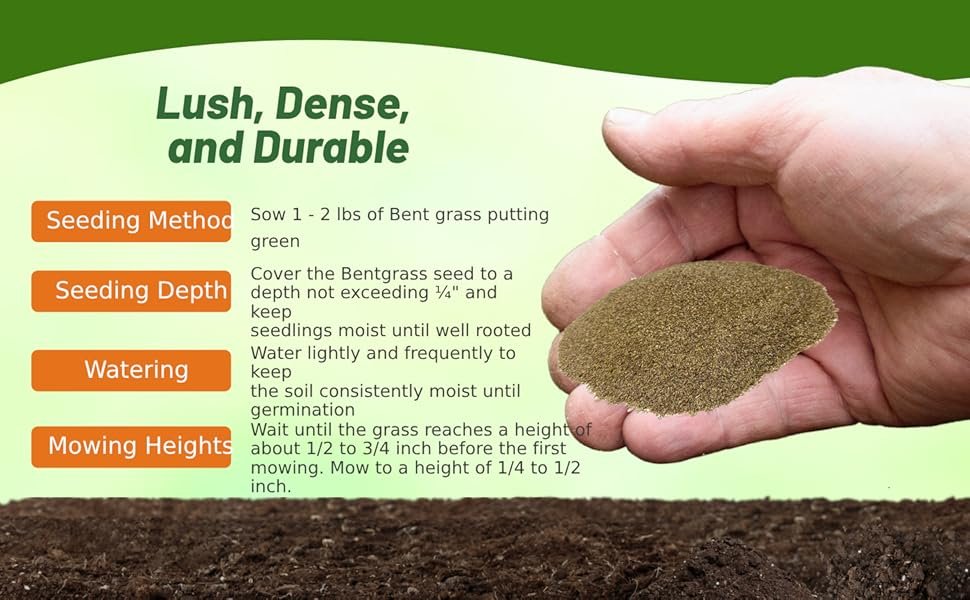
Cutting height should be kept low, usually between 0.125 to 0.25 inches. Mowing too high or too low can harm the grass and invite weeds.
Blade Sharpness and Maintenanceare very important. Sharp blades make a clean cut, reducing stress on the grass. Dull blades tear the grass, making it weak and brown.
Regularly check and sharpen mower blades. Also, clean mower parts to avoid spreading disease.
Common Mowing Mistakes
Cutting bentgrass too shortcan cause damage. It stresses the grass and makes it weak. This leads to browning and patchy spots. A good rule is to keep the grass length around 0.125 to 0.25 inches.
Inconsistent mowing patternsmake the lawn look uneven. Grass may grow at different rates and directions. It is best to mow in a regular patternto keep the lawn smooth and healthy.
Ignoring weather conditionscan harm bentgrass. Mowing wet grass can cause clumps and disease. Avoid mowing during hot or rainy days. Choose dry, cool times for the best results.

Credit: www.grassseedonline.co.uk
Enhancing Lawn Health Post-mowing
Watering bentgrass lawnsis best done early in the morning. This helps the grass absorb water without losing much to evaporation. Avoid watering late in the day to reduce disease risk. Keep the soil moist but not soggy to promote healthy roots.
Fertilization timingmatters a lot for bentgrass. Apply fertilizer in small amounts during the growing season. Too much fertilizer can harm the grass. Use a balanced fertilizer to keep nutrients steady and support steady growth.
| Aeration Benefits | Why It Helps |
|---|---|
| Improves soil air flow | Roots get more oxygen to grow strong |
| Reduces soil compaction | Water and nutrients reach roots easier |
| Enhances fertilizer absorption | Grass uses nutrients better |
| Promotes healthier grass | Lawn stays green and thick |

Credit: www.outsidepride.com
Frequently Asked Questions
How Often Should I Mow A Bentgrass Lawn?
Mow Bentgrass lawns every 3 to 5 days during peak growth. Frequent mowing keeps the grass healthy, dense, and free of thatch buildup.
What Is The Ideal Mowing Height For Bentgrass?
Maintain Bentgrass at 0. 125 to 0. 25 inches. This height promotes dense turf and reduces weed invasion while keeping the grass healthy.
Can Mowing Frequency Affect Bentgrass Health?
Yes, mowing too infrequently stresses Bentgrass. Frequent mowing prevents stress, promotes growth, and maintains a smooth, even turf surface.
Should I Adjust Mowing Frequency By Season?
Yes, mow Bentgrass less in cooler months. Growth slows in fall and winter, requiring less frequent mowing to avoid damage.
Conclusion
Mowing bentgrass lawns often keeps them healthy and neat. Aim to cut the grass once or twice a week during growth. Keep blades sharp and set mower height properly. Regular mowing prevents weeds and promotes thick grass. Watch the lawn closely for changes in growth speed.
Adjust mowing frequency depending on weather and season. A well-maintained bentgrass lawn looks green and feels soft. Small efforts make a big difference in lawn care. Stay consistent, and your grass will thank you.