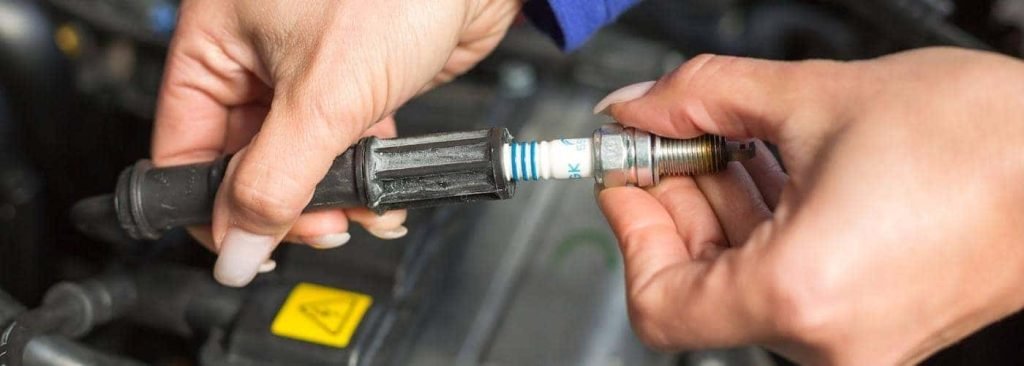
When was the last time you thought about your car’s spark plugs? If you’re like most drivers, it’s probably been a while.
Yet, these small components play a crucial role in keeping your engine running smoothly. Ignoring them could mean poor performance, reduced fuel efficiency, or even a breakdown. So, how often should you change your spark plugs to avoid these issues?
This question is more important than you might think. Get ready to discover the secrets behind spark plug maintenance that could save you time, money, and trouble on the road. Keep reading to ensure your car stays in peak condition and learn the signs that it’s time for a spark plug change. You won’t want to miss this essential guide that puts you in control of your vehicle’s health.
Spark Plug Basics
Spark plugs are small but vital parts of a car’s engine. They create the spark needed to ignite the fuel-air mix. This ignition powers the engine and keeps the car moving smoothly. Understanding spark plug basics helps with proper maintenance and improves engine life.
Role In Engine Performance
Spark plugs deliver electric sparks to ignite fuel in the engine’s cylinders. This process creates controlled explosions that generate power. Good spark plugs improve fuel efficiency and reduce emissions. Worn or dirty spark plugs can cause misfires and rough idling. They affect acceleration and overall engine smoothness. Regular checks keep the engine running at its best.
Types Of Spark Plugs
Spark plugs vary by material and design. Common types include:
- Copper:Affordable and good for older cars. They wear out faster.
- Platinum:Last longer than copper plugs. Better for fuel efficiency.
- Iridium:Most durable and high-performing. Used in newer cars.
Choosing the right spark plug depends on the car model and driving habits. Using the correct type helps maintain engine health and saves money over time.
Signs Of Worn Spark Plugs
Worn spark plugs can quietly sabotage your car’s performance. Before you know it, your engine’s smooth running starts to feel rough, and fuel costs creep up. Recognizing the signs of worn spark plugs early helps you avoid costly repairs and keeps your car running efficiently.
Engine Misfires
Have you noticed your engine suddenly jerking or hesitating while driving? This is often caused by spark plugs that are failing to ignite the fuel-air mixture consistently. A misfire not only affects performance but can also damage other engine components if left unchecked.
Sometimes, the check engine light might flicker on, signaling misfires. Don’t ignore this warning—worn spark plugs are a common culprit and easy to fix compared to other engine issues.
Poor Fuel Efficiency
Is your gas mileage dropping without any change in driving habits? Worn spark plugs can cause incomplete combustion, meaning your engine burns more fuel than necessary. This can translate to more frequent stops at the pump and increased expenses.
Improving your spark plugs can restore your car’s fuel efficiency and save you money over time. Are you tracking your mileage regularly to catch this early?
Difficulty Starting
Struggling to start your car, especially on cold mornings? Worn spark plugs can make it harder for your engine to fire up. This delay is a clear sign that your spark plugs need attention.
Don’t wait until your car won’t start at all. Testing your spark plugs is a simple step that can prevent frustrating mornings and unexpected breakdowns.
Recommended Replacement Intervals
Knowing the right time to change spark plugs helps keep your car running smoothly. Spark plugs wear down over time and lose efficiency. Changing them at the right interval saves fuel and avoids engine problems. The replacement schedule depends on several factors, including manufacturer advice and driving habits.
Manufacturer Guidelines
Car makers provide specific spark plug replacement intervals. These guidelines appear in the owner’s manual. Most standard spark plugs last about 30,000 to 50,000 miles. Iridium or platinum plugs can last up to 100,000 miles. Following the manual ensures optimal engine performance and avoids damage.
Impact Of Driving Conditions
Driving style affects how fast spark plugs wear out. Stop-and-go traffic, short trips, and heavy loads cause quicker wear. Dusty or humid environments also reduce spark plug life. Under these conditions, check or replace spark plugs more often. Regular checks help catch problems before they cause bigger issues.

Credit: www.acg.aaa.com
Factors Affecting Spark Plug Life
Spark plug life depends on several key factors. These affect how long spark plugs last before needing replacement. Understanding these can help maintain engine performance and save money.
Each factor influences wear and tear differently. Some cause faster deterioration, while others allow spark plugs to last longer.
Fuel Quality
Low-quality fuel can cause deposits on spark plugs. These deposits reduce spark efficiency and cause misfires. Using cleaner fuel helps spark plugs stay cleaner and last longer. Fuel with impurities may damage plugs sooner.
Driving Habits
Frequent short trips cause spark plugs to wear faster. Engines do not reach optimal temperature, increasing deposit buildup. Smooth driving at steady speeds reduces stress on spark plugs. Aggressive driving with quick acceleration wears plugs quicker.
Engine Type
Different engines use various spark plug types and designs. High-performance engines often require plugs that wear faster. Older engines may need more frequent spark plug changes. Engine design affects heat and pressure, influencing plug life.
How To Change Spark Plugs
Changing spark plugs is a simple task that helps keep your car running smoothly. Fresh spark plugs improve engine performance and fuel efficiency. You can save money by doing it yourself with basic tools and clear steps.
Tools Needed
- Spark plug socket
- Ratchet wrench
- Socket extension
- Torque wrench
- Gap gauge
- Dielectric grease
- Compressed air (optional)
- Gloves and safety glasses
Step-by-step Process
- Let the engine cool down completely.
- Open the car hood and locate the spark plugs.
- Use compressed air to remove dirt around plugs.
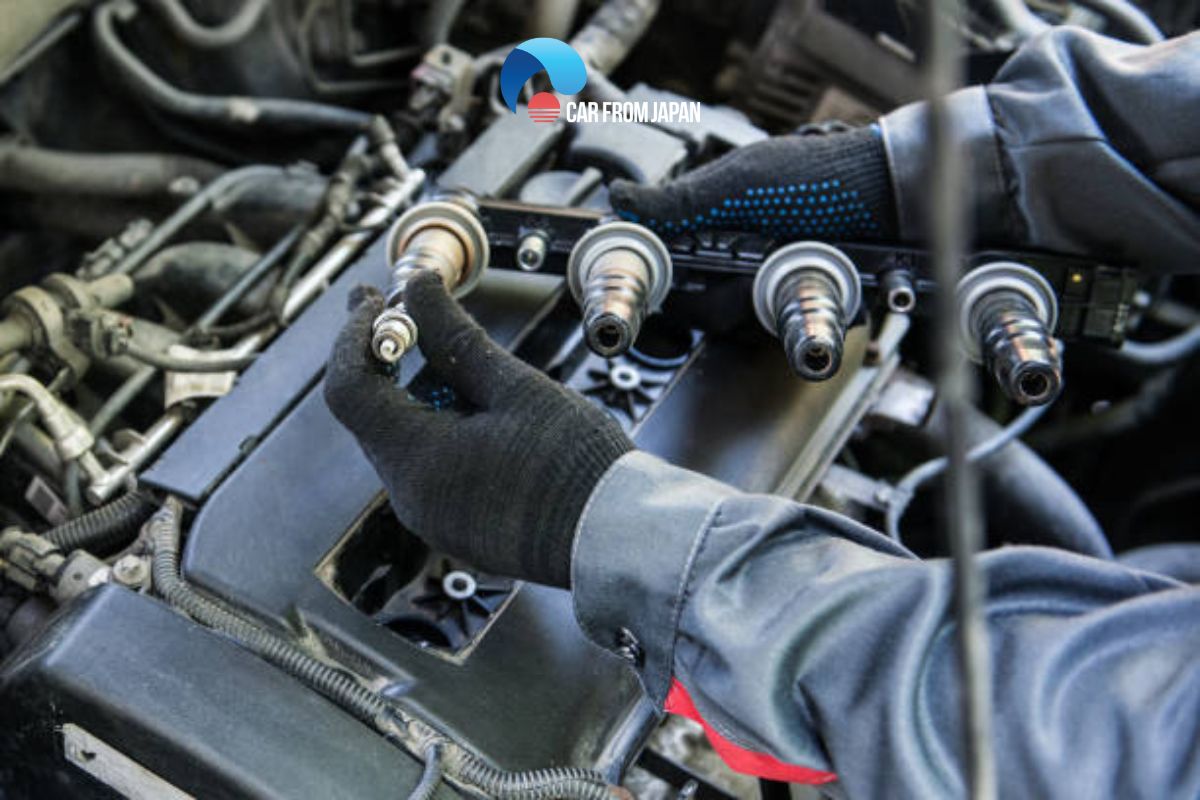
- Remove the spark plug wire or coil on top of the plug.
- Attach the spark plug socket to the ratchet and extension.
- Turn counterclockwise to loosen and remove the old plug.
- Check the gap on the new plug with a gap gauge.
- Apply a small amount of dielectric grease on the plug boot.
- Insert the new plug carefully and hand-tighten it.
- Use the torque wrench to tighten to the manufacturer’s specification.
- Reconnect the spark plug wire or coil.
- Repeat for each spark plug.
Safety Tips
- Always work on a cool engine to avoid burns.
- Wear gloves and safety glasses for protection.
- Keep tools organized to prevent losing small parts.
- Do not over-tighten spark plugs to avoid damage.
- Follow the vehicle’s manual for torque settings and plug type.
- Dispose of old spark plugs properly.
Credit: carfromjapan.com
Choosing The Right Spark Plugs
Choosing the right spark plugs is key to keeping your car running smoothly. The right spark plugs improve engine performance and fuel efficiency. They also help avoid frequent replacements and engine troubles. Picking the wrong type can cause misfires or poor fuel economy. Understanding spark plug materials and vehicle compatibility guides the best choice.
Material Options
Spark plugs come in different materials. Each offers unique benefits and lifespan.
- Copper:Good conductor, affordable, but wears out faster.
- Platinum:Longer-lasting, resists corrosion, better for newer cars.
- Iridium:Very durable, high performance, often found in modern vehicles.
Choose a material based on your car’s engine and driving style. Iridium suits high-performance engines. Copper fits older models and budget needs. Platinum offers a balance of durability and cost.
Compatibility With Vehicle
Not all spark plugs fit every car. Check your vehicle’s manual for recommended types and sizes. Using incompatible plugs can damage the engine or reduce efficiency.
Factors to consider:
- Thread size and reach
- Heat range suitable for engine temperature
- Electrode design matching ignition system
Proper fit ensures optimal spark and engine performance. Always use spark plugs designed for your vehicle model. This keeps your engine healthy and running well.
Maintaining Spark Plug Performance
Keeping your spark plugs in top shape is key to ensuring your car runs smoothly and efficiently. Spark plugs play a crucial role in igniting the fuel-air mixture in your engine, so their performance directly impacts your vehicle’s power and fuel economy. By maintaining spark plug performance, you avoid unexpected breakdowns and costly repairs.
Regular Inspections
Checking your spark plugs regularly can save you from bigger problems down the road. Look for signs like worn electrodes, carbon buildup, or cracks in the ceramic insulator. These issues can cause misfires or poor engine performance.
It’s a good idea to inspect spark plugs every 30,000 miles or during routine service appointments. You don’t need special tools—just a spark plug socket and a flashlight. Have you ever noticed your engine hesitating or struggling to start? That might be your car signaling a spark plug issue.
Cleaning Techniques
Sometimes, cleaning spark plugs can extend their life and improve engine performance. Use a wire brush or a specialized spark plug cleaner to remove carbon deposits gently. Avoid harsh scrubbing that can damage the electrode.
Another effective method is to soak the spark plugs in a cleaning solution designed for automotive parts. After soaking, rinse them with water and allow them to dry completely before reinstalling. Remember, cleaning isn’t a permanent fix—if the spark plug shows heavy wear or damage, replacement is the safer choice.

Credit: carfromjapan.com
Frequently Asked Questions
How Often Should I Change Spark Plugs In My Car?
Generally, change spark plugs every 30,000 to 100,000 miles. Check your car’s manual for exact intervals.
What Happens If Spark Plugs Are Not Changed Timely?
Worn plugs cause poor fuel efficiency, engine misfires, and rough idling. Timely changes prevent these issues.
Can Old Spark Plugs Damage The Engine?
Yes, old plugs can cause incomplete combustion, harming engine performance and increasing emissions.
How Do I Know When Spark Plugs Need Replacement?
Look for engine misfires, poor acceleration, rough idling, or decreased fuel economy as signs.
Conclusion
Changing spark plugs regularly keeps your car running smoothly. Check your vehicle’s manual for the right time. Worn spark plugs can cause poor fuel economy and engine problems. Don’t wait for signs like rough idling or hard starts. A simple spark plug change saves money on repairs later.
Keep your engine healthy with timely maintenance. Small steps like this make a big difference. Drive safer and enjoy better performance every day.





