Are you wondering how often to change spark plugs in your car? Knowing the right time to replace them can save you from unexpected breakdowns and costly repairs.
Spark plugs play a crucial role in your engine’s performance, fuel efficiency, and overall driving experience. If they’re worn out, your car might struggle to start, lose power, or even waste gas. Keep reading to discover the simple signs that tell you it’s time for a change and how sticking to the right schedule can keep your vehicle running smoothly for miles to come.
Spark Plug Basics
Understanding spark plugs is key to maintaining your vehicle’s engine health. These small components play a big role in how your engine runs, affecting everything from fuel efficiency to smooth acceleration. Knowing the basics helps you decide when it’s time to replace them.
Role In Engine Performance
Spark plugs create the tiny electric spark that ignites the air-fuel mixture inside your engine’s cylinders. This ignition powers the engine and keeps your car moving.
If a spark plug is dirty or worn out, it can cause misfires, rough idling, and lower fuel efficiency. You might notice your engine hesitating or struggling to start—these are common signs that your spark plugs aren’t doing their job well.
Have you ever experienced a sudden drop in power while driving? That’s often linked to spark plug issues, highlighting their importance in maintaining consistent engine performance.
Types Of Spark Plugs
Not all spark plugs are the same. Different types suit different engines and driving conditions. Here are the main types you’ll encounter:
- Copper Spark Plugs:Great for older cars, copper plugs conduct electricity well but wear out faster.
- Platinum Spark Plugs:More durable than copper, they offer better longevity and performance.
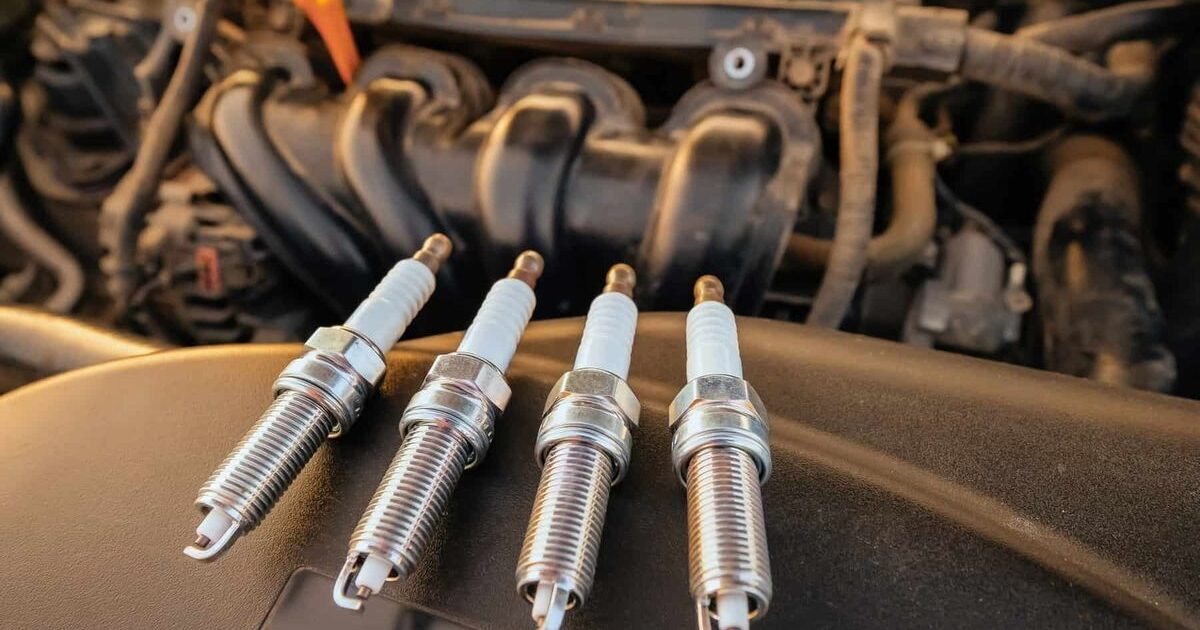
- Iridium Spark Plugs:Known for their durability and efficiency, iridium plugs last the longest and provide reliable ignition.
Choosing the right type depends on your vehicle’s make and how you drive. Have you checked your owner’s manual to see which spark plugs are recommended for your car?
Credit: www.slashgear.com
Signs Of Worn Spark Plugs
Worn spark plugs affect your car’s engine and overall performance. They cause problems that can be noticeable while driving. Recognizing these signs helps you know when to replace them. Keep your engine running smoothly by spotting issues early.
Engine Misfires
Engine misfires happen when the spark plug fails to ignite the fuel properly. This causes your engine to jerk or hesitate. You may feel a sudden loss of power during acceleration. Misfires can damage other engine parts if ignored.
Poor Fuel Economy
Worn spark plugs cause incomplete fuel combustion. Your car uses more fuel than usual. This lowers miles per gallon and increases fuel costs. If your fuel economy drops suddenly, check the spark plugs.
Difficulty Starting
Old spark plugs make it hard to start your engine. Your car may crank longer or not start at all. This happens because the spark is weak or inconsistent. Replacing spark plugs can solve starting problems fast.
Manufacturer Recommendations
Manufacturer recommendations are your best guide for knowing when to change spark plugs. These guidelines are based on extensive testing and are designed to keep your engine running smoothly. Ignoring them can lead to poor performance and even damage over time.
Mileage Intervals
Most manufacturers suggest changing spark plugs based on mileage. Common intervals range from 30,000 to 100,000 miles, depending on the type of spark plug and vehicle. For instance, copper spark plugs usually need replacement around 30,000 miles, while platinum or iridium plugs can last up to 100,000 miles.
Check your vehicle’s owner manual to find the exact mileage interval recommended for your model. Sticking to these intervals helps maintain fuel efficiency and prevents misfires. Have you ever noticed rough idling or decreased acceleration? It might be a sign your plugs are overdue for a change.
Time-based Replacement
Besides mileage, manufacturers also recommend replacing spark plugs based on time. Even if you haven’t hit the mileage limit, plugs can degrade due to heat and corrosion over time. A typical time-based replacement interval is around 3 to 5 years.
If your car sits unused for long periods, consider changing the plugs sooner. Time can affect spark plug performance just as much as mileage does. Do you track how long it’s been since your last spark plug change, or do you focus only on miles driven?
Factors Affecting Replacement Frequency
Knowing how often to change your spark plugs isn’t just about following a set schedule. Several factors can speed up or slow down the wear on these vital engine parts. Understanding what affects spark plug life helps you avoid engine trouble and saves you money in the long run.
Driving Conditions
Your daily driving habits play a big role in spark plug wear. Frequent stop-and-go traffic, short trips, or heavy towing can cause spark plugs to wear out faster. If you mostly drive on highways with steady speeds, your spark plugs might last longer.
Think about how often you find yourself idling or stuck in traffic jams. These conditions can lead to carbon buildup on the plugs, reducing their efficiency. Are your daily routes putting extra strain on your engine?
Engine Type
Not all engines treat spark plugs the same way. High-performance engines often demand spark plugs that can handle higher temperatures and pressures. These engines may require more frequent replacements to maintain optimal performance.
On the other hand, modern engines with advanced ignition systems and better fuel efficiency can extend spark plug life. Knowing your engine’s specifications can help you choose the right spark plug and replacement interval.
Fuel Quality
The quality of fuel you use impacts how long your spark plugs last. Low-quality or contaminated fuel can cause deposits to build up on the spark plugs, leading to misfires and poor engine performance. Using cleaner, higher-grade fuel helps keep spark plugs cleaner for longer.
Have you noticed rough idling or decreased fuel efficiency? These signs might point to fuel-related spark plug issues. Paying attention to the fuel you put in your tank can make a big difference in spark plug lifespan.
Diy Spark Plug Inspection
Performing a DIY spark plug inspection can save you time and money while giving you a clearer idea about the health of your engine. Checking your spark plugs yourself helps catch small issues before they become costly repairs. Plus, it’s a satisfying way to connect with your vehicle’s maintenance.
Tools Needed
Before you start, gather a few basic tools to make the process smooth and safe. You’ll need:
- Spark plug socket:A special socket with rubber inside to grip the plug.
- Ratchet wrench:To loosen and tighten the plugs.
- Extension bar:Helpful if plugs are deep inside the engine.
- Gap gauge:To measure the spark plug gap if you plan to adjust or replace them.
- Gloves:To protect your hands from dirt and heat.
- Flashlight:To see clearly in tight spaces.
Having these tools ready will speed up your inspection and prevent frustration.
Checking Spark Plug Condition
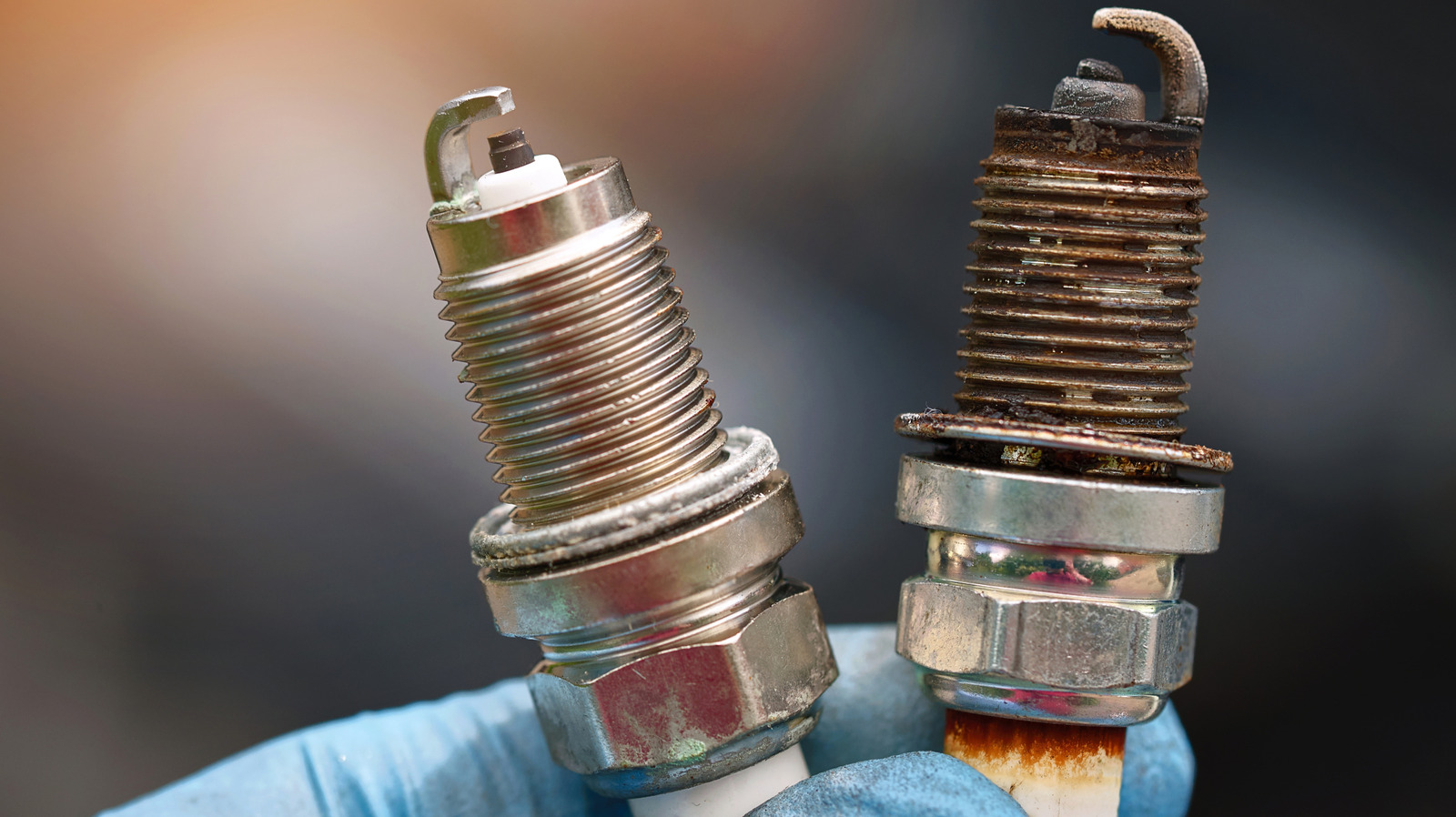
Once you remove a spark plug, examine it carefully. Look at the tip for signs of wear or damage. A healthy spark plug will have a light tan or grayish color.
Watch out for these common issues:
- Black, sooty deposits:This means the engine is running rich or burning oil.
- Oily residue:Could indicate oil leakage in the combustion chamber.
- Burned or melted electrodes:Signals overheating or incorrect spark plug heat range.
- Worn electrodes:Reduce spark efficiency and need replacement.
Have you noticed any of these signs on your spark plugs before? Catching them early can prevent misfires and poor fuel economy. If the plug looks questionable, consider replacing it or consulting a mechanic.
Replacing Spark Plugs
Replacing spark plugs is a key part of car maintenance that keeps your engine running smoothly and efficiently. Over time, spark plugs wear out and can cause misfires, poor fuel economy, or rough starts. Knowing how to replace them yourself can save you time and money, and give you confidence in your vehicle’s performance.
Step-by-step Process
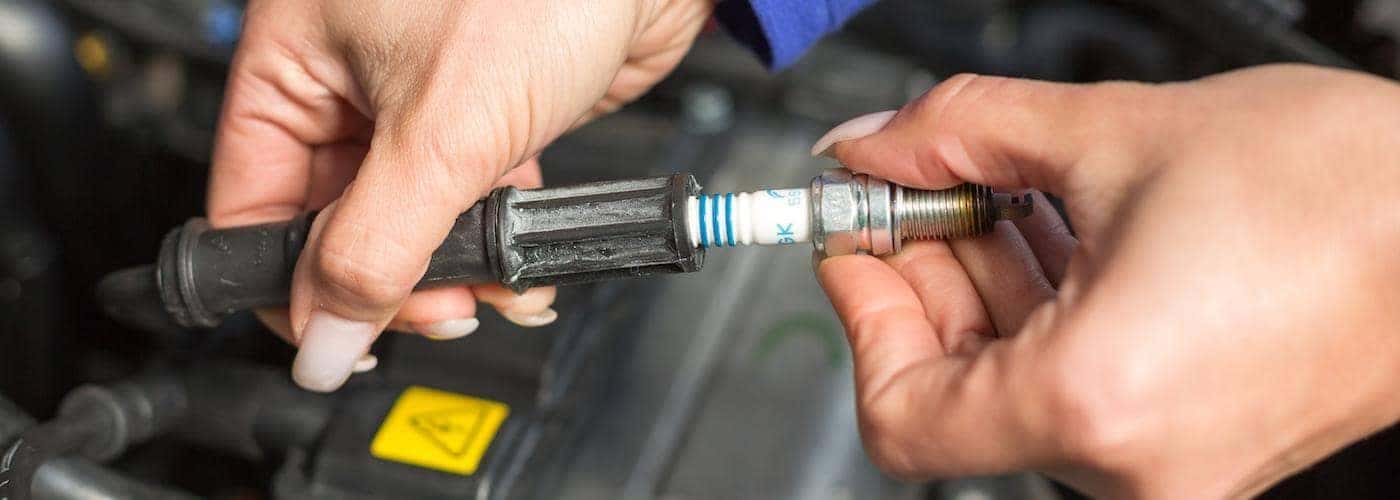
Start by letting your engine cool completely to avoid burns. Locate the spark plugs by following the ignition wires or coil packs on your engine. Carefully remove the ignition wires or coil packs, making sure not to damage them.
Use a spark plug socket and ratchet to unscrew the old spark plugs. Turn counterclockwise until the plug is free. Compare the old plugs with the new ones to ensure they match in size and type.
Before installing new spark plugs, check the gap with a feeler gauge and adjust if necessary according to your vehicle’s specifications. Screw in the new plugs by hand to avoid cross-threading, then tighten them using the ratchet.
Reattach the ignition wires or coil packs securely. Start your engine to check for smooth operation and listen for any unusual sounds. Have you ever noticed how much smoother your car runs right after changing spark plugs?
Torque Specifications
Applying the correct torque when tightening spark plugs is crucial. Too tight can damage the threads or break the plug, while too loose can cause poor performance or damage the engine.
| Vehicle Type | Torque Range (ft-lbs) | Torque Range (Nm) |
|---|---|---|
| Passenger Cars | 13 – 20 | 18 – 27 |
| Trucks/SUVs | 18 – 25 | 24 – 34 |
| Motorcycles | 10 – 15 | 14 – 20 |
Always consult your owner’s manual for exact torque specs. If you don’t have a torque wrench, tightening snugly and then a quarter turn extra is a common rule—but this can vary. How confident are you in applying the right torque without proper tools?
Benefits Of Timely Replacement
Replacing spark plugs on time keeps your car running well. It prevents engine problems and saves money on repairs. Timely replacement also helps your vehicle use fuel better. A smooth-running engine means less noise and fewer issues. These benefits make maintenance simple and effective.
Improved Fuel Efficiency
Old spark plugs can cause incomplete fuel burning. This wastes fuel and lowers mileage. New spark plugs ignite fuel better. This leads to more power from less fuel. Cars with fresh spark plugs need fewer stops at the gas station.
Smoother Engine Performance
Worn spark plugs cause engine misfires and rough idling. New plugs create a steady spark for smooth running. This reduces engine noise and vibrations. Your car will start easier and run more reliably. Driving feels more comfortable and controlled.
Common Mistakes To Avoid
Avoiding common mistakes when changing spark plugs can save you time and money. Many people think it’s a simple task, but small errors can cause bigger problems later. Knowing what not to do helps keep your engine running smoothly and your efforts effective.
Over-tightening
It’s tempting to tighten spark plugs as much as possible to make sure they stay put. However, over-tightening can damage the threads in the cylinder head or even break the spark plug itself. This can lead to costly repairs or poor engine performance.
Use a torque wrench to tighten spark plugs to the manufacturer’s recommended specification. If you don’t have one, hand-tighten the plug first, then give it a gentle turn with a wrench—usually about a quarter to half turn more. Have you ever felt your wrench suddenly give way? That’s often a sign of over-tightening.
Using Incorrect Spark Plugs
Not all spark plugs are created equal. Using the wrong type or heat range can cause misfires, poor fuel economy, and even damage your engine. It’s important to check your vehicle’s manual or consult a trusted mechanic to find the exact spark plug model your car needs.
Imagine installing plugs that are too hot or too cold for your engine. This mismatch can cause overheating or fouling, respectively. Always double-check the part number and specifications before purchasing and installing spark plugs.
When To Consult A Professional
Knowing when to seek help from a professional mechanic can save your engine from damage. Spark plugs are small but vital parts of your vehicle’s engine. Sometimes, signs of wear or damage are clear. Other times, problems are subtle and need expert eyes.
Trusting a professional ensures the right diagnosis and repair. They have the tools and experience to check spark plugs properly. This helps avoid costly mistakes and keeps your car running smoothly.
Signs That Indicate Professional Help
- Engine misfires or runs rough
- Difficulty starting the vehicle
- Reduced fuel efficiency
- Unusual noises from the engine
- Check engine light stays on
Complex Spark Plug Issues
Some spark plug problems need expert handling. For example, damaged threads in the cylinder head or stuck plugs. Improper removal can cause expensive repairs. Professionals have the right tools for safe replacement.
Regular Maintenance And Inspection
Even without symptoms, a professional inspection can help. They can spot early wear and prevent bigger problems. Scheduling routine checks keeps your engine in top shape.
Credit: www.terrylabontechevy.com
Credit: www.westsideauto.com.au
Frequently Asked Questions
How Often Should Spark Plugs Be Replaced?
Spark plugs typically need replacement every 30,000 to 100,000 miles. Check your vehicle’s manual for exact intervals. Regular replacement ensures optimal engine performance and fuel efficiency.
What Signs Indicate Spark Plug Wear?
Common signs include engine misfires, poor fuel economy, rough idling, and difficulty starting. If you notice these, inspect or replace spark plugs promptly to avoid further engine issues.
Can Old Spark Plugs Damage My Engine?
Yes, worn spark plugs can cause misfires and incomplete combustion. This leads to engine damage, reduced power, and increased emissions. Timely replacement prevents costly repairs.
Are All Spark Plugs The Same For Every Vehicle?
No, spark plugs vary by engine type and manufacturer. Always use spark plugs recommended in your vehicle’s manual for best performance and compatibility.
Conclusion
Changing spark plugs is crucial for a smooth-running engine. Regular checks keep your car efficient. Ignoring them leads to problems. Follow your vehicle’s manual for guidance. Most spark plugs last 30,000 miles. But, it varies. Check for signs like poor acceleration or rough idling.
These indicate replacement time. Clean spark plugs mean better performance. Save money on repairs. Enjoy a reliable drive every time. Remember, maintenance is key. Keep your engine healthy and happy. Don’t wait for issues to arise. Regularly inspect and replace when needed.
Your car will thank you.