How often should you change your spark plugs? It’s a simple question, but the answer can make a big difference in your car’s performance and fuel efficiency.
If you want your engine to run smoothly and avoid costly repairs, knowing when to replace your spark plugs is key. You’ll discover the signs that tell you it’s time for new spark plugs and the best intervals to keep your vehicle in top shape.
Keep reading to make sure your car gets the care it needs—before small problems turn into big headaches.

Credit: www.slashgear.com
Signs Of Worn Spark Plugs
Worn spark plugs affect your car’s performance and fuel efficiency. They cause noticeable problems that signal the need for replacement. Knowing these signs helps prevent bigger engine issues.
Engine Misfires
Worn spark plugs often cause engine misfires. The engine may hesitate or jerk during acceleration. This happens because the spark plug cannot ignite the fuel properly. Frequent misfires can damage the engine over time.
Poor Fuel Economy
Old spark plugs reduce fuel efficiency. They cause incomplete combustion, wasting fuel. You might notice more visits to the gas station. Replacing spark plugs can restore normal fuel consumption.
Difficulty Starting
Starting the car becomes harder with worn spark plugs. The engine struggles to ignite the fuel-air mix. This can lead to longer cranking times or failure to start. Fresh spark plugs ensure quick, smooth starts.
Rough Idling
A rough or uneven idle signals spark plug wear. The engine may shake or sound uneven at rest. This happens because the spark plugs fire inconsistently. New spark plugs help the engine run smoothly at idle.

Credit: www.acg.aaa.com
Recommended Replacement Intervals
Knowing when to replace your spark plugs can save you money and keep your engine running smoothly. The recommended replacement intervals vary widely depending on factors like the type of spark plug and your driving habits. Understanding these intervals helps you avoid unexpected breakdowns and maintain peak vehicle performance.
Manufacturer Guidelines
Every car manufacturer sets specific replacement intervals for spark plugs based on the engine’s design. These guidelines are usually found in your vehicle’s owner manual or maintenance schedule. Following them ensures you don’t replace spark plugs too early or wait too long, which could damage your engine.
For example, some manufacturers suggest changing spark plugs every 30,000 miles, while others recommend intervals up to 100,000 miles. Checking these recommendations is a simple first step in maintaining your car’s health.
Conventional Vs. Long-life Spark Plugs
Not all spark plugs wear out at the same rate. Conventional copper spark plugs typically need replacement every 20,000 to 30,000 miles. On the other hand, long-life plugs, such as iridium or platinum types, can last between 60,000 and 100,000 miles.
Choosing the right type depends on your budget and how often you want to perform maintenance. Have you noticed your car’s performance dipping before the recommended interval? It might be time to reassess the type of spark plugs you’re using.
Impact Of Driving Conditions
Your driving habits dramatically influence how quickly spark plugs wear out. Frequent short trips, stop-and-go traffic, or driving in dusty or harsh environments can shorten the lifespan of your plugs. These conditions make the plugs work harder, leading to faster degradation.
If you mostly drive in city traffic, you might need to replace spark plugs more often than the standard interval suggests. Are you paying attention to how your driving style affects your car’s maintenance needs?
Types Of Spark Plugs
Choosing the right type of spark plug can make a noticeable difference in your vehicle’s performance and maintenance schedule. Different spark plugs offer varying durability, efficiency, and cost, so understanding their characteristics helps you decide which suits your engine best. Let’s break down the common types of spark plugs to help you make an informed choice.
Copper Spark Plugs
Copper spark plugs have a solid copper core, which offers excellent conductivity. They provide a strong spark and are usually the most affordable option available. However, copper plugs wear out faster than other types, so you may need to replace them more often—typically every 20,000 to 30,000 miles.
If you drive an older car or a vehicle that isn’t high-performance, copper plugs can be a practical choice. Have you noticed your engine running rough or stalling? It might be time to check if your copper plugs need changing.
Platinum Spark Plugs
Platinum spark plugs feature a platinum disc welded to the center electrode, which extends their lifespan. They last longer than copper plugs, often up to 60,000 miles, and maintain consistent performance over time. Platinum plugs also resist corrosion better, making them a popular choice for modern vehicles.
Although they cost more upfront, platinum plugs can save you money in the long run by reducing how often you replace them. If you want a balance between cost and longevity, platinum plugs might be the right fit for your car.
Iridium Spark Plugs
Iridium spark plugs use an even harder and more durable metal than platinum, which makes them last the longest—up to 100,000 miles or more. They create a very fine electrode tip, which improves ignition efficiency and fuel economy. Iridium plugs often come with a higher price tag but deliver excellent performance for high-tech or high-performance engines.
Do you want the best spark plug that requires the least maintenance? Iridium plugs could be your answer. Their durability and efficiency often justify the extra cost, especially if you drive frequently or have a modern car.
Steps To Change Spark Plugs
Changing spark plugs is a straightforward task that can boost your vehicle’s performance and fuel efficiency. Knowing the right steps helps you avoid common mistakes that could damage your engine. Let’s break down the process so you can confidently handle this maintenance on your own.
Tools Needed
Before you start, gather the right tools to make the job easier and safer. You’ll need:
- A spark plug socket and ratchet
- A spark plug gap tool or feeler gauge
- A torque wrench to tighten plugs correctly
- Dielectric grease to protect connections
- A spark plug boot puller (optional but helpful)
Having these ready saves time and prevents frustration. Do you have your tools organized before digging in?
Removing Old Spark Plugs
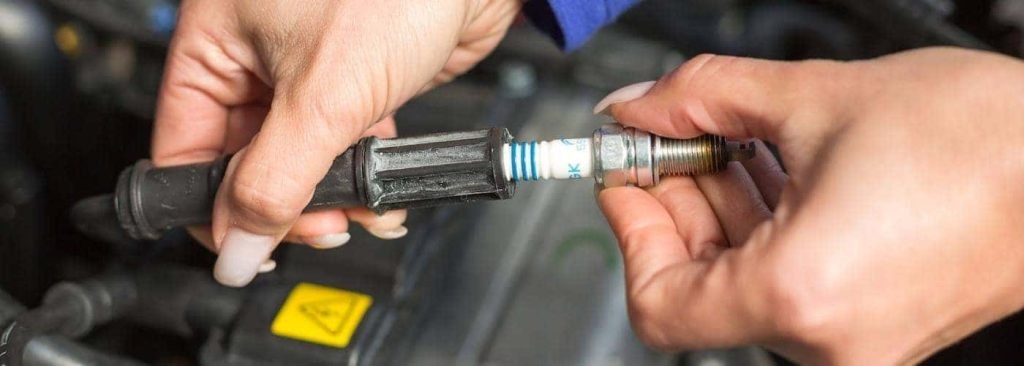
Start by letting your engine cool down completely to avoid burns. Then, carefully remove the spark plug wire or coil pack by pulling on the boot, not the wire, to prevent damage.
Use the spark plug socket attached to a ratchet to loosen the old spark plugs. Turn counterclockwise gently; if a plug feels stuck, try applying a small amount of penetrating oil and wait a few minutes before trying again.
Take note of each plug’s condition—you might spot signs of engine trouble like oil fouling or carbon buildup.
Installing New Spark Plugs
Start threading the new spark plug by hand to avoid cross-threading, which can damage the cylinder head. Once hand-tight, use a torque wrench to tighten it to the manufacturer’s specifications.
Apply a small amount of dielectric grease inside the spark plug boot to ensure a good electrical connection and prevent moisture buildup. Reattach the spark plug wire or coil pack firmly but carefully.
Double-check that all plugs are snug but not over-tightened. Have you ever over-tightened a spark plug? It’s a common mistake that can cause costly damage.
Checking Spark Plug Gap
The gap between the electrodes is critical for proper ignition. Use a spark plug gap tool or feeler gauge to measure it precisely.
Compare the measurement with your vehicle’s manual specifications. If the gap is too wide or narrow, gently adjust it by bending the ground electrode carefully.
Never skip this step—even brand-new plugs can come with incorrect gaps. How often do you check your spark plug gap?
Effects Of Neglecting Spark Plug Maintenance
Ignoring spark plug maintenance can lead to several hidden problems that slowly degrade your vehicle’s performance. You might not notice the issues immediately, but over time, the effects become clear—and costly. Understanding these consequences helps you decide when to check and replace your spark plugs before small issues turn into big repairs.
Engine Performance Issues
Worn or dirty spark plugs cause your engine to misfire or run roughly. You may feel a drop in acceleration or notice your car hesitating when you press the gas pedal. This happens because the spark plugs can’t ignite the fuel-air mix properly, leading to inefficient combustion.
Have you ever experienced your car stalling unexpectedly? That could be a sign your spark plugs need attention. Keeping them in good shape ensures your engine runs smoothly and reliably every time you drive.
Increased Emissions
Faulty spark plugs affect how completely your fuel burns, which increases harmful emissions. This not only harms the environment but can also cause your vehicle to fail emission tests. If you care about reducing your carbon footprint, maintaining spark plugs is a simple yet effective step.
Think about how much pollution your car produces when it’s not running efficiently. Regular spark plug checks can keep emissions low and help you avoid fines or expensive repairs related to emission control systems.
Potential Engine Damage
Neglecting spark plugs may cause serious engine damage over time. When misfires happen frequently, unburned fuel can damage the catalytic converter, a costly part to replace. Also, the engine can overheat or suffer from increased wear, leading to expensive repairs.
Consider the cost difference between replacing spark plugs and fixing engine damage caused by ignoring them. Timely maintenance protects your engine and saves you money in the long run.
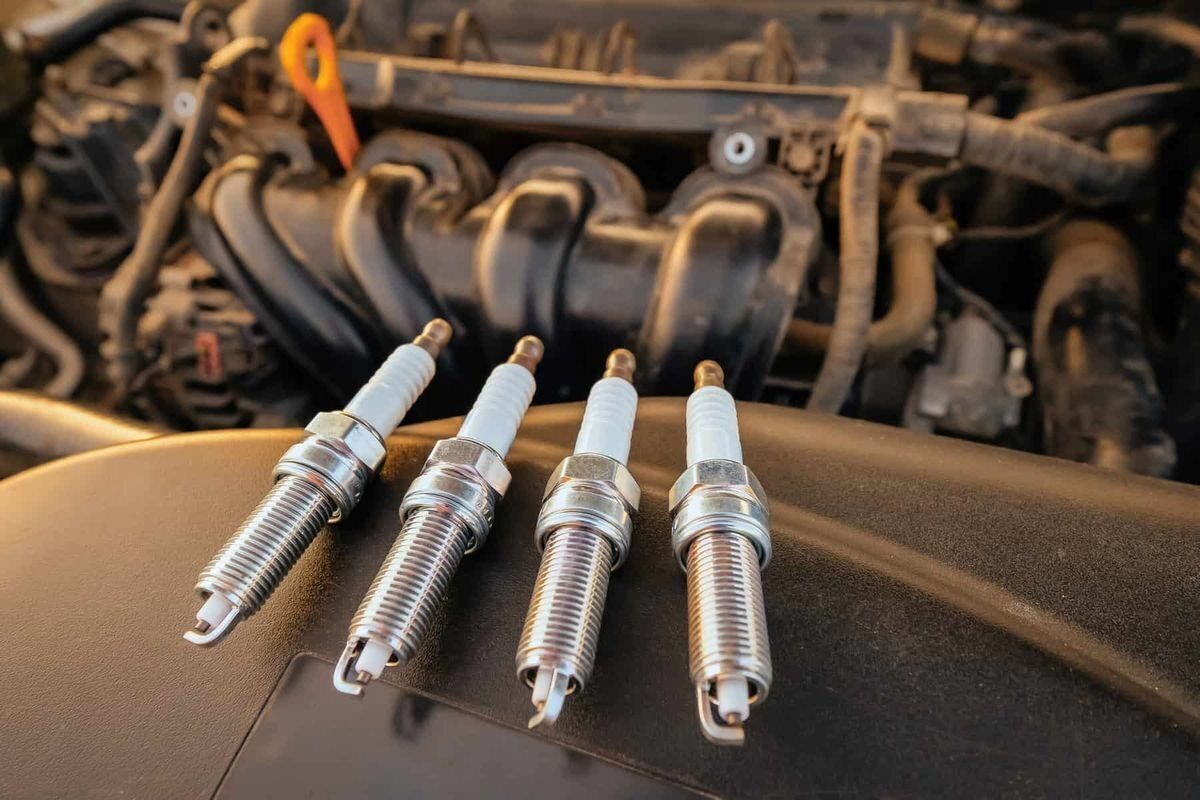
Credit: www.westsideauto.com.au
Tips For Extending Spark Plug Life
Extending the life of spark plugs helps your engine run smoothly and saves money. Simple habits and care can keep spark plugs working longer. Follow these tips to protect your spark plugs and improve your vehicle’s performance.
Regular Engine Tune-ups
Regular engine tune-ups keep spark plugs clean and efficient. During tune-ups, mechanics check and replace worn spark plugs. Tune-ups also fix issues that cause spark plugs to wear out faster. Schedule tune-ups as recommended in your vehicle manual.
Using Quality Fuel
Quality fuel burns cleaner and reduces spark plug deposits. Lower-quality fuel can cause buildup that damages plugs. Choose fuel from trusted stations to protect your engine. Cleaner fuel means less carbon and longer spark plug life.
Avoiding Short Trips
Short trips do not let the engine reach full temperature. This causes moisture and fuel residue to build on spark plugs. Longer drives help burn off these deposits. Try to combine errands for fewer short trips and better spark plug health.
Frequently Asked Questions
How Often Should Spark Plugs Be Replaced?
Spark plugs typically need replacement every 30,000 to 100,000 miles. Check your vehicle’s manual for specific intervals. Regular replacement ensures optimal engine performance and fuel efficiency.
What Are Signs Of Worn Spark Plugs?
Common signs include engine misfires, poor fuel economy, rough idling, and difficulty starting. If you notice these, inspect or replace spark plugs promptly.
Can Old Spark Plugs Damage My Engine?
Yes, worn spark plugs can cause engine misfires and reduce fuel efficiency. They may also lead to increased emissions and potential engine damage over time.
How Do Driving Habits Affect Spark Plug Life?
Frequent short trips and stop-and-go driving can wear out spark plugs faster. Highway driving generally extends spark plug lifespan due to consistent engine operation.
Conclusion
Regular maintenance ensures spark plugs perform at their best. Checking them often prevents engine troubles. Keep an eye on mileage and engine behavior. Replace spark plugs as needed to maintain car health. A simple routine check can save you money.
Better performance and fuel efficiency await with fresh spark plugs. Following these steps ensures a smooth ride. Don’t wait for issues to arise. Stay proactive with your vehicle’s needs. Your car will thank you with reliable service. Happy driving!