Are you wondering how often you should change your spark plugs? You’re not alone.
Many drivers overlook this small but crucial part of vehicle maintenance. Ignoring your spark plugs can lead to bigger issues, like poor fuel efficiency or engine misfires, costing you time and money. But here’s the good news: understanding when to replace them can keep your car running smoothly and save you from unexpected headaches.
Curious to know how often you should swap them out? Keep reading, because knowing this could be the key to a longer-lasting engine and a happier wallet.
Credit: www.terrylabontechevy.com
Spark Plug Basics
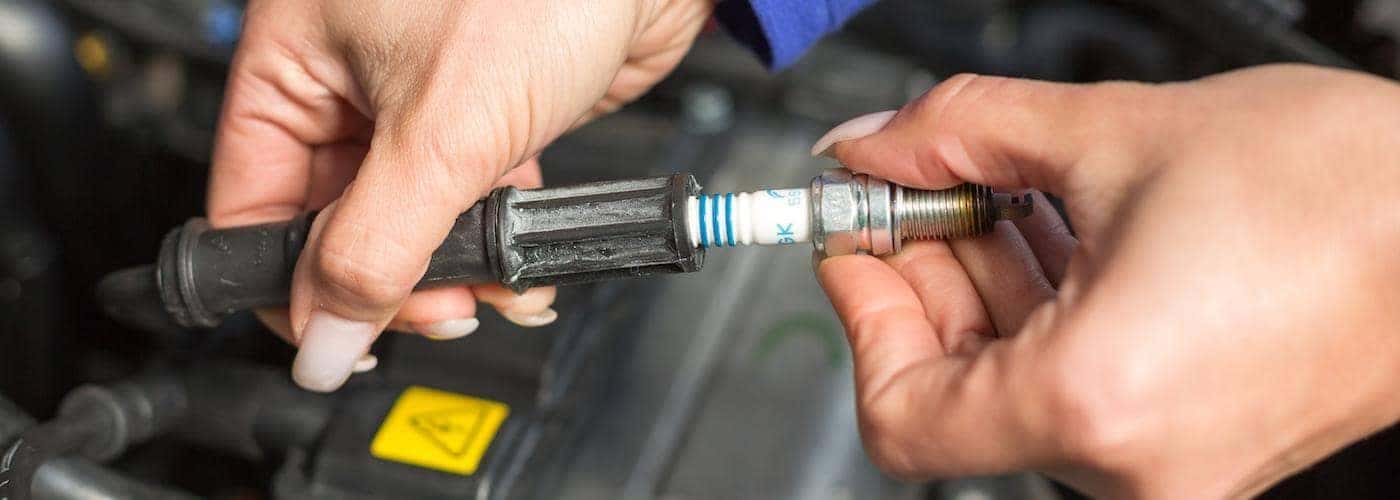
Spark plugs are small but vital parts of your car’s engine. They create the spark that ignites the fuel-air mix. This ignition powers your engine and keeps your car moving smoothly.
Understanding spark plugs helps you know why they need changing. They wear out over time and affect engine performance. Knowing their role and types helps you maintain your vehicle better.
Role In Engine Performance
Spark plugs start the engine by igniting fuel inside the cylinders. A strong spark ensures complete fuel burning. This leads to better power and fuel efficiency.
Worn spark plugs cause misfires and rough idling. They increase fuel consumption and emissions. Good spark plugs keep your engine running clean and smooth.
Types Of Spark Plugs
Spark plugs come in various types, each with unique features. The main types include:
- Copper: Basic type, good conductor but wears fast.
- Platinum: Longer-lasting and better performance than copper.
- Iridium: Most durable and provides strong sparks.
Choosing the right type depends on your car and driving habits. Using the right spark plug improves engine life and performance.
Signs Of Worn Spark Plugs
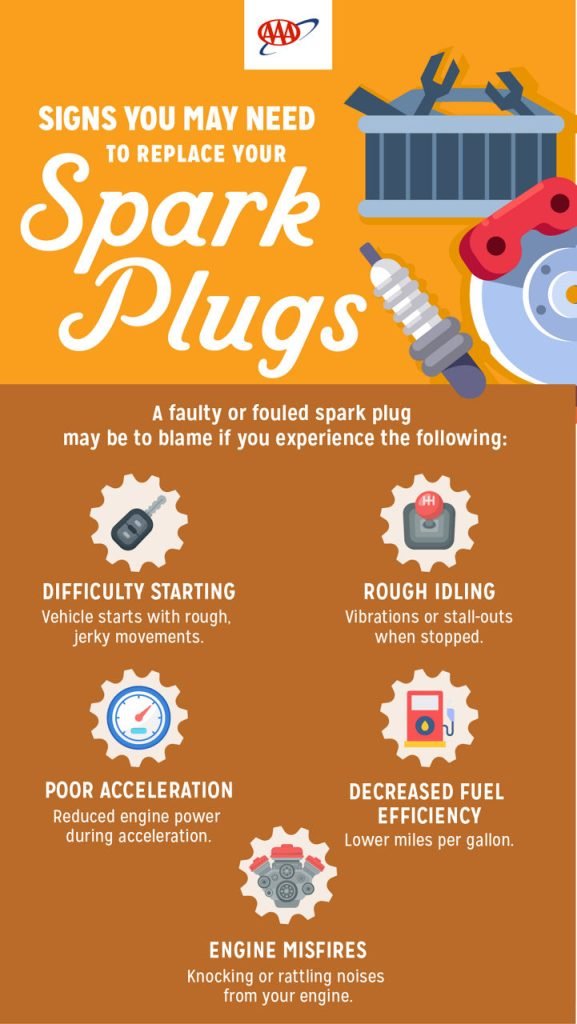
Worn spark plugs can cause various problems in your vehicle. These issues often signal the need for a spark plug change. Recognizing the signs early helps maintain engine health and performance.
Engine Misfires
Engine misfires happen when spark plugs fail to ignite the fuel properly. This leads to rough engine running and sudden jerks. Misfires can damage other parts if ignored for long.
Poor Fuel Economy
Worn spark plugs reduce fuel efficiency by burning more fuel than necessary. Your car may need more frequent refueling. This wastes money and increases emissions.
Difficulty Starting
Old spark plugs can cause hard starts or failure to start at all. The engine struggles to get the spark needed for ignition. This is a common sign that plugs need replacement.
Manufacturer Recommendations
Car manufacturers provide clear guidelines on when to change spark plugs. These recommendations help keep your engine running smoothly. Following them can prevent engine problems and improve fuel efficiency. Always check your vehicle’s owner manual for exact details.
Mileage Intervals
Most manufacturers suggest changing spark plugs based on mileage. Common intervals range from 30,000 to 100,000 miles. The type of spark plug affects this interval:
- Copper spark plugs often need replacement every 20,000 to 30,000 miles.
- Platinum and iridium spark plugs last longer, around 60,000 to 100,000 miles.
Check your manual to find the recommended mileage for your car model. Sticking to these intervals avoids poor engine performance and rough idling.
Time Intervals
Manufacturers also advise replacing spark plugs based on time, not just mileage. Even if you drive less, old spark plugs can wear out over time. A common time interval is about 2 to 4 years.
Time-based replacement helps prevent corrosion and buildup that affect spark plug efficiency. Regular checks ensure your engine stays healthy, especially for vehicles used infrequently.
Credit: www.slashgear.com
Factors Influencing Replacement Frequency
The frequency of changing spark plugs depends on several important factors. These factors affect how quickly spark plugs wear out. Understanding them helps keep your car running smoothly and saves money on repairs.
Different conditions and vehicle types require different maintenance schedules. The type of spark plug material also influences how long the plugs last. Knowing these details guides you in deciding when to replace spark plugs.
Driving Conditions
Harsh driving conditions cause spark plugs to wear faster. Short trips prevent spark plugs from reaching full temperature. This leads to carbon buildup and fouling. Frequent stop-and-go traffic increases engine stress. High speeds and heavy loads also impact spark plug life. Dusty or dirty environments add extra strain. Spark plugs in these conditions need more frequent checks and replacements.
Vehicle Type
Different vehicles have unique engine designs and needs. Older cars often require spark plug changes more often. Modern engines with advanced technology use plugs that last longer. Performance vehicles generate more heat, wearing plugs faster. Diesel engines do not use spark plugs but glow plugs instead. Knowing your vehicle type helps choose the right spark plug and replacement schedule.
Spark Plug Material
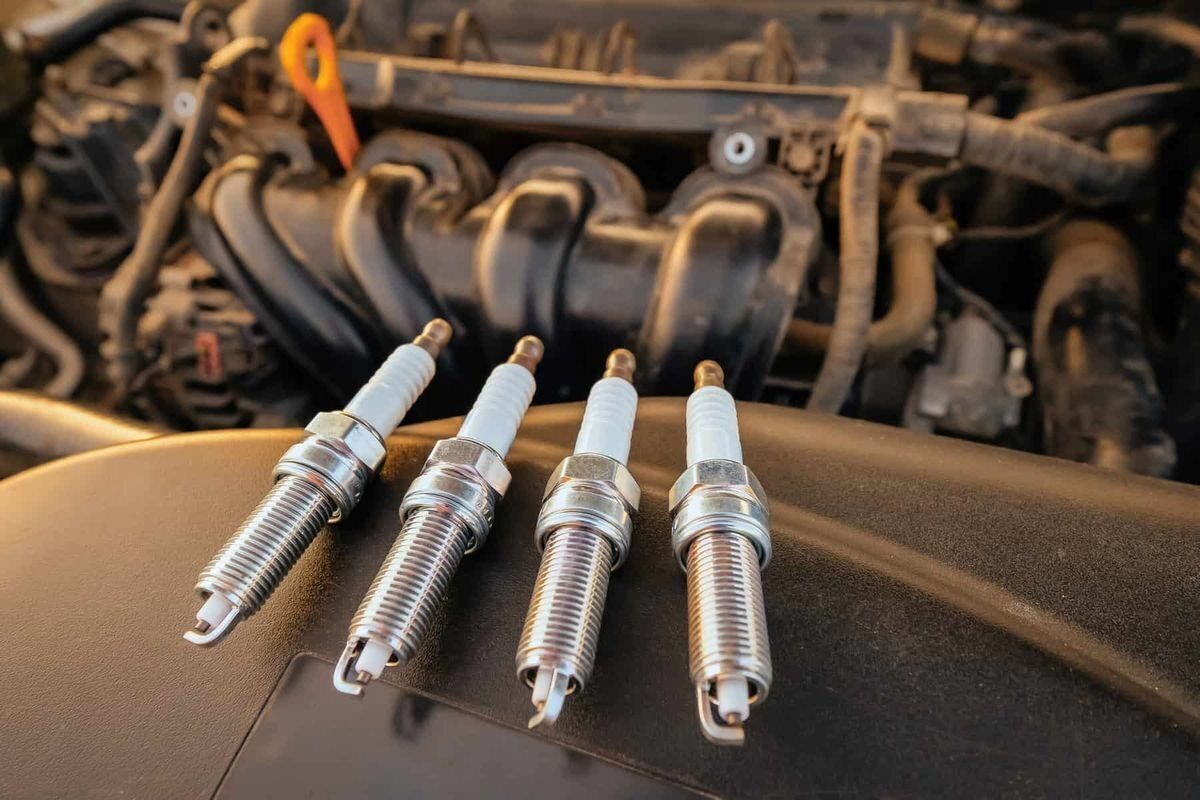
Spark plugs come in several materials, each with its lifespan. Copper plugs wear out the fastest but cost less. Platinum plugs last longer and resist fouling better. Iridium plugs offer the longest life and best performance. The material affects not only lifespan but also ignition efficiency. Choosing the right spark plug material can extend replacement intervals and improve engine health.
Checking Spark Plug Condition
Checking the condition of your spark plugs is a crucial part of vehicle maintenance that you shouldn’t overlook. It helps you spot issues before they affect your engine’s performance or fuel efficiency. Regular inspection can save you money and headaches down the road.
Visual Inspection
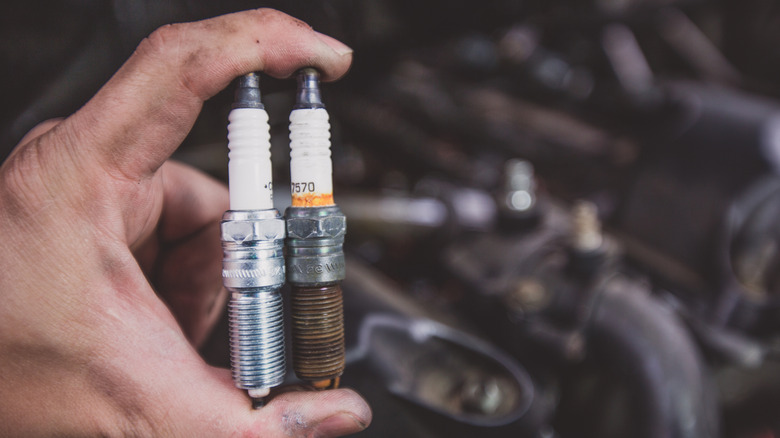
Start by removing the spark plug and looking closely at its surface. Is the electrode covered in black soot, oily residue, or white deposits? These signs can tell you if your engine is running too rich, leaking oil, or overheating.
Also, check for cracks or chips on the ceramic insulator. Any physical damage means it’s time to replace the spark plug immediately. You don’t want a faulty spark plug causing misfires or rough starts.
Measuring Electrode Wear
Electrode wear is not always visible to the naked eye, but it affects spark plug performance significantly. Use a feeler gauge to measure the gap between the center and ground electrode. Compare this measurement with your vehicle manufacturer’s specifications.
If the gap is wider than recommended, the spark plug might misfire, causing poor fuel economy and engine hesitation. Adjusting the gap or replacing the plug ensures your engine fires efficiently every time.
Diy Vs Professional Replacement
Deciding whether to replace your spark plugs yourself or hire a professional can impact your car’s performance and your wallet. Both options have clear advantages and challenges. Understanding the tools you need and common pitfalls can help you make the right choice for your situation.
Tools Needed
To replace spark plugs yourself, you’ll need a few essential tools. These include:
- Spark plug socket:A special socket designed to fit spark plugs securely.
- Ratchet wrench:For loosening and tightening the spark plugs.
- Torque wrench:To ensure the spark plugs are tightened to the correct specification.
- Gap gauge:To check and adjust the spark plug gap if necessary.
- Dielectric grease:Optional, but helps prevent moisture and corrosion.
Professionals bring these tools and often more advanced diagnostic equipment. They also have the experience to spot issues beyond just the spark plugs.
Common Mistakes To Avoid
Replacing spark plugs might seem straightforward, but small mistakes can lead to big problems. One common error is not checking or setting the spark plug gap. An incorrect gap can cause misfires or poor fuel efficiency.
Another mistake is over-tightening the plugs, which can strip the threads in the cylinder head. On the other hand, under-tightening can cause poor contact and engine misfires. Using a torque wrench helps you avoid these issues.
Have you ever tried a DIY repair only to realize you missed a small but critical step? This is why many car owners prefer professionals—they know exactly what to look for and how to handle surprises under the hood. However, if you enjoy learning and have patience, DIY can save you money and give you confidence in your car maintenance skills.
Benefits Of Timely Spark Plug Changes
Changing spark plugs on time keeps your car running smoothly. It helps the engine perform better and saves money on repairs. Timely spark plug changes prevent small problems from growing into big issues. This simple maintenance step benefits many parts of your vehicle.
Improved Engine Efficiency
Fresh spark plugs create a strong spark to ignite the fuel-air mix. This leads to better combustion and power. The engine uses fuel more efficiently, giving you better mileage. Old plugs cause misfires, wasting fuel and lowering performance.
Reduced Emissions
Good spark plugs burn fuel cleaner and reduce harmful gases. This helps your car meet emission standards and protects the environment. Dirty or worn plugs increase pollutants from the exhaust. Changing them on time keeps emissions low.
Extended Engine Life
Regular spark plug changes reduce engine stress and wear. Proper combustion prevents damage to cylinders and pistons. This maintenance step helps your engine last longer. Avoiding spark plug neglect saves you from costly engine repairs.
Credit: www.westsideauto.com.au
Frequently Asked Questions
How Often Should Spark Plugs Be Replaced?
Spark plugs should be replaced every 30,000 to 100,000 miles. Check your vehicle’s manual for specific intervals. Regular replacement ensures optimal engine performance and fuel efficiency.
What Are Signs Of Worn Spark Plugs?
Worn spark plugs cause rough idling, poor acceleration, and engine misfires. You may also notice decreased fuel economy and difficulty starting your vehicle.
Can Old Spark Plugs Damage The Engine?
Yes, old spark plugs can cause misfires and incomplete combustion. This can lead to engine damage and reduced performance if not replaced timely.
Does Driving Condition Affect Spark Plug Lifespan?
Yes, harsh driving and stop-and-go traffic can wear spark plugs faster. Normal highway driving usually extends their lifespan compared to city driving.
Conclusion
Changing spark plugs regularly keeps your engine running smooth. Old spark plugs can cause poor fuel economy and rough starts. Check your car’s manual for the right change schedule. Signs like engine misfire or difficulty starting mean it’s time. Simple care saves money and avoids bigger repairs later.
Keep your vehicle healthy with timely spark plug changes. Easy maintenance makes a big difference in performance. Your car will thank you with better power and efficiency.





