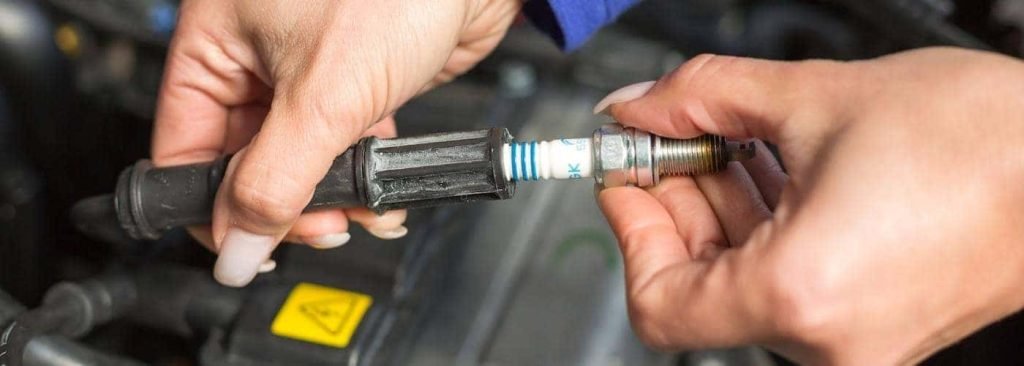
When was the last time you checked your car’s spark plugs and wires? If you’re scratching your head, you’re not alone.
These small but mighty components play a crucial role in keeping your vehicle running smoothly. Yet, they often get overlooked until a problem arises. Knowing when to change your spark plugs and wires can save you from unexpected breakdowns and costly repairs.
It’s not just about keeping your car in top shape, but also about ensuring your safety on the road. Curious about how often you should be swapping them out? Stay with us as we delve into the signs, benefits, and best practices to keep your engine purring like a kitten.

Credit: www.slashgear.com
Role Of Spark Plugs And Wires
Spark plugs and wires play a crucial role in your vehicle’s engine. They help ignite the air-fuel mixture inside the engine cylinders. This ignition creates the power needed to move your car. Without well-functioning spark plugs and wires, the engine may misfire or run poorly. Understanding their role helps you maintain your car better and know when to replace these parts.
Function In Engine Performance
Spark plugs create a spark that ignites the fuel mixture. This spark starts the combustion process inside the engine. The wires carry high voltage from the ignition coil to the spark plugs. Good spark plugs and wires ensure smooth engine starts and steady power. Worn or damaged parts can cause rough idling, poor fuel economy, and engine misfires.
Types Of Spark Plugs
- Copper Spark Plugs:Basic and affordable, but wear out faster.
- Platinum Spark Plugs:Last longer and offer better performance than copper.
- Iridium Spark Plugs:Most durable and efficient, ideal for modern engines.
Choosing the right type depends on your vehicle and driving needs.
Types Of Spark Plug Wires
- Standard Copper Core Wires:Conduct electricity well but wear out quickly.
- Magnetic Core Wires:Reduce electrical interference and improve performance.
- Carbon Core Wires:Help reduce radio frequency noise, common in older vehicles.
Quality wires help maintain strong and consistent sparks for smooth engine operation.
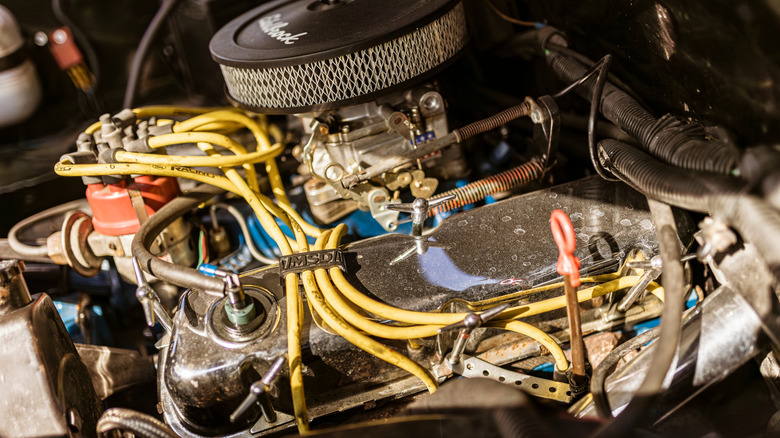
Credit: www.slashgear.com
Signs It’s Time To Replace
Knowing the signs that indicate it’s time to replace your spark plugs and wires can save you from unexpected breakdowns and costly repairs. These components play a crucial role in your engine’s performance, and ignoring warning signs can lead to bigger problems. Pay attention to how your vehicle behaves—it often tells you when maintenance is overdue.
Engine Misfires And Rough Idling
If your engine misfires or idles roughly, it’s a clear signal that your spark plugs or wires might be failing. Misfires occur when the spark plug doesn’t ignite the fuel properly, causing uneven engine performance. You might notice your car jerking or hesitating during acceleration—don’t ignore these symptoms.
Sometimes, a simple spark plug replacement can restore smooth engine operation. Have you ever felt your car shaking while stopped at a light? That’s a common sign your ignition system needs attention.
Reduced Fuel Efficiency
Are you filling up your tank more often than usual? Worn spark plugs and wires can reduce your fuel efficiency by causing incomplete combustion. This means your engine burns more fuel to produce the same power.
Tracking your mileage can help detect this early. If your fuel economy drops noticeably without any other changes, it might be time to inspect the ignition parts. Fixing this issue can save you money at the pump and reduce emissions.
Difficulty Starting The Engine
Struggling to start your car is frustrating and can point to old or damaged spark plugs and wires. When these parts fail, the spark needed to ignite the fuel-air mixture weakens or disappears. This leads to longer cranking times or failure to start altogether.
Think about the last time your engine hesitated or required multiple attempts to start. That moment can be your vehicle asking for a spark plug and wire checkup. Timely replacement ensures your car starts reliably every time.
Recommended Replacement Intervals
Knowing the right time to change spark plugs and wires keeps your car running well. Replacing these parts too late can cause poor engine performance. Changing them too early wastes money. Recommended replacement intervals guide you to make the best decision for maintenance. These intervals depend on several factors.
Manufacturer Guidelines
Car makers provide specific schedules for spark plug and wire replacement. These schedules appear in the owner’s manual. Usually, spark plugs need changing every 30,000 to 100,000 miles. Spark plug wires often last longer but may need checking every 60,000 miles. Following these guidelines helps maintain engine efficiency and fuel economy.
Impact Of Driving Conditions
Harsh driving conditions shorten the life of spark plugs and wires. Frequent stop-and-go traffic, extreme temperatures, and dusty roads cause faster wear. Short trips where the engine does not fully warm up also stress these parts. In such cases, inspect and replace spark plugs and wires more often than recommended.
Differences By Vehicle Type
Vehicle types affect replacement intervals. Older cars with conventional spark plugs require changes more often than newer models with long-life plugs. High-performance and turbocharged engines may need spark plug changes more frequently due to higher engine stress. Always check the specific needs of your vehicle type to avoid engine problems.
Diy Replacement Tips
Replacing spark plugs and wires at home can save money and extend engine life. Basic tools and careful steps make the job manageable. This guide helps you replace parts safely and correctly.
Tools Needed
- Spark plug socket and ratchet
- Torque wrench
- Extension bar
- New spark plugs
- New spark plug wires
- Dielectric grease
- Wire cutters or pliers
- Anti-seize lubricant (optional)
- Shop rags
- Gloves and safety glasses
Step-by-step Replacement Process
Start by opening the hood and locating spark plugs and wires. Remove one wire at a time to avoid mixing their order.
- Carefully pull the wire boot, not the wire itself.
- Use the spark plug socket and ratchet to unscrew the old plug.
- Check the gap on the new plug and adjust if needed.
- Apply a small amount of anti-seize on the plug threads.
- Install the new plug by hand, then tighten with a torque wrench.
- Apply dielectric grease inside the wire boot.
- Attach the new wire to the plug and the coil or distributor.
- Repeat for each spark plug and wire.
Safety Precautions
- Work on a cool engine to avoid burns.
- Disconnect the battery to prevent electrical shocks.
- Wear gloves and safety glasses for protection.
- Keep tools organized to avoid dropping them into the engine.
- Do not force wires or plugs; they may break.
- Follow vehicle manual torque specifications for spark plugs.
Benefits Of Timely Replacement
Changing your spark plugs and wires on time offers more than just routine maintenance. It directly impacts how well your engine performs, how clean your car runs, and how much you spend on repairs. Ignoring this simple task can lead to bigger problems down the road, but staying ahead keeps your vehicle running smoothly and efficiently.
Improved Engine Efficiency
Worn spark plugs and old wires cause misfires that waste fuel and reduce power. Replacing them regularly ensures a strong, consistent spark, which means your engine burns fuel more completely. You’ll notice smoother acceleration and better overall performance.
Have you ever felt your car hesitate or jerk unexpectedly? This is often a sign your spark plugs or wires need attention. Fixing this can make your daily drives more enjoyable and less stressful.
Lower Emissions
Faulty spark plugs lead to incomplete combustion, releasing more harmful gases into the air. Timely replacement helps your engine burn fuel cleaner, reducing pollutants like carbon monoxide and hydrocarbons. This not only benefits the environment but also helps your car pass emissions tests.
Think about how often you get stuck at emissions inspections. Regular maintenance on spark plugs and wires can save you from failing these checks and facing fines or costly repairs.
Preventing Costly Repairs
Ignoring spark plug and wire replacement can cause damage to the ignition system and catalytic converter. These repairs are expensive and time-consuming. By changing these parts on schedule, you avoid breakdowns and extend the life of your engine components.
Consider this: spending a small amount on replacement parts now can prevent a major repair bill later. Isn’t it better to invest a little time and money upfront than deal with a sudden car failure?

Credit: modernautoparts.co.za
When To Seek Professional Help
Knowing when to seek professional help with spark plugs and wires is important. Some tasks need expert skills and tools. Avoid making costly mistakes or damaging your engine.
Complex Engine Systems
Modern engines have complex designs. Some use coil-on-plug or distributor-less ignition. These systems need special knowledge to service properly. A professional mechanic understands these setups. They ensure correct installation and avoid engine problems.
Diagnosing Underlying Issues
Worn spark plugs and wires might signal deeper problems. Poor engine performance can have many causes. A mechanic can diagnose issues with proper tools. They check for misfires, fuel problems, or ignition faults. Fixing the root cause prevents repeated failures.
Warranty Considerations
Many vehicles have warranties on engine parts. DIY repairs can void these warranties. Professionals follow manufacturer guidelines. This keeps your warranty valid. They use approved parts and techniques. Protect your investment by relying on experts for spark plug and wire changes.
Frequently Asked Questions
How Often Should Spark Plugs Be Replaced?
Spark plugs typically need replacement every 30,000 to 100,000 miles. Check your vehicle’s manual for exact intervals. Worn plugs can cause engine misfires and reduced fuel efficiency.
When Should Spark Plug Wires Be Changed?
Replace spark plug wires every 60,000 to 100,000 miles or if you notice cracks or corrosion. Damaged wires can lead to poor engine performance and misfires.
What Signs Indicate Spark Plugs Need Changing?
Look for rough idling, poor acceleration, engine misfires, or difficulty starting. These symptoms often mean spark plugs are worn or faulty and require replacement.
Can Old Spark Plugs Affect Fuel Efficiency?
Yes, worn spark plugs cause incomplete combustion, lowering fuel efficiency. Replacing them regularly helps maintain optimal engine performance and saves fuel costs.
Conclusion
Changing spark plugs and wires regularly keeps your engine running smooth. Worn parts can cause poor fuel economy and engine misfires. Most experts suggest checking them every 30,000 to 50,000 miles. Always follow your vehicle’s manual for the best advice.
Regular maintenance saves money and avoids bigger car problems. Good spark plugs and wires help your car start easily and run well. Don’t wait for trouble; stay ahead with timely replacements. Your engine will thank you with better power and efficiency.
Simple care goes a long way.





