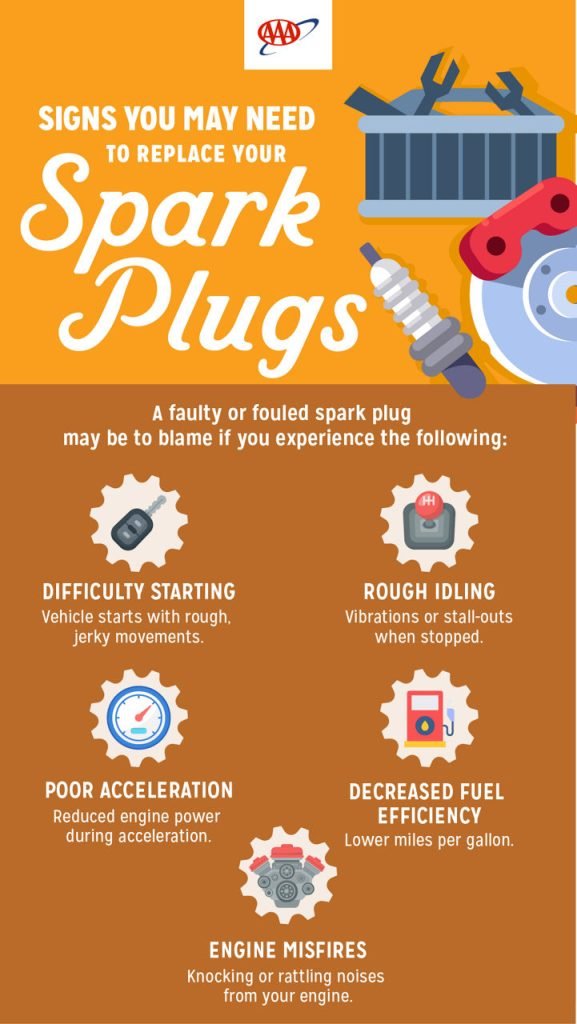
Are you wondering if it’s time to change your spark plugs? If your car isn’t running as smoothly as it used to, it might be time to give those little powerhouses some attention.
Spark plugs play a crucial role in your vehicle’s performance, and knowing when to replace them can save you money and headaches in the long run. But how often should you change them? The answer might surprise you. Dive into this article to discover the signs of worn-out spark plugs and learn the best practices for keeping your engine humming perfectly.
You’ll find out not only when to change them but also how doing so can improve your car’s efficiency and longevity. Keep reading to ensure your vehicle is always at its best!
Spark Plug Basics
Spark plugs are small parts with a big job in your car’s engine. They create the spark that ignites the air and fuel mixture. This ignition powers your engine and keeps your car running smoothly.
Understanding spark plugs helps you know why changing them matters. Different spark plugs suit different engines and driving styles. Knowing the basics saves you money and keeps your car healthy.
Role In Engine Performance
Spark plugs deliver sparks at the right moment to start combustion. Good sparks mean better fuel burning and more power. Worn plugs cause misfires, rough idling, and lower fuel efficiency. Clean and healthy spark plugs help your engine run quietly and smoothly.
They also impact emissions. Faulty plugs increase harmful gases from your car. Replacing them keeps your engine clean and eco-friendly.
Types Of Spark Plugs
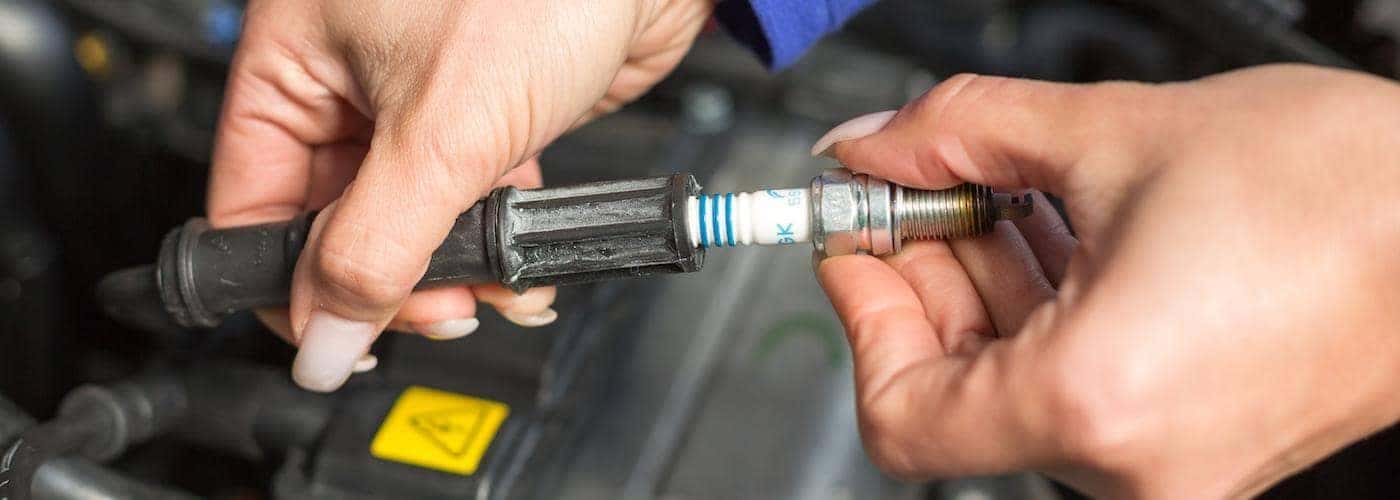
Spark plugs come in several types based on materials and design. Common types include:
- Copper:Basic and affordable. Good for older cars.
- Platinum:Longer lasting than copper. Works well for many modern cars.
- Iridium:Very durable. Provides strong sparks and better performance.
- Double Platinum:Offers durability on both electrodes. Ideal for waste spark ignition systems.
Choosing the right type depends on your car’s engine and driving habits. Always check your owner’s manual for recommendations.
Credit: www.terrylabontechevy.com
Signs Of Worn Spark Plugs
Worn spark plugs can quietly sabotage your car’s performance without you realizing it. Recognizing the signs early can save you from costly repairs and keep your engine running smoothly. Let’s look at some clear symptoms that indicate your spark plugs need attention.
Engine Misfires
Have you ever felt your car jerk or hesitate while driving? That’s often a sign of engine misfires caused by worn spark plugs. When the spark plugs can’t ignite the fuel-air mixture properly, your engine struggles to run evenly, leading to rough idling or sudden stalls.
Ignoring these misfires can damage other parts of your engine. Pay attention if your car feels less responsive or if the “check engine” light flickers on.
Poor Fuel Economy
Notice your fuel gauge dropping faster than usual? Worn spark plugs reduce combustion efficiency, meaning your engine burns more fuel to produce the same power. This inefficiency hits your wallet directly at the pump.
Tracking your mileage can reveal this issue early. If your fuel economy suddenly worsens without other clear reasons, it’s time to inspect the spark plugs.
Hard Starting
Struggling to start your car, especially on cold mornings? Old spark plugs may fail to produce a strong enough spark to ignite the engine quickly. This leads to longer cranks and frustrating delays.
Consistent hard starts are a red flag. Don’t wait until your car refuses to start altogether—check your spark plugs and replace them if necessary.
Manufacturer Recommendations
Manufacturers provide specific guidelines for spark plug replacement. These recommendations ensure optimal engine performance and fuel efficiency. Following them helps avoid engine problems and costly repairs. Each vehicle model has its own suggested interval based on design and parts used.
Typical Replacement Intervals
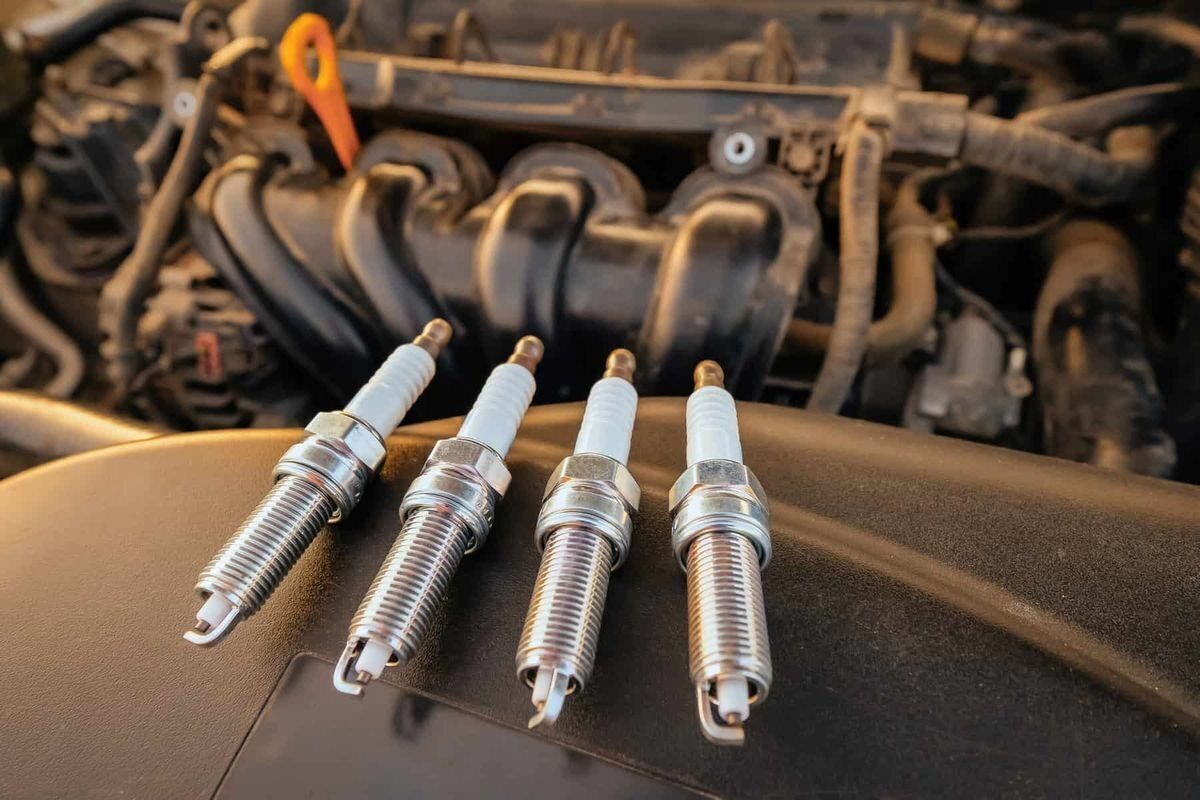
Most manufacturers suggest changing spark plugs every 30,000 to 100,000 miles. The range depends on spark plug type and engine design. Copper spark plugs usually last around 20,000 to 30,000 miles. Platinum and iridium plugs can last up to 100,000 miles. Regular checks can catch early wear before failure.
Variations By Vehicle Type
Different vehicles have different spark plug needs. Small cars often require replacement sooner than trucks or SUVs. High-performance engines may need more frequent changes. Hybrid and electric cars have special considerations too. Always check the owner’s manual for exact intervals for your vehicle.
Credit: www.westsideauto.com.au
Factors Affecting Spark Plug Life
Understanding the factors that affect spark plug life can save you money and prevent unexpected car troubles. Spark plugs don’t wear out at a fixed rate; their lifespan varies based on how you drive and care for your vehicle. Knowing these factors helps you decide when it’s time to replace them before they cause engine problems.
Driving Conditions
Your driving habits play a huge role in how fast spark plugs wear out. Frequent short trips don’t allow your engine to reach optimal temperature, causing deposits to build up on the plugs faster. On the other hand, consistent highway driving at steady speeds tends to keep spark plugs cleaner and lasts longer.
Do you often drive in stop-and-go traffic or tow heavy loads? These conditions put extra strain on your engine and spark plugs, reducing their life. Think about your daily routes and how they might be impacting your spark plugs.
Fuel Quality
The type of fuel you use directly affects spark plug performance. Lower-quality fuels often contain impurities that lead to carbon buildup on the plugs. This buildup can cause misfires and reduce fuel efficiency.
If you’ve ever noticed rough idling or poor acceleration after filling up, poor fuel quality could be the culprit. Using higher-octane or cleaner-burning fuels may extend your spark plugs’ life and improve your engine’s health.
Engine Maintenance
Regular engine maintenance is essential to keep spark plugs working well. Dirty air filters, worn ignition wires, or faulty fuel injectors can cause your spark plugs to fail prematurely. Neglecting oil changes or ignoring check engine lights also increases the risk of spark plug damage.
Think about your last tune-up—did it include a spark plug inspection? Staying on top of maintenance tasks can help you spot issues early and avoid costly repairs down the road.
Checking Spark Plug Condition
Checking the condition of your spark plugs is essential to keep your engine running smoothly. Over time, spark plugs wear out and can cause misfires, reduced fuel efficiency, or difficulty starting your car. Regular inspections help you catch issues early and decide when it’s time to replace them.
Visual Inspection
Start by removing the spark plugs and looking closely at their tips. Healthy spark plugs have a light tan or grayish color on the electrodes.
If you notice black, oily, or sooty deposits, it could mean your engine is burning oil or running too rich. Cracks, chips, or heavy buildup are signs that the spark plug is damaged or worn out.
Have you ever seen a spark plug covered in white deposits? That might indicate overheating or the use of incorrect fuel. Use a magnifying glass if you want to catch tiny cracks or erosion that could affect performance.
Measuring Electrode Wear
Beyond visual checks, measuring the electrode gap is crucial. The gap affects how well the spark jumps to ignite the fuel-air mix.
You’ll need a feeler gauge to measure the distance between the center and ground electrodes. Compare this measurement with the manufacturer’s specifications found in your car manual.
If the gap is too wide or too narrow, it can cause poor engine performance or increased fuel consumption. Adjusting the gap is possible, but if the electrode is worn down or rounded, it’s better to replace the spark plug altogether.

Credit: www.slashgear.com
Diy Vs Professional Replacement
Deciding between changing your spark plugs yourself or hiring a professional can impact your time, money, and confidence under the hood. Both options have clear benefits and challenges depending on your experience and the tools you have. Let’s break down what each path requires and what you might expect.
Tools Needed
Swapping spark plugs on your own means you need the right tools ready. At minimum, you’ll want a spark plug socket, a ratchet wrench, and possibly a gap gauge to check the spark plug gap. Some cars might require extensions or swivel sockets to reach tight spots.
Professionals come equipped with specialized tools that ensure the job is done quickly and correctly. They also have diagnostic devices to check if the new plugs are firing properly, which is something most DIYers don’t have. Do you have all these tools already, or will you need to invest first?
Cost Considerations
Replacing spark plugs yourself can save money on labor costs, which often double or triple the price of the parts. Spark plugs typically cost between $10 and $20 each, depending on your vehicle. However, if you don’t have the tools or accidentally damage a component, those savings can disappear fast.
Hiring a professional adds the labor charge, which can range from $50 to $150, depending on where you live and your car model. But it also means you get a warranty on the work, reducing risks. How much is peace of mind worth to you compared to saving a few bucks?
Benefits Of Timely Replacement
Replacing your spark plugs on time brings several important benefits that directly impact your vehicle’s health and your driving experience. It’s not just about maintenance—it’s about keeping your engine running smoothly and efficiently. Understanding these benefits can help you decide when to schedule your next spark plug change.
Improved Engine Efficiency
Fresh spark plugs ignite fuel more effectively, which means your engine burns fuel in a cleaner, more complete way. This improves fuel economy, saving you money at the pump. Have you noticed your car hesitating or stalling? Old spark plugs could be the cause, reducing your engine’s ability to perform at its best.
Reduced Emissions
Worn spark plugs can cause incomplete combustion, leading to higher emissions of harmful gases. Timely replacement helps your engine emit fewer pollutants, which is better for the environment and keeps your vehicle compliant with emission standards. If you want to reduce your carbon footprint without costly upgrades, changing your spark plugs is a simple step.
Enhanced Performance
New spark plugs provide a stronger spark that improves acceleration and overall power. You’ll feel the difference during quick starts or when climbing hills. If your car feels sluggish or rough, replacing spark plugs could restore the smooth and responsive drive you expect.
Frequently Asked Questions
How Often Should You Change Spark Plugs?
Most manufacturers recommend changing spark plugs every 30,000 to 100,000 miles. Always check your vehicle’s manual for exact intervals to maintain engine performance.
What Are Signs Of Worn Spark Plugs?
Worn spark plugs cause rough idling, poor acceleration, and reduced fuel efficiency. If you notice these symptoms, inspect and replace your spark plugs promptly.
Can Old Spark Plugs Damage The Engine?
Yes, old spark plugs can cause misfires and engine damage over time. Regular replacements prevent costly repairs and keep your engine running smoothly.
Are Expensive Spark Plugs Worth It?
Premium spark plugs may offer better durability and performance. However, always choose plugs compatible with your vehicle’s specifications for best results.
Conclusion
Changing spark plugs regularly keeps your car running smooth. Check your vehicle’s manual for the recommended time or mileage. Worn spark plugs can cause poor engine performance and lower fuel efficiency. Don’t wait until problems start. A simple spark plug change can save money and avoid bigger repairs.
Keep your engine healthy by staying on schedule. Spark plugs are small but important parts. Treat them well, and your car will thank you.





