Have you ever wondered how often you should replace your spark plugs? These small parts play a big role in keeping your engine running smoothly.
If your spark plugs are worn out, your car might struggle to start, lose power, or use more fuel. But how do you know when it’s time to change them? You’ll find clear answers and simple tips that will help you keep your vehicle in top shape without any guesswork.
Keep reading to discover everything you need to know about spark plug replacement and avoid costly repairs down the road.
Spark Plug Lifespan
Spark plugs are vital for your engine’s performance. They create the spark that ignites the fuel-air mix. Over time, spark plugs wear out and lose efficiency. Knowing their lifespan helps keep your car running smoothly and saves repair costs.
Average Replacement Interval
Most spark plugs last between 30,000 and 100,000 miles. The exact interval depends on the plug type and vehicle model. Copper spark plugs usually need replacement every 30,000 miles. Platinum or iridium plugs can last up to 100,000 miles. Following the manufacturer’s recommendation is essential for best results.
Factors Affecting Durability
Several factors influence spark plug lifespan:
- Driving habits: Frequent short trips cause quicker wear.
- Engine condition: Poor engine tune reduces plug life.
- Fuel quality: Low-quality fuel leads to deposits on plugs.
- Heat and corrosion: High engine temperatures and moisture damage plugs.
Regular vehicle maintenance and using quality fuel can extend spark plug life. Checking plugs during routine service helps detect early issues.
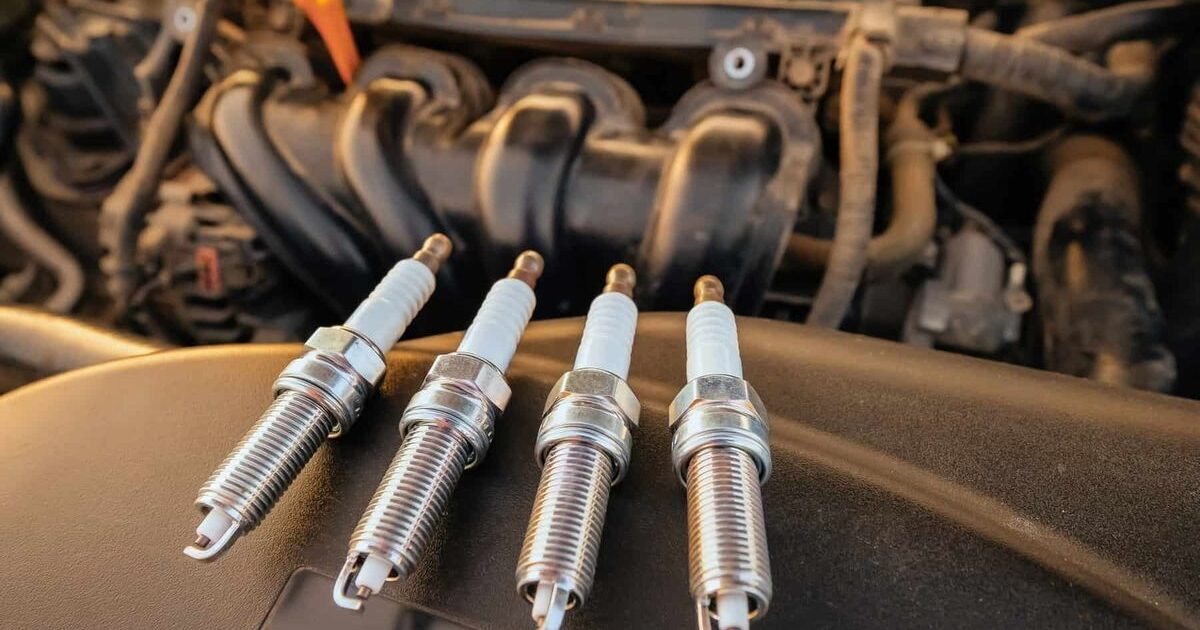
Credit: www.westsideauto.com.au
Signs Of Worn Spark Plugs
Recognizing the signs of worn spark plugs can save you from unexpected car troubles and costly repairs. Your vehicle depends on spark plugs to ignite the fuel-air mixture in the engine cylinders. When spark plugs wear out, your car’s performance will start to suffer, often in ways you might not immediately connect to the spark plugs themselves.
Engine Misfires
One clear sign of worn spark plugs is engine misfires. You might notice your engine jerking or hesitating during acceleration. This happens because the spark plugs fail to ignite the fuel properly, causing incomplete combustion.
If your car feels rough or stumbles at low speeds, don’t ignore it. Misfires can damage other engine components over time, so checking your spark plugs early can prevent bigger issues.
Poor Fuel Economy
Have you noticed your fuel gauge dropping faster than usual? Worn spark plugs can cause your engine to burn more fuel than necessary. When spark plugs don’t fire correctly, your engine compensates by using extra fuel to keep running smoothly.
This inefficiency can cost you more at the pump. Keeping your spark plugs in good condition helps maintain optimal fuel efficiency and saves you money in the long run.
Difficulty Starting
Struggling to start your car on a cold morning? Worn spark plugs might be the culprit. Faulty plugs can make it harder for your engine to ignite the fuel-air mix, leading to longer crank times or multiple attempts before the engine fires up.
Pay attention if starting your vehicle becomes a regular challenge. Replacing your spark plugs can restore easy and reliable starts, especially in chilly weather.
Types Of Spark Plugs
Spark plugs come in different types. Each type has unique features and lifespan. Choosing the right spark plug helps your engine run smoothly. Understanding the types also guides you on how often to replace them.
Copper Plugs
Copper plugs are the most basic type. They have a solid copper core for good heat conductivity. These plugs wear out faster than others. Typically, they last about 20,000 to 30,000 miles. Copper plugs are cheaper but need frequent changes.
Platinum Plugs
Platinum plugs have a platinum disc on the tip. This makes them more durable than copper plugs. They last longer, usually around 60,000 miles. Platinum plugs resist corrosion and provide better performance. They cost more but save replacement trips.
Iridium Plugs
Iridium plugs use a fine iridium tip. Iridium is very hard and strong. These plugs last the longest, up to 100,000 miles or more. They offer excellent ignition and fuel efficiency. Iridium plugs are the most expensive but require fewer replacements.

Credit: beachautomotive.com
Replacement Guidelines
Knowing when to replace spark plugs helps keep your engine running smoothly. Following proper replacement guidelines prevents poor performance and saves money on repairs. These guidelines depend on factors like the type of spark plugs and how you drive your vehicle.
Manufacturer Recommendations
Car makers provide specific instructions for spark plug replacement. These vary by vehicle model and engine type. Check your owner’s manual for the exact interval. Common ranges are between 30,000 and 100,000 miles. Using the right spark plug type also matters. Iridium and platinum plugs last longer than standard copper ones.
Driving Conditions Impact
Driving style and environment affect spark plug life. Frequent stop-and-go traffic wears plugs faster. Short trips do not allow the engine to reach full temperature, causing deposits on plugs. Dusty or dirty roads increase wear and tear. Towing heavy loads or driving uphill stresses the engine, too. Adjust replacement intervals if your conditions are tough.
Diy Spark Plug Inspection
Inspecting your spark plugs yourself can save you time and money. It also helps you understand how your engine is performing. A quick check can reveal if your spark plugs are still good or if they need replacing before causing bigger issues.
Tools Needed
Before you start, gather a few simple tools. You’ll need a spark plug socket, a ratchet wrench, and a gap gauge. Having a clean rag and some anti-seize compound handy can also make the job easier.
Checking Spark Plug Condition
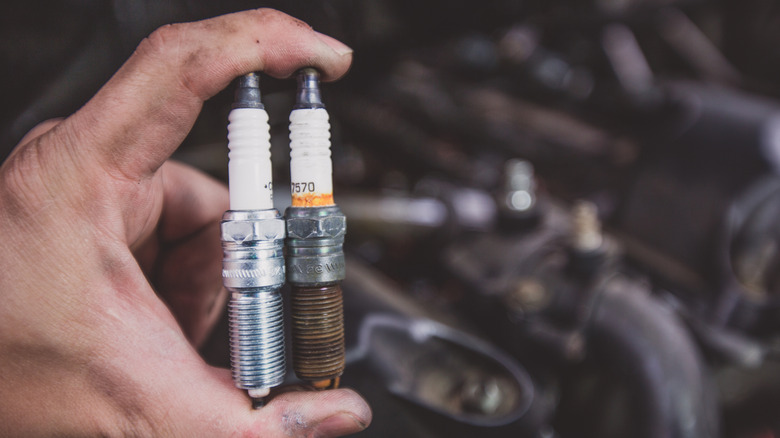
Once you remove the spark plug, look closely at its tip. A healthy plug usually has a light tan or gray color. Black, oily, or crusty deposits indicate problems like oil leaks or poor fuel combustion.
Check the electrode for wear or damage. If it’s rounded or eroded, the spark plug isn’t firing properly. Also, use your gap gauge to measure the space between the electrodes—if it’s too wide or narrow, your engine’s performance could suffer.
Have you noticed your car misfiring or struggling to start? Inspecting the spark plugs might show you exactly why. This simple check can prevent costly repairs and keep your engine running smoothly.
Benefits Of Timely Replacement
Replacing your spark plugs on time can make a big difference to how your vehicle runs. It’s not just about avoiding breakdowns; timely replacement impacts several key areas of your car’s performance. Let’s look at how this simple maintenance task benefits your engine, fuel use, and the environment.
Improved Engine Performance
Worn spark plugs can cause your engine to misfire, leading to rough idling and sluggish acceleration. Fresh spark plugs provide a strong, consistent spark that helps your engine run smoothly. Have you noticed your car struggling to start or feeling less responsive? Changing your spark plugs might be the fix.
Enhanced Fuel Efficiency
Old spark plugs make your engine work harder, which uses more fuel. New spark plugs ignite the fuel-air mixture efficiently, allowing your engine to get the best mileage possible. Imagine saving money on gas every month just by keeping this simple part in good shape.
Reduced Emissions
Faulty spark plugs can lead to incomplete fuel burning, which increases harmful emissions from your car. Replacing them on schedule helps your vehicle burn fuel cleaner, lowering the pollution it produces. If you care about your carbon footprint, this small step can contribute to cleaner air.
Professional Maintenance Tips
Professional maintenance tips help keep your spark plugs in top condition. Regular checks extend engine life and improve performance. Knowing when to call an expert and understanding costs saves time and money. Proper care prevents bigger car troubles down the road.
When To Seek Expert Help
Consult a mechanic if your car shows signs like rough idling or poor fuel economy. Strange engine noises or difficulty starting also need professional attention. Experts can spot issues beyond a simple spark plug change. They use tools to test and replace plugs safely.
Cost Considerations
Spark plug replacement costs vary by car model and plug type. Labor charges depend on the shop and job complexity. Routine replacement usually costs less than fixing engine damage. Budgeting for regular maintenance prevents expensive repairs later.
Credit: www.slashgear.com
Frequently Asked Questions
How Often Should Spark Plugs Be Replaced?
Spark plugs typically need replacement every 30,000 to 100,000 miles. This varies by vehicle type and spark plug quality. Regular checks help maintain engine performance and fuel efficiency.
What Are Signs Of Worn-out Spark Plugs?
Common signs include engine misfires, poor fuel economy, rough idling, and difficulty starting. Worn spark plugs reduce engine power and cause increased emissions.
Can Old Spark Plugs Damage My Engine?
Yes, damaged spark plugs can cause misfires and engine knocking. This leads to poor performance and potential long-term engine damage if ignored.
Does Driving Style Affect Spark Plug Lifespan?
Yes, aggressive driving can wear spark plugs faster. Frequent short trips and stop-and-go traffic also reduce their lifespan compared to steady highway driving.
Conclusion
Replacing spark plugs regularly keeps your car running smoothly. Check them every 30,000 miles. This helps avoid engine issues. Always follow your car’s manual for guidance. Signs like rough idling or engine misfires indicate a change is needed. Ignoring these signs can lead to costly repairs.
Regular maintenance saves money and stress. Trustworthy mechanics can help with replacements. Always ensure quality spark plugs are used. Your car’s performance depends on it. Keep your vehicle in top shape. Regular checks and replacements are key.