Are you wondering how often you should change your spark plugs? It’s a simple question, but the answer can save you from costly repairs and keep your engine running smoothly.
Your spark plugs play a crucial role in your car’s performance, fuel efficiency, and overall health. Ignoring them can lead to rough starts, poor mileage, and even engine damage. You’ll discover the key signs that show when it’s time for a change and how to make sure your spark plugs are always in top shape.
Keep reading to protect your engine and get the most out of every mile.
Spark Plug Basics
Spark plugs play a small but crucial role in your vehicle’s engine. They create the spark that ignites the air-fuel mixture, which powers your car. Understanding the basics of spark plugs helps you maintain your engine’s performance and avoid costly repairs.
Role In Engine Performance
Spark plugs are responsible for igniting the fuel inside the engine cylinders. Without a strong, consistent spark, your engine may misfire, run rough, or lose power. Have you ever felt your car hesitate or jerk while accelerating? That’s often a sign your spark plugs need attention.
Good spark plugs improve fuel efficiency and reduce emissions. They also help your engine start quickly in cold weather. Neglecting them can lead to harder starts and poor gas mileage, which means more trips to the pump and the mechanic.
Types Of Spark Plugs
Not all spark plugs are the same. They come in different materials and designs, each suited for specific engines and driving conditions.
- Copper Spark Plugs:Offer good conductivity but wear out faster. They’re usually the cheapest option and work well in older vehicles.
- Platinum Spark Plugs:Last longer than copper and provide more consistent performance. They’re a popular choice for modern cars.
- Iridium Spark Plugs:Known for durability and excellent ignition. Many high-performance and newer engines use these for better efficiency.
Choosing the right type depends on your vehicle’s make and your driving style. Have you checked what kind of spark plugs your car uses? Knowing this can save you from buying the wrong parts and improve your engine’s life.

Credit: www.reddit.com
Signs Of Worn Spark Plugs
Worn spark plugs cause several clear signs in a car’s performance. These signs warn that spark plugs need changing soon. Recognizing them helps avoid bigger engine problems and keeps your car running smoothly.
Engine Misfires
Engine misfires happen when the spark plug fails to ignite the fuel. This causes rough idling and jerky acceleration. You may notice a sudden loss of power while driving. Misfires also increase harmful emissions and damage other engine parts.
Poor Fuel Economy
Old spark plugs burn more fuel than new ones. This lowers your car’s fuel efficiency. You might find yourself visiting the gas station more often. Poor fuel economy means the engine is working harder than it should.
Difficulty Starting
Worn spark plugs can make starting your car hard. The engine may crank longer or not start at all. Cold weather can make this problem worse. Replacing spark plugs ensures quick and easy starts every time.
Recommended Replacement Intervals
Knowing the right time to change spark plugs keeps the engine running smooth. Recommended replacement intervals help avoid engine problems and save money. These intervals depend on several factors, including the car maker’s advice and driving style. Understanding these can extend the life of your vehicle and improve fuel efficiency.
Manufacturer Guidelines
Car makers provide specific advice on spark plug replacement. These guidelines are in the owner’s manual. Most spark plugs last between 30,000 and 100,000 miles. The type of spark plug affects this range:
- Copper plugs: around 20,000 to 30,000 miles
- Platinum plugs: about 60,000 miles
- Iridium plugs: up to 100,000 miles
Following these guidelines ensures the engine performs well. Ignoring them can cause poor fuel economy and engine misfires.
Impact Of Driving Conditions
Driving habits change how fast spark plugs wear out. Frequent short trips stop plugs from heating fully. This leads to buildup and faster wear. Dusty or rough roads increase wear too. Heavy traffic with lots of stops also stresses the plugs.
Harsh conditions mean replacing spark plugs sooner than usual. Check plugs more often if driving in these conditions. This keeps the engine clean and efficient.

Credit: www.slashgear.com
Effects Of Neglecting Spark Plug Replacement
Neglecting to replace spark plugs can lead to serious issues in your vehicle. These small parts play a big role in engine performance. Over time, worn spark plugs cause various problems that affect your car’s health and driving experience.
Engine Damage Risks
Old spark plugs can cause misfires. Misfires stress engine components and may cause damage. Continuous misfiring can lead to costly repairs. Ignoring spark plug replacement increases the risk of engine breakdown. Engine parts wear faster without proper spark plug function.
Reduced Power And Efficiency
Worn spark plugs lower engine power. The engine burns fuel less efficiently. This causes poor acceleration and sluggish performance. Fuel consumption rises as the engine struggles. Your car may stall or hesitate during driving. Replacing spark plugs on time keeps power steady and fuel use low.
Choosing The Right Spark Plugs
Choosing the right spark plugs is key to keeping your engine running smoothly. The correct spark plug improves fuel efficiency, power, and engine life. Not all spark plugs work the same. Selecting the proper type depends on your vehicle and driving style. Consider the material and compatibility before making a choice.
Material Differences
Spark plugs come in different materials, each with unique benefits.
- Copper:Good conductor, affordable, but wears out faster.
- Platinum:Lasts longer than copper and provides better performance.
- Iridium:The most durable, offers excellent performance, and lasts the longest.
Choose a material that matches your driving needs and budget. Iridium plugs suit high-performance engines. Copper plugs fit older or basic cars well.
Compatibility With Vehicle Models
Each vehicle model requires specific spark plugs. Using the wrong type can harm engine performance.
- Check your owner’s manual for recommended spark plugs.
- Use plugs that fit your engine’s size and design.
- Consider plug heat range to avoid overheating or fouling.
Matching spark plugs to your vehicle helps maintain smooth starts and steady power. Always confirm compatibility before purchase.
Diy Vs Professional Replacement
Deciding whether to replace your spark plugs yourself or hire a professional can impact your car’s performance and your wallet. Both options have their merits, but knowing what each entails helps you make the best choice for your situation. Let’s look at the key differences and what you need to consider before rolling up your sleeves or calling a mechanic.
Tools And Safety Tips
Replacing spark plugs requires more than just a basic wrench. You’ll need a spark plug socket, a ratchet, an extension bar, and a torque wrench to ensure plugs are tightened correctly. Using the wrong tools can damage the spark plugs or your engine, leading to costly repairs.
Safety is crucial when working on your vehicle. Always disconnect the battery before starting to avoid electrical shocks. Wear gloves to protect your hands from sharp edges and hot engine parts. Working in a well-lit, ventilated area helps you see clearly and avoid inhaling harmful fumes.
When To Seek Expert Help
If you notice symptoms like engine misfires, poor fuel economy, or difficulty starting your car, the problem might be more complex than worn spark plugs. Sometimes, spark plug replacement involves removing components that are tricky to access or require recalibration afterward.
Calling a professional makes sense if you lack the right tools or confidence. Mechanics can diagnose underlying issues beyond just swapping plugs. Have you ever tried a DIY repair that turned into a bigger headache? Knowing when to ask for help saves time and stress in the long run.
Maintenance Tips For Longevity
Maintaining your spark plugs properly can extend their life and keep your engine running smoothly. It’s not just about changing them on time; regular care makes a big difference. Small habits and checks can save you from unexpected breakdowns and costly repairs.
Regular Inspections
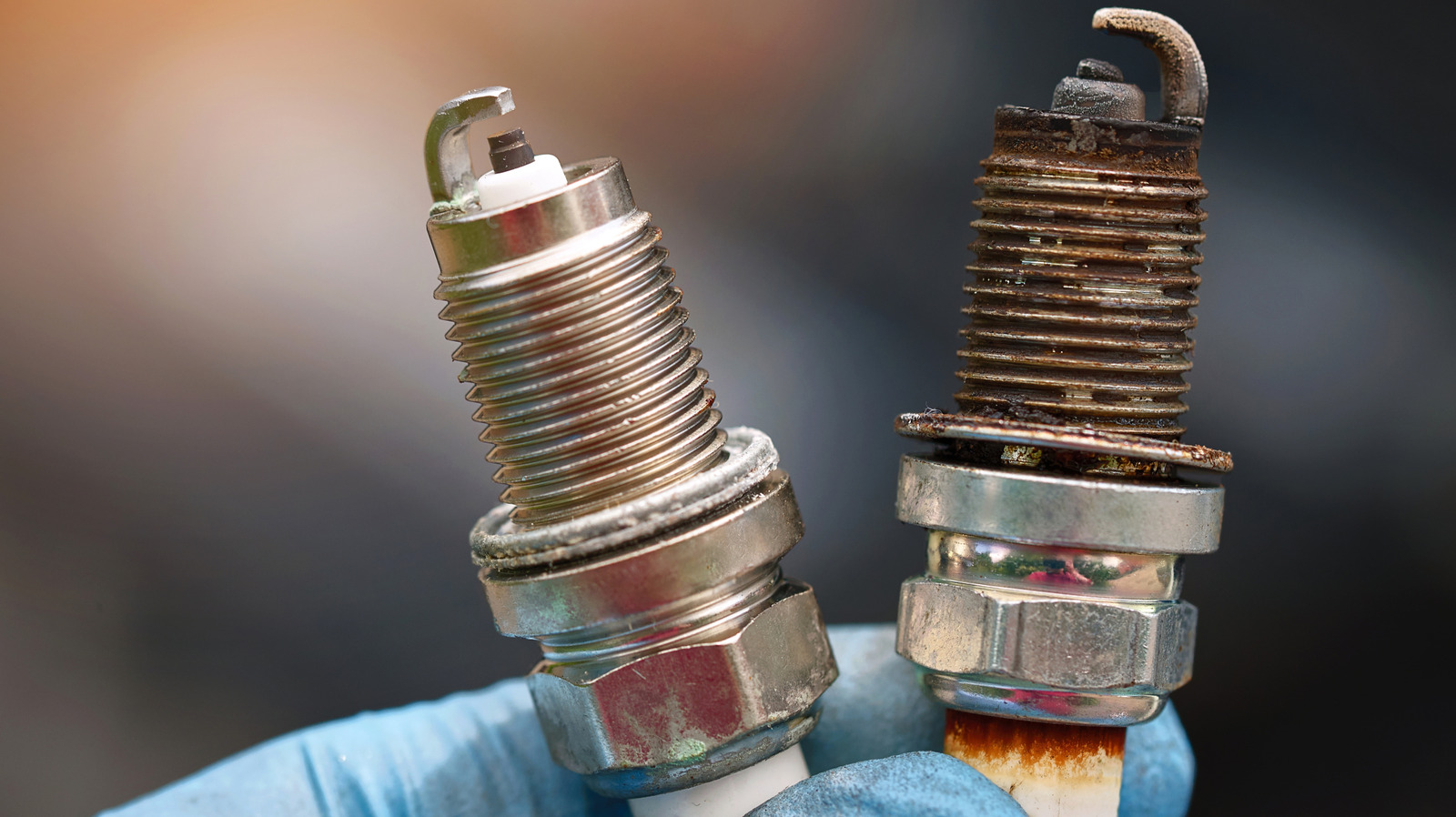
Check your spark plugs every 10,000 to 15,000 miles or as recommended by your vehicle’s manual. Look for signs like worn electrodes, heavy deposits, or cracks in the porcelain. These issues can cause misfires and poor fuel efficiency.
Pay attention to the color of the spark plug tip. A light tan or gray color usually means your engine is running well. If it’s black and sooty, it could indicate fuel problems or oil leakage.
Cleaning And Care Practices
Cleaning spark plugs can extend their lifespan if done carefully. Use a wire brush or spark plug cleaner to remove carbon buildup. Avoid using harsh chemicals that might damage the ceramic insulator.
Before reinstalling, check the gap between the electrodes with a feeler gauge. Your vehicle manual will specify the correct size. A wrong gap can lead to inefficient combustion and engine issues.
Have you ever noticed how a small cleaning routine can boost your car’s performance? Taking a few minutes to maintain spark plugs can keep your engine firing on all cylinders longer than you expect.
Credit: www.slashgear.com
Frequently Asked Questions
How Often Should Spark Plugs Be Replaced?
Spark plugs typically need replacement every 30,000 to 100,000 miles. Check your vehicle’s manual for exact intervals. Regular replacement ensures better engine performance and fuel efficiency.
What Signs Indicate Spark Plug Replacement Is Needed?
Common signs include engine misfires, rough idling, poor acceleration, and reduced fuel economy. If you experience these, inspect or replace spark plugs promptly to avoid damage.
Can Old Spark Plugs Affect Fuel Efficiency?
Yes, worn spark plugs cause incomplete combustion, reducing fuel efficiency. Replacing them improves mileage and lowers emissions, saving money on fuel in the long run.
Do All Vehicles Require The Same Spark Plug Change Interval?
No, intervals vary by vehicle make, model, and spark plug type. Consult your owner’s manual for specific recommendations to maintain optimal engine health.
Conclusion
Regularly changing spark plugs ensures your engine’s peak performance. Check your car’s manual for guidance. Most cars require changes every 30,000 miles. Some newer models may last longer. Monitor your engine’s behavior. Poor performance or misfiring signals potential spark plug issues.
Ignoring changes can lead to bigger problems. Regular maintenance saves money in the long run. Visit a trusted mechanic for advice. They can recommend the best schedule for your vehicle. Keep your engine healthy and your drives smooth. Prioritize spark plug care for a reliable ride.