Are you wondering how often you should change your spark plugs? It’s a question many car owners ask but don’t always find a clear answer to.
Your spark plugs play a crucial role in keeping your engine running smoothly and efficiently. If they’re worn out or dirty, your car might start to misfire, lose power, or even waste fuel. But how do you know when it’s time to replace them?
You’ll discover simple signs to watch for and easy tips to keep your spark plugs—and your car—running at their best. Keep reading to save money, avoid unexpected breakdowns, and enjoy a smoother ride every time you get behind the wheel.

Credit: www.samlemanchryslerjeepdodge.com
Spark Plug Lifespan
Understanding the lifespan of your spark plugs is key to keeping your engine running smoothly. Spark plugs don’t last forever, and knowing when to change them can save you from unexpected car troubles. The lifespan varies widely based on several factors, so let’s dive deeper to help you make the right call for your vehicle.
Types Of Spark Plugs
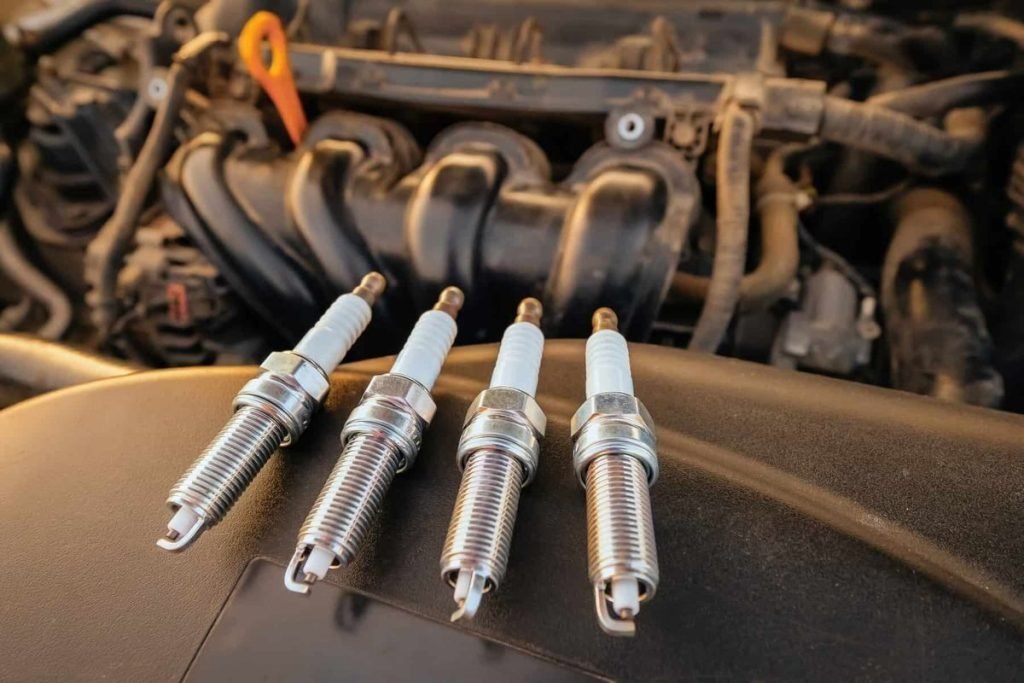
Different spark plugs come with different lifespans. Copper spark plugs usually last around 20,000 to 30,000 miles. Platinum plugs can go up to 60,000 miles, while iridium plugs often last over 100,000 miles.
Choosing the right type depends on your car and driving habits. If you drive daily in stop-and-go traffic, a more durable plug like iridium might be worth the investment. Have you checked which type your vehicle uses lately?
Manufacturer Recommendations
Your vehicle’s manual is a great place to start when figuring out how often to change spark plugs. Manufacturers provide mileage or time intervals based on extensive testing. Following these guidelines helps maintain your engine’s efficiency and longevity.
Ignoring these recommendations can lead to decreased fuel economy and rough idling. Have you ever waited too long to change your plugs and noticed a drop in performance? That’s a clear sign to stick to the schedule.
Factors Affecting Durability
Several factors can shorten or extend the life of your spark plugs. Driving conditions like frequent short trips, harsh weather, and dusty environments can wear them out faster. Engine issues such as oil leaks or poor fuel quality also play a role.
How you drive matters too—aggressive acceleration and high speeds can stress the plugs. Regular maintenance and inspections can catch problems early, preventing premature spark plug failure.

Credit: www.acg.aaa.com
Signs You Need A Change
Knowing the signs that spark plugs need changing helps keep your car running smoothly. Worn-out spark plugs affect engine performance and fuel use. Early detection saves money and prevents bigger problems. Watch for these common signals your spark plugs may need replacement.
Engine Misfires
Engine misfires cause jerking or hesitation while driving. They happen when spark plugs fail to ignite the fuel properly. Misfires reduce engine power and make acceleration uneven. A rough or shaky engine feels like it is struggling to run.
Poor Fuel Efficiency
Bad spark plugs lower fuel efficiency. The engine burns more fuel to compensate for weak sparks. You may notice more visits to the gas station. A sudden drop in miles per gallon often points to spark plug issues.
Starting Issues
Hard starting or failure to start can indicate spark plug problems. Weak or fouled plugs cannot ignite the fuel-air mix. The engine may crank but not start, especially in cold weather. Replacing spark plugs restores smooth engine starts.
Rough Idling
Rough idling means the engine shakes or sounds uneven when stopped. Worn spark plugs cause incomplete combustion at low speeds. You might feel vibrations inside the car cabin. Replacing spark plugs helps the engine idle quietly and steadily.
Checking Spark Plugs
Checking your spark plugs regularly can save you from unexpected engine trouble and costly repairs. It’s a simple task that gives you a clear picture of your engine’s health. Knowing how to inspect spark plugs helps you decide if they need cleaning, adjusting, or replacing.
Visual Inspection
Start by removing the spark plug and looking closely at its tip. Is it covered in black soot, oily residue, or has a white, chalky buildup? These signs tell you a lot about how your engine is running and if your plugs are functioning properly.
Look for cracks or worn electrodes as well. If the spark plug looks damaged or heavily worn, it’s time to replace it. Have you noticed your engine misfiring or struggling to start? Visual inspection might reveal why.
Measuring Gap Size
The gap between the spark plug’s electrodes affects the spark’s strength and efficiency. Use a feeler gauge to measure this gap and compare it with your vehicle’s recommended size. A gap that’s too wide or too narrow can cause poor combustion and reduce fuel efficiency.
Adjusting the gap is easy if it’s off, but if it’s consistently wrong every time you check, consider new spark plugs. Have you ever measured your spark plug gap before? It could be the simple fix your engine needs.
Using Diagnostic Tools
Modern diagnostic tools can scan your car’s engine control unit (ECU) for spark plug-related issues. These tools provide error codes that point directly to misfires or ignition problems. This saves you time guessing which plug is faulty.
Some advanced testers also check spark plug resistance and firing voltage. Investing in or borrowing these tools can make your spark plug maintenance more precise. How often do you rely on diagnostics instead of guesswork?
Credit: beachautomotive.com
Changing Spark Plugs
Changing spark plugs is a key task to keep your engine running well. Worn spark plugs can cause rough idling, lower fuel efficiency, and hard starts. Replacing them regularly helps maintain smooth engine performance and saves money on bigger repairs later.
Many cars need spark plug changes every 30,000 to 100,000 miles. Check your vehicle’s manual for the exact interval. Knowing how to change spark plugs yourself can save time and cost.
Tools Required
- Spark plug socket and ratchet
- Socket extension bar
- Torque wrench
- Gap gauge tool
- Anti-seize compound (optional)
- Dielectric grease
- Compressed air or small brush
- Protective gloves and safety glasses
Step-by-step Replacement
- Let the engine cool completely to avoid burns.
- Remove the ignition coil or spark plug wire from the plug.
- Use compressed air to clean around the spark plug area.
- Attach the spark plug socket to the ratchet and carefully remove the old plug.
- Check and set the gap on the new spark plug using the gap gauge.
- Apply a small amount of anti-seize compound to the threads, if recommended.
- Install the new spark plug by hand to avoid cross-threading.
- Tighten the spark plug with a torque wrench following specs.
- Reattach the ignition coil or wire securely.
- Repeat for each spark plug in your engine.
Torque Specifications
| Plug Type | Torque Range (ft-lbs) |
|---|---|
| Standard Copper | 10 – 15 |
| Platinum | 12 – 18 |
| Iridium | 12 – 20 |
Always follow your car manufacturer’s torque specifications. Too tight can damage threads; too loose causes poor performance.
Spark Plug Maintenance Tips
Keeping spark plugs in good condition helps your engine run smoothly. Proper maintenance extends their life and improves fuel efficiency. Simple care steps can prevent common spark plug problems. Follow these tips to keep your spark plugs clean and working well.
Cleaning Techniques
Remove dirt and carbon buildup with a wire brush or spark plug cleaner. Avoid using harsh chemicals that can damage the plug. Gently clean the electrodes and threads to keep them clear. Make sure the spark plug is dry before reinstalling it. Regular cleaning helps maintain strong sparks and better engine performance.
Preventing Fouling
Fouling happens when oil or fuel deposits cover the spark plug. Avoid short trips that don’t warm up the engine fully. Use the correct fuel type and avoid over-rich mixtures. Check for oil leaks that may cause fouling. Keeping the engine in good shape reduces the risk of dirty spark plugs.
Regular Engine Tune-ups
Schedule tune-ups to inspect and adjust spark plugs and other parts. Mechanics check the gap and replace worn plugs if needed. Tune-ups also help spot other engine issues early. Regular service keeps your vehicle running efficiently and extends spark plug life.
Impact On Vehicle Performance
Changing spark plugs regularly has a direct impact on how your vehicle performs. Worn spark plugs cause misfires and weak sparks. These issues reduce engine power and smoothness. Fresh spark plugs ensure the engine runs at its best. This section explains key performance benefits of changing spark plugs on time.
Improved Acceleration
New spark plugs create stronger and more consistent sparks. This helps the engine burn fuel more efficiently. As a result, your car accelerates faster and smoother. Old plugs cause hesitation and slower throttle response. Timely replacement keeps acceleration sharp and reliable.
Better Fuel Economy
Efficient combustion uses less fuel for the same power output. Worn spark plugs waste fuel with incomplete combustion. Replacing spark plugs improves fuel burning and reduces fuel waste. This leads to noticeable savings on gas over time. A well-maintained engine also runs cleaner and cooler.
Reduced Emissions
Proper spark plug function lowers harmful exhaust gases. Old or dirty plugs cause incomplete burning and increase emissions. Fresh plugs help the engine burn fuel fully and cleanly. Reduced emissions mean less pollution and a healthier environment. Also, your car is more likely to pass emissions tests.
Choosing The Right Spark Plugs
Choosing the right spark plugs can make a huge difference in your engine’s performance and longevity. It’s not just about swapping old plugs for new ones; it’s about picking the right type for your specific vehicle and driving habits. Understanding your options helps you avoid unnecessary repairs and keeps your car running smoothly.
Material Options
There are several spark plug materials, each with its pros and cons. Copper plugs are affordable and work well for older cars, but they wear out faster. Platinum plugs last longer and resist corrosion, making them a solid choice for most vehicles.
Iridium plugs are the most durable and provide better ignition, especially in modern engines. However, they come with a higher price tag. Think about your budget and how often you want to replace your plugs before making a choice.
Heat Range Importance
The heat range of a spark plug tells you how fast it can dissipate heat. Picking the wrong heat range can cause engine knocking or fouling. If your spark plug runs too hot, it may damage the engine; too cold, and it might foul quickly.
Check your vehicle’s manual for the recommended heat range. If you’ve modified your engine or drive in extreme conditions, you might need a different heat range to keep your engine safe.
Brand Recommendations
Not all spark plug brands are created equal. Trusted brands like NGK, Bosch, and Denso have proven quality and reliability. They often provide detailed specs and support, making your choice easier.
While cheaper brands might save money upfront, they can lead to more frequent replacements and engine issues. Investing in a reputable brand can save you time and hassle down the road.
When To Consult A Mechanic
Knowing when to consult a mechanic about your spark plugs can save you time, money, and frustration. Some signs are clear, but others might be subtle or linked to deeper engine issues. Understanding these signals helps you decide if it’s time to get professional help instead of guessing or delaying repairs.
Complex Engine Issues
If your engine starts misfiring or running rough even after you’ve replaced the spark plugs, it might indicate a more complex problem. Issues like faulty ignition coils or fuel system troubles can mimic spark plug symptoms. Don’t try to fix these on your own unless you have the right tools and knowledge.
Your mechanic can use diagnostic tools to pinpoint the exact cause. This ensures you don’t waste money on unnecessary parts or repairs. Have you noticed your check engine light coming on repeatedly? That’s a strong sign to get professional advice.
Persistent Problems
When your car’s fuel efficiency drops or it struggles during acceleration despite regular maintenance, persistent spark plug problems could be at play. If spark plugs wear out quickly or you need to change them more often than recommended, it’s time to talk to a mechanic. Persistent issues often point to underlying problems you might miss.
Ignoring these can lead to bigger engine damage. Sometimes, the spark plugs aren’t the root cause but a symptom of other issues like engine deposits or wiring faults. Asking a professional can prevent you from spending on quick fixes that don’t last.
Professional Inspection Benefits
Getting a mechanic to inspect your spark plugs and engine regularly offers peace of mind and better performance. Professionals can spot early wear and recommend the right spark plug type for your vehicle, which is not always obvious. This small step can improve your engine’s lifespan and reduce repair costs.
Mechanics also check related components like ignition wires and coils, ensuring everything works well together. Have you ever been surprised by how one simple inspection fixed multiple hidden problems? A professional check can do the same for your car.
Frequently Asked Questions
How Often Should Spark Plugs Be Replaced?
Spark plugs usually need replacement every 30,000 to 100,000 miles. Check your vehicle’s manual for specific intervals. Regular replacement ensures optimal engine performance and fuel efficiency.
What Are Signs Of Worn-out Spark Plugs?
Common signs include engine misfires, poor fuel economy, rough idling, and difficulty starting. If you notice these, inspect or replace your spark plugs promptly.
Can Old Spark Plugs Damage My Engine?
Yes, worn spark plugs can cause engine misfires and reduce performance. Prolonged use may lead to engine damage and increased emissions, so timely replacement is crucial.
Does Driving Style Affect Spark Plug Lifespan?
Aggressive driving can wear spark plugs faster due to increased engine stress. Smooth, consistent driving helps maintain spark plug condition and extends their lifespan.
Conclusion
Spark plug changes keep your engine running smoothly. Regular checks prevent engine issues. Most cars need new plugs every 30,000 miles. Some last 100,000 miles. Check your car’s manual for specifics. Listen to your engine. Rough idling or slow starts?
Time for a change. Ignoring spark plug wear can lower fuel efficiency. It might even damage the engine. Stay proactive. Keep your car in top shape. Regular maintenance saves money and stress. Always consult a professional if unsure. Your car deserves the best care.
Make spark plug checks a routine. Enjoy smoother rides and peace of mind.