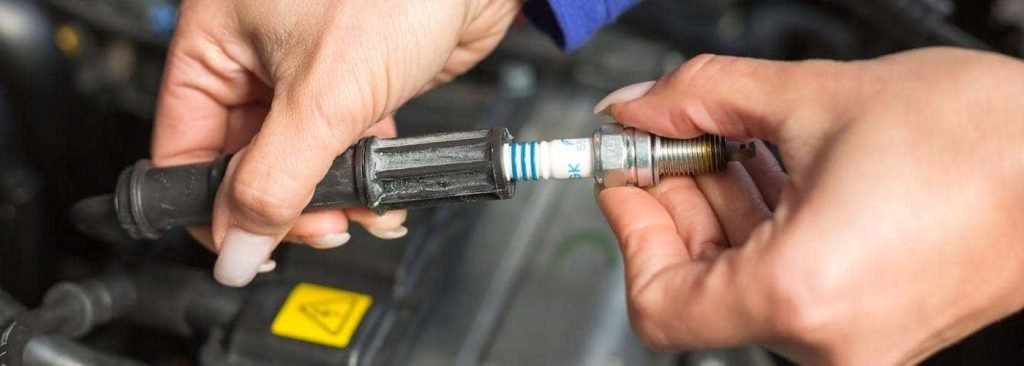
Ever wonder how often you should change the spark plugs in your car? You’re not alone.
Many car owners overlook this crucial aspect of vehicle maintenance, potentially risking engine efficiency and fuel economy. Imagine driving with the confidence that your car is performing at its best, all because you took the time to understand spark plug maintenance.
By the end of this article, you’ll know exactly when and why to replace your spark plugs, ensuring a smoother ride and a healthier engine. Curious to discover how a small change can make a big impact on your car’s performance? Let’s dive in and explore the essential role spark plugs play in your vehicle’s health.
Spark Plug Basics
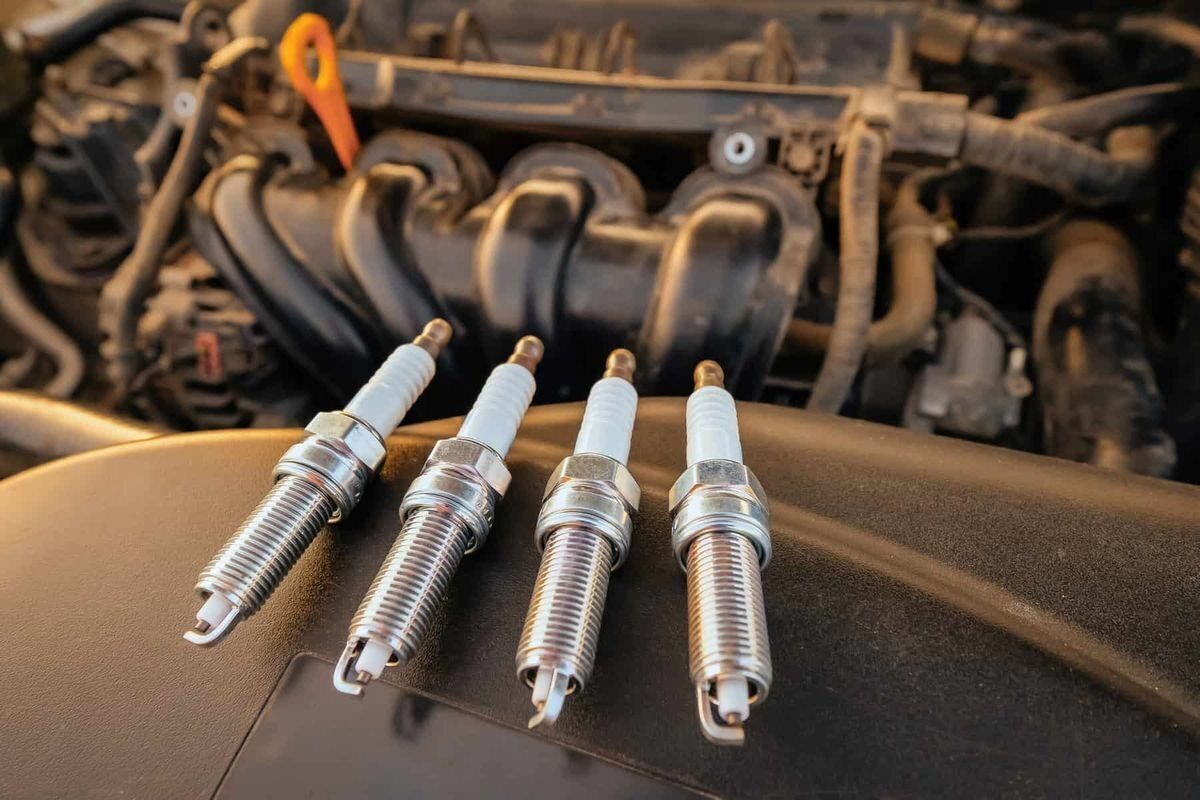
Spark plugs are small but vital parts of your car’s engine. They create the spark that ignites the air-fuel mixture inside the engine cylinders. This ignition powers your car and keeps it running smoothly. Understanding spark plugs helps you know why and when to replace them for optimal car performance.
Role In Engine Performance
Spark plugs play a key role in engine performance. They start the combustion process by producing a spark at the right time. This spark lights the fuel and air mixture inside the engine. Good spark plugs ensure efficient combustion, better fuel economy, and smooth engine running. Worn-out spark plugs can cause poor starting, misfires, and reduced power.
Types Of Spark Plugs
There are several types of spark plugs, each designed for different engines and conditions. Common types include:
- Copper Spark Plugs:Basic type, good conductor, but wears out faster.
- Platinum Spark Plugs:Longer-lasting and better performance than copper.
- Iridium Spark Plugs:Most durable, efficient, and provide better ignition.
- Double Platinum Spark Plugs:Have platinum on both electrodes for longer life.
Choosing the right spark plug depends on your car’s make and driving style. Always check the owner’s manual for the recommended type.

Credit: www.acg.aaa.com
Signs To Change Spark Plugs
Spark plugs play a key role in your car’s engine. They help ignite the fuel and air mixture. Over time, spark plugs wear out and need replacement. Knowing the signs helps keep your car running smoothly. Watch for these common problems to know when to change spark plugs.
Engine Misfires And Rough Idling
When spark plugs are old, your engine may misfire. This causes a jerky ride or sudden loss of power. The engine may run roughly when idling. You might hear unusual noises or feel vibrations. These symptoms often mean the spark plugs need changing.
Poor Fuel Economy
Worn spark plugs burn fuel less efficiently. Your car uses more gas than usual. You may notice you visit the gas station more often. This drop in fuel economy is a clear sign to check the spark plugs. Replacing them can improve mileage and save money.
Difficulty Starting
Old spark plugs make starting your car harder. The engine may crank longer before it starts. Sometimes, it may not start at all. This problem happens because spark plugs can’t create a strong spark. Changing them fixes starting troubles quickly.
Manufacturer Recommendations
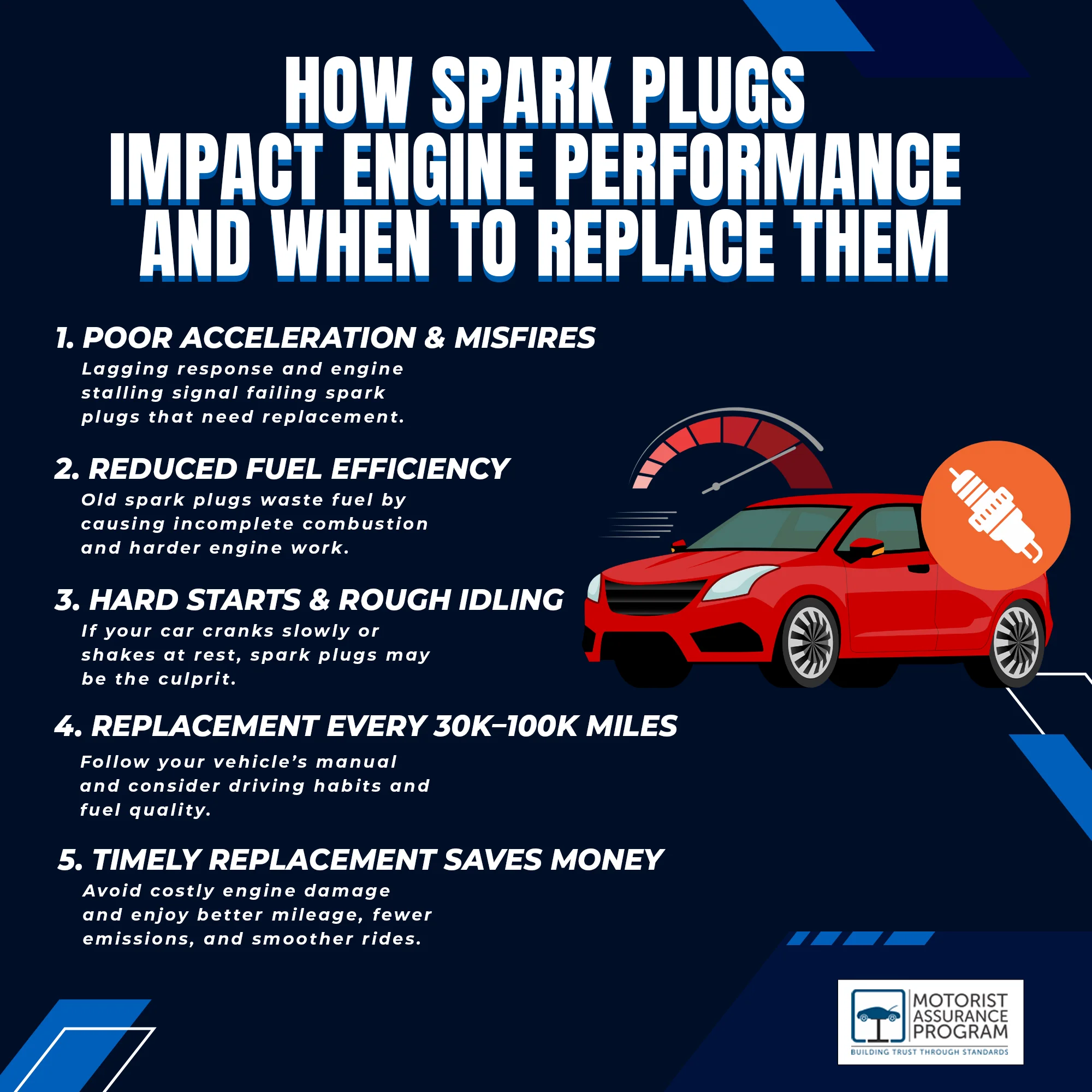
Car manufacturers provide specific guidelines for changing spark plugs. These recommendations help keep your engine running smoothly. Following them can improve fuel efficiency and reduce engine misfires. Ignoring these instructions may cause poor engine performance and higher repair costs.
Each manufacturer may suggest different intervals based on the car model and spark plug type. It is important to check your vehicle’s owner manual for the exact details. The guidelines usually focus on two main factors: mileage and time.
Mileage Guidelines
Most manufacturers advise changing spark plugs between 30,000 and 100,000 miles. This range depends on the spark plug material:
- Copper plugs: around 30,000 miles
- Platinum plugs: up to 60,000 miles
- Iridium plugs: up to 100,000 miles
Newer cars often use iridium or platinum plugs for longer life. Older models may require more frequent changes. Always refer to the specific mileage recommendation in your manual.
Time Intervals
Besides mileage, manufacturers suggest changing spark plugs after a certain time period. This is usually every 2 to 5 years. Even if you drive less, spark plugs can wear out over time. Moisture and corrosion may affect their performance.
Regular inspection is important if you do not meet the mileage guideline within the time frame. Replace spark plugs based on whichever comes first: mileage or time. This ensures your engine stays healthy and efficient.
Credit: motorist.org
Factors Affecting Spark Plug Life
Spark plugs wear out at different rates depending on several factors. Knowing these factors helps you change them at the right time. Spark plug life is not the same for every car or driver. Understanding what affects their lifespan can save money and prevent engine problems.
Driving Conditions
Harsh driving conditions shorten spark plug life. Frequent stop-and-go traffic makes plugs work harder. Long trips at steady speeds cause less wear. Driving in dusty or dirty areas clogs plugs faster. Cold starts and short trips increase spark plug wear too.
Engine Type
Different engines use different spark plugs. High-performance engines need plugs that handle more heat. Older engines often require plugs replaced more often. Some modern engines use long-life iridium or platinum plugs. Knowing your engine type helps choose the right plugs and replacement schedule.
Fuel Quality
Low-quality fuel affects spark plug health. Poor fuel leaves deposits on the plugs. Deposits reduce spark efficiency and cause misfires. Using high-quality fuel keeps plugs cleaner longer. Clean fuel means better engine performance and longer plug life.
How To Check Spark Plugs
Checking your spark plugs regularly can save you from unexpected engine troubles and improve your car’s performance. Knowing how to inspect them yourself helps you spot issues early, ensuring your vehicle runs smoothly. Here’s how you can examine your spark plugs effectively.
Visual Inspection
Start by removing the spark plug carefully with a spark plug socket. Look closely at the tip of the plug for signs of wear or damage.
- Color:A healthy spark plug usually has a light tan or grayish color. Black, oily, or sooty deposits indicate problems like oil leaks or a rich fuel mixture.
- Cracks or Chips:Any visible cracks on the ceramic insulator or damage to the electrodes means the spark plug needs replacement.
- Build-up:Excessive carbon deposits can cause misfires and poor fuel economy.
Have you ever noticed your engine hesitating or losing power? Checking the visual condition of your spark plugs might reveal the culprit.
Measuring Electrode Wear
The electrodes on spark plugs wear down over time, affecting the spark quality. You can measure the gap between the center and ground electrodes using a spark plug gap tool or feeler gauge.
- Compare the measured gap to your car’s recommended specification found in the owner’s manual.
- If the gap is too wide or too narrow, the spark may be weak, causing rough idling or difficulty starting.
- Regularly measuring and adjusting the gap can extend the life of your spark plugs and improve engine efficiency.
Have you checked the electrode gap before? It’s a simple step that can make a big difference in your car’s performance and fuel consumption.
Replacing Spark Plugs
Replacing spark plugs is a key task for maintaining a car’s engine. Fresh spark plugs help the engine run smoothly and improve fuel efficiency. Old or worn plugs cause misfires, rough idling, and poor performance. Changing spark plugs regularly keeps your car reliable and saves money on repairs.
Tools Needed
- Spark plug socket wrench
- Ratchet with extension
- Torque wrench
- Gap gauge or feeler tool
- Dielectric grease
- Compressed air or small brush
- Protective gloves
Step-by-step Replacement
Start by letting the engine cool completely. Remove the ignition coil or spark plug wire carefully. Use compressed air to clean debris around the plug.
Insert the spark plug socket and turn counterclockwise to loosen the plug. Pull the old plug out gently. Check the new plug’s gap before installing.
Thread the new spark plug by hand to avoid cross-threading. Tighten it with a torque wrench to the manufacturer’s specification. Reattach the ignition coil or wire securely.
Gap Settings
The spark plug gap affects engine performance. Use a gap gauge to measure the gap between electrodes. The correct gap size is in the owner’s manual or spark plug box.
Adjust the gap carefully by bending the ground electrode slightly. A proper gap ensures efficient combustion and smooth running. Avoid gaps that are too wide or narrow.
Benefits Of Timely Replacement
Replacing spark plugs on time keeps your car running smoothly. It prevents engine problems and saves money. Regular changes boost car performance and extend engine life. Here are the key benefits of timely spark plug replacement.
Improved Engine Efficiency
Fresh spark plugs ignite fuel better. This leads to smoother engine starts and consistent power. Old plugs cause misfires and rough idling. Timely changes help the engine run at its best.
Reduced Emissions
Clean spark plugs burn fuel more completely. This lowers harmful gases released into the air. Worn plugs increase pollution due to incomplete combustion. Replacing them reduces your car’s environmental impact.
Enhanced Fuel Economy
New spark plugs improve fuel burning efficiency. This means your car uses less gas for the same distance. Old plugs waste fuel, raising your costs at the pump. Changing plugs on time saves money and fuel.
Common Mistakes To Avoid
Changing spark plugs may seem straightforward, but many car owners fall into common traps that can cost time and money. Avoiding these mistakes ensures your engine runs smoothly and saves you from frequent repairs. Let’s look at some errors to watch out for when replacing spark plugs.
Over-tightening
It’s tempting to tighten spark plugs as much as possible, thinking it will secure them better. However, over-tightening can damage the threads in the cylinder head, leading to costly repairs. Use a torque wrench and follow the recommended tightness to avoid stripping or cracking.
Have you ever felt unsure about how tight is “tight enough”? That hesitation is a good sign to double-check your manual rather than guess.
Using Wrong Spark Plugs
Choosing spark plugs not designed for your car can cause poor performance and even engine damage. Different engines require specific heat ranges and sizes to function properly. Using the wrong spark plug might lead to misfires, reduced fuel efficiency, or rough idling.
Before buying, verify the exact spark plug model your car’s manufacturer recommends. If you’re in doubt, ask a trusted mechanic or consult your vehicle’s manual.
Ignoring Manufacturer Specs
Ignoring the manufacturer’s specifications is one of the biggest mistakes you can make. Each car model has precise guidelines for spark plug type, gap size, and replacement intervals. Skipping these details might shorten the spark plug’s life or harm your engine’s performance.
When was the last time you checked your owner’s manual for spark plug info? Your car knows best—listen to it.
Credit: www.westsideauto.com.au
Frequently Asked Questions
How Often Should Spark Plugs Be Replaced?
Spark plugs typically need replacement every 30,000 to 100,000 miles. Check your vehicle’s manual for specific intervals. Regular replacement ensures optimal engine performance and fuel efficiency.
What Are Signs Of Worn Spark Plugs?
Common signs include engine misfires, rough idling, poor fuel economy, and difficulty starting. Worn spark plugs affect engine smoothness and power.
Can I Change Spark Plugs Myself?
Yes, changing spark plugs is doable with basic tools. Follow your car’s manual for the correct type and gap settings. Proper installation prevents engine issues.
Does Changing Spark Plugs Improve Fuel Efficiency?
Replacing old spark plugs can improve fuel efficiency by ensuring better combustion. Clean, well-functioning plugs help your engine run smoothly and save fuel.
Conclusion
Changing spark plugs regularly keeps your car running smooth. Most cars need new plugs every 30,000 to 100,000 miles. Check your car’s manual to find the right interval. Worn spark plugs cause poor fuel economy and engine trouble. Don’t wait for problems to start.
Regular maintenance saves time and money. A quick spark plug change can improve your car’s power and start-up. Stay on top of this simple task for a better driving experience. Your car will thank you with better performance and fewer breakdowns.





