Have you ever wondered how often you should change the spark plugs in your car? It’s one of those small but crucial parts that keeps your engine running smoothly.
Ignoring them can lead to poor fuel efficiency, engine misfires, or even costly repairs down the road. You’ll discover the signs that tell you it’s time for a change and how the right timing can save you money and stress.
Keep reading to learn exactly when and why you need to pay attention to your spark plugs.

Credit: www.acg.aaa.com
Spark Plug Basics
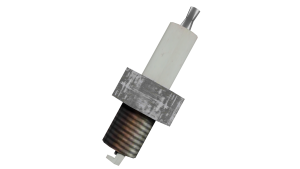
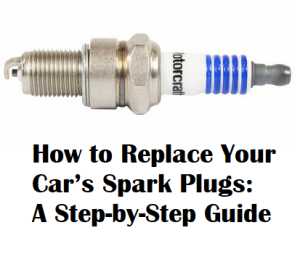
Spark plugs are small but vital parts of a car’s engine. They create the spark needed to ignite the fuel-air mix. This ignition powers the engine and keeps your car running smoothly. Understanding spark plugs helps you know when to change them for best engine health.
Role In Engine Performance
Spark plugs start the engine by producing sparks. These sparks ignite the fuel-air mixture inside the cylinders. This ignition causes combustion, which powers the pistons. Proper spark plugs improve fuel efficiency and reduce emissions. Worn or faulty spark plugs can cause rough idling and poor acceleration.
Types Of Spark Plugs
Spark plugs come in different types based on materials and design. Common types include:
- Copper spark plugs: Good conductor but wear out faster.
- Platinum spark plugs: Last longer than copper and resist corrosion.
- Iridium spark plugs: Most durable and provide better performance.
Choosing the right type depends on your car model and driving needs.
Signs You Need New Spark Plugs
Knowing when to change your car’s spark plugs can save you from unexpected breakdowns and costly repairs. Spark plugs play a crucial role in igniting the fuel-air mixture in your engine. When they start to wear out, your vehicle will show clear signs that it’s time for a replacement.
Engine Misfires
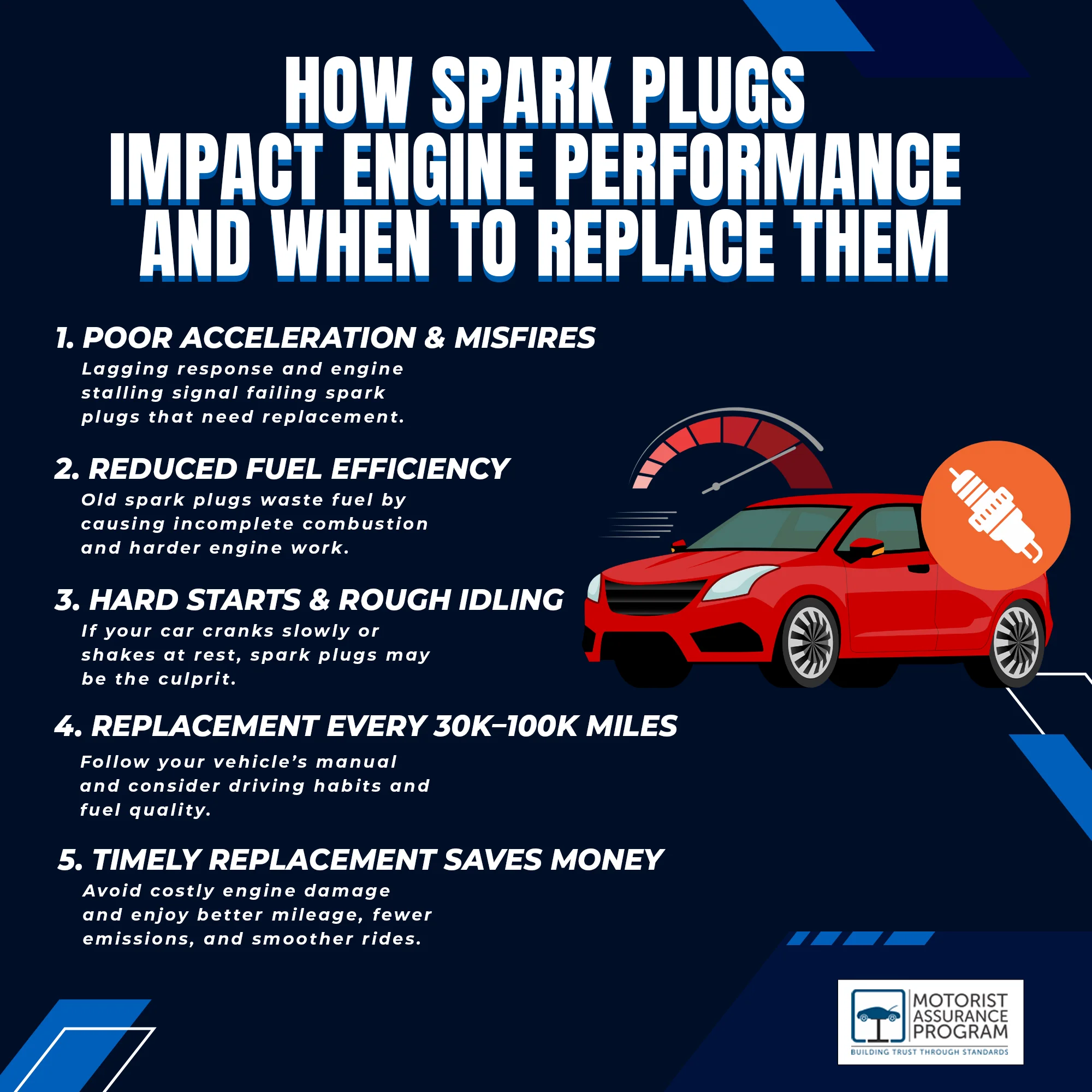
Have you noticed your engine suddenly jerking or hesitating while driving? This is often caused by spark plugs that aren’t firing correctly. Misfires can lead to rough acceleration and even damage your catalytic converter if ignored.
Pay attention if your check engine light turns on. A scan tool can confirm if misfires relate to spark plug issues. Replacing worn spark plugs usually restores smooth engine performance quickly.
Poor Fuel Economy
If your car’s gas mileage drops without any change in your driving habits, old spark plugs might be the culprit. Worn plugs cause incomplete combustion, wasting fuel and reducing efficiency.
Imagine filling up more often than usual—that’s your wallet feeling the effect. New spark plugs can improve fuel economy by ensuring every drop of gas burns properly.
Difficulty Starting
When you turn the key and the engine struggles to start, weak spark plugs could be behind the problem. Bad plugs fail to ignite the fuel consistently, especially in cold weather.
If your engine cranks longer or needs multiple attempts before starting, check the spark plugs before replacing expensive parts like the battery or starter.
Rough Idling
Does your car shake or vibrate when idling at a stoplight? Faulty spark plugs often cause rough idling because the engine cylinders don’t fire evenly.
This uneven firing leads to noticeable vibrations and sometimes stalling. Swapping out your spark plugs can bring back a smooth, steady idle that feels right every time.
Recommended Replacement Intervals
Knowing the right time to change spark plugs keeps your car running well. Spark plugs wear out over time and affect engine performance. Replacing them at the right interval improves fuel efficiency and smooths engine starts. Different factors affect how often you should change spark plugs.
Manufacturer Guidelines
Car makers provide specific spark plug change intervals. These intervals appear in the owner’s manual. They often range between 30,000 and 100,000 miles. Following these guidelines helps maintain engine health and avoid damage. Check your manual for the exact recommendation for your vehicle.
Impact Of Driving Conditions
Driving style and conditions affect spark plug life. Stop-and-go traffic or short trips cause faster wear. Dusty or dirty environments also reduce spark plug lifespan. Towing heavy loads can increase heat and stress on plugs. In these cases, change spark plugs more often than the manual suggests.
High-performance Spark Plugs
High-performance spark plugs differ from standard ones. They often last longer but need special care. These plugs handle higher temperatures and more power. Racing or modified engines may require more frequent checks. Always use plugs designed for your engine type to avoid problems.
Checking Spark Plug Condition
Checking the condition of your spark plugs is a key part of keeping your car running smoothly. It can tell you a lot about engine performance and whether your plugs need replacing. Taking a few minutes to inspect them can save you from costly repairs and improve fuel efficiency.
Visual Inspection Tips
Start by removing the spark plug carefully to avoid damaging the threads. Look for signs of wear like cracks, heavy deposits, or a burnt appearance. A healthy spark plug usually has a light tan or gray color on the electrode.
Black, oily, or sooty deposits often point to engine problems like oil leaks or poor fuel combustion. If the electrode is worn down or the insulator is chipped, it’s time for a replacement. Do you know what your spark plugs should look like? Keeping a reference photo handy can help you spot issues faster.
Measuring Spark Plug Gap
The gap between the center and ground electrode affects how the spark ignites the fuel-air mix. If the gap is too small or too wide, your engine may misfire or run inefficiently. Measuring this gap accurately can reveal whether the spark plug still meets your car’s specifications.
Use a feeler gauge to check the gap size against the manufacturer’s recommended range. If the gap is off, some plugs can be adjusted gently, but many require replacement to maintain optimal performance. Checking this gap regularly prevents engine hesitation and rough idling.
Tools Needed
- Spark plug socket and ratchet:To safely remove and reinstall spark plugs without damage.
- Feeler gauge:For precise measurement of the spark plug gap.
- Wire brush or spark plug cleaner:To remove deposits if you plan to reuse the plugs.
- Torque wrench:To tighten spark plugs to the correct specification, avoiding over-tightening.
Having these tools ready makes the inspection quicker and ensures you don’t miss any important details. What’s your current setup for car maintenance? Investing in basic tools can empower you to keep your vehicle in top shape.
Replacing Spark Plugs
Replacing spark plugs is a key part of keeping your car running smoothly. Worn-out plugs can cause rough idling, poor fuel efficiency, and even engine misfires. Knowing how to replace them yourself can save you time and money, and help you understand your vehicle better.
Step-by-step Process
First, gather the tools you need: a spark plug socket, ratchet wrench, and a gap gauge. Make sure your engine is cool before you start to avoid burns.
- Locate the spark plugs by following the ignition wires or coil packs.
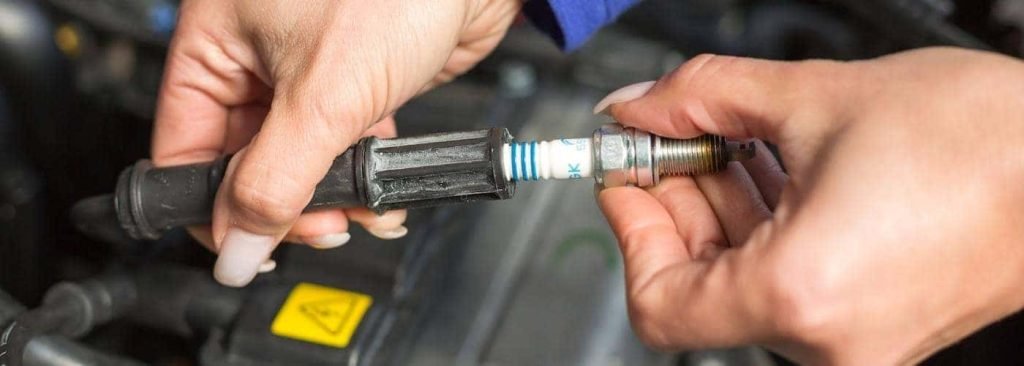
- Remove the ignition wire or coil pack carefully without damaging it.
- Use the spark plug socket and ratchet to unscrew the old plug.
- Check the gap on the new spark plug with a gap gauge and adjust if necessary.
- Install the new plug by hand to avoid cross-threading, then tighten it with the wrench.
- Reconnect the ignition wire or coil pack securely.
Remember, taking your time with each step ensures you don’t damage any components. Have you ever tried changing spark plugs yourself? It’s easier than many think and very satisfying once done right.
Safety Precautions
Always work with the engine off and cool. Hot engine parts can cause serious burns.
Wear gloves to protect your hands from sharp edges and chemicals. Eye protection is also important in case debris falls while you work.
Disconnect the car battery if you’re unsure about electrical safety. This prevents accidental shocks or short circuits during the job.
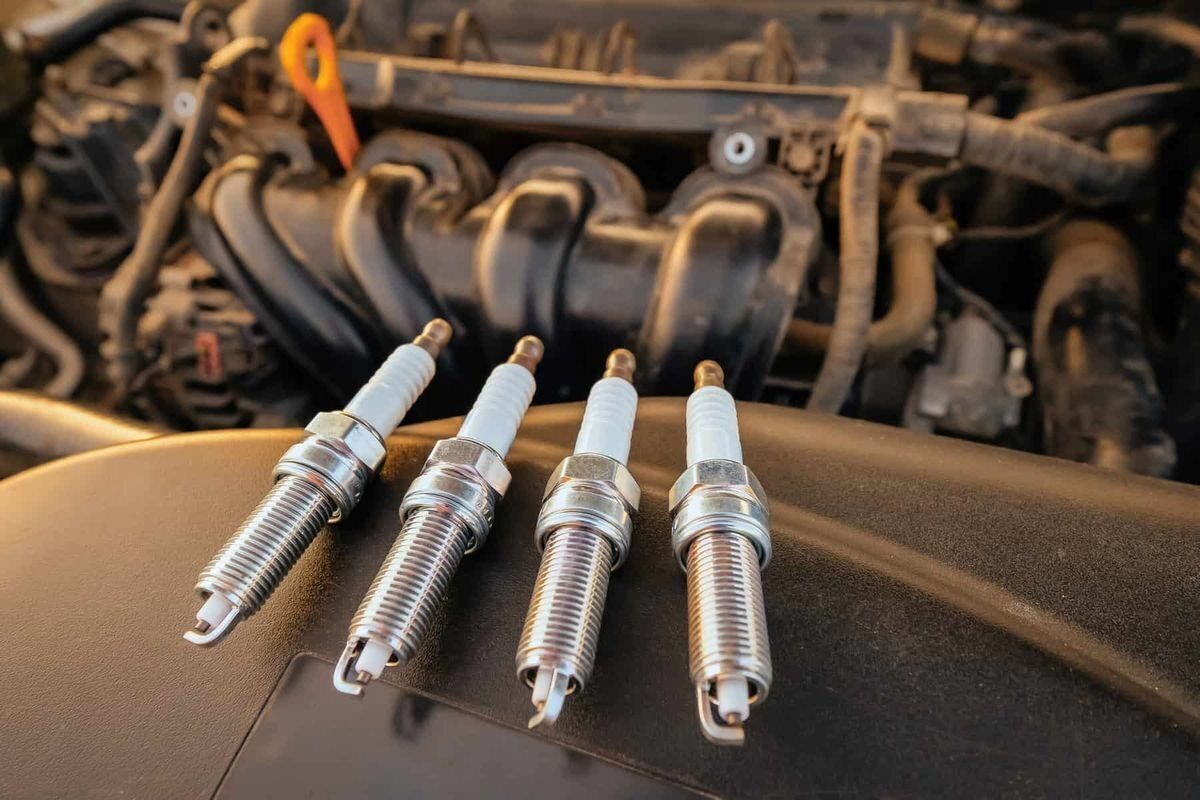
When To Seek Professional Help
If your spark plugs are hard to reach or covered by complex engine components, a mechanic’s help might be necessary. Some modern cars have coil-on-plug systems that require special tools and knowledge.
Persistent engine problems after changing spark plugs indicate deeper issues. A professional can diagnose and fix problems beyond simple plug replacement.
Are you confident in your skills, or do you prefer letting experts handle this? Sometimes, investing in professional service saves headaches down the road.
Credit: www.westsideauto.com.au
Maintenance Tips For Longevity
Keeping your spark plugs in good shape is key to extending their life and improving your car’s overall performance. Simple maintenance habits can make a big difference in how often you need to replace them. Let’s look at some practical tips that help you get the most out of your spark plugs.
Using Quality Fuel
Fuel quality directly affects the condition of your spark plugs. Lower-grade fuel can leave deposits that clog the spark plugs, reducing their efficiency. Choose reputable fuel brands to minimize harmful buildup and keep your engine running smoothly.
Have you noticed a drop in fuel economy or rough idling? That might be your spark plugs signaling a fuel quality issue. Paying attention to this can save you from premature replacements.
Regular Engine Tune-ups
Scheduling routine engine tune-ups can catch problems before they affect your spark plugs. During a tune-up, mechanics check ignition timing, air filters, and fuel injectors, all of which impact spark plug performance. Keeping these components in check prevents unnecessary wear on your plugs.
Think of a tune-up as a checkup for your car’s heart. Ignoring it means risking more frequent spark plug changes and engine troubles down the road.
Avoiding Harsh Driving
Driving habits play a huge role in spark plug longevity. Aggressive acceleration, heavy idling, and excessive short trips can cause spark plugs to wear faster. Try to drive smoothly and avoid frequent stop-and-go traffic when possible.
Next time you hit the gas hard, ask yourself if it’s worth the extra wear on your spark plugs. Gentle driving habits not only protect your plugs but also improve your overall fuel efficiency.
Credit: motorist.org
Frequently Asked Questions
How Often Should Spark Plugs Be Replaced?
Spark plugs typically need replacement every 30,000 to 100,000 miles. Check your car’s manual for exact intervals. Regular replacement ensures better engine performance and fuel efficiency.
What Are Signs Of Worn Spark Plugs?
Common signs include engine misfires, poor fuel economy, rough idling, and difficulty starting. If you notice these, inspect or replace spark plugs promptly.
Can Old Spark Plugs Damage My Engine?
Yes, worn spark plugs can cause engine misfires and damage over time. Replacing them on schedule prevents costly repairs and maintains engine health.
Does Driving Style Affect Spark Plug Life?
Yes, aggressive driving or frequent short trips can reduce spark plug lifespan. Gentle driving and regular maintenance help extend their durability.
Conclusion
Regular spark plug changes maintain your car’s performance. Ignoring them can cause problems. Check your owner’s manual for exact intervals. Typically, replace them every 30,000 miles. Some modern cars allow longer intervals. But always inspect them for wear and tear.
Worn plugs affect engine efficiency. They increase fuel consumption. Timely replacement saves money and extends engine life. Remember, a well-maintained car runs smoothly. Prioritize spark plug checks in your maintenance routine. They’re small parts, but crucial. Stay proactive. Keep your car in top shape for safer, smoother drives.