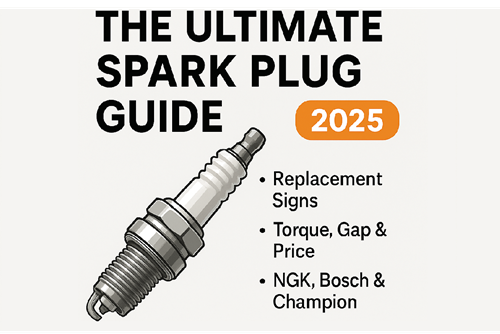
Do you often wonder if your car is running as smoothly as it should? One crucial yet often overlooked component that plays a significant role in your vehicle’s performance is the humble spark plug.
These small, yet mighty parts are essential for igniting the fuel-air mixture in your engine, ensuring everything runs efficiently. But how often do spark plugs need replacing to keep your engine purring like a kitten? Understanding the lifespan of your spark plugs can save you from unexpected breakdowns and costly repairs.
By giving your car the attention it needs, you ensure a safer, more reliable ride. So, if you’re curious about how to keep your engine in peak condition, you’re in the right place. Dive in to discover how maintaining your spark plugs can lead to a smoother driving experience and peace of mind on the road.
Spark Plug Basics
Understanding the basics of spark plugs can save you time and money on car maintenance. These small but crucial parts keep your engine running smoothly by igniting the air-fuel mixture. Knowing what they do and the types available helps you decide when and how to replace them.
What Spark Plugs Do
Spark plugs create the spark that ignites the fuel and air mixture inside your engine’s cylinders. This controlled explosion powers your car by pushing the pistons down. Without a properly working spark plug, your engine may misfire, run inefficiently, or fail to start.
Think about a time your car hesitated or stalled unexpectedly. Often, worn spark plugs are the culprit behind those frustrating moments. Regularly checking them can prevent sudden breakdowns and improve fuel efficiency.
Types Of Spark Plugs
Not all spark plugs are the same. Choosing the right type depends on your vehicle and driving habits. Here are the common types:
- Copper Spark Plugs:Affordable and good for older cars, but wear out faster.
- Platinum Spark Plugs:Longer-lasting than copper, provide better performance.
- Iridium Spark Plugs:The most durable, offering excellent ignition and fuel efficiency.
When was the last time you checked your spark plugs? Matching the right type to your car can improve power and save fuel, so it pays to know your options.
Credit: beachautomotive.com
Signs Of Worn Spark Plugs
Worn spark plugs can quietly sabotage your car’s performance. Recognizing the signs early can save you from costly repairs and keep your engine running smoothly. Let’s look closely at the key symptoms that tell you it’s time to replace those spark plugs.
Engine Misfires
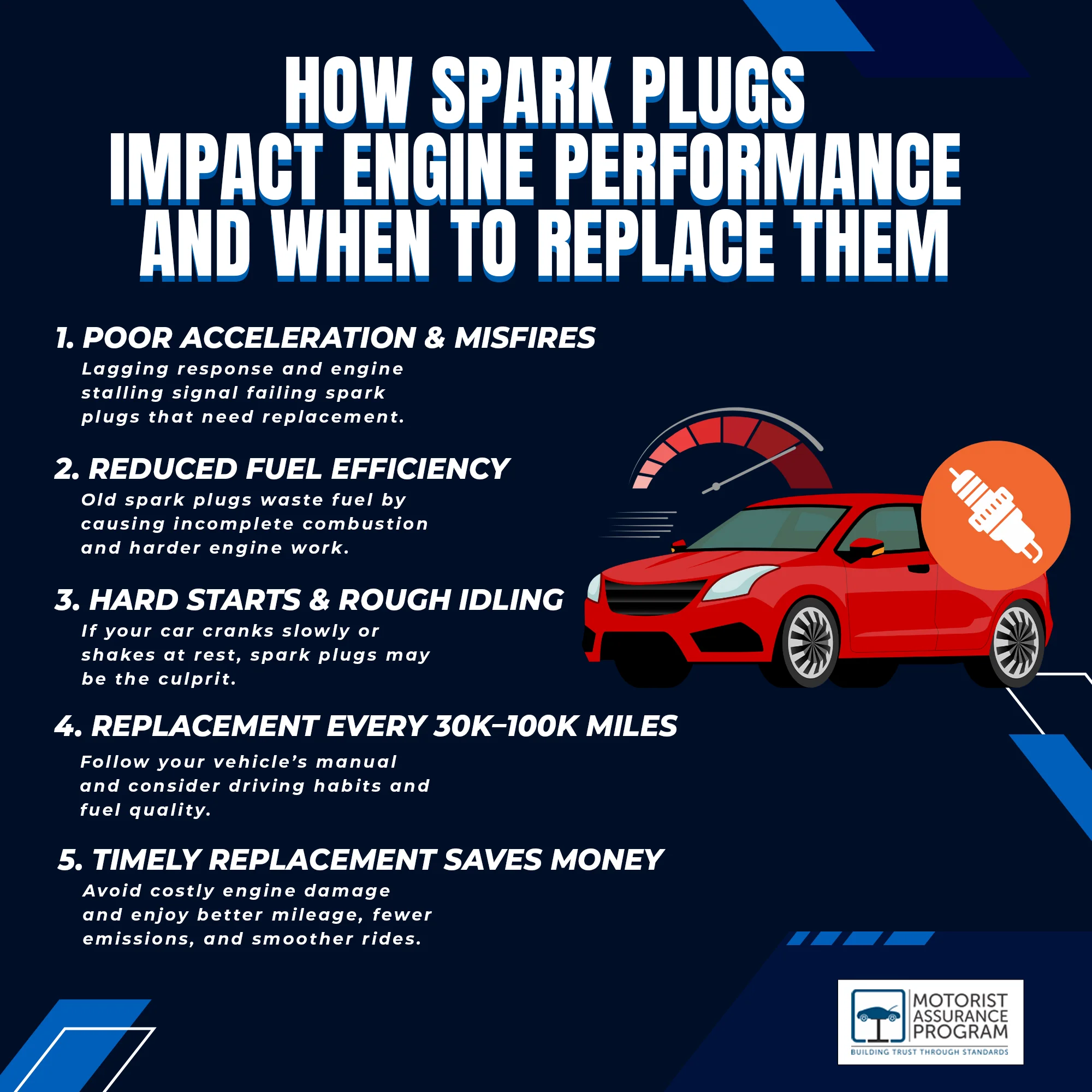
One of the clearest signs of worn spark plugs is engine misfires. You might notice your car jerking or hesitating during acceleration. This happens because old spark plugs can’t ignite the fuel-air mixture efficiently, causing the engine to stumble.
If you hear a sudden popping noise or feel a rough idle, don’t ignore it. These are classic misfire symptoms that point directly to spark plug problems. Have you ever experienced your car sputtering unexpectedly? It’s often a sign your spark plugs are struggling.
Poor Fuel Efficiency
Do you find yourself filling up the tank more often than usual? Worn spark plugs can decrease your fuel efficiency. When the spark is weak, your engine burns more fuel to compensate, which means you’re wasting money at the pump.
Tracking your mileage can reveal this issue early on. A noticeable drop in miles per gallon is your car’s way of telling you something isn’t right under the hood. Paying attention here can keep your wallet and your engine happy.
Difficulty Starting
Have you noticed your car takes longer to start or needs several attempts before the engine catches? Faulty spark plugs often cause this problem. Without a strong spark, your engine struggles to ignite the fuel mixture, making startup harder.
This issue can become more apparent in cold weather when engines naturally need more help to start. If your car hesitates or feels sluggish when you turn the key, inspecting your spark plugs should be at the top of your checklist. Are you ready to give your engine the spark it needs?
Replacement Intervals
Knowing the right time to replace your spark plugs can save you from unexpected car troubles and improve your engine’s performance. Replacement intervals aren’t one-size-fits-all; they vary based on several factors. Understanding these intervals helps you maintain your vehicle efficiently without overspending or risking damage.
Manufacturer Recommendations
Every car manufacturer provides specific guidelines on how often spark plugs should be replaced. These intervals usually range from 30,000 to 100,000 miles, depending on the type of spark plug used. Checking your owner’s manual is the best starting point—it offers tailored advice based on your vehicle’s engine design.
Ignoring these recommendations can lead to decreased fuel efficiency and rough idling. If you’re unsure, ask your mechanic to inspect the plugs during routine maintenance. Staying within the suggested mileage helps keep your engine running smoothly.
Impact Of Driving Conditions
Your driving habits and environment play a big role in how quickly spark plugs wear out. Frequent short trips, stop-and-go traffic, or driving in dusty, hot, or cold climates can cause plugs to degrade faster. These tough conditions increase the strain on your ignition system.
Think about your daily commute: is it mostly highway cruising or city traffic? If you spend a lot of time in harsh conditions, consider replacing plugs more often than the manufacturer suggests. This proactive step can prevent misfires and maintain engine power.
High-performance Vs Standard Plugs
High-performance spark plugs are designed to withstand higher temperatures and provide better ignition for powerful engines. They often last longer than standard plugs but come with a higher price tag. If you drive a sports car or a vehicle tuned for performance, these plugs can offer noticeable benefits.
Standard plugs work well for everyday driving and are usually less expensive to replace. Choosing the right type depends on your vehicle’s needs and your driving style. Have you noticed your engine struggling under load or during acceleration? Upgrading your spark plugs might be the solution.
Checking Spark Plug Condition
Checking the condition of spark plugs helps maintain engine performance. Regular checks prevent engine misfires and poor fuel efficiency. A worn spark plug can cause rough idling and hard starts. Understanding the spark plug’s state guides you on when to replace it.
Visual Inspection Tips
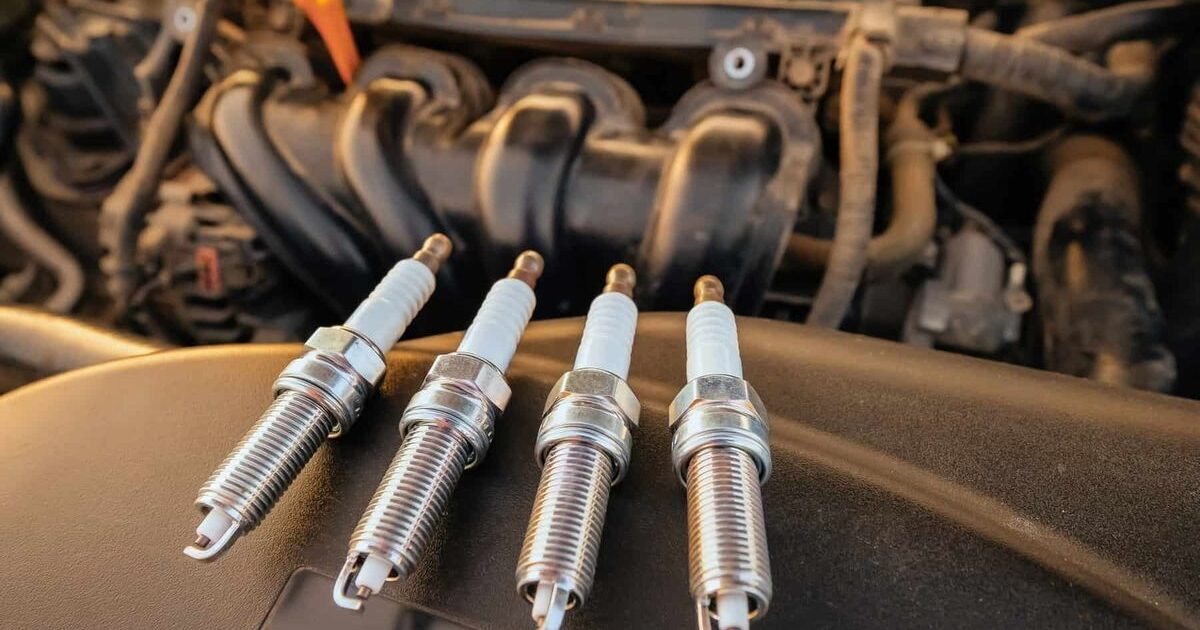
Remove the spark plug carefully using a socket wrench. Check the electrode for wear and deposits. A light tan or gray color shows normal wear. Black, oily deposits suggest oil leaks or rich fuel mixture. White deposits can mean overheating or lean fuel mixture.
Look for cracks or chips on the ceramic insulator. Check the gap between the electrodes with a feeler gauge. A gap wider than recommended affects the spark quality. Compare the gap to your car’s manual specifications.
Using Diagnostic Tools
Modern cars use onboard diagnostics to detect spark plug issues. A scan tool reads error codes related to ignition problems. Misfire codes often point to faulty spark plugs or ignition coils. Some scan tools show live data for engine misfires.
Use a multimeter to test spark plug resistance. High resistance indicates a failing spark plug wire or plug. An ignition analyzer can check spark strength and timing. These tools help spot issues before performance drops.
Replacing Spark Plugs
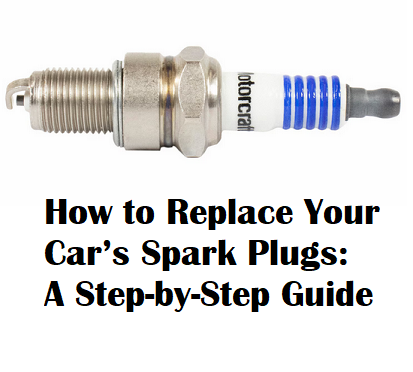
Replacing spark plugs is a key part of maintaining your vehicle’s engine health. Over time, spark plugs wear out and can cause poor engine performance, reduced fuel efficiency, and even difficulty starting your car. Taking charge of this replacement process can save you time and money, but it requires the right tools and know-how to do it safely and effectively.
Tools Needed
- Spark plug socket:A deep socket designed to fit spark plugs snugly, often with a rubber insert to grip the plug.
- Ratchet wrench:Used to turn the spark plug socket and loosen or tighten the plugs.
- Socket extension:Helps reach spark plugs located deep within the engine.
- Torque wrench:Ensures the spark plugs are tightened to the manufacturer’s recommended specifications.
- Gap gauge:Measures and adjusts the spark plug gap if necessary.
- Anti-seize lubricant (optional):Helps prevent the plugs from seizing in the cylinder head.
Step-by-step Replacement Guide
Start by letting your engine cool down completely to avoid burns. Locate the spark plugs by following the ignition wires or coil packs on your engine.
Remove the ignition wires or coil packs carefully. Use the spark plug socket and ratchet with an extension to unscrew the old spark plugs.
Check the gap on the new spark plugs with your gap gauge and adjust if needed. Apply a small amount of anti-seize lubricant to the threads if desired.
Screw the new spark plugs in by hand to avoid cross-threading, then tighten them with a torque wrench to the specified torque setting.
Reconnect the ignition wires or coil packs firmly. Start your engine to ensure it runs smoothly with the new plugs installed.
When To Seek Professional Help
If you notice your engine misfiring or running rough even after replacing the spark plugs, it might indicate a deeper issue. Don’t hesitate to consult a mechanic if you’re unsure about the correct spark plug type or gap for your vehicle.
Some engines have spark plugs in hard-to-reach places requiring specialized tools or knowledge. If your car’s manual instructions seem confusing, or if you feel uncomfortable working near delicate engine parts, a professional’s help is a smart choice.
Remember, improper installation can cause engine damage or poor performance. Would you rather risk costly repairs or invest in expert assistance?
Credit: www.westsideauto.com.au
Maintenance Tips
Proper maintenance extends the life of spark plugs. Simple care keeps your engine running smoothly. Regular checks and cleaning help avoid costly repairs. Follow these easy tips to maintain spark plugs effectively.
Cleaning Spark Plugs
Remove the spark plugs carefully from the engine. Use a soft brush to remove dirt and carbon deposits. Avoid harsh tools that can damage the electrodes. Spray a spark plug cleaner to dissolve tough grime. Dry the spark plugs completely before reinstalling them. Check the gap between the electrodes and adjust if needed. Clean spark plugs improve engine performance and fuel efficiency.
Preventive Measures
- Use high-quality fuel to reduce deposit buildup.
- Replace air filters regularly to keep airflow clean.
- Check ignition wires for wear and replace if cracked.
- Avoid short trips that prevent the engine from warming fully.
- Schedule regular engine tune-ups to spot early issues.
These actions help spark plugs last longer and maintain engine power. Routine care reduces the risk of engine misfires and poor fuel economy.
Credit: motorist.org
Frequently Asked Questions
How Often Should Spark Plugs Be Replaced?
Spark plugs typically need replacement every 30,000 to 100,000 miles. Check your vehicle’s manual for exact intervals. Regular replacement ensures optimal engine performance and fuel efficiency.
What Are Signs Of Worn-out Spark Plugs?
Common signs include engine misfires, poor fuel economy, rough idling, and difficulty starting. If you notice these, inspect or replace spark plugs promptly.
Can Old Spark Plugs Damage My Engine?
Yes, worn spark plugs can cause misfires and engine damage over time. Timely replacement prevents costly repairs and maintains engine health.
Do All Cars Have The Same Spark Plug Lifespan?
No, spark plug lifespan varies by vehicle type, engine design, and plug material. Always refer to your manufacturer’s recommendations for replacement intervals.
Conclusion
Spark plugs wear out over time and need regular checks. Most cars require replacement every 30,000 to 100,000 miles. Driving conditions and spark plug type affect this timeline. Keep an eye on engine performance for signs of wear. Clean, working spark plugs help your car run smoothly.
Regular maintenance saves money and avoids breakdowns. Check your owner’s manual for exact advice. Don’t wait for problems; replace spark plugs as recommended. Simple care keeps your engine healthy and your drives safe.





