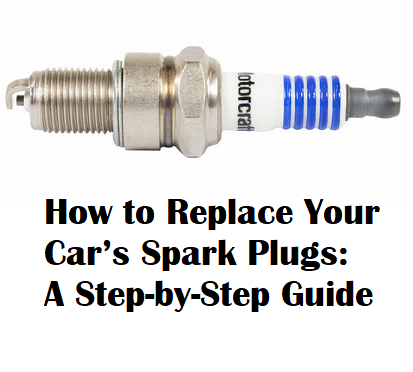
How often do you really need to change your spark plugs? This question might not be at the top of your mind until your car starts acting up.
You might notice your engine misfiring, rough idling, or even a drop in fuel efficiency. These are subtle hints your car gives you, signaling that it might be time to check those spark plugs. Understanding when and why to replace them can save you from unexpected breakdowns and costly repairs.
You’ll discover the secrets to maintaining your car’s performance and longevity by knowing just the right time to change your spark plugs. Stay tuned; your car will thank you for it!
Signs Of Worn Spark Plugs
Worn spark plugs can silently affect your car’s performance, often before you even realize something is wrong. Recognizing the signs early can save you from costly repairs and keep your vehicle running smoothly. Let’s look at some clear indicators that your spark plugs might need replacing.
Engine Misfires And Rough Idling
Have you noticed your engine stumbling or hesitating during acceleration? Misfires often happen because spark plugs fail to ignite the fuel-air mixture properly. This can lead to rough idling, where your car feels unstable even when you’re stopped.
When spark plugs wear out, the gap between their electrodes widens, causing weak sparks. This weak spark can’t consistently ignite the fuel, resulting in uneven engine performance. If your engine shakes or jerks, it’s a strong sign to check those spark plugs.
Reduced Fuel Efficiency
Are you filling up your tank more often than usual? Worn spark plugs can lower your fuel efficiency by causing incomplete combustion. This means your engine burns more fuel to produce the same amount of power.
Think about your last road trip—did your mileage drop noticeably? Poor fuel economy can quietly drain your wallet over time. Replacing worn spark plugs can restore your car’s fuel efficiency and help you save money at the pump.
Difficulty Starting The Engine
Struggling to start your car in the morning? Spark plugs are crucial for the initial ignition process. If they’re dirty or worn, they might not produce the spark needed to start the engine quickly.
Have you ever turned the key multiple times before the engine caught? This delay often points to spark plugs that can’t generate a strong enough spark. If starting feels harder than usual, inspecting your spark plugs should be a priority.
Credit: www.slashgear.com
Recommended Replacement Intervals
Knowing when to change your spark plugs can save you from unexpected car troubles and keep your engine running smoothly. The recommended replacement intervals vary widely depending on several factors. Understanding these can help you maintain your vehicle more effectively and avoid unnecessary expenses.
Manufacturer Guidelines
Every car manufacturer sets specific replacement intervals based on the design and performance of their engines. These guidelines are usually found in your vehicle’s owner manual. Following them is the safest bet, as manufacturers test their engines extensively to determine optimal spark plug life.
For example, many modern cars recommend changing spark plugs every 30,000 to 100,000 miles. Ignoring these recommendations can lead to poor engine performance or reduced fuel efficiency. Have you checked your manual recently to see what your car maker suggests?
Impact Of Driving Conditions
Your driving habits and environment play a big role in how often spark plugs wear out. Frequent stop-and-go traffic, short trips, or driving in dusty or extreme temperature conditions can wear plugs faster. On the other hand, steady highway driving tends to be less stressful for spark plugs.
If you often drive in tough conditions, consider shortening the replacement interval. It’s like how your shoes wear out faster if you use them for running every day instead of occasional walks. Are your driving conditions putting extra strain on your spark plugs?
Differences Between Spark Plug Types
Spark plugs come in several types, each with different lifespans. Copper plugs generally last around 20,000 to 30,000 miles, while platinum and iridium plugs can last 60,000 to 100,000 miles or more. The higher cost of platinum or iridium plugs often pays off with longer service life and better performance.
Choosing the right type depends on your vehicle and driving style. If you want fewer replacements and better reliability, investing in iridium plugs might be worth it. How do you balance cost and performance when it comes to your spark plugs?
Factors Affecting Spark Plug Lifespan
Spark plug lifespan depends on several key factors. These factors influence how often you need to replace your spark plugs. Understanding them helps you maintain your vehicle better. It also prevents engine problems caused by worn spark plugs.
Vehicle Age And Mileage
Older vehicles usually need spark plug changes more often. High mileage increases wear on the spark plugs. Newer cars with advanced engines often use longer-lasting plugs. Checking your vehicle’s manual gives specific replacement intervals. Driving habits also affect how fast plugs wear out.
Fuel Quality And Engine Performance
Poor fuel quality can cause spark plugs to wear out faster. Dirty or low-grade fuel leaves deposits on the plugs. This reduces engine performance and spark efficiency. Good fuel keeps spark plugs cleaner for longer. Regular engine tune-ups help maintain proper combustion and plug life.
Maintenance Habits
Regular vehicle maintenance extends spark plug lifespan. Routine checks catch issues before they damage plugs. Changing air filters and oil on time supports engine health. Ignoring maintenance can cause plugs to foul or misfire. Clean plugs improve fuel economy and engine smoothness.
Credit: www.terrylabontechevy.com
How To Check Spark Plug Condition
Checking the condition of your spark plugs is a crucial step in understanding when they need to be replaced. Regular inspections can save you from unexpected engine problems and improve your car’s performance. Knowing what signs to look for and how to interpret them helps you keep your vehicle running smoothly.
Visual Inspection Tips
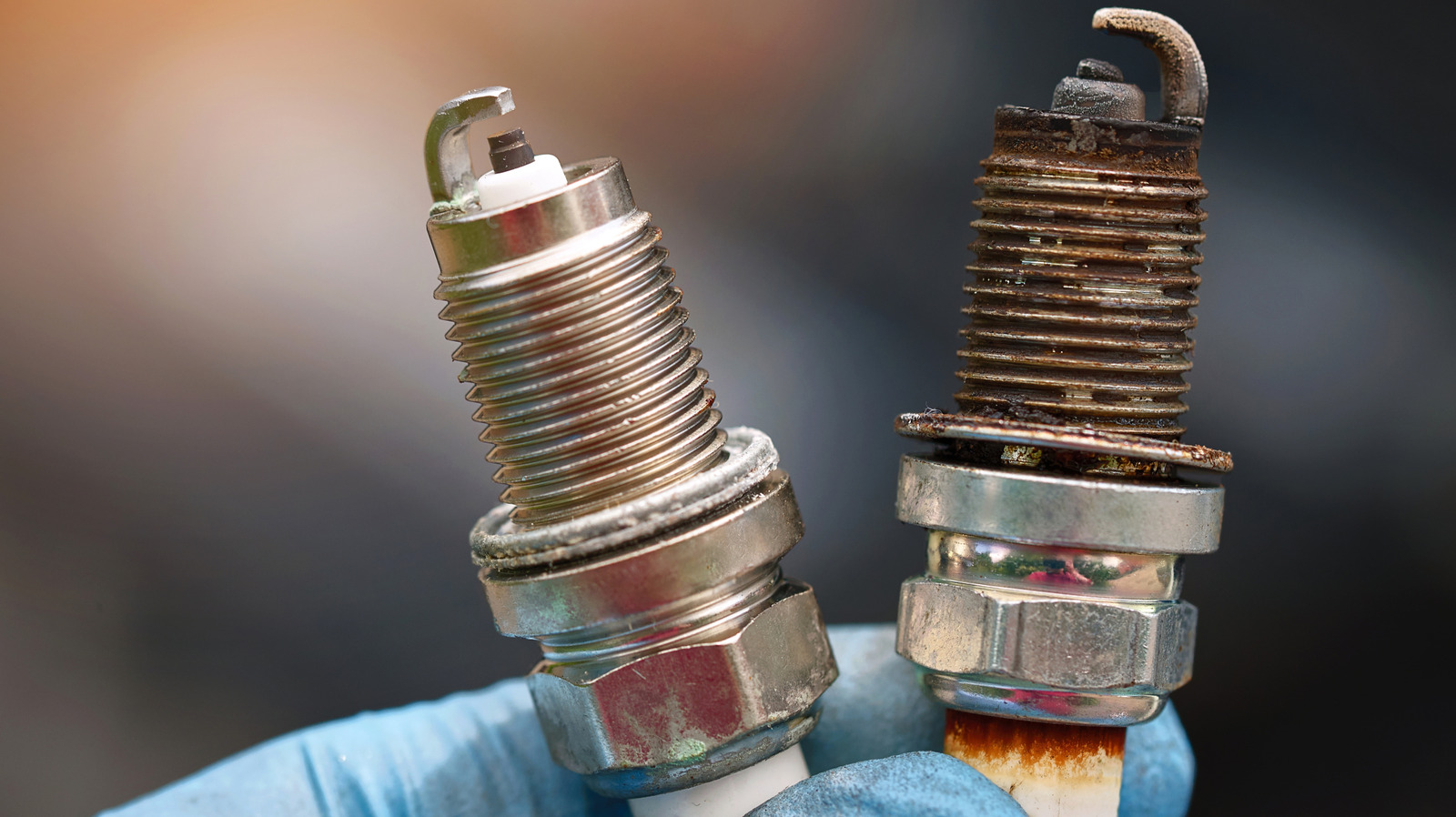
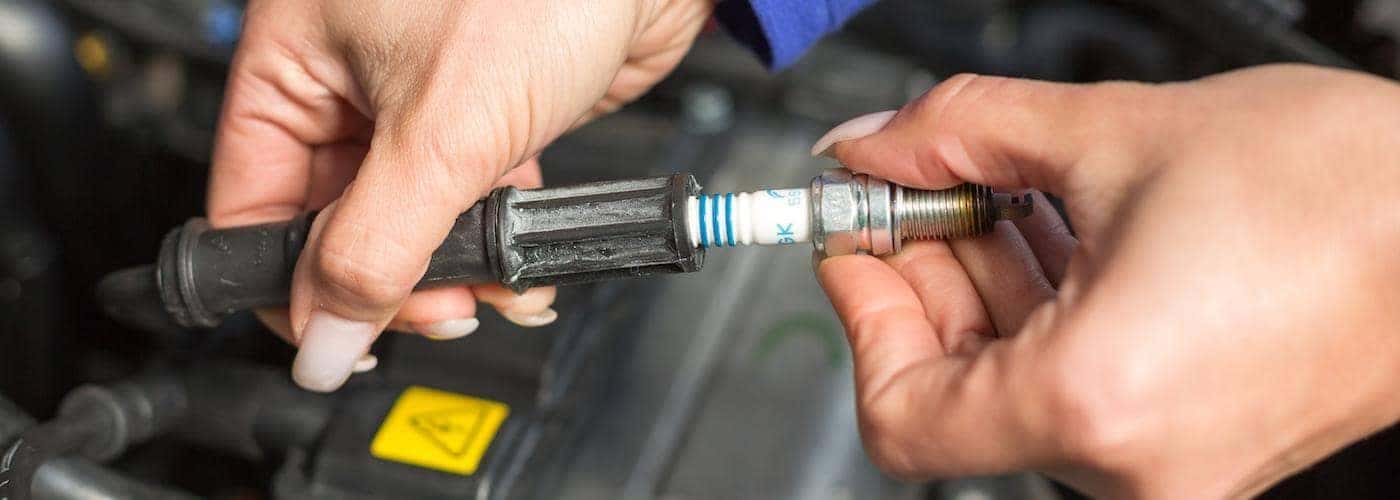
Start by removing the spark plugs carefully using the right socket wrench. Look closely at the electrodes and insulator for any signs of wear or damage.
- Black, oily depositsindicate oil leaks or poor combustion.
- White, blistered insulatorsuggests overheating.
- Worn electrodeswith rounded edges reduce spark efficiency.
- Cracks or chipsin the ceramic insulator mean replacement is urgent.
Have you noticed any unusual deposits or damage on your spark plugs lately? This simple check can reveal a lot about your engine’s health.
Using Diagnostic Tools
Beyond the visual check, using diagnostic tools provides a deeper insight into spark plug performance. An OBD-II scanner can detect misfires linked to faulty plugs.
- Plug the scanner into your vehicle’s port and read error codes.
- Look for codes like P0300 to P0308, which indicate cylinder misfires.
- Use a multimeter to test spark plug resistance for irregular readings.
These tools save time and help pinpoint issues before they escalate. Have you tried scanning your car’s computer for spark-related errors?
When To Seek Professional Help
Sometimes, the signs of spark plug trouble aren’t obvious or easy to diagnose. If you’re unsure about the condition after your inspection or tools show errors you don’t understand, it’s time to visit a mechanic.
Professionals can perform detailed tests like spark plug gap measurement and combustion analysis. They also ensure correct installation and recommend the best replacement parts.
Don’t wait until your car stalls on the road—getting expert advice early can save you money and hassle. Have you ever had a mechanic find a spark plug problem you missed?
Steps To Replace Spark Plugs
Changing spark plugs is a simple task that anyone can do with the right guidance. The process involves a few clear steps to ensure your engine runs smoothly and efficiently. Understanding these steps helps you maintain your vehicle and avoid costly repairs.
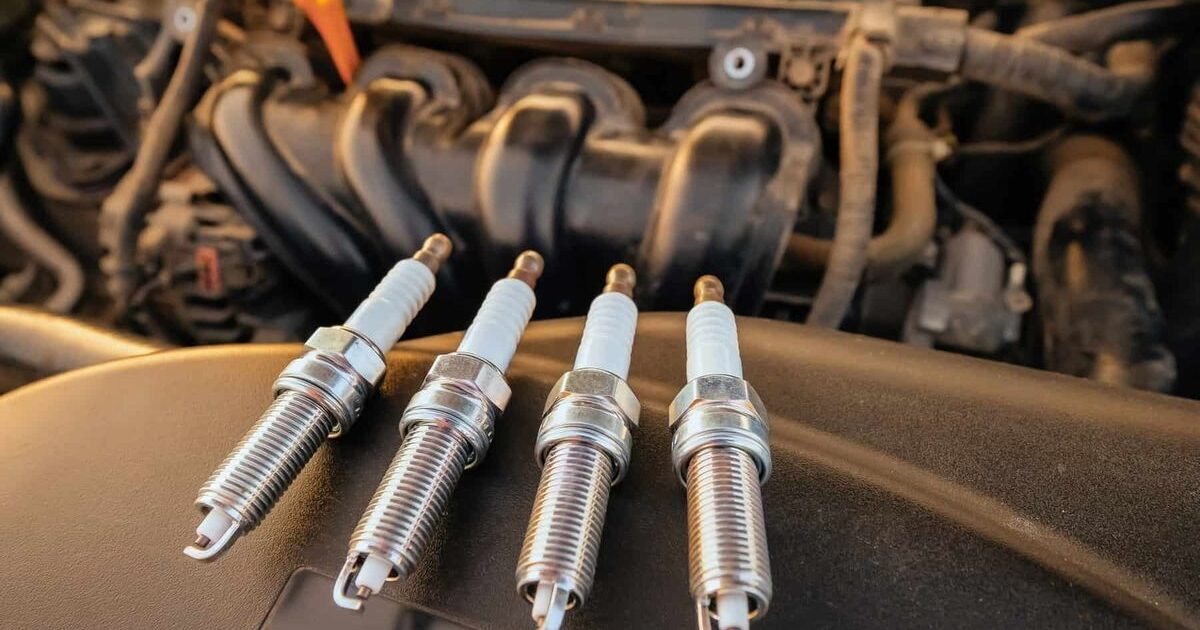
Start by gathering the right tools. Then, carefully remove the old spark plugs. Finally, install the new spark plugs and check your work. Each step is important for a successful replacement.
Tools You’ll Need
- Spark plug socket wrench
- Ratchet and extension bar
- Torque wrench
- Gap gauge
- Dielectric grease
- Compressed air or a brush
- Protective gloves
Removing Old Spark Plugs
First, let the engine cool down to avoid burns. Use compressed air or a brush to clean around the spark plugs. This prevents dirt from falling into the cylinder.
Attach the spark plug socket to the ratchet. Carefully loosen and remove each spark plug by turning it counterclockwise. Keep the old plugs for inspection or disposal.
Installing New Spark Plugs
Check the gap on each new spark plug using the gap gauge. Adjust the gap if needed, according to the manufacturer’s specs.
Apply a small amount of dielectric grease to the spark plug boots. Insert the new spark plug into the socket and carefully thread it by hand. Avoid cross-threading.
Use the torque wrench to tighten the plugs to the correct torque value. Reattach any components removed earlier. Your new spark plugs are ready to improve engine performance.
Credit: www.westsideauto.com.au
Benefits Of Timely Spark Plug Replacement
Replacing spark plugs on time keeps your vehicle running smoothly. Old spark plugs cause many engine problems. Timely replacement helps avoid breakdowns and costly repairs. It also improves how your engine works every day.
Improved Engine Performance
New spark plugs create a strong spark to ignite the fuel-air mix. This leads to smoother starts and steady engine power. Your car runs more quietly and accelerates better. Worn spark plugs make the engine misfire or hesitate.
Better Fuel Economy
Fresh spark plugs burn fuel more efficiently. This means your engine uses less gas to run. Improved fuel use saves money on every trip. Old plugs waste fuel by causing incomplete combustion.
Lower Emissions
Efficient combustion lowers harmful gases released into the air. Timely spark plug replacement helps your vehicle pass emission tests. It also reduces your car’s impact on the environment. Dirty or worn plugs increase pollution from your engine.
Common Mistakes To Avoid
Changing spark plugs is a simple task but easy to get wrong. Many drivers make mistakes that shorten the life of their spark plugs or harm the engine. Avoiding these common errors saves time and money. It also keeps your car running smoothly.
Over-tightening Spark Plugs
Too much force damages spark plugs and engine parts. It can crack the ceramic insulator or strip the threads in the cylinder head. Use a torque wrench to tighten spark plugs to the exact specification. Hand-tightening first helps prevent cross-threading.
Ignoring Manufacturer Specifications
Every car has specific spark plug types and gap sizes. Using the wrong plug or incorrect gap reduces engine performance. Follow the car manual for spark plug brand, heat range, and gap. This ensures proper ignition and fuel efficiency.
Skipping Regular Inspections
Waiting too long between spark plug checks causes engine problems. Worn plugs lead to misfires, rough idling, and poor fuel economy. Inspect spark plugs during routine maintenance. Replace them if they show wear, deposits, or damage.
Frequently Asked Questions
How Often Should Spark Plugs Be Replaced?
Spark plugs typically need replacement every 30,000 to 100,000 miles. Check your vehicle’s manual for specific intervals. Regular inspection ensures optimal engine performance and fuel efficiency.
What Signs Indicate Worn-out Spark Plugs?
Common signs include engine misfires, rough idling, poor acceleration, and decreased fuel economy. If your car struggles to start, spark plugs might be failing.
Can I Change Spark Plugs Myself?
Yes, changing spark plugs is a simple DIY task with basic tools. Always ensure you use the correct spark plug type for your vehicle.
Do All Cars Require The Same Spark Plug Change Interval?
No, intervals vary by car model and spark plug type. Consult your owner’s manual for precise replacement schedules tailored to your vehicle.
Conclusion
Changing spark plugs regularly keeps your engine running smooth. Check your car manual for the right interval. Old spark plugs can cause poor fuel economy and rough starts. Don’t wait for trouble to begin. Simple maintenance saves time and money.
Keep an eye on how your car feels and sounds. Replace spark plugs as needed to avoid bigger repairs. Small steps help your vehicle last longer. Stay on top of spark plug care for better driving.





