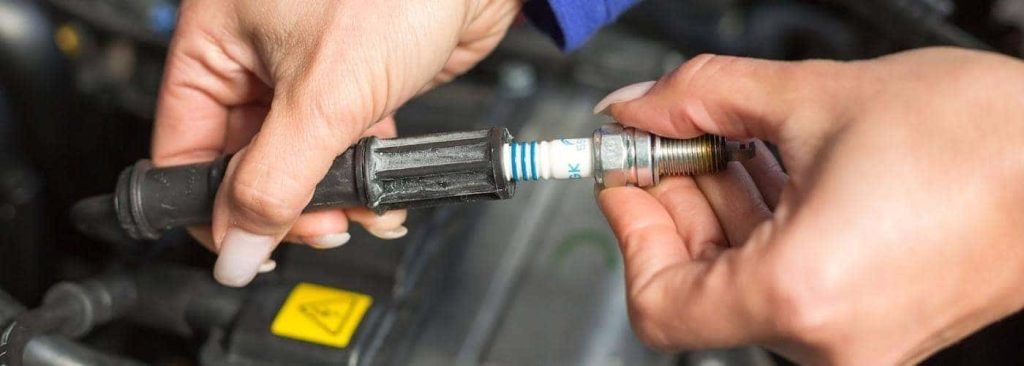
Have you ever wondered how often you should change your spark plugs? It’s a simple question, but the answer can make a big difference in how your car runs.
If your spark plugs are old or worn out, your engine might struggle to start, use more fuel, or lose power. But changing them too soon? That could mean unnecessary costs. You’ll discover the right timing for spark plug replacement, signs to watch for, and easy tips to keep your engine running smoothly.
Keep reading to make sure your car stays in top shape without wasting time or money.
When To Replace Spark Plugs
Knowing when to replace your spark plugs is key to keeping your car running smoothly. Spark plugs wear out over time, but the exact timing can vary based on several factors. Paying attention to the right signals can save you from unexpected breakdowns and costly repairs.
Signs Of Worn Spark Plugs
Have you noticed your engine misfiring or your car struggling to start? These are common signs that your spark plugs might be worn out. Other clues include poor fuel efficiency, rough idling, and a decrease in acceleration.
Sometimes, you might feel your car hesitating during acceleration or hear unusual engine noises. These symptoms often indicate that the spark plugs are not firing properly. Checking these signs early can prevent bigger engine issues.
Manufacturer Recommendations
Your vehicle’s manufacturer provides specific guidelines on when to change spark plugs. These recommendations usually appear in the owner’s manual and are based on mileage or time intervals. For many cars, this ranges between 30,000 to 100,000 miles, depending on the spark plug type.
Following the manufacturer’s advice ensures your engine maintains optimal performance. Ignoring these guidelines might lead to reduced efficiency and increased emissions. Have you checked your manual recently to see your car’s spark plug schedule?
Impact Of Driving Conditions
Driving habits and conditions play a big role in how quickly spark plugs wear out. Frequent short trips, stop-and-go traffic, or driving in dusty environments can accelerate wear. On the other hand, highway driving tends to be easier on spark plugs.
Think about your daily driving routine—do you often sit in traffic or take long highway trips? Adjusting your maintenance schedule based on these conditions can keep your car running at its best. Sometimes, you might need to replace spark plugs earlier than expected.
Types Of Spark Plugs
Choosing the right spark plug for your vehicle affects not only how often you need to change them but also your engine’s overall performance. Different types of spark plugs offer unique benefits and lifespans. Understanding these differences can help you make smarter maintenance decisions and get the most out of your car.
Copper Spark Plugs
Copper spark plugs are the most basic type and often the least expensive. They have a solid copper core that conducts electricity well, which helps with quick starts and smooth idling. However, they wear out faster than other types, usually needing replacement every 20,000 to 30,000 miles.
If you drive an older car or have a vehicle with a simple ignition system, copper plugs might be a good fit. But if you’re looking to extend the time between changes, copper plugs may not be the best choice.
Platinum Spark Plugs
Platinum spark plugs last longer than copper because they have a platinum disc welded to the center electrode. This makes them more durable and better at resisting wear. Typically, you can expect to replace them every 60,000 miles or so.
They offer better performance in modern engines and are a good balance between cost and longevity. If you’ve ever noticed your engine running rough after a while, upgrading to platinum plugs might smooth things out.
Iridium Spark Plugs
Iridium spark plugs are the top choice for durability and efficiency. Iridium is much harder than platinum, so these plugs can last up to 100,000 miles or even more. They provide strong, consistent sparks and better fuel efficiency.
While they cost more upfront, the extended life and improved performance often save money over time. Have you ever thought about how often you change your plugs versus how much you spend on fuel? Iridium plugs might be a smart upgrade if you want to reduce both maintenance and running costs.
Tools Needed For Replacement
Replacing spark plugs isn’t just about popping out the old and putting in the new. Having the right tools makes the job easier, safer, and more precise. Without them, you risk damaging your engine or ending up with a faulty installation that wastes time and money.
Spark Plug Socket
This specialized socket fits snugly around the spark plug, allowing you to remove and install it without damaging the ceramic insulator. It usually has a rubber insert or magnet inside to grip the plug firmly. Regular sockets won’t do the job because spark plugs need extra care to avoid breaking.
Make sure you get the right size for your vehicle, often 5/8” or 13/16”. If you’re like me, using the wrong socket meant struggling with stuck plugs and nearly breaking one—don’t make that mistake.
Torque Wrench
Over-tightening or under-tightening spark plugs can cause serious engine problems. A torque wrench helps you apply the exact force recommended by your vehicle’s manufacturer. This tool ensures the spark plug is snug but not too tight, preventing damage to threads or poor sealing.
Think about it—how many times have you guessed and ended up with a plug that’s either loose or stuck too hard? Using a torque wrench gives you confidence that the job is done right.
Gap Gauge
Spark plugs need a precise gap between their electrodes to fire efficiently. A gap gauge measures and lets you adjust this space to your engine’s specifications. Some plugs come pre-gapped, but checking it yourself can prevent misfires and improve fuel efficiency.
Have you ever skipped this step and noticed rough idling or decreased power? A simple gap check can save you from those headaches.

Credit: www.acg.aaa.com
Step-by-step Replacement Process
Changing your spark plugs may seem daunting, but breaking it down into clear steps can make the task manageable and even satisfying. Knowing the exact process helps you avoid common mistakes that can cost time and money. Let’s walk through the key actions you’ll take to replace your spark plugs safely and effectively.
Preparing The Engine
Before touching the spark plugs, make sure the engine is completely cool. Working on a hot engine can cause burns and damage the threads in the cylinder head.
Disconnect the battery to prevent any electrical shorts. Then, locate the spark plug wires or coil packs and carefully remove them, labeling each if necessary to ensure proper reinstallation.
Removing Old Spark Plugs
Use a spark plug socket with a ratchet to loosen and remove each plug. Turn slowly to avoid stripping the threads.
If a plug feels stuck, applying a little penetrating oil and waiting a few minutes can help. Keep the socket perpendicular to the engine to prevent damaging the plug or the cylinder head.
Checking And Setting The Gap
Each spark plug has a specific gap that ensures optimal ignition. Use a feeler gauge to measure this gap on your new plugs.
If the gap is too wide or too narrow, gently adjust it by bending the ground electrode. Never force it, as this can damage the plug or affect performance.
Installing New Spark Plugs
Start threading the new plugs by hand to avoid cross-threading. Once hand-tight, use the ratchet to snug them down firmly but don’t overtighten—refer to your vehicle’s torque specs.
Reconnect the spark plug wires or coil packs exactly as they were. Double-check each connection, then reconnect the battery and start your engine to enjoy smoother performance.
Maintenance Tips For Longer Spark Plug Life
Keeping your spark plugs in good shape saves you time and money. Simple habits can stretch their life far beyond the usual replacement schedule. Let’s look at some practical ways to do that, so your engine runs smoothly and efficiently.
Regular Engine Tune-ups
Regular tune-ups help spot issues before they damage your spark plugs. Checking your ignition system, fuel injectors, and air filters can prevent buildup that wears down plugs.
Think about the last time you skipped a tune-up. Did you notice rough idling or poor fuel economy? Those signs often relate to spark plug performance.
Using Quality Fuel
Fuel quality directly affects how long your spark plugs last. Lower-grade fuel can leave deposits that foul plugs and reduce efficiency.
Try using premium or recommended fuel for your vehicle. It burns cleaner and helps keep your spark plugs free from gunk.
Avoiding Harsh Driving Habits
Hard acceleration and frequent stop-and-go traffic stress your spark plugs. They cause hotter combustion, which can wear plugs faster.
Gentler driving, like steady speeds and smooth starts, reduces strain on your engine parts. Have you noticed smoother rides after easing your driving style?
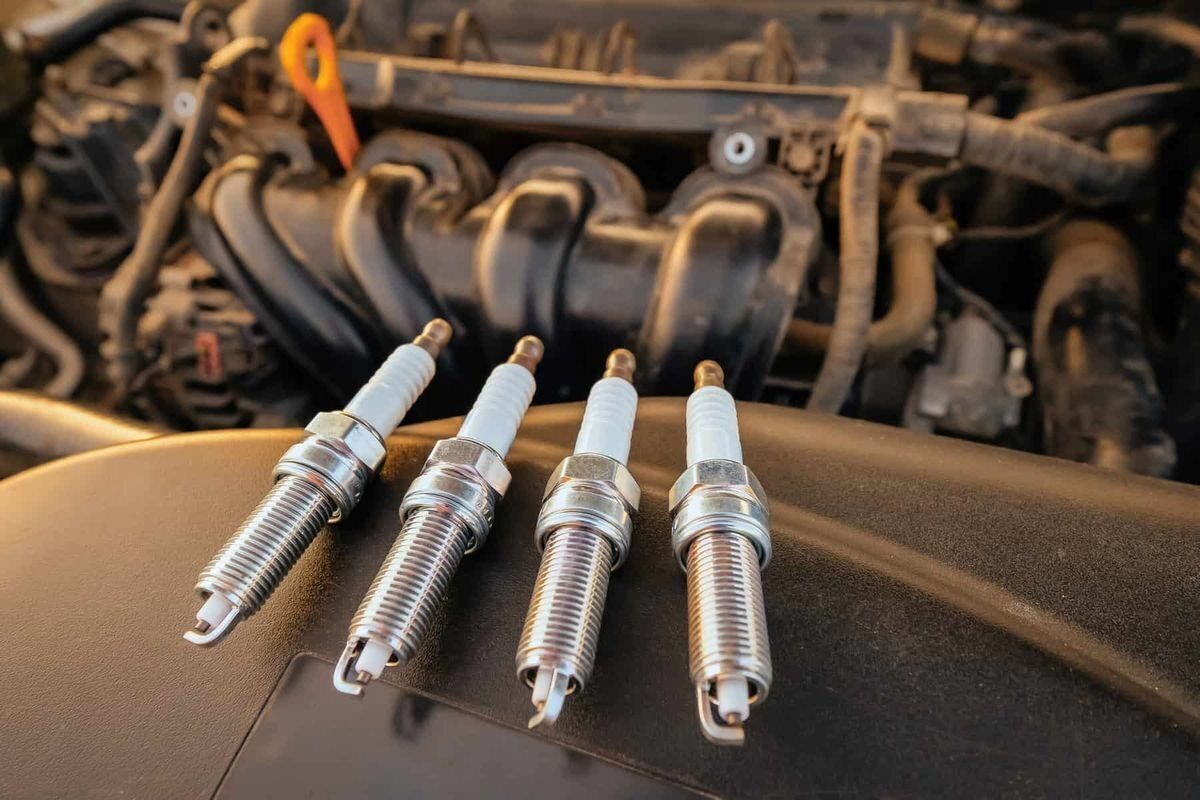
Credit: www.westsideauto.com.au
Common Mistakes To Avoid
Changing spark plugs might seem straightforward, but many car owners stumble on avoidable errors that reduce performance or even cause damage. Recognizing common mistakes can save you money and keep your engine running smoothly. Let’s look at some pitfalls that often go unnoticed but have a big impact.
Over-tightening Plugs
It’s tempting to tighten spark plugs as much as possible, thinking it ensures a better fit. However, over-tightening can strip the threads in the cylinder head or crack the plug itself, leading to costly repairs. Use a torque wrench and follow the manufacturer’s specified torque to avoid this problem.
I once tightened spark plugs too hard during a quick DIY fix, only to crack a plug and have to replace the entire set. Don’t let a small mistake turn into a bigger headache. Ask yourself: Are you confident in the torque settings before you start?
Ignoring Spark Plug Gaps
The gap between the electrodes on a spark plug controls the spark’s strength and timing. If you skip checking or adjusting this gap, your engine could misfire or lose power. Always measure the gap and adjust it if necessary before installation.
Some plugs come pre-gapped, but these aren’t always perfect for every engine. Have you checked your spark plug gap with a feeler gauge recently? Small adjustments can make a noticeable difference in performance.
Skipping Regular Inspections
Waiting until your car shows symptoms before inspecting spark plugs is a risky approach. Regular checks can catch wear, fouling, or damage early, preventing breakdowns and maintaining fuel efficiency. Schedule inspections based on your vehicle’s recommended intervals or every 30,000 miles as a general rule.
Don’t wait for rough idling or poor acceleration to realize it’s time for spark plug care. How often do you currently inspect your plugs? Making it part of your routine can save you from unexpected troubles on the road.
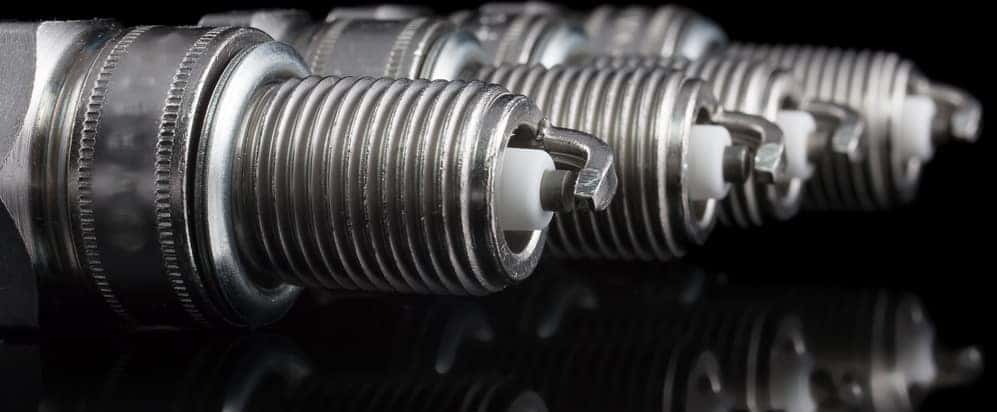
Credit: www.jackpowell.com
Frequently Asked Questions
How Often Should Spark Plugs Be Replaced?
The frequency of changing spark plugs varies by vehicle type and usage. Generally, replace them every 30,000 to 100,000 miles. Always consult your vehicle’s manual for specific recommendations. Regular checks can prevent engine issues and maintain performance.
What Are Signs Of Bad Spark Plugs?
Bad spark plugs often cause engine misfires, poor fuel economy, and hard starts. You might also notice rough idling or reduced acceleration. If you experience these symptoms, inspect the spark plugs. Early detection can prevent further engine damage.
Can I Change Spark Plugs Myself?
Yes, you can change spark plugs yourself with basic tools. Ensure you have the correct spark plug type for your vehicle. Follow the manual for proper installation steps. If unsure, consult a professional mechanic to avoid potential engine issues.
How Do I Know If Spark Plugs Need Replacing?
Check for signs like misfiring, poor acceleration, or decreased fuel efficiency. Visually inspect spark plugs for wear, deposits, or damage. Replace them if electrodes are worn down or if there’s heavy carbon buildup. Regular maintenance ensures optimal engine performance.
Conclusion
Changing spark plugs regularly keeps your engine running smooth. Most cars need new plugs every 30,000 to 50,000 miles. Check your owner’s manual for exact advice. Worn plugs can cause rough starts and lower fuel efficiency. Remember, clean and working spark plugs help your car perform better.
Don’t wait for problems to appear. Staying on top of spark plug changes saves time and money later. A little care goes a long way in keeping your vehicle healthy. Simple steps like these keep your car happy and reliable.





