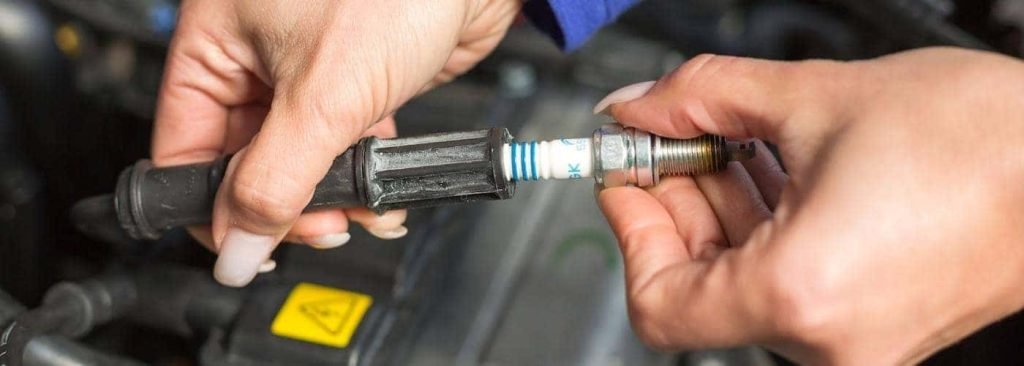
When was the last time you thought about your car’s spark plugs? If you’re like most people, it’s probably not often.
However, these small components play a big role in keeping your vehicle running smoothly. Ignoring them can lead to bigger, costly problems down the road. But how do you know when it’s time to change them? Understanding the right schedule for replacing your spark plugs can save you money and keep your car performing at its best.
We’ll explore how often you should change your spark plugs and why it’s important. Stay with us, and you’ll learn the key signs that it’s time for a change and how this simple maintenance step can ensure your car stays healthy and efficient. Ready to keep your engine purring like a kitten? Let’s dive in!
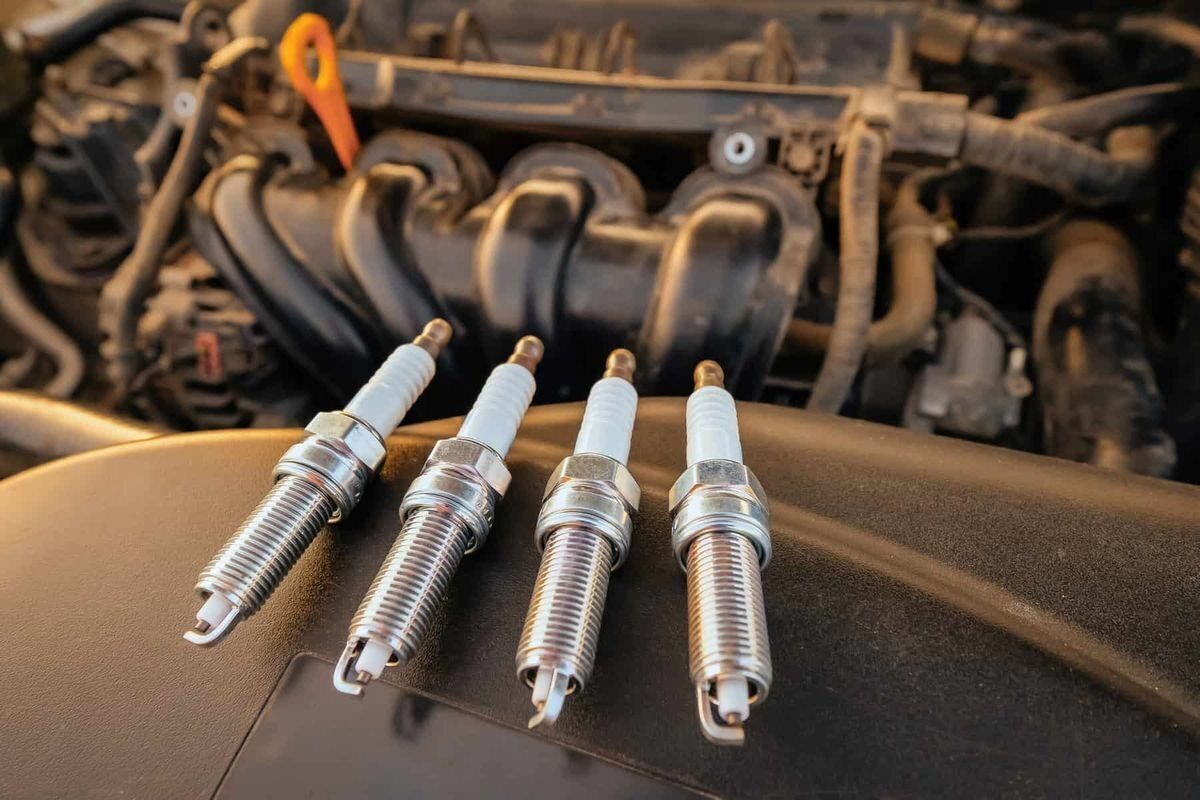
Credit: www.westsideauto.com.au
When To Replace Spark Plugs
Knowing when to replace your spark plugs is key to keeping your engine running smoothly. Spark plugs wear out over time, and ignoring the signs can lead to poor fuel efficiency or engine misfires. Let’s look at how you can tell when it’s time for a change.
Manufacturer Recommendations
Your vehicle’s manual is the best place to start. Manufacturers usually suggest replacing spark plugs every 30,000 to 100,000 miles, depending on the type used. For example, copper spark plugs may need changing more often than platinum or iridium ones.
Following these guidelines helps maintain your engine’s performance and prevents unexpected breakdowns. Have you checked your manual recently to see what’s recommended for your car?
Signs Of Wear And Tear
Pay attention to how your car drives. If you notice rough idling, trouble starting, or reduced fuel economy, worn spark plugs might be the cause. You might also experience engine misfires or a lack of acceleration.
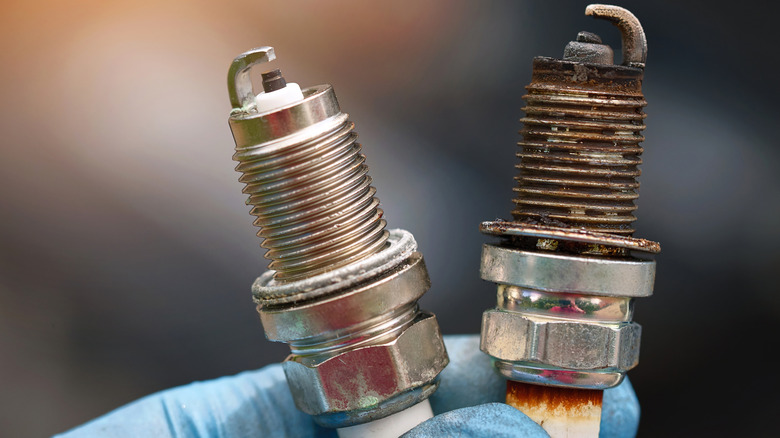
Physically inspecting spark plugs can reveal carbon buildup, worn electrodes, or cracks in the porcelain. These visual clues confirm it’s time for a replacement before damage worsens.
Impact Of Driving Conditions
How and where you drive affects spark plug life. Frequent short trips or stop-and-go traffic can cause plugs to wear out faster. Harsh weather and dusty environments also add stress to your ignition system.
If you mostly drive in tough conditions, consider checking your spark plugs more often. Adjusting maintenance based on your driving habits keeps your engine reliable and efficient.
Types Of Spark Plugs
Spark plugs play a key role in your engine’s performance. Choosing the right type affects how often you need to change them. Different spark plugs offer different durability and efficiency. Understanding these types helps you maintain your vehicle better.
Copper Spark Plugs
Copper spark plugs have a solid copper core. They conduct electricity well and are affordable. These plugs wear out faster than others. Usually, they need changing every 20,000 to 30,000 miles. Ideal for older cars or engines with simple designs.
Platinum Spark Plugs
Platinum spark plugs last longer than copper ones. They have a platinum disc on the tip. This metal resists wear and corrosion better. Their lifespan ranges between 60,000 and 100,000 miles. They provide steady performance and better fuel efficiency.
Iridium Spark Plugs
Iridium spark plugs use a thin iridium wire on the tip. Iridium is harder and more durable than platinum. These plugs can last up to 120,000 miles or more. They offer excellent ignition and fuel economy. Best suited for modern, high-performance engines.
How Spark Plugs Affect Engine Performance
Your spark plugs play a crucial role in how your engine performs every time you start your car. They ignite the air-fuel mixture inside the engine cylinders, which powers your vehicle. If spark plugs are old or worn, they can cause issues that affect more than just engine starting—they impact fuel efficiency, power, and emissions.
Fuel Efficiency
Worn spark plugs can cause incomplete combustion. This means your engine burns more fuel than necessary, lowering your miles per gallon. Have you noticed a sudden drop in fuel economy? It might be time to check your spark plugs.
When spark plugs fire properly, they create a strong spark that ignites fuel efficiently. This helps your engine use fuel smarter, saving you money at the pump. Keeping spark plugs in good condition directly affects how far you can drive on a tank of gas.
Power Output
Healthy spark plugs ensure your engine delivers the power you expect. If your car feels sluggish or struggles to accelerate, worn spark plugs could be the culprit. They affect the timing and strength of the ignition, which impacts how smoothly your engine runs.
I once ignored spark plug replacement, and my car’s acceleration dropped noticeably. After replacing them, the power came back immediately, making driving much more enjoyable. Don’t let old spark plugs hold back your engine’s true performance.
Emissions Control
Faulty spark plugs can increase harmful emissions by causing incomplete fuel burning. This not only harms the environment but can also cause your vehicle to fail emissions tests. Clean, efficient combustion helps reduce pollutants like carbon monoxide and hydrocarbons.
Maintaining your spark plugs keeps your engine cleaner inside and helps you meet emission standards. Are you willing to risk extra pollution and potential fines by neglecting this simple maintenance task? Your spark plugs play a silent but powerful role in keeping your car eco-friendly.
Tools Needed For Spark Plug Replacement
Replacing spark plugs is a simple task when you have the right tools. Having the correct equipment makes the job safer and faster. Before starting, gather all necessary tools to avoid interruptions. This section lists essential tools and safety gear for spark plug replacement.
Basic Tools List
- Spark plug socket (usually 5/8 or 13/16 inch)
- Ratchet wrench
- Extension bar for hard-to-reach plugs
- Torque wrench to tighten plugs correctly
- Gap gauge to check spark plug gap
- Dielectric grease to protect spark plug boots
- Compressed air or a clean cloth to clean around plugs
Safety Equipment
- Safety glasses to protect your eyes
- Mechanic gloves to protect your hands
- Work clothes that cover your skin
- Fire extinguisher nearby, just in case
- Ensure the engine is cool before starting
Step-by-step Spark Plug Replacement
Replacing spark plugs might seem intimidating, but it’s a straightforward task you can handle with the right guidance. Knowing how to replace them properly can save you money and improve your engine’s performance. Let’s break down the process into simple, clear steps that anyone can follow.
Locating Spark Plugs
First, open your car’s hood and look for the spark plug wires or ignition coils. These usually connect to the engine block and lead directly to the spark plugs. If you’re unsure, check your vehicle’s manual—it will show the exact location.
Some engines have spark plugs hidden under a plastic cover or manifold, so you might need to remove those first. Take your time here; rushing can cause damage to surrounding parts. Have a flashlight handy to spot each plug clearly.
Removing Old Spark Plugs
Before removing anything, make sure your engine is cool to avoid burns. Use a spark plug socket attached to a ratchet to carefully loosen and remove each spark plug. Turn counterclockwise slowly to avoid stripping the threads.
Keep the old plugs in a safe place—they can tell you about your engine’s condition. For example, a black, sooty plug might indicate a rich fuel mixture. Have you noticed any strange engine behavior before? Checking the plugs can give you clues.
Installing New Spark Plugs
Check that your new spark plugs match the specifications in your car’s manual. Insert each plug by hand to avoid cross-threading, then tighten it gently with the socket. Don’t overtighten; this can damage the threads or the plug itself.
Use a torque wrench if you have one to get the right tightness. If not, a snug fit plus a slight turn usually works well. Remember, the goal is to secure the plug without stressing the metal.
Checking And Adjusting Gap
The gap between the spark plug electrodes affects engine performance and fuel efficiency. Use a gap gauge to measure this space before installation. If the gap is too wide or too narrow, gently adjust it with the tool until it matches the recommended measurement.
Failing to set the correct gap can lead to misfires or poor gas mileage. Have you ever noticed your car hesitating or sputtering? A quick gap check might solve that problem. This small step makes a big difference in how your engine runs.

Credit: www.acg.aaa.com
Common Mistakes To Avoid
Changing spark plugs might seem straightforward, but there are common mistakes that can cause more harm than good. Avoiding these errors can save you time, money, and frustration. Let’s look at what you should watch out for to keep your engine running smoothly.
Over-tightening
It’s tempting to tighten spark plugs as much as possible, thinking it will secure them better. However, over-tightening can strip the threads in the cylinder head or even crack the plug itself. This not only leads to costly repairs but also poor engine performance.
Use a torque wrench and follow the manufacturer’s recommended torque specs. If you don’t have one, turn the plug until it’s snug and then give it a slight additional turn—usually about a quarter turn. Have you ever had a spark plug that was too tight to remove later? That’s exactly what you want to avoid.
Incorrect Gap Setting
The gap between the spark plug electrodes is crucial for proper ignition. If the gap is too wide or too narrow, your engine can misfire, run rough, or consume more fuel. It’s a simple detail that many skip or overlook.
Always check the gap with a feeler gauge before installation. Adjust the gap carefully—don’t force it, as bending the electrode can damage the plug. Remember, even a small difference in gap size can affect your car’s performance significantly.
Using Wrong Spark Plug Type
Not all spark plugs are created equal. Using the wrong type for your engine can lead to poor fuel efficiency, increased emissions, and engine damage. Each vehicle has specific plug requirements based on size, heat range, and material.
Check your owner’s manual or consult a trusted mechanic to find the right spark plug for your car. Have you ever replaced a spark plug with a cheaper or generic version only to find your engine misbehaving afterward? That’s why matching the exact type matters.
Maintenance Tips To Extend Spark Plug Life
Keeping your spark plugs in good shape saves you time and money. Proper maintenance can help your spark plugs last longer and keep your engine running smoothly. Here are some tips you can use to get the most out of your spark plugs.
Regular Inspections
Check your spark plugs regularly for signs of wear, such as cracks, carbon buildup, or corrosion. A quick visual inspection every few months can catch small problems before they turn into bigger issues. Have you noticed your engine misfiring or struggling to start? It might be time to take a closer look at those plugs.
Proper Engine Tune-ups
Keeping your engine properly tuned affects spark plug life directly. Adjusting ignition timing and checking the fuel system ensures spark plugs fire efficiently. During my last tune-up, a simple timing adjustment reduced my engine’s rough idling and extended spark plug performance.
Using Quality Fuel
Using high-quality fuel reduces deposits that build up on spark plugs. Lower-grade fuel often contains impurities that shorten spark plug lifespan. Have you tried switching to a premium fuel? You might notice smoother acceleration and less frequent need for spark plug replacement.
Credit: www.slashgear.com
Frequently Asked Questions
How Often Should I Change Spark Plugs?
Spark plugs typically need changing every 30,000 to 100,000 miles. Check your vehicle’s manual for exact intervals. Regular replacement ensures optimal engine performance and fuel efficiency.
What Are Signs Of Worn Spark Plugs?
Common signs include engine misfires, poor fuel economy, rough idling, and difficulty starting. If you notice these, inspect or replace the spark plugs promptly to avoid damage.
Can I Change Spark Plugs Myself?
Yes, if you have basic mechanical skills and proper tools. Follow safety guidelines and your vehicle’s manual instructions for best results. Otherwise, consider professional help.
Do Spark Plug Types Affect Replacement Frequency?
Yes, copper spark plugs wear faster, needing replacement around 30,000 miles. Platinum and iridium plugs last longer, up to 100,000 miles. Choose the type recommended for your vehicle.
Conclusion
Changing spark plugs keeps your engine running smooth and strong. Old plugs can cause poor fuel use and engine trouble. Most cars need new spark plugs every 30,000 to 50,000 miles. Check your owner’s manual for the best schedule. Regular checks save money and avoid big repairs.
Clean, working spark plugs help your car start easily and run well. Keep an eye on them to drive safely and save fuel. Small steps like this make a big difference for your car’s health.





