When it comes to maintaining your vehicle’s engine, every little detail matters, including how much torque you use on your spark plugs. You might wonder why this matters so much.
Well, imagine the difference between a smooth-running engine and one that sputters or fails. The correct torque ensures a tight seal without damaging your engine. In this guide, you’ll discover the ideal torque for spark plugs and why it’s crucial for your car’s performance.
By understanding these essentials, you’ll not only protect your engine but also improve your vehicle’s efficiency. Ready to master the art of spark plug torque? Let’s dive in!
Torque Basics For Spark Plugs
Understanding the torque basics for spark plugs is crucial to keep your engine running smoothly. Applying the correct torque ensures a tight seal between the spark plug and the cylinder head, preventing leaks and damage. But why does torque matter so much for spark plugs? Let’s break it down.
Why Torque Matters
Tightening spark plugs to the right torque prevents two major issues: leaks and damage. If the spark plug is too loose, combustion gases can escape, reducing engine efficiency and possibly causing misfires. On the other hand, over-tightening can strip the threads or crack the ceramic insulator, leading to costly repairs.
Think about the last time you worked on your car. Did you rely on a torque wrench, or did you just tighten by feel? Using a torque wrench ensures you hit the exact specification recommended by the manufacturer, protecting your engine and extending spark plug life.
Effects Of Incorrect Torque
Incorrect torque can cause several problems that impact your vehicle’s performance and safety. Under-tightened spark plugs can cause poor combustion, rough idling, and increased fuel consumption. Meanwhile, over-tightened plugs might lead to thread damage, making future spark plug changes more difficult and expensive.
Here’s a quick overview of what happens with wrong torque:
- Under-tightened:Gas leaks, misfires, loss of power.
- Over-tightened:Thread damage, cracked plugs, potential engine damage.
Have you ever experienced engine misfires or rough starts? Check if your spark plugs were torqued properly. A small adjustment here can save you from bigger headaches down the road.
Credit: modernautoparts.co.za
Recommended Torque Values
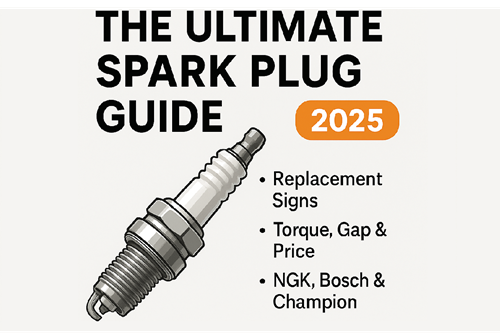
Getting the torque right on your spark plugs is more important than you might think. Too loose, and your engine could misfire or lose compression. Too tight, and you risk damaging the threads or the plug itself. Knowing the recommended torque values helps you avoid these problems and keeps your engine running smoothly.
Factors Influencing Torque Specs
Several factors affect the correct torque for your spark plugs. The material of your cylinder head—whether aluminum or cast iron—plays a big role. Aluminum heads need gentler torque because they’re softer, while cast iron can handle higher values.
The type of spark plug thread also matters. Some plugs have special coatings or designs that change the friction, requiring adjustments to the torque. Even the presence of anti-seize compound on the threads can lower the needed torque, so you have to be consistent with your approach.
Ever noticed how some spark plugs come with a torque rating printed on the box? That’s because manufacturers test these variables extensively to give you a safe range. Following their guidance ensures you don’t guess and risk damage.
Torque Ranges By Engine Type
| Engine Type | Recommended Torque Range | Notes |
|---|---|---|
| Aluminum Cylinder Head (Car Engines) | 13-20 Nm (10-15 ft-lbs) | Lower torque prevents thread damage |
| Cast Iron Cylinder Head (Truck or Older Engines) | 20-30 Nm (15-22 ft-lbs) | Higher torque acceptable due to tougher material |
| Motorcycles & Small Engines | 10-18 Nm (7-13 ft-lbs) | Varies widely; check specific engine manual |
| High-Performance or Turbocharged Engines | 15-25 Nm (12-18 ft-lbs) | Often tighter to ensure sealing under pressure |
Have you ever tightened a spark plug by feel and wondered if it was enough? Using a torque wrench can take away the guesswork and save you from costly mistakes. You might be surprised how different engines demand different torque levels, even if the plugs look the same.
Tools For Accurate Tightening
Accurate tightening of spark plugs is key to engine performance and longevity. Using the right tools ensures the correct torque is applied. This prevents damage to the spark plug or engine components. Tools designed for precision help maintain consistent tightening every time. They make the job easier and safer for your engine.
Choosing The Right Torque Wrench
Select a torque wrench designed for spark plugs. Click-type torque wrenches provide clear feedback when the correct torque is reached. Beam-type wrenches are simple and reliable but need careful reading. Electronic torque wrenches offer digital accuracy and ease of use. Pick a wrench that matches the torque range required for your spark plugs.
- Check the torque range on your spark plug specification.
- Use a wrench with a scale covering this range.
- Consider ease of use and durability.
Calibration And Maintenance
Regular calibration keeps your torque wrench accurate. A wrench that is out of calibration can over-tighten or under-tighten spark plugs. Follow the manufacturer’s instructions for calibration frequency. Store the wrench properly to avoid damage. Clean it after use and release tension on click-type wrenches before storing.
- Calibrate at least once a year or after heavy use.
- Keep the wrench in a protective case.
- Check for wear or damage regularly.

Credit: www.clubrsx.com
Step-by-step Tightening Guide
Tightening spark plugs correctly is crucial for your engine’s performance and longevity. Too loose, and you risk misfires or damage; too tight, and you might strip threads or break the plug. This guide walks you through each stage to ensure your spark plugs are perfectly torqued every time.
Preparation Before Installation
Start by cleaning the spark plug hole and threads thoroughly. Dirt or old debris can affect the torque reading and cause improper seating.
Next, check the spark plug gap with a feeler gauge. A correct gap ensures efficient combustion and better fuel economy.
Gather the right tools: a torque wrench calibrated for spark plug specifications and a spark plug socket with a rubber insert to protect the plug.
Applying The Correct Torque
Hand-tighten the spark plug first to avoid cross-threading. This step helps you feel if the plug is seated correctly before applying final torque.
Use the torque wrench to tighten the plug to the manufacturer’s recommended torque. This value often ranges between 15 to 25 ft-lbs, but always verify for your specific engine.
Applying the exact torque prevents damage and ensures a tight seal. Have you ever wondered why your spark plugs keep loosening? Incorrect torque is often the culprit.
Checking And Re-tightening
After installation, start your engine and let it warm up. Vibrations can slightly loosen plugs if they weren’t torqued properly.
Turn off the engine and let it cool, then re-check the torque with your wrench. If you notice any looseness, carefully re-tighten to the correct specification.
Regularly checking spark plug torque, especially after a few hundred miles, can save you from unexpected engine issues down the road.
Common Mistakes To Avoid
Applying the right torque to spark plugs is important for engine health. Mistakes during installation can cause damage or poor performance. Avoiding common errors helps keep your engine running smoothly. Below are key errors to watch out for during spark plug installation.
Over-tightening Risks
Over-tightening spark plugs can cause serious damage. The threads in the cylinder head may strip or break. This leads to costly repairs and engine problems. Too much torque can also crack the porcelain insulator of the plug. Cracked plugs reduce engine efficiency and cause misfires. Over-tightened plugs may be hard to remove later, increasing repair time.
Under-tightening Consequences
Under-tightening spark plugs causes other problems. Loose plugs can vibrate and cause poor electrical contact. This leads to misfires, rough idling, and loss of power. Loose plugs may also let combustion gases escape. This damages the threads and cylinder head over time. Under-tightened plugs increase the risk of engine damage and poor fuel economy.
Tips From Experts
Getting the torque right on your spark plugs is more than just a technical step; it’s essential to your engine’s health and performance. Experts emphasize precision because too much or too little torque can cause serious problems. Let’s dive into key advice that can help you tighten your spark plugs just right.
Best Practices For Longevity
Always use a quality torque wrench to ensure accuracy. Hand-tightening first helps avoid cross-threading, which can damage the threads permanently. Most experts recommend torque values listed in your vehicle’s manual—usually between 10 and 20 lb-ft.
Applying anti-seize compound on the threads is a hotly debated topic. Some mechanics say it prevents seizing and eases future removal, but others warn it can alter torque readings, causing over-tightening. If you choose to use it, reduce the torque setting by about 10%.
Don’t rush the process. Tighten spark plugs in stages, gradually reaching the recommended torque. This careful approach spreads the pressure evenly and helps avoid warping the cylinder head.
Troubleshooting Torque Issues
If your spark plugs keep coming loose or break during installation, check your tools first. A faulty torque wrench can give misleading readings. Calibrating your wrench regularly or using a new one could solve the problem.
Feeling unusually high resistance when tightening could indicate damaged threads or debris in the spark plug hole. Stop immediately and inspect the threads; forcing the plug may cause costly damage.
Have you noticed uneven spark plug wear or engine misfires after installation? This might point to incorrect torque. Loosen and retighten the plugs at the correct specification, and monitor for improvements in engine performance.

Credit: www.youtube.com
Frequently Asked Questions
What Is The Ideal Torque For Spark Plugs?
The ideal torque for spark plugs ranges between 15 to 30 ft-lbs. Always check your vehicle’s manual for exact specifications to avoid damage or poor performance.
Why Is Correct Spark Plug Torque Important?
Correct torque ensures proper sealing and heat transfer. Over-tightening can damage threads, while under-tightening leads to poor ignition and engine misfires.
How To Measure Spark Plug Torque Accurately?
Use a torque wrench designed for spark plugs. Set it to the manufacturer’s recommended torque to ensure precise tightening and avoid engine damage.
Can Too Much Torque Damage Spark Plugs?
Yes, excessive torque can strip threads or crack the spark plug. This causes engine issues and costly repairs, so always follow recommended torque specs.
Conclusion
Proper torque on spark plugs ensures engine performance and safety. Tighten plugs to the manufacturer’s recommended level. Too little torque can cause poor contact and misfires. Too much torque risks damaging threads or plugs. Use a torque wrench for accurate tightening.
Regular checks help maintain engine health. Remember, correct torque saves time and money in repairs. Simple care leads to a smoother ride. Stay mindful, and your engine will run better longer.





