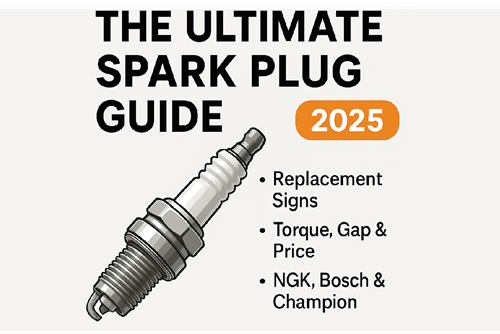
Are your car’s spark plugs causing you trouble? Maybe your engine isn’t running as smoothly as it used to, or you’re noticing a drop in fuel efficiency.
If you’re wondering how much it might cost to repair or replace those spark plugs, you’re not alone. Many car owners face this common issue, and understanding the costs involved can save you from unexpected surprises. We’ll break down everything you need to know about spark plug repair costs.
You’ll discover what factors can affect the price, whether you can tackle this task yourself, and when it’s time to call in a professional. Stick around to make sure your car stays in top shape without breaking the bank. Don’t let spark plug issues slow you down—get the answers you need right here!
Spark Plug Repair Costs
Understanding the costs involved in repairing spark plugs can help you plan your vehicle maintenance budget more effectively. Spark plug repair costs vary widely based on several factors, but knowing what influences the price can save you from unexpected expenses. Let’s break down the typical costs and what you should expect when you head to the mechanic.
Average Price Range
On average, repairing or replacing spark plugs can cost anywhere between $50 and $150. This price typically includes the cost of parts and labor. If you decide to replace all spark plugs, costs may be higher depending on how many plugs your engine requires.
Keep in mind, this range is a general estimate. Prices can be lower if you DIY or higher if your vehicle requires premium spark plugs.
Factors Affecting Cost
- Type of spark plug:Standard copper plugs are cheaper than iridium or platinum plugs.
- Labor charges:Labor costs vary by location and shop rates; more complex engine designs take longer to work on.
- Number of cylinders:More cylinders mean more spark plugs to replace, increasing both parts and labor costs.
- Additional repairs:Sometimes, related components like ignition coils may need replacing, which adds to the total bill.
Have you ever been surprised by a repair bill that seemed too high? Understanding these factors can help you ask the right questions before authorizing work.
Cost By Vehicle Type
| Vehicle Type | Estimated Cost Range | Notes |
|---|---|---|
| Compact Cars | $40 – $100 | Simple engine layout, fewer cylinders. |
| SUVs and Trucks | $80 – $200 | More cylinders, sometimes harder to access plugs. |
| Luxury Vehicles | $150 – $300+ | High-end parts and specialized labor. |
Your vehicle type plays a big role in the cost. Do you know what kind of spark plugs your car uses? Checking your owner’s manual can give you a clearer picture and help you avoid paying more than necessary.

Credit: beachautomotive.com
Types Of Spark Plug Repairs
Knowing the types of spark plug repairs can help you decide the best approach for your car’s needs and budget. Spark plugs might simply need a cleaning or a full replacement, depending on their condition. Understanding these options lets you avoid unnecessary expenses and keep your engine running smoothly.
Replacement Vs Cleaning
Replacing spark plugs means installing brand-new ones, which guarantees improved performance and reliability. Cleaning involves removing deposits and grime to restore the plugs’ efficiency without the cost of new parts.
Cleaning can work if the spark plugs are only mildly dirty or fouled. But if you notice cracks, heavy corrosion, or worn electrodes, replacement is the safer bet. Have you checked your spark plugs lately to see which condition they’re in?
- Replacement:Best for worn or damaged plugs; more costly but longer-lasting.
- Cleaning:Saves money if plugs are in decent shape; requires careful inspection.
Diy Vs Professional Service
Handling spark plug repairs yourself can save money and give you a sense of accomplishment. However, it demands basic tools, some mechanical knowledge, and careful attention to avoid damaging your engine.
Professional service costs more but ensures the job is done right, often with a warranty on parts and labor. If you’ve never worked on spark plugs before, would you trust your car to a pro or take on the challenge yourself?
| DIY | Professional Service |
|---|---|
| Lower cost | Higher cost |
| Requires tools and skill | Expertise and proper equipment |
| Risk of improper installation | Reliable and guaranteed work |
| Great learning experience | Time-saving and convenient |
Signs You Need Spark Plug Repair
Knowing when your spark plugs need repair can save you time, money, and frustration. These small parts play a big role in your engine’s performance. If you notice unusual signs, ignoring them might lead to more costly repairs.
Engine Misfires
Have you ever felt your car jerk or hesitate while driving? That’s often a sign of engine misfires caused by faulty spark plugs. When spark plugs fail to ignite the fuel-air mixture properly, your engine stumbles, leading to rough idling and poor acceleration.
Ignoring misfires can damage other engine components. Paying attention to this early warning can help you fix the spark plugs before things get worse.
Poor Fuel Economy
Are you filling up your tank more often than usual? Worn-out spark plugs cause incomplete combustion, which wastes fuel. This means your car burns more gas to deliver the same power.
Tracking your mileage and comparing it to your usual performance can reveal if spark plugs are the culprit. Fixing them might restore your fuel efficiency and save you money at the pump.
Starting Issues
Does your car struggle to start or take longer to turn over? Faulty spark plugs may be to blame. They need to generate a strong spark to ignite the engine, and when they weaken, starting becomes a challenge.
Repeatedly facing this problem? Replacing your spark plugs could be the simple fix that gets your engine running smoothly again.
Choosing The Right Spark Plugs
Choosing the right spark plugs is crucial for your engine’s performance and longevity. The right spark plug doesn’t just ignite the fuel efficiently—it can also save you money on repairs down the line. Let’s break down what you need to know to pick the best spark plugs for your vehicle.
Standard Vs High-performance
Standard spark plugs are designed for everyday driving. They offer reliable ignition at an affordable price, making them a solid choice if you mostly use your car for commuting or casual trips.
High-performance spark plugs, on the other hand, are built for engines that demand more power and efficiency. If you drive a sports car or tow heavy loads regularly, these plugs can improve throttle response and fuel economy.
Think about how you use your vehicle. Do you need spark plugs that boost power, or will standard plugs do the job without extra cost?
Material Differences
Spark plugs come in various materials, each affecting durability and performance. Copper plugs conduct electricity well but wear out faster, often needing replacement every 20,000 to 30,000 miles.
Iridium and platinum plugs last longer and provide a stronger spark. Iridium plugs, in particular, can last up to 100,000 miles, making them a cost-effective choice over time despite a higher upfront price.
Consider your budget and how often you want to replace your spark plugs. Would paying more now save you time and hassle later?
Compatibility Tips
Using the wrong spark plug can cause misfires, poor fuel economy, or engine damage. Always check your vehicle’s manual for recommended spark plug types and gap settings.
Look for plugs that match your engine’s heat range and thread size. Installing a plug with the wrong heat range can lead to overheating or fouling.
If you’re unsure, ask a trusted mechanic or consult online forums for your vehicle model. Have you checked your spark plug specs lately?
Cost-saving Strategies
Saving money on spark plug repairs doesn’t mean cutting corners. It means making smart choices that keep your car running smoothly without draining your wallet. By focusing on simple strategies, you can reduce costs and avoid unexpected expenses.
Regular Maintenance
Keeping up with regular maintenance is your best defense against costly spark plug repairs. Check your spark plugs every 30,000 miles or as your car manual suggests. Clean and replace them on time to prevent engine misfires and poor fuel economy.
Think about how skipping routine checks once led me to a sudden engine stall on a busy highway. That repair was expensive and avoidable. Could regular maintenance save you from similar surprises?
Buying Spark Plugs Online
Buying spark plugs online often costs less than at a local auto shop. Online retailers offer a wide range of brands and prices, letting you pick the best fit for your budget and vehicle. Look for trusted sellers and read customer reviews before purchasing.
Many websites provide detailed compatibility guides to ensure you get the right spark plug for your engine. Have you compared prices online lately to see how much you could save?
Finding Reliable Mechanics
Choosing the right mechanic can save you both time and money. Look for certified professionals with positive reviews and transparent pricing. Avoid shops that rush repairs or suggest unnecessary replacements.
Ask friends or family for recommendations, or check online forums for trustworthy options. Wouldn’t you prefer a mechanic who explains the problem clearly and offers fair costs?

Credit: www.youtube.com
Impact Of Neglecting Spark Plug Repair
Neglecting spark plug repair can cause serious problems for your car. Spark plugs play a key role in engine performance. Ignoring their condition leads to bigger issues that cost more to fix. Understanding these impacts helps you avoid expensive repairs and keep your vehicle running smoothly.
Engine Damage Risks
Worn spark plugs cause misfires and rough idling. This puts extra stress on engine parts. Over time, it can lead to damaged pistons, valves, and cylinders. Repairing engine damage is costly and time-consuming. Regular spark plug maintenance prevents this damage and protects your engine.
Increased Fuel Costs
Faulty spark plugs reduce fuel efficiency. Poor combustion means your car burns more fuel. This wastes money at the pump and harms the environment. Keeping spark plugs in good condition helps maintain optimal fuel use. It saves money and reduces harmful emissions.
Reduced Vehicle Lifespan
Ignoring spark plug issues shortens your car’s life. Engine wear increases due to poor ignition. This causes frequent breakdowns and costly repairs. Routine spark plug replacement extends your vehicle’s lifespan. It ensures reliable performance for many years.

Credit: simonsautorepairtaunton.com
Frequently Asked Questions
How Much Does It Cost To Replace Spark Plugs?
Replacing spark plugs typically costs between $50 and $150. The price depends on your vehicle type and labor rates. Parts usually cost $10 to $30 each. Labor charges vary by mechanic and location. Always get a detailed estimate before repair.
What Factors Affect Spark Plug Repair Prices?
Prices vary due to vehicle make, model, and engine type. Labor costs differ by region and mechanic skill. The spark plug brand and type also impact cost. Additional repairs or diagnostics can increase the total price.
How Often Should Spark Plugs Be Replaced?
Spark plugs generally need replacement every 30,000 to 100,000 miles. Check your vehicle manual for specific intervals. Worn plugs cause poor engine performance and reduced fuel efficiency. Regular replacement keeps your engine running smoothly.
Can I Replace Spark Plugs Myself To Save Money?
Yes, if you have basic tools and mechanical skills. DIY replacement can save labor costs. However, incorrect installation may cause engine damage. Follow your vehicle’s manual and safety guidelines carefully.
Conclusion
Repairing spark plugs usually costs between $50 and $150. Prices depend on the car type and labor fees. Doing the job yourself can save money but needs some skills. Regular spark plug maintenance helps keep your engine running well. Don’t wait too long to fix worn plugs.
Quick repairs can prevent bigger engine problems later. Keep an eye on your car’s performance and listen for odd sounds. A small cost now can save you from expensive repairs in the future. Simple care goes a long way for your vehicle’s health.





