Are you wondering how much spark plugs cost and if you’re getting the best deal? You’re not alone.
As a crucial component of your vehicle’s engine, spark plugs play a vital role in ensuring smooth operation and fuel efficiency. But with so many options available and prices that vary widely, it can be tough to know if you’re making the right choice for your car and your wallet.
We’ll break down the costs associated with spark plugs, helping you understand the factors that influence their price. You’ll discover tips for finding the perfect balance between quality and cost, so you can keep your engine running smoothly without breaking the bank. Keep reading to make an informed decision and avoid costly mistakes.

Credit: www.reddit.com
Spark Plug Price Range
Spark plugs vary widely in price. The cost depends on the type, brand, and material used. Understanding the price range helps in choosing the right spark plug for your car and budget. Spark plugs generally fall into three categories:
Budget Options
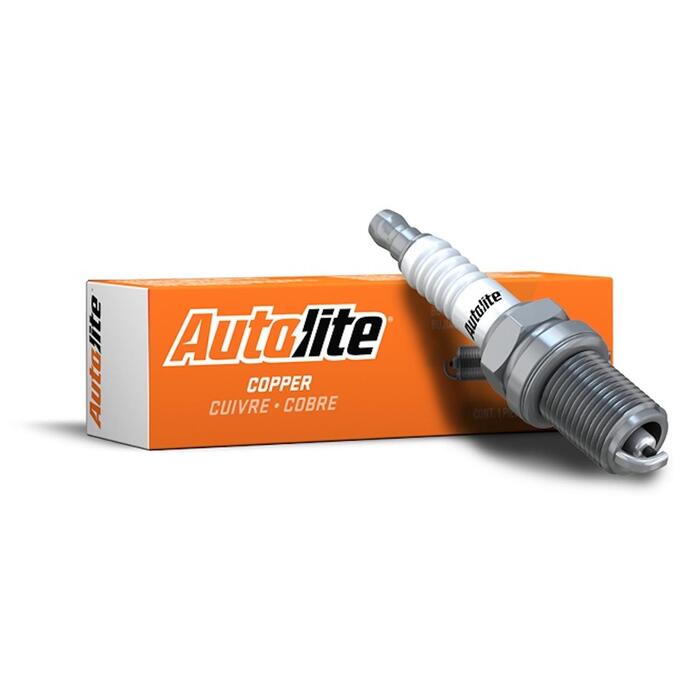
Budget spark plugs are the most affordable choice. They usually use basic materials like copper. These plugs work well for older or low-performance vehicles. Expect prices to range from $2 to $8 per plug. They may wear out faster but serve well for everyday driving.
Mid-range Choices
Mid-range spark plugs offer better durability and performance. They often feature materials like platinum. These plugs last longer than budget options. Prices typically range from $8 to $15 per plug. They suit most modern cars and balance cost with quality.
Premium Spark Plugs
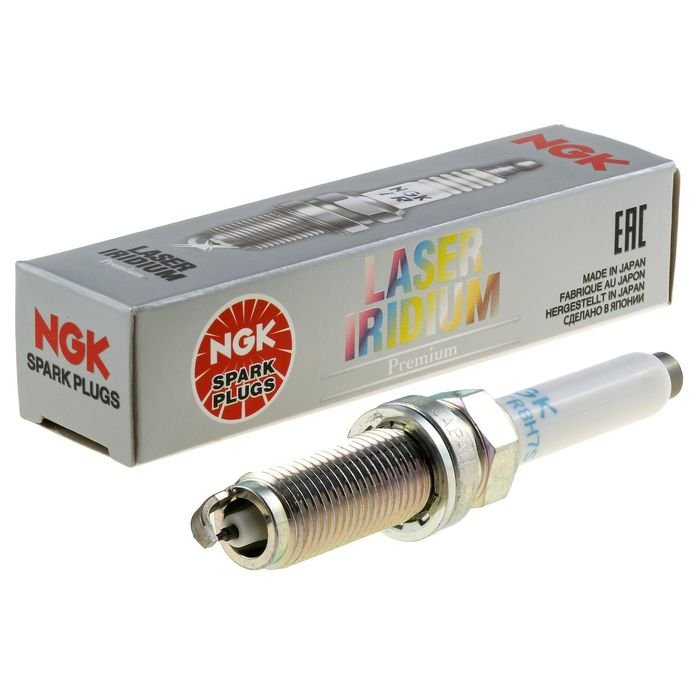
Premium spark plugs use advanced materials such as iridium. They provide excellent performance and longevity. Prices start around $15 and can go over $25 per plug. Ideal for high-performance or luxury vehicles. These plugs improve fuel efficiency and engine power.
Credit: www.autozone.com
Factors Affecting Spark Plug Cost
The cost of spark plugs varies widely. Several key factors influence their price. Understanding these factors helps in choosing the right spark plug for your vehicle and budget.
Material Types
Spark plugs come in different materials, each affecting cost.
- Copper:The most affordable but wears out faster.
- Platinum:Mid-range price, lasts longer than copper.
- Iridium:The most expensive, offers the best durability and performance.
Higher-quality materials increase spark plug price but reduce replacement frequency.
Brand Influence
Brand reputation impacts spark plug cost significantly.
Well-known brands charge more due to quality assurance and testing. Cheaper brands may save money but risk lower performance and lifespan.
Vehicle Compatibility
Specific vehicles require certain spark plug types. Some need advanced designs or unique sizes.
Rare or specialty spark plugs often cost more due to limited production. Standard models for common cars are usually less expensive.
Diy Vs Professional Installation
Choosing between DIY spark plug installation and professional help affects both cost and effort. Many car owners consider doing it themselves to save money. Others prefer hiring a mechanic for peace of mind. Understanding the benefits and risks of each option helps in making the right choice.
Cost Savings With Diy
Doing spark plug replacement yourself cuts labor costs. Spark plugs usually cost between $2 and $15 each. Mechanics may charge $50 to $150 for labor. Tools needed often include a socket wrench and gap gauge. These tools are reusable for future repairs. Learning the process can be quick with online guides or videos. Be sure to work in a clean, well-lit space. Taking care avoids damage and extra expenses.
When To Hire A Mechanic
Some situations require professional skills. Vehicles with hard-to-reach spark plugs need expert tools. Old or rusty engines can cause spark plugs to break. Mechanics can detect other engine issues during the service. Warranty terms may require professional installation. Confidence in mechanical skills varies by person. Choosing a mechanic reduces risk of errors and costly repairs. It also saves time for busy car owners.
How Often To Replace Spark Plugs
Knowing how often to replace spark plugs helps keep your car running well. Spark plugs wear out over time and affect engine performance. Changing them at the right time saves money and avoids bigger repairs.
Manufacturer Recommendations
Car makers set specific intervals for spark plug replacement. These can vary by vehicle model and spark plug type. Common intervals range from 30,000 to 100,000 miles. Check your owner’s manual for the exact schedule. Following these guidelines keeps your engine efficient. It also helps maintain fuel economy and reduces emissions.
Signs Of Wear
Watch for signs that spark plugs need changing sooner. Symptoms include:
- Engine misfires or rough idling
- Difficulty starting the engine
- Lower fuel efficiency
- Sluggish acceleration
- Engine knocking or pinging sounds
These issues indicate spark plugs no longer perform well. Replacing them improves engine smoothness and power. Regular checks can catch wear early and prevent breakdowns.
Tips To Save On Spark Plug Purchases
Saving money on spark plugs is easier than you might think. With a few smart strategies, you can keep your engine running smoothly without overspending. Here are some practical tips to help you get the best deals on spark plug purchases.
Buying In Bulk
Buying spark plugs in bulk often cuts the price per unit significantly. If you own multiple vehicles or plan to replace plugs regularly, this option can save you money over time.
Many retailers offer discounts when you buy a set of four or more spark plugs. Even if you only need a couple now, consider purchasing a full set for future use.
Have you checked if your local auto parts store offers bulk pricing? Sometimes, even online sellers provide better deals for larger quantities.
Seasonal Discounts
Timing your purchase around sales events can lead to substantial savings. Look out for discounts during major holidays or end-of-season clearances.
Automotive stores often run promotions in spring and fall when people prepare for road trips or winter driving. These sales can include buy-one-get-one deals or percentage-off discounts.
Set alerts or subscribe to newsletters from your favorite auto parts retailers to catch these limited-time offers. Would you rather pay full price or wait a few weeks for a sale?
Online Vs In-store Shopping
Shopping online lets you compare prices across multiple sellers quickly. Websites like Amazon or specialized auto parts stores often have competitive pricing and customer reviews.
However, buying in-store gives you the chance to get advice from staff and avoid shipping delays. Sometimes, local shops offer price matching or loyalty discounts that you won’t find online.
Consider checking both options before buying. Which do you think will save you more—instant access or a better deal with a few extra clicks?
Comparing Spark Plug Brands
Choosing the right spark plug brand can make a big difference in your vehicle’s performance and how often you need to replace them. Prices vary widely based on brand reputation, material quality, and technology used. Comparing brands helps you find the best value without sacrificing reliability.
Top Brands Overview
Several spark plug brands stand out because of their quality and innovation. Brands like NGK, Bosch, Denso, and Autolite are popular choices among drivers and mechanics alike.
- NGK:Known for durability and excellent ignition performance, NGK spark plugs often cost between $10 and $20 each.
- Bosch:Offers premium plugs that focus on fuel efficiency and emissions control, with prices ranging from $12 to $25 per plug.
- Denso:Provides reliable plugs that are often used as OEM parts, priced around $8 to $18 each.
- Autolite:A budget-friendly option with decent performance, usually priced between $5 and $12 per plug.
Think about what matters most to you—is it longevity, price, or fuel savings? Your choice might vary depending on your car’s make and your driving habits.
Customer Reviews And Ratings
Customer feedback offers insight beyond specifications and price tags. Many drivers praise NGK for lasting thousands of miles without losing performance. One driver shared how switching to Bosch plugs noticeably improved his car’s smoothness and gas mileage.
On the other hand, some users find budget brands like Autolite suitable for older cars or short-term use, but caution about frequent replacements. Ratings often highlight that higher-priced plugs don’t always guarantee the best fit for every vehicle.
Have you checked reviews that match your car model? Reading experiences from drivers with similar vehicles can save you time and money when selecting spark plugs.
Impact Of Spark Plugs On Vehicle Performance
Spark plugs play a key role in how well a vehicle performs. They create the spark that ignites the fuel in the engine. Good spark plugs help the engine run efficiently and smoothly. Worn or dirty spark plugs can cause many problems. These include poor fuel economy and rough engine operation. Understanding their impact helps explain why spark plug cost is important for maintenance decisions.
Fuel Efficiency
Clean and effective spark plugs improve fuel burning. They ignite the air-fuel mixture fully and quickly. This leads to better fuel use and less waste. Old or damaged plugs cause incomplete combustion. The engine uses more fuel to produce the same power. Replacing spark plugs on time can save fuel and money.
Engine Smoothness
Smooth engine running depends on spark plugs firing correctly. Faulty plugs cause misfires, making the engine shake or jerk. They can make starting the vehicle harder. Good spark plugs keep the engine steady and quiet. This improves driving comfort and reduces stress on engine parts.

Credit: www.amazon.com
Frequently Asked Questions
How Much Do Spark Plugs Cost On Average?
Spark plugs typically cost between $2 and $15 each. Prices vary based on brand, type, and vehicle compatibility. High-performance or iridium spark plugs tend to be pricier. Labor costs for installation may add $40 to $100. Overall, expect total costs from $30 to $150.
What Factors Influence Spark Plug Prices?
Spark plug prices depend on material quality, brand reputation, and vehicle type. Iridium and platinum plugs are more expensive than copper. Specialty plugs for high-performance engines cost more. Additionally, buying in bulk or OEM parts may reduce the price. Installation costs also affect the final expense.
How Often Should Spark Plugs Be Replaced?
Most spark plugs need replacement every 30,000 to 100,000 miles. Iridium plugs last longer, often up to 100,000 miles. Regular replacement ensures optimal engine performance and fuel efficiency. Check your vehicle’s manual for recommended intervals. Worn plugs can cause misfires and reduced power.
Can I Replace Spark Plugs Myself?
Yes, replacing spark plugs is doable with basic tools. Ensure you have the correct type and gap for your engine. Follow safety precautions and consult your vehicle’s manual. If unsure, professional installation is safer and prevents damage. Proper replacement improves engine efficiency and performance.
Conclusion
Spark plug prices vary based on type and brand. Basic plugs cost less but may wear out faster. High-performance plugs cost more but last longer. Changing spark plugs regularly helps your engine run smoothly. Knowing the cost helps you plan car maintenance better.
Choose the right spark plug for your vehicle’s needs. Keep your car in good shape without overspending. Simple care can save money and prevent bigger problems. A small investment in spark plugs goes a long way.





