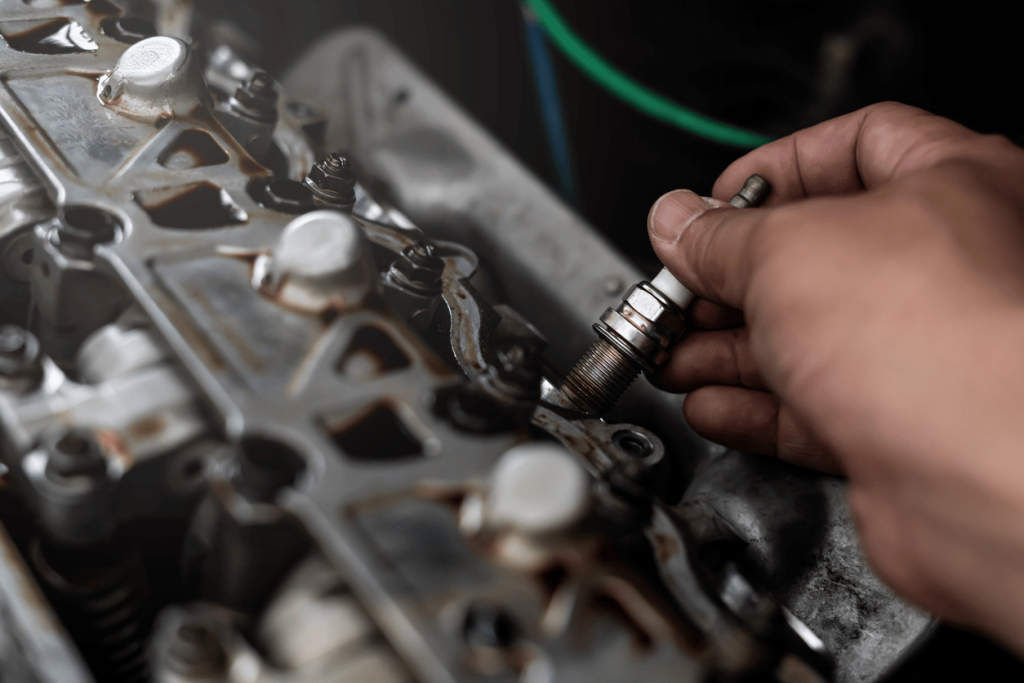
Have you ever wondered how much it should cost to replace your spark plugs? If you’re like most car owners, you might feel a bit in the dark about car maintenance costs.
After all, the last thing you want is to be caught off guard by unexpected expenses. But don’t worry, understanding the cost of replacing spark plugs is simpler than you think—and it could save you money and hassle in the long run.
We’ll break down everything you need to know about spark plug replacement costs, so you can feel confident the next time you visit your mechanic. Stick around, because by the end of this post, you’ll be equipped with the knowledge to make informed decisions for your car and your wallet.
Factors Influencing Spark Plug Replacement Cost
Understanding the cost of replacing spark plugs means looking at several key factors that influence the final price. These factors vary widely depending on what kind of spark plugs you choose, the type of vehicle you own, and even the labor involved. Knowing these details helps you budget better and avoid surprises when you take your car in for service.
Type Of Spark Plugs
Not all spark plugs are created equal. Standard copper plugs are usually the cheapest but wear out faster. Iridium and platinum plugs cost more upfront but last longer and perform better.
Your choice here can add or save you money in the long run. If you want your car to run smoothly with less frequent replacements, investing in high-quality spark plugs might be worth it.
Vehicle Make And Model
Different vehicles require different spark plugs, and some are more expensive than others. Luxury cars and performance vehicles often use specialized plugs that cost more. Compact cars and older models typically have cheaper options.
Also, the design of your engine affects how easy or hard it is to access the plugs. Some engines require removing several parts, which can increase labor time and cost.
Labor Charges
Labor costs vary depending on where you take your car and how complex the replacement process is. Dealerships usually charge more than independent mechanics. If your spark plugs are hard to reach, expect to pay more in labor fees.
Ask your mechanic about labor rates upfront and whether additional work might be needed. Sometimes a quick replacement can turn into a longer job if parts are rusty or hard to remove.
Additional Repairs
Replacing spark plugs might reveal other issues, such as damaged ignition coils or worn-out wires. These extra repairs add to your total cost but are important for your car’s performance.
Don’t ignore these signs—addressing them early can save you money and prevent breakdowns later. Always request a full inspection when you replace your spark plugs to catch any hidden problems.

Credit: www.reddit.com
Average Cost Range For Spark Plug Replacement
Understanding the average cost range for spark plug replacement can help you plan your car maintenance budget better. Prices vary depending on the type of spark plugs and whether you choose to replace them yourself or hire a professional. Knowing these details can save you from unexpected expenses and ensure your vehicle runs smoothly.
Cost For Standard Spark Plugs
Standard spark plugs are the most common and affordable option. They typically cost between $10 and $20 per plug. For most cars, you’ll need four to six plugs, which means the parts alone usually range from $40 to $120.
Labor costs for replacing standard plugs can add around $40 to $100, depending on the shop. If your engine is easy to access, expect costs on the lower end. Have you checked when your last spark plug replacement was? It might be time if your engine feels sluggish.
Cost For Premium Spark Plugs
Premium spark plugs, like iridium or platinum types, offer better performance and longevity. They cost more, usually between $15 and $50 per plug. For a full replacement, this means parts can run from $60 to $300.
Labor charges for premium plugs are similar to standard ones but can be higher if your vehicle requires special tools or more time. Investing in premium plugs might seem costly upfront, but they can improve fuel efficiency and reduce the frequency of replacements. Would you pay more now to save money and hassle later?
Diy Vs Professional Replacement
Replacing spark plugs yourself can cut costs significantly, often limiting expenses to just the price of the plugs. If you have basic tools and some mechanical know-how, this task can take about 30 minutes to an hour.
However, if you’re unsure or your engine design is complex, professional replacement is safer. Mechanics ensure plugs are installed correctly and can spot other issues during the process. What’s your comfort level with DIY car repairs? Sometimes paying for expertise is worth the peace of mind.
Signs You Need To Replace Spark Plugs
Spark plugs play a key role in your car’s engine performance. They ignite the fuel-air mixture for smooth running. Worn or damaged spark plugs cause many driving problems. Spotting these signs early saves time and money on repairs. Here are common signs that show you need to replace spark plugs.
Engine Misfires
Engine misfires happen when spark plugs fail to ignite fuel properly. Your car may jerk or hesitate during acceleration. Misfires cause rough rides and reduce engine power. This issue also harms your catalytic converter over time.
Poor Fuel Economy
Old spark plugs burn more fuel than needed. You will notice a drop in miles per gallon. Poor fuel economy means your car spends more money on gas. Replacing spark plugs helps restore efficient fuel use.
Difficulty Starting
Hard starts are common when spark plugs are weak. The engine may crank longer before it fires up. Cold weather often makes this problem worse. Fresh spark plugs improve engine starting and reliability.
Rough Idling
A rough or uneven idle signals spark plug trouble. The engine may shake or vibrate when stopped. This can cause discomfort and wear on engine parts. Changing spark plugs smooths out idling and running.
Choosing The Right Spark Plugs
Choosing the right spark plugs can make a huge difference in your vehicle’s performance and how often you need to replace them. It’s not just about buying the cheapest option. Understanding the types, heat range, and whether to go OEM or aftermarket helps you make the best choice for your engine and budget.
Material Types: Copper, Platinum, Iridium
Spark plugs come in three main materials: copper, platinum, and iridium. Copper plugs are the most affordable and offer great conductivity, but they wear out faster. If you want something more durable, platinum plugs last longer and provide better performance under higher temperatures.
Iridium spark plugs are the top of the line, known for their longevity and excellent ignition. They cost more upfront but can save money over time by lasting longer and improving fuel efficiency. What matters is matching the material to your driving style and vehicle needs.
Heat Range Considerations
The heat range of a spark plug indicates how quickly it can dissipate heat from the combustion chamber. Choosing the wrong heat range can cause your engine to run poorly or even damage it. If you drive aggressively or tow heavy loads, you might need a hotter plug to avoid fouling.
Conversely, a colder plug is better if your engine runs hot or you do mostly highway driving. Check your vehicle’s manual or ask a mechanic for the recommended heat range. Have you ever noticed your engine misfiring or stalling? The heat range might be the hidden cause.
Oem Vs Aftermarket Options
OEM (Original Equipment Manufacturer) plugs are made by or for your car’s maker. They match your engine’s specifications exactly, so you get reliable performance and peace of mind. However, OEM plugs often come with a higher price tag.
Aftermarket spark plugs offer a wider range of brands and prices. Some provide better performance or longer life than OEM plugs, but quality varies. You need to research the brand and read reviews carefully. Would you pay more for guaranteed fit and performance, or try a budget-friendly alternative?
Tips To Save On Spark Plug Replacement
Replacing spark plugs can add up, but some simple tips help cut costs. Smart choices keep your car running well without overspending. These ideas save money and extend spark plug life.
Shop Around For Quotes
Prices vary from shop to shop. Call multiple places for estimates before deciding. Compare parts and labor costs separately. This helps spot the best deal easily.
Consider Bundle Services
Combining spark plug replacement with other maintenance lowers total cost. Shops often offer discounts on combined services. Ask about packages that include oil changes or air filter checks.
Routine Maintenance Benefits
Regular car checkups catch issues early. Well-maintained spark plugs last longer and perform better. Avoid costly repairs by following your car’s maintenance schedule closely.

Credit: www.youtube.com
Common Mistakes To Avoid
Replacing spark plugs might seem straightforward, but many car owners unknowingly make costly mistakes. These errors can lead to poor engine performance, wasted money, or even damage to your vehicle. Knowing what to avoid helps you save time and get the best results from your spark plug replacement.
Ignoring Replacement Intervals
Skipping or delaying spark plug replacement can cause engine misfires and reduced fuel efficiency. Your car’s manual lists specific intervals for changing spark plugs—stick to them to maintain smooth operation.
Waiting too long can increase emissions and put extra strain on the ignition system. Have you noticed rough idling or trouble starting your car? These could be signs you’re overdue for new plugs.
Using Incorrect Spark Plugs
Not all spark plugs fit every engine. Using the wrong type or heat range can lead to poor combustion and engine knocking.
Always check your vehicle’s specifications before buying plugs. Using cheaper, incompatible options might save money upfront but can cost you more in repairs later.
Improper Installation
Even the right spark plugs won’t work well if they’re installed incorrectly. Over-tightening can damage the threads, while under-tightening may cause poor contact and misfires.
Make sure to use the correct torque settings and tools. Have you ever tightened a bolt too much and stripped it? Spark plugs require the same careful handling to avoid costly mistakes.

Credit: www.reddit.com
Frequently Asked Questions
How Much Does Spark Plug Replacement Cost?
Spark plug replacement typically costs between $50 and $150. Prices vary based on vehicle type and labor rates. Parts usually cost $10 to $20 each. Labor time ranges from 30 minutes to 1 hour. Always check local mechanic prices for accuracy.
What Factors Affect Spark Plug Replacement Price?
The price depends on the vehicle model, number of spark plugs, and labor costs. Specialty or high-performance plugs cost more. Labor rates vary by location and mechanic experience. Additional repairs can also increase total cost.
How Often Should Spark Plugs Be Replaced?
Most spark plugs last 30,000 to 100,000 miles. Check your vehicle’s manual for exact intervals. Regular replacement improves engine performance and fuel efficiency. Neglecting them can cause misfires and engine issues.
Can I Replace Spark Plugs Myself To Save Money?
Yes, if you have basic tools and mechanical skills. DIY replacement saves labor costs but requires careful handling. Follow the vehicle manual instructions to avoid damage. If unsure, professional service is safer.
Conclusion
Replacing spark plugs usually costs between $50 and $150. Prices depend on your car model and plug type. Labor fees vary by location and mechanic skill. Choosing quality spark plugs helps your engine run better. Regular replacement keeps your car smooth and saves money.
Don’t wait until problems start. Keep your vehicle healthy with timely spark plug changes. Simple steps can avoid costly repairs later. Spark plug replacement is a small price for good engine health.





