Are you wondering how much it costs to change your spark plugs? Whether you’re trying to save money on car maintenance or just curious about what to expect, knowing the price upfront can help you make smarter decisions.
Spark plugs are small but mighty parts that keep your engine running smoothly. Ignoring them can lead to bigger problems and higher repair bills. You’ll discover the real cost of changing spark plugs, factors that affect the price, and tips to get the best value.
Keep reading—you’ll be glad you did when it’s time to give your car the care it needs.

Credit: www.reddit.com
Spark Plug Replacement Costs
Spark plug replacement costs vary based on several factors. Knowing these costs helps plan your car maintenance budget better.
Replacing spark plugs keeps your engine running smoothly and improves fuel efficiency. The price depends on the type of spark plugs and the service method chosen.
Average Price Range
The average cost to replace spark plugs ranges from $50 to $200. This price includes parts and labor. Basic spark plugs are cheaper, while premium ones cost more.
- Standard spark plugs: $10 to $20 each
- Iridium or platinum plugs: $15 to $40 each
- Labor charges: $40 to $100
Factors Affecting Cost
Several factors influence the total cost of spark plug replacement. These include:
- Type of spark plugs used
- Number of spark plugs in the engine
- Car make and model
- Labor rates in your area
- Additional repairs needed
Some cars have hard-to-reach spark plugs, raising labor costs. High-performance vehicles may require expensive plugs.
Diy Vs Professional Service
Replacing spark plugs yourself can save money. Basic tools and knowledge are necessary. It takes about 30 to 60 minutes per spark plug.
Professional service costs more but ensures proper installation. Mechanics check for other engine issues during replacement. This can prevent future problems.
DIY is good for those confident with car repairs. Choose professional help for complex or modern engines.

Credit: simonsautorepairtaunton.com
Types Of Spark Plugs
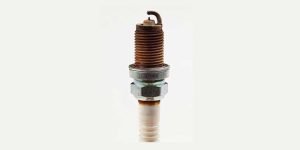
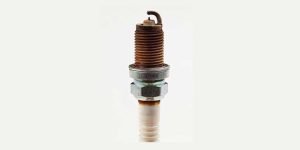
Spark plugs play a key role in your car’s engine. They ignite the fuel-air mix to start the combustion. Different types of spark plugs suit various engines and budgets. Choosing the right type can affect performance and cost. Here are the common spark plug types used today.
Copper Plugs
Copper spark plugs have a solid copper core. They conduct electricity well, making them reliable starters. These plugs wear out faster than others and need frequent replacement. They are the most affordable option. Ideal for older cars or those with simple engines.
Platinum Plugs
Platinum plugs last longer than copper ones. They have a thin platinum coating on the electrode tip. This coating resists wear and heat better. They offer better fuel efficiency and smoother engine performance. Costs are higher than copper but less than iridium plugs.
Iridium Plugs
Iridium spark plugs are the most durable type. Their fine iridium tip improves ignition and reduces wear. They provide better fuel economy and engine power. Iridium plugs last much longer than copper or platinum. They are the priciest option but offer great value over time.
Labor Charges Explained
Labor charges form a big part of the total cost to change spark plugs. Understanding these charges helps you plan your budget. Mechanics charge mainly for the time spent on the job. This section explains how hourly rates, time required, and extra fees affect the labor cost.
Hourly Rates
Mechanics usually charge by the hour. Rates vary based on location and shop type. Expect higher rates in cities and dealer service centers. Independent shops may offer lower hourly fees. Typical rates range between $50 and $150 per hour.
Time Required For Replacement
Changing spark plugs usually takes 30 minutes to 1 hour. The exact time depends on the car model and engine layout. Some engines have easy access to spark plugs. Others require removing parts, increasing labor time. More time means higher labor charges.
Additional Fees
Extra fees can add to the labor cost. These include shop supplies, disposal fees, and taxes. Some shops charge a flat fee for small parts or materials. Diagnostic fees may apply if the mechanic checks engine codes first. Always ask for a full estimate before work starts.

Credit: beachautomotive.com
When To Change Spark Plugs
Knowing when to change your spark plugs can save you from unexpected car troubles and costly repairs. Spark plugs play a crucial role in your engine’s performance by igniting the fuel-air mixture. Ignoring their condition can lead to poor fuel efficiency and engine misfires, but changing them too early might waste money. So, how do you know the right time to replace them?
Mileage Guidelines
Most manufacturers recommend changing spark plugs every 30,000 to 100,000 miles, depending on the type of plugs your vehicle uses. Copper plugs usually need replacement closer to 30,000 miles, while platinum or iridium plugs last much longer—sometimes up to 100,000 miles.
If you’re not sure about your car’s recommended interval, check the owner’s manual or maintenance guide. Remember, these are general guidelines; actual conditions can vary based on your driving habits and environment.
Signs Of Worn Spark Plugs
Don’t wait for the mileage mark if you notice warning signs. Worn spark plugs can cause your engine to hesitate, misfire, or run roughly.
- Difficulty starting the engine:If your car takes longer to start or struggles to turn over, spark plugs might be the culprit.
- Poor fuel economy:Decreased gas mileage often points to inefficient combustion caused by bad plugs.
- Engine misfires or rough idling:Uneven engine performance, especially when idling, signals spark plug wear.
- Loss of power:If acceleration feels sluggish, worn plugs could be limiting your engine’s power output.
Have you ever noticed any of these symptoms but ignored them? Acting early can prevent bigger engine issues and improve your car’s reliability.
Tips To Save On Spark Plug Replacement
Saving money on spark plug replacement doesn’t mean you have to compromise on quality or safety. Smart choices before and during the replacement process can significantly cut costs. Let’s look at some practical tips that help you keep your engine running smoothly without overspending.
Buying Parts Online
Have you checked online prices for spark plugs lately? Often, buying parts online is much cheaper than purchasing from a local store. Websites like Amazon or specialized auto parts retailers offer competitive prices and customer reviews that help you pick the right spark plugs.
Make sure to compare prices across multiple sites and factor in shipping costs. Sometimes, buying in bulk or during sales can reduce the price per spark plug even further. Just be cautious about counterfeit parts—stick to well-known brands and trusted sellers.
Choosing The Right Service
Not all mechanics charge the same for spark plug replacement. You can save by choosing a service that fits your budget without sacrificing quality. Small local shops often charge less than large dealerships, and some even offer package deals if you combine services.
Ask for a clear quote upfront, including labor and parts. You might also want to check if the mechanic uses the correct spark plug type for your vehicle. Sometimes, a quick phone call or online research can reveal hidden fees you’d want to avoid.
Regular Maintenance
How often do you check your spark plugs? Regular maintenance extends their life and prevents costly repairs later. Cleaning and inspecting your spark plugs during routine oil changes can catch issues early.
Keeping your engine well-tuned and using quality fuel also helps spark plugs last longer. Small habits, like driving smoothly and avoiding short trips that prevent full engine warm-up, can make a big difference in how frequently you need replacements.
Potential Issues With Delayed Replacement
Delaying spark plug replacement can cause several car problems. These parts play a key role in engine function. Ignoring their condition affects many areas of your vehicle. Understanding these issues helps prevent costly repairs.
Engine Performance Problems
Old spark plugs make it hard for the engine to start. Misfires occur more often, causing rough rides. The engine may hesitate or stall during driving. This leads to a less smooth and less reliable drive.
Fuel Efficiency Drop
Worn spark plugs reduce fuel burning efficiency. This causes the engine to use more gasoline than usual. Expect to visit the gas station more often. Saving fuel starts with timely spark plug changes.
Increased Emissions
Faulty spark plugs cause incomplete fuel burning. This raises harmful gas emissions from the exhaust. Increased pollution affects air quality and the environment. Regular spark plug care helps keep emissions low.
Frequently Asked Questions
How Much Does Spark Plug Replacement Cost?
Spark plug replacement typically costs between $100 and $200. The price varies by vehicle type and labor charges. Parts alone can cost $10 to $30 each. Labor usually adds $40 to $100 depending on the mechanic’s rate and engine complexity.
When Should You Change Your Spark Plugs?
You should change spark plugs every 30,000 to 100,000 miles. It depends on the plug type and vehicle manufacturer’s recommendation. Worn plugs can cause poor engine performance, reduced fuel efficiency, and starting issues. Regular replacement ensures smooth running and prevents engine damage.
Can I Replace Spark Plugs Myself?
Yes, you can replace spark plugs yourself if you have basic tools and knowledge. Ensure the engine is cool before starting. Follow your vehicle’s manual for the correct spark plug type and gap size. DIY replacement saves labor costs but requires careful handling.
What Factors Affect Spark Plug Replacement Cost?
Replacement cost depends on spark plug type, vehicle model, and labor rates. High-performance or iridium plugs cost more than standard ones. Labor varies based on engine accessibility and mechanic experience. Additional repairs can increase overall cost if related components are worn.
Conclusion
Changing spark plugs doesn’t have to be costly. Prices vary by car model. Labor fees add to the cost. Check your vehicle’s manual for guidance. Regular maintenance keeps your car running smoothly. It also helps avoid bigger issues. Always choose quality spark plugs for better performance.
Consider doing it yourself to save money. Ensure you have the right tools. Safety comes first, so disconnect the battery. If unsure, ask a professional mechanic. They can offer advice and service. This simple task can lead to a smoother ride.
Keep your vehicle in top shape with timely replacements.