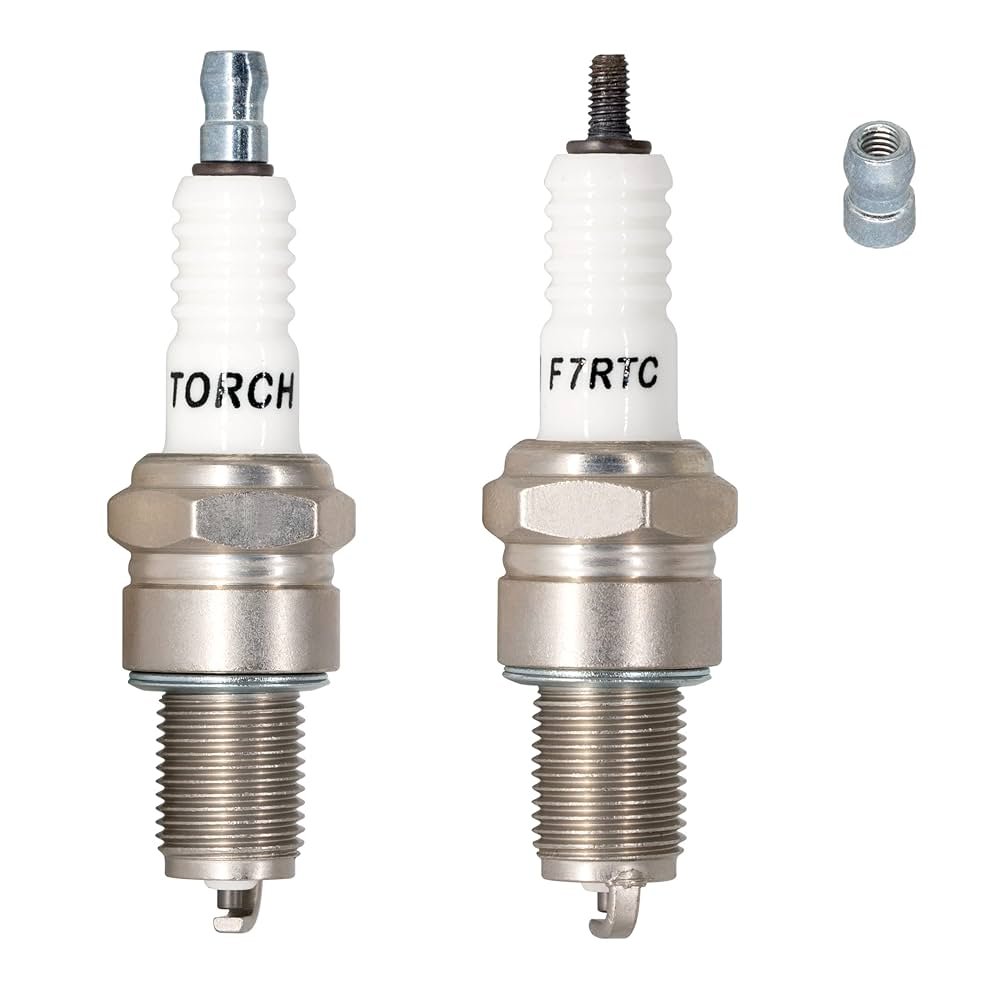
Are you curious about how much a spark plug replacement might set you back? You’re not alone.
Car maintenance can often feel like a mystery, especially when it comes to understanding the costs involved. But what if I told you that a spark plug replacement might be more affordable than you think? By the end of this article, you’ll have a clear idea of what to expect, and perhaps even feel a little more empowered next time you visit the mechanic.
Whether you’re trying to avoid surprise expenses or simply want to be more informed about your vehicle’s maintenance needs, this guide will take you through everything you need to know about spark plug replacements. Ready to take control of your car’s health and your budget? Let’s dive in!

Credit: www.amazon.ca
Spark Plug Replacement Basics
Understanding the basics of spark plug replacement can save you time, money, and frustration. Spark plugs are small but crucial parts of your engine’s ignition system. Knowing their role and when to replace them helps you keep your vehicle running smoothly.
Role Of Spark Plugs In Engines
Spark plugs create the spark that ignites the fuel-air mixture inside your engine’s cylinders. This ignition powers the engine and keeps your car moving.
Without properly functioning spark plugs, your engine may misfire or run inefficiently. This can lead to poor fuel economy and increased emissions. Have you ever wondered why your car sometimes hesitates or struggles to start? Faulty spark plugs could be the reason.
Signs You Need Replacement
Recognizing the signs of worn-out spark plugs can help you act before bigger problems arise. Common symptoms include:
- Engine misfires or rough idling
- Difficulty starting your car
- Reduced fuel efficiency
- Unusual engine noises or vibrations
If you notice any of these, it might be time to check your spark plugs. Ignoring these signs can lead to costly repairs down the road.
Factors Influencing Replacement Cost
Understanding the factors that influence the cost of spark plug replacement can help you make smarter decisions for your vehicle. Prices aren’t fixed and can vary widely based on several key elements. Knowing what affects these costs lets you budget better and avoid surprises at the mechanic.
Type Of Vehicle
Your vehicle’s make and model play a big role in the cost of replacing spark plugs. Luxury cars or high-performance vehicles often require specialized plugs that cost more. Meanwhile, common sedans and compact cars typically use standard plugs, which are less expensive.
Think about your own car. Is it a newer model or an older one? Some vehicles need spark plugs that are harder to find or take longer to install, which adds to the price. Have you checked whether your car needs platinum, iridium, or copper plugs? Each type varies in price and durability.
Quality Of Spark Plugs
The quality of spark plugs you choose affects both the initial replacement cost and your vehicle’s long-term performance. Cheaper plugs might save money upfront but may wear out faster, leading to more frequent replacements. Higher-quality plugs, like iridium or platinum, usually cost more but last longer and improve engine efficiency.
When I replaced the spark plugs in my own car, I opted for mid-range iridium plugs. It was a bit more expensive initially, but I noticed smoother starts and better fuel economy over time. Have you considered how investing a little more in quality might save you money down the road?
Labor Charges
Labor costs can vary depending on where you get the replacement done and how complex the job is. Some cars have spark plugs located in hard-to-reach places, requiring more time and skill, which means higher labor fees. Independent shops often charge less than dealerships, but the quality of work can differ.
Ask your mechanic for a clear breakdown of labor costs before agreeing to the service. Sometimes, a higher labor charge reflects thorough work and proper tools, which can prevent future problems. How much value do you place on getting the job done right the first time?
Average Cost Breakdown
Understanding the average cost breakdown for spark plug replacement can help you budget better and avoid surprises at the repair shop. Prices vary depending on the type of spark plugs and the labor involved. Let’s look closer at the main factors that add up to your final bill.
Cost Of Spark Plugs
Spark plugs come in different types and price ranges. Basic copper plugs usually cost between $2 and $5each. If your vehicle requires platinum or iridium plugs, expect to pay $10 to $20per plug.
Cars generally need between 4 and 8 spark plugs. So, you might spend anywhere from $10 to $160just on the parts. Have you checked what type of spark plugs your car uses? This can make a big difference in cost.
Installation Fees
Labor charges depend on your mechanic’s hourly rate and the car’s engine layout. Simple installations typically take 30 minutes to 1 hour, costing around $40 to $100. More complex engines or hard-to-reach plugs may push labor fees higher.
Keep in mind that some shops include diagnostic tests to ensure spark plugs are the real issue. Are you comfortable doing a quick inspection yourself to save on these fees?
Additional Repairs
Sometimes, replacing spark plugs uncovers other issues like worn ignition coils or damaged wires. These repairs can add $50 to $200 or moreto your bill. Ignoring signs of wear may cost you more down the road.
Ask your mechanic if they recommend replacing related parts during your spark plug service. This proactive approach often prevents future breakdowns and extra expenses.

Credit: www.amazon.ca
Affordable Replacement Options
Affordable replacement options for spark plugs help keep car maintenance costs low. Choosing the right parts and services can save money without losing quality. Many drivers find ways to replace spark plugs on a budget.
Choosing Budget Spark Plugs
Budget spark plugs offer good performance at a lower price. These plugs fit most vehicles and last long enough for regular use. Brands offer basic models that meet manufacturer standards.
- Look for standard copper or nickel plugs
- Check compatibility with your car’s engine
- Buy from trusted stores or online sellers
Diy Replacement Tips
Replacing spark plugs yourself saves labor costs. Basic tools like a socket wrench and gap gauge are needed. Follow simple steps from the car manual or videos online.
- Ensure the engine is cool before starting
- Remove old plugs carefully to avoid damage
- Check and set the gap on new plugs
- Install plugs and tighten to correct torque
Finding Reliable Mechanics
Choosing a trustworthy mechanic prevents extra expenses. Ask friends or read reviews for local shops. Request quotes and compare prices before deciding.
- Verify certifications and experience
- Confirm warranty on parts and work
- Choose shops with clear pricing policies
Long-term Savings With Timely Replacement
Replacing spark plugs on time isn’t just about avoiding a breakdown—it can save you money over the long run. Neglecting this simple maintenance can lead to higher costs down the road. Let’s look at how timely spark plug replacement helps you keep your wallet happy and your engine running smoothly.
Improved Fuel Efficiency
Worn-out spark plugs cause your engine to misfire or burn fuel inefficiently. This means your car uses more gas to travel the same distance. You might notice your tank empties faster or your mileage drops unexpectedly.
Swapping old spark plugs for new ones can restore your engine’s efficiency. You’ll spend less on fuel and get more miles per gallon. Think about how much you could save every month just by keeping this small part in good shape.
Preventing Engine Damage
Ignoring spark plug replacement can lead to serious engine problems. Misfires can damage your catalytic converter, which is expensive to fix. Over time, the strain on your engine can cause costly repairs.
Replacing spark plugs on schedule helps avoid these issues. It’s a small investment that protects your engine’s health. Have you ever faced a repair bill that could have been avoided with simple maintenance?
When To Avoid Cheap Replacements
Choosing the right spark plug replacement matters for your car’s health. Cheap spark plugs might save money now, but they can cause bigger problems later. Knowing when to avoid these low-cost options protects your engine and wallet.
Risks Of Low-quality Parts
Cheap spark plugs often use poor materials. They wear out faster and can cause engine misfires. This leads to rough idling and reduced fuel efficiency. Low-quality parts may also damage the ignition system. Avoiding these can save you costly repairs later.
Warranty And Reliability Concerns
Low-cost spark plugs usually come without a good warranty. This means no support if they fail early. Reliable brands offer longer warranties and better performance. Choosing trusted parts ensures your car runs smoothly and lasts longer.

Credit: www.amazon.ca
Frequently Asked Questions
How Much Does Spark Plug Replacement Cost?
The cost of spark plug replacement typically ranges from $50 to $150. It depends on car type and labor fees. High-performance spark plugs may cost more. Always check with your mechanic for an accurate estimate.
How Often Should Spark Plugs Be Replaced?
Spark plugs should generally be replaced every 30,000 to 100,000 miles. The exact interval depends on the spark plug type and vehicle manufacturer recommendations. Regular replacement ensures optimal engine performance and fuel efficiency.
Can I Replace Spark Plugs Myself?
Yes, if you have basic mechanical skills and proper tools, you can replace spark plugs yourself. Follow your vehicle’s manual and safety guidelines. However, professional replacement ensures correct installation and avoids damage.
What Factors Affect Spark Plug Replacement Cost?
The cost depends on the spark plug type, labor rates, and vehicle model. Iridium or platinum plugs cost more than copper ones. Labor fees vary by location and mechanic expertise. Always get multiple quotes for the best price.
Conclusion
Replacing a spark plug usually costs between $50 and $150. Prices depend on your car model and labor fees. Regular spark plug changes help your engine run smoothly. Delaying replacement may lead to poor fuel economy and engine trouble. Checking your spark plugs every 30,000 miles keeps your car healthy.
Choosing the right parts saves money and time. Spark plug replacement is a small cost for better car performance. Keep your vehicle in good shape with timely maintenance. Simple steps like this prevent bigger, costly repairs later.





