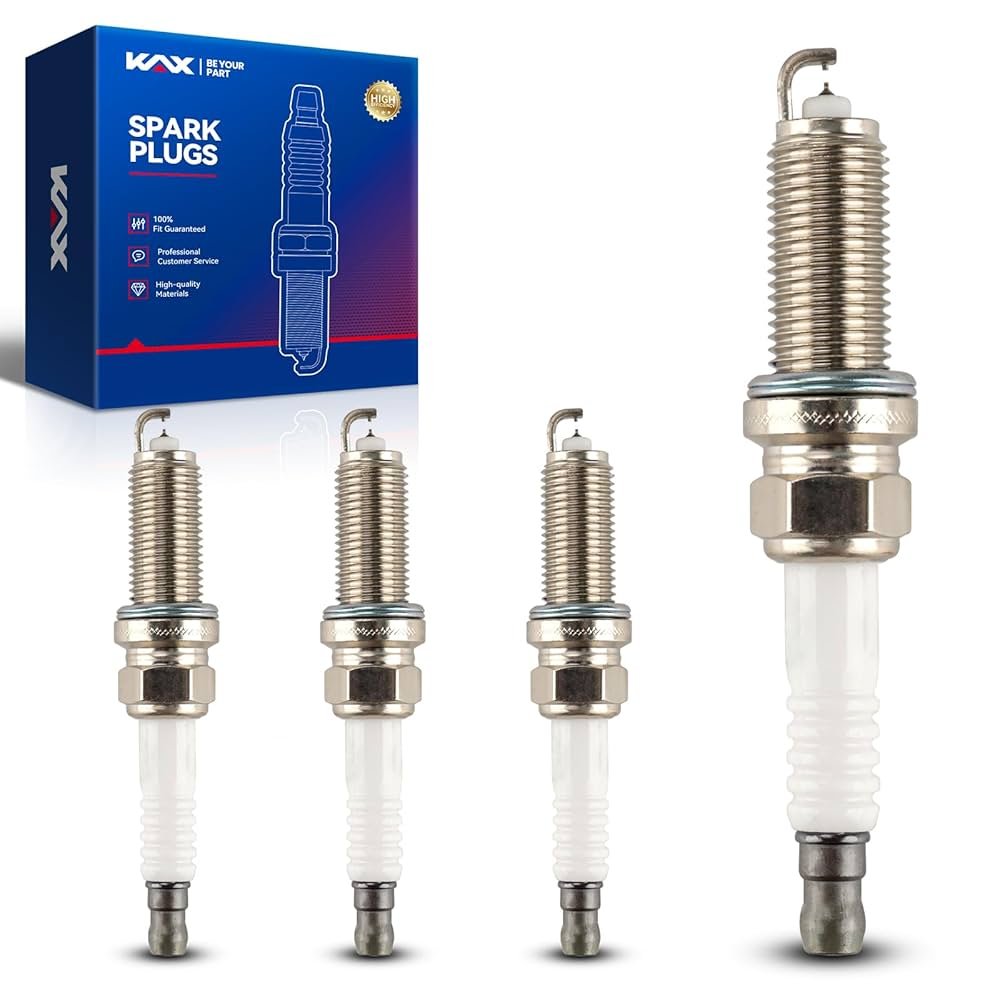
Are you curious about how much it costs to replace spark plugs? You’re not alone.
Many car owners find themselves pondering this very question. Understanding the cost of spark plug replacement can save you from unexpected expenses and keep your vehicle running smoothly. We’ll break down the factors that influence the price, helping you make informed decisions about your car maintenance.
Whether you’re a seasoned car enthusiast or someone who just wants to avoid surprises at the auto shop, this guide is tailored for you. Dive in to discover the ins and outs of spark plug replacement costs and ensure your car’s engine stays in top-notch condition.

Credit: www.amazon.ca
Spark Plug Replacement Costs
Understanding spark plug replacement costs can help you budget effectively and avoid unexpected car maintenance expenses. These costs vary widely depending on several factors, including the type of vehicle and the quality of parts used. Knowing what influences the price can help you make smarter decisions when it’s time to replace your spark plugs.
Average Price Range
Generally, replacing spark plugs costs between $100 and $300. This includes both parts and labor. Spark plugs themselves usually cost $10 to $30 each, but labor charges can add significantly to the total price.
Keep in mind, some high-performance or specialty spark plugs might push the price higher. If you DIY, you can save on labor, but be sure you have the right tools and know-how to avoid damage.
Factors Influencing Cost
- Type of Spark Plug:Standard copper plugs are cheaper, while iridium or platinum plugs cost more but last longer.
- Labor Rates:Labor costs vary by location and repair shop. Urban areas usually have higher rates.
- Vehicle Age and Model:Older or luxury vehicles might require more time or special plugs, increasing costs.
- Additional Repairs:If your ignition system has other issues, the overall bill will be higher.
Have you checked if your spark plugs are compatible with your vehicle? Using the wrong type can cost you more in the long run.
Cost By Vehicle Type
| Vehicle Type | Typical Spark Plug Cost (Parts) | Estimated Labor Cost | Total Average Cost |
|---|---|---|---|
| Compact Cars | $10 – $20 per plug | $40 – $80 | $100 – $150 |
| SUVs & Trucks | $15 – $30 per plug | $60 – $120 | $150 – $300 |
| Luxury Vehicles | $20 – $50 per plug | $100 – $200 | $250 – $500 |
Notice how luxury vehicles often come with higher costs? That’s due to more complex engine designs and premium parts. Are you driving a vehicle that might surprise you with its spark plug replacement bill?

Credit: www.amazon.ca
Types Of Spark Plugs
Understanding the types of spark plugs can help you make a smarter choice when it’s time for a replacement. Each type offers different benefits and costs, so knowing what fits your vehicle and budget is crucial. Let’s break down the common spark plug types to help you decide.
Copper
Copper spark plugs are the most basic and affordable option. They provide excellent conductivity, which means they can create a strong spark to ignite your engine’s fuel.
However, copper plugs wear out faster than other types. If you drive a lot or want a longer-lasting solution, they might not be the best choice.
Platinum
Platinum spark plugs last longer than copper because they have a harder metal tip that resists wear. They’re a good middle-ground option, offering better durability without a huge jump in price.
Many drivers notice improved fuel efficiency and smoother starts after switching to platinum plugs. Would you prefer to replace your plugs less often, even if it means spending a bit more upfront?
Iridium
Iridium spark plugs are the most durable and high-performing type. They have a very fine tip that requires less voltage to ignite, leading to better engine performance and fuel economy.
Though iridium plugs cost more, their longevity often saves money in the long run. If you value reliability and don’t want to worry about frequent replacements, iridium might be worth the investment.
Labor Charges Explained
Understanding labor charges for spark plug replacement helps you make smarter decisions about your car maintenance. Labor costs can vary widely depending on who does the work and how long it takes. Let’s break down what influences these charges and what you can expect.
Diy Vs Professional Service
Replacing spark plugs yourself can save you a significant amount of money on labor charges. However, it requires basic tools and some mechanical knowledge. If you’re comfortable under the hood, this can be a rewarding task that cuts costs.
On the other hand, professional services charge for their expertise and time. Mechanics know how to handle tricky parts and avoid mistakes that might cause engine problems later. You pay for convenience and peace of mind, which can be worth it if you’re short on time or unsure about the process.
- DIY:Minimal to no labor cost, only tool and parts expenses.
- Professional:Labor charges usually range from $40 to $150, depending on your location and vehicle model.
Time Required For Replacement
The labor cost often depends on how long the job takes. Spark plug replacement usually takes between 30 minutes to an hour for a professional.
Some engines are easier to access, which reduces the time and labor fee. Others, especially in newer or high-performance cars, require removing parts like the intake manifold, which can extend the time and increase the cost.
Have you checked how accessible your spark plugs are? This simple factor can influence what you pay and whether tackling the job yourself makes sense.
Signs You Need New Spark Plugs
Knowing when to replace your spark plugs can save you time and money. Ignoring worn-out spark plugs can lead to bigger car troubles. Watch out for clear signs that your spark plugs need attention before they cause more damage.
Engine Misfires
If your engine hesitates or jerks while driving, it could be a spark plug issue. Misfires happen because the spark plug isn’t igniting the fuel properly. You might also notice a rough idle or a sudden loss of power when accelerating.
I once ignored engine misfires until my car stalled on a busy road. Replacing the spark plugs fixed the problem immediately. Could your engine’s odd behavior be a call for new spark plugs?
Poor Fuel Economy
Are you filling up your tank more often than usual? Worn spark plugs can cause incomplete combustion, wasting fuel. This means your car burns more gas but travels fewer miles.
Tracking your mileage can reveal a drop in fuel efficiency. If you see a steady decline, checking your spark plugs might be the first step. Want to save money at the pump? Start by inspecting those spark plugs.
Difficulty Starting
Does your car struggle or take longer to start? Spark plugs that are old or fouled can make ignition harder. You might hear extra cranking or notice the engine catching slowly.
One morning, my car wouldn’t start until I replaced the spark plugs. After that, it fired up instantly every time. If your mornings start with engine struggles, your spark plugs may be the culprit.
Tips To Save On Replacement
Replacing spark plugs doesn’t have to drain your wallet. There are smart ways to cut costs without compromising quality or performance. By making informed choices and planning ahead, you can keep your engine running smoothly and save money at the same time.
Buying Parts Online
Have you checked prices online before buying spark plugs? Online retailers often offer better deals than local stores because they have lower overhead costs.
Look for trusted websites with good reviews to avoid counterfeit parts. Sometimes, buying a set rather than individual plugs can reduce the price per piece.
Don’t forget to compare shipping fees—free shipping deals can add extra savings. Signing up for newsletters might also give you access to exclusive discounts or promo codes.
Scheduling Maintenance
Timing your spark plug replacement wisely can save you money. Scheduling maintenance during off-peak seasons or during service promotions at your mechanic’s shop often leads to discounts.
Regular vehicle check-ups can catch spark plug wear early, preventing costly engine damage. Have you ever waited too long and ended up paying more? Staying on top of maintenance avoids that risk.
Consider bundling spark plug replacement with other routine services. This approach can lower labor costs and reduce multiple visits to the garage.
Choosing The Right Spark Plug
Not all spark plugs are created equal, and picking the right one affects both cost and engine performance. Using plugs recommended in your car’s manual ensures compatibility and prevents unnecessary expenses from damage or reduced fuel efficiency.
High-end plugs might seem expensive upfront but can last longer and improve fuel economy. Have you weighed the long-term benefits against the initial price?
Standard copper plugs are cheaper but wear out faster, which may increase replacement frequency. Understanding these differences helps you make a choice that fits your budget and driving habits.
Preventive Maintenance Advice
Keeping your spark plugs in good shape saves you money and prevents unexpected car trouble. Preventive maintenance helps you spot issues early and avoid costly repairs. Let’s look at how you can stay ahead with the right timing and regular checks.
Replacement Intervals
Each vehicle has a recommended spark plug replacement interval, usually found in the owner’s manual. Most cars suggest replacing spark plugs every 30,000 to 100,000 miles, depending on the type of plug. Did you know that using iridium or platinum spark plugs can extend this interval, sometimes up to 100,000 miles?
Sticking to the right replacement schedule keeps your engine running smoothly and improves fuel efficiency. If you’ve ever ignored this and noticed rough idling or reduced power, you know how important timing is. When was the last time you checked your spark plug age?
Regular Inspections
Even if you haven’t hit the replacement mileage yet, regular spark plug inspections matter. Look for signs like carbon buildup, worn electrodes, or oil deposits. These can hint at bigger engine problems or simply that your plugs are wearing out faster than expected.
During inspections, pay attention to the color of the spark plug tip. A light tan or gray color usually means healthy combustion, while black, oily, or white deposits suggest issues. Have you ever found unexpected wear during a routine check that saved you from a breakdown?
- Check spark plugs every 10,000 to 20,000 miles for early detection.
- Use a spark plug socket and gap gauge for accurate inspection.
- Note any changes in engine performance as a cue to inspect sooner.

Credit: www.amazon.ca
Frequently Asked Questions
How Much Does Spark Plug Replacement Cost?
Spark plug replacement typically costs between $50 and $150. Prices vary depending on vehicle type and labor rates. Premium plugs or complex engines may increase cost. Always get a detailed quote before service for accurate pricing.
When Should Spark Plugs Be Replaced?
Most manufacturers recommend replacing spark plugs every 30,000 to 100,000 miles. Signs include engine misfires, rough idling, or poor fuel economy. Regular replacement ensures optimal engine performance and fuel efficiency.
Can I Replace Spark Plugs Myself?
Yes, replacing spark plugs is doable with basic tools and knowledge. However, follow the vehicle’s manual for correct type and gap. Improper installation can cause engine issues, so consider professional help if unsure.
What Factors Affect Spark Plug Replacement Cost?
Costs depend on spark plug type, vehicle model, and labor charges. Luxury or performance cars often have higher rates. Using OEM parts can also impact total expenses. Shop around for competitive quotes.
Conclusion
Replacing spark plugs costs vary depending on car type and labor. On average, expect to pay between $50 and $150. Choosing quality plugs helps your engine run smoothly and saves fuel. Regular replacement prevents engine problems and keeps your car healthy.
Always check your owner’s manual for recommended intervals. A quick spark plug change can improve performance and avoid costly repairs later. Keep your car in good shape with timely spark plug replacements. Simple maintenance goes a long way.





