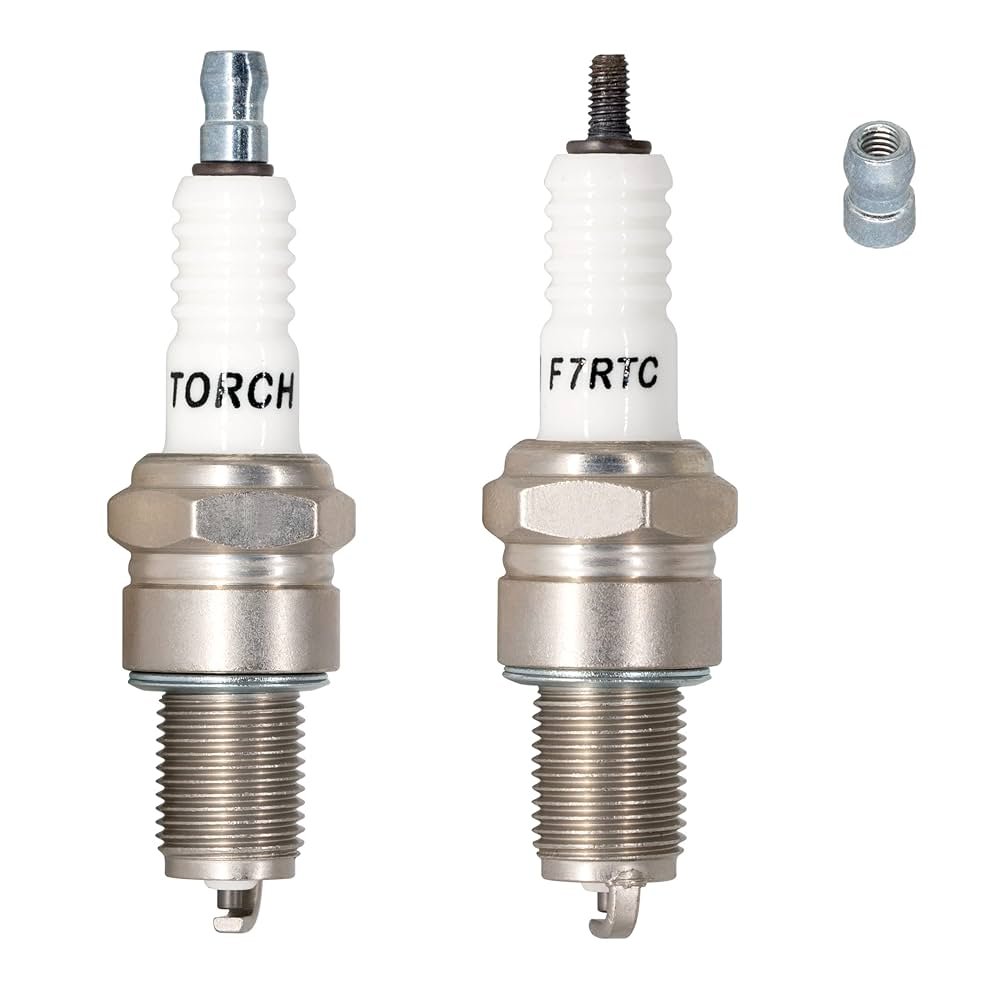
Are you hearing strange noises from your engine or noticing a dip in fuel efficiency? It might be time for a spark plug replacement.
But how much should you expect to pay for this essential service? Understanding the cost can help you budget effectively and avoid any unwelcome surprises. We’ll break down the costs of spark plug replacement, ensuring you know exactly what you’re paying for.
You’ll learn why these small components are vital for your car’s performance and how they can impact your driving experience. Stick around, and you’ll feel confident about making informed decisions for your vehicle.
Spark Plug Basics
Spark plugs are small parts with a big job in a car’s engine. They create sparks that ignite the fuel and air mixture inside the engine cylinders. This ignition starts the engine and keeps it running smoothly. Without good spark plugs, your car may run rough or fail to start.
Understanding spark plugs helps you know why replacement costs matter. Different types and conditions of spark plugs affect engine performance and fuel efficiency.
Role In Engine Performance
Spark plugs deliver sparks at the right time to ignite fuel. This process creates controlled explosions in the engine cylinders. These explosions power the engine and move the car.
Good spark plugs ensure smooth starts and steady running. Worn or dirty plugs cause misfires, poor fuel economy, and engine hesitation. Proper spark plug function improves acceleration and reduces emissions.
Types Of Spark Plugs
Spark plugs come in several types, each with unique features:
- Copper:Basic and affordable, best for older cars.
- Platinum:Longer life and better performance than copper.
- Iridium:Most durable and efficient, used in modern vehicles.
- Double Platinum:Both electrodes are platinum for extended life.
Choosing the right type depends on your car model and driving needs. Higher quality plugs last longer but cost more upfront.

Credit: www.amazon.ca
Factors Affecting Replacement Cost
Understanding the factors that affect spark plug replacement cost can save you from unexpected bills. These costs vary widely based on several key elements. Knowing what influences the price helps you budget better and make smarter decisions for your vehicle.
Vehicle Make And Model
Your car’s make and model play a big role in the cost of replacing spark plugs. Luxury brands or less common vehicles often need specialized parts, which can be pricier.
For instance, replacing spark plugs on a standard sedan like a Toyota Corolla usually costs less than on a high-performance car like a BMW M3. Accessibility also matters—some engines are designed with easy-to-reach spark plugs, while others require extra labor to get to them.
Spark Plug Type And Quality
Not all spark plugs are created equal. The type you choose—copper, platinum, or iridium—affects both price and performance.
- Copper plugsare the cheapest but wear out faster.
- Platinum plugsoffer better longevity and moderate cost.
- Iridium plugsare the most durable and expensive.
Would you rather pay less now and replace plugs more often, or invest in high-quality plugs that last longer? Your driving habits and engine needs should guide this choice.
Labor Charges
Labor can sometimes cost more than the parts themselves. The complexity of your vehicle’s engine affects how much time a mechanic needs to replace spark plugs.
If the plugs are deep inside the engine or require removing other components, expect higher labor fees. Getting a clear estimate before the job starts can help you avoid surprises.
Average Cost Ranges
Understanding the average cost ranges for spark plug replacement helps plan your car maintenance budget. Prices vary depending on the type of spark plug and vehicle model. Labor costs also affect the total price. Knowing the options lets you choose the best fit for your needs and wallet.
Budget Options
Basic spark plugs usually cost between $10 and $20 each. These plugs suit older or smaller engines. They last around 20,000 to 30,000 miles. Installation labor may add $40 to $80 to the total. Budget options offer decent performance for everyday driving.
Mid-range Choices
Mid-range spark plugs cost about $20 to $40 each. These include platinum or iridium types. They last longer, often 40,000 to 60,000 miles. Mid-range plugs improve fuel efficiency and engine smoothness. Labor charges for replacement remain similar, around $50 to $100.
Premium Spark Plugs
Premium spark plugs range from $40 to $70 or more per plug. These are high-performance iridium or double platinum plugs. They provide better ignition and durability, lasting up to 100,000 miles. Cars with advanced engines benefit most. Labor costs can be higher for complex installations, reaching $100 or more.
Diy Vs Professional Replacement
Deciding between DIY and professional spark plug replacement depends on skills, tools, and budget. Doing it yourself can save money but needs time and care. Professionals offer experience and quick service but cost more. Understanding both helps choose the best option for your car and wallet.
Tools Needed For Diy
- Spark plug socket wrench
- Ratchet and extension bar
- Torque wrench for correct tightness
- Gap gauge to check spark plug gap
- Compressed air to clean spark plug area
- Anti-seize lubricant for easy future removal
- Protective gloves and safety glasses
Having the right tools ensures the job is done safely and correctly. Using wrong tools can damage parts or cause injury. Measuring the gap on new plugs is critical for engine performance. Cleaning the area before removal prevents dirt from entering the engine.
Benefits Of Professional Service
- Experienced mechanics reduce risks of mistakes
- Proper tools and equipment are always available
- Quick service saves time and effort
- Warranty on parts and labor for peace of mind
- Proper disposal of old spark plugs
- Inspection of other engine components during replacement
Professional replacement guarantees correct installation and adjustment. Mechanics can spot other issues while working on spark plugs. This service ensures the engine runs smoothly and lasts longer. Though costlier, professionals offer reliability and convenience.
Signs You Need Replacement
Knowing the signs that your spark plugs need replacement can save you time, money, and frustration. Ignoring these warning signals often leads to bigger engine problems down the road. Pay attention to how your car behaves; it might be telling you it’s time for new spark plugs.
Engine Misfires
Have you noticed your engine jerking or hesitating during acceleration? This is a classic sign of worn-out spark plugs. Misfires happen because the spark plugs fail to ignite the fuel-air mixture properly, causing your engine to run unevenly.
If your car feels rough or stumbles at low speeds, don’t ignore it. Catching misfires early can prevent damage to your catalytic converter, which is much more expensive to fix.
Poor Fuel Economy
Are you filling up the tank more often than before? Spark plugs that aren’t working efficiently can cause your engine to burn more fuel. This happens because incomplete combustion wastes gasoline, forcing you to spend more at the pump.
Tracking your mileage can reveal subtle drops in fuel efficiency. If you notice a sudden change, it’s smart to check your spark plugs before blaming other parts of your vehicle.
Difficulty Starting
Does your car take longer to start, or does it struggle to turn over? Spark plugs are responsible for igniting the engine’s fuel, so faulty plugs can make starting a hassle. Cold mornings often highlight this problem the most.
Think about the last time your car hesitated to start. If it happens frequently, replacing the spark plugs might be the simple fix you need to get back on the road quickly.

Credit: www.amazon.ca
Tips To Save On Replacement
Replacing spark plugs can catch you off guard with unexpected costs. But saving money on this essential maintenance task is possible if you know where to look and how to approach it. Small steps can add up to big savings without compromising the quality of your car’s performance.
Shop Around For Parts
Don’t settle for the first spark plug price you see. Prices can vary widely between online retailers, local auto parts stores, and dealership shops. Checking multiple sources gives you a clearer idea of the market rate and helps you spot deals or discounts.
Consider buying spark plugs in packs if your vehicle needs more than one. Bulk purchases often come with lower per-piece prices. Also, verify if the parts meet your car’s specifications to avoid costly returns or damage.
Choose The Right Service Center
Labor charges can significantly affect your total cost. Independent mechanics usually charge less than dealerships, but quality varies. Ask friends or read online reviews to find trustworthy, affordable service centers near you.
Some shops offer package deals that include spark plug replacement with other services like oil changes. These bundles can lower your overall expenses. Don’t hesitate to negotiate or ask for a written estimate before work begins.
Regular Maintenance
Keeping up with your car’s maintenance schedule can prevent spark plug issues from escalating. Clean and well-maintained spark plugs last longer, reducing replacement frequency. This means fewer surprise expenses on your budget.
Have you noticed your engine struggling or fuel efficiency dropping? Addressing small problems early can save you from expensive repairs later. Regular checkups help catch worn spark plugs before they cause bigger issues.

Credit: www.amazon.ca
Frequently Asked Questions
How Much Does Spark Plug Replacement Cost?
Spark plug replacement typically costs between $50 and $150. Prices vary based on vehicle type and labor rates. Parts usually cost $10 to $30 each. Luxury or performance cars may have higher expenses. Always get a detailed quote before service.
How Often Should Spark Plugs Be Replaced?
Most spark plugs need replacement every 30,000 to 100,000 miles. This depends on the plug type and car model. Regular checks ensure optimal engine performance and fuel efficiency. Consult your owner’s manual for specific intervals.
Can I Replace Spark Plugs Myself?
Yes, replacing spark plugs is doable with basic tools and car knowledge. Follow safety guidelines and use the correct spark plug type. However, complex engines or limited experience may require professional help.
What Factors Affect Spark Plug Replacement Cost?
Cost depends on vehicle make, model, and spark plug type. Labor charges vary by location and mechanic expertise. Additional repairs, like ignition coil replacement, increase total cost. Always ask for a full estimate before proceeding.
Conclusion
Spark plug replacement costs vary by car model and location. Parts and labor both affect the price. Regular replacement helps your engine run smoothly and saves money later. Choosing quality spark plugs matters for better performance. Compare prices from different mechanics before deciding.
Taking care of your spark plugs keeps your car healthy. Simple maintenance can prevent bigger, costly repairs down the road. Keep an eye on your vehicle’s spark plug condition. This small step goes a long way in car care.





