Are you wondering how much Nissan will charge you to change your spark plugs? Knowing the cost beforehand can save you from surprises and help you plan your car maintenance budget.
Whether you’re doing a quick tune-up or facing a warning light, understanding the price and what affects it is key. Keep reading to find out exactly what you can expect to pay and how to get the best value for your money.
Nissan Spark Plug Replacement Basics
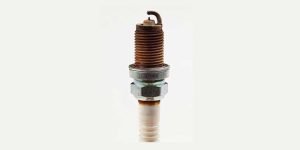
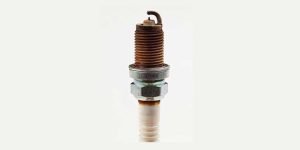
Understanding the basics of Nissan spark plug replacement is essential for maintaining your vehicle’s performance and fuel efficiency. Spark plugs play a crucial role in igniting the fuel-air mixture inside the engine cylinders, ensuring smooth combustion. Knowing when and how to replace them can save you money and prevent more serious engine problems down the road.
When To Change Spark Plugs
Nissan generally recommends changing spark plugs every 30,000 to 60,000 miles, but this varies based on the model and type of spark plug used. Some newer Nissan models with iridium or platinum spark plugs can last up to 100,000 miles.
Keep track of your vehicle’s maintenance schedule in the owner’s manual to know the ideal replacement interval. If you notice any engine misfires or reduced fuel economy, it might be time to check your spark plugs even if you haven’t hit the mileage mark yet.
Types Of Spark Plugs For Nissan
Nissan commonly uses three types of spark plugs:
- Copper Spark Plugs:Affordable and provide good conductivity but wear out faster.
- Platinum Spark Plugs:Last longer than copper and offer better performance.
- Iridium Spark Plugs:The most durable and efficient, often recommended for newer Nissan models.
Choosing the right spark plug type affects your car’s performance and how often you’ll need replacements. Are you using the best spark plug for your Nissan’s engine, or sticking to the basic option without realizing the benefits of upgrading?
Signs Of Worn Spark Plugs
Worn spark plugs can cause several noticeable issues:
- Engine misfires or rough idling
- Difficulty starting the car
- Decreased fuel efficiency
- Loss of power during acceleration
Ignoring these signs can lead to more costly repairs. If your Nissan starts feeling sluggish or you notice increased fuel consumption, inspect the spark plugs or have a mechanic check them. Sometimes, replacing spark plugs is a simple fix that brings your car back to life.
Cost Factors For Spark Plug Replacement
Understanding the cost factors for spark plug replacement can help you prepare for the expenses ahead. Prices vary based on several elements, and knowing these can save you from unexpected charges. Let’s break down the main cost drivers so you can make smarter decisions for your Nissan’s maintenance.
Labor Charges
Labor costs depend largely on the complexity of the job. Some Nissan models have spark plugs that are easy to reach, which means mechanics can finish the work quickly. But if your car’s engine layout is tight or requires removing other parts, expect higher labor fees.
Think about the garage you choose too. Dealerships often charge more per hour compared to independent mechanics. Don’t hesitate to ask for a labor estimate before you commit—it can vary by location and technician expertise.
Parts Pricing
The price of spark plugs themselves differs based on quality and type. Standard copper plugs are usually cheaper, while platinum or iridium plugs cost more but last longer. Choosing the right plug affects both your wallet and your vehicle’s performance.
Also, genuine Nissan spark plugs might be priced higher than aftermarket options. However, using original parts can maintain your car’s warranty and ensure optimal function. Have you compared the cost versus benefits of OEM versus aftermarket plugs for your specific model?
Model-specific Variations
Not all Nissans are created equal when it comes to spark plug replacement costs. Some models have engines that require more plugs or specialty plugs, which raises the parts expense. Others might have design quirks that increase labor time.
For example, a Nissan Altima usually costs less to service than a Nissan Titan with a larger engine. Knowing your model’s requirements can help you anticipate the final bill better. Are you aware of your car’s spark plug type and quantity before visiting the mechanic?
Average Spark Plug Replacement Costs By Nissan Model
Understanding the average cost to replace spark plugs on different Nissan models can help you budget smarter and avoid surprises at the mechanic. Prices vary depending on the model type and engine layout, so knowing what to expect for your specific Nissan is key. Let’s break down the typical costs by sedan, SUV, and truck/performance categories to give you clear insight into what you might pay.
Sedan Models
Sedan models like the Nissan Altima, Sentra, and Maxima usually have straightforward engine designs, which makes spark plug replacement more affordable. On average, you can expect to pay between $100 and $200for parts and labor. For example, a 2018 Nissan Sentra’s spark plug change often costs closer to $120, thanks to its accessible engine bay.
Keep in mind, if your sedan has a turbocharged engine, the cost might rise slightly due to more complex components. Have you checked your owner’s manual for the recommended spark plug type? Using the right plugs can avoid future engine issues and save money.
Suv Models
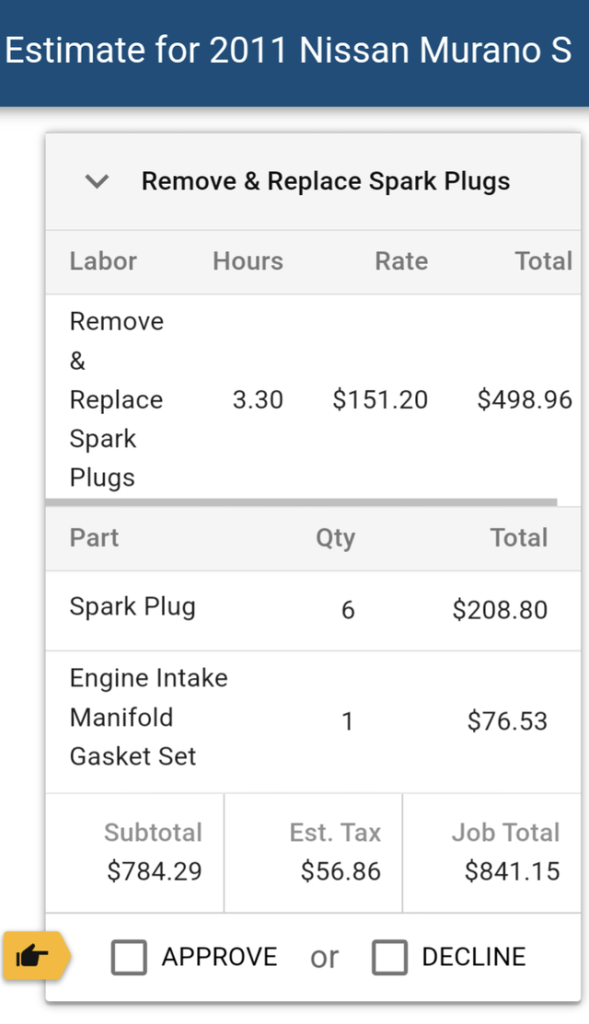
Nissan SUVs such as the Rogue, Murano, and Pathfinder generally involve higher costs for spark plug replacement. These vehicles often have larger engines or V6 setups, requiring more labor time and pricier parts. Typical charges range from $150 to $300, depending on the engine size and year.
For example, replacing spark plugs on a Nissan Pathfinder with a V6 engine usually leans toward the higher end of that range. If you drive an SUV frequently in stop-and-go traffic, regular spark plug checks can improve fuel efficiency and performance. When was the last time you had your spark plugs inspected?
Trucks And Performance Cars
Nissan trucks like the Frontier and performance cars such as the 370Z command the highest spark plug replacement fees. These vehicles often feature high-performance or heavy-duty engines that require specialized spark plugs and more detailed labor. Expect costs from $200 up to $400for a complete replacement.
For instance, a 370Z’s sporty engine design means spark plugs are harder to reach, increasing labor time. If you own a Frontier and use it for towing or heavy workloads, timely spark plug replacement can prevent costly engine damage. Are you prepared to invest in your vehicle’s longevity by scheduling this maintenance?

Credit: www.greenwaynissanbrunswick.com
Diy Vs. Professional Service
Deciding whether to replace your Nissan’s spark plugs yourself or to hire a professional can impact both your wallet and your car’s performance. While DIY might save money upfront, professional service offers expertise that can prevent costly mistakes. Let’s look closely at the benefits and risks of each to help you make a smart choice.
Benefits Of Diy Replacement
Doing the spark plug replacement yourself lets you save on labor charges, which often make up a big part of the total cost. You can buy the spark plugs online or at an auto parts store for less than what a shop charges. Plus, working on your car builds your skills and confidence for future repairs.
If you enjoy hands-on tasks, this job is straightforward with the right tools and a good guide. You get to control the quality of parts and timing of the repair, avoiding long waits at the shop. How satisfying would it be to hear your Nissan run smoothly knowing you did the work yourself?
Risks And Challenges
Changing spark plugs isn’t without challenges. If you use the wrong type or overtighten the plugs, you risk damaging the engine or causing poor performance. Some Nissan models have hard-to-reach plugs, making the job tricky without experience or special tools.
There’s also a chance of stripping threads or breaking spark plug wires if you’re unfamiliar with the process. Mistakes can lead to costly repairs that far exceed the original service price. Can you afford to take that risk if your car is your daily driver?
When To Choose A Mechanic
If your Nissan is still under warranty, professional service is usually the safer bet to keep it valid. Mechanics also have diagnostic tools to spot related issues like ignition coil faults or engine misfires that you might miss. Their expertise saves time and prevents guesswork.
Choose a mechanic if you notice complicated symptoms or if the plugs are buried deep in your engine bay. This ensures the job is done right the first time and can prevent further damage. Wouldn’t you rather pay a bit more to avoid a bigger headache down the road?
Saving Tips On Spark Plug Replacement
Replacing spark plugs can be costly, but some smart choices help reduce expenses. Understanding options and planning ahead saves money and keeps your Nissan running smoothly. Below are some useful tips to lower the cost of spark plug replacement without sacrificing quality.
Using Oem Vs. Aftermarket Parts
OEM parts come directly from Nissan and guarantee perfect fit and quality. They tend to cost more than aftermarket parts. Aftermarket parts offer a cheaper option but vary in quality. Choose well-known brands for reliability. Using OEM parts may increase upfront cost but reduce future repairs. Aftermarket parts can save money now but check reviews carefully.
Finding Discounts And Coupons
Many auto shops offer discounts on services like spark plug replacement. Look for coupons online or in local ads. Some Nissan dealerships have seasonal promotions or loyalty rewards. Signing up for newsletters can provide exclusive deals. Savings might not be large but add up over time. Always ask the shop if they have any current offers before booking.
Bundling Maintenance Services
Combining spark plug replacement with other car services lowers overall labor costs. Shops often give discounts for multiple services done together. Plan routine maintenance like oil changes, tire rotations, or brake checks at the same time. Bundling saves time and money. This approach keeps your Nissan in better shape and reduces visits to the shop.

Credit: www.nissanversaforums.com
Maintenance Tips To Extend Spark Plug Life
Maintaining spark plugs helps your Nissan run smoothly and saves money. Proper care extends spark plug life and prevents engine problems. Follow these tips to keep spark plugs in good shape and avoid frequent replacements.
Regular Engine Checkups
Check your engine regularly to spot issues early. Clean spark plugs during routine inspections. Replace worn plugs before they cause engine misfires. Use a mechanic or follow your car’s manual for checkup intervals. Well-maintained engines help spark plugs last longer.
Fuel Quality Impact
Use high-quality fuel to reduce deposits on spark plugs. Poor fuel can cause carbon buildup and wear. Avoid fuels with high ethanol content that may harm spark plugs. Clean fuel keeps combustion efficient and spark plugs cleaner. This simple step can extend spark plug life significantly.
Driving Habits That Affect Spark Plugs
Gentle driving reduces stress on spark plugs. Avoid hard accelerations and rapid stops. Let the engine warm up before driving fast. Short trips can cause spark plug fouling. Longer, steady drives help burn off deposits and keep plugs clean.

Credit: www.whocanfixmycar.com
Frequently Asked Questions
How Much Does Nissan Charge To Change Spark Plugs?
Nissan typically charges between $100 and $200 for a spark plug change. Prices vary by model and location. Labor and parts are included in the cost. Always check with your local Nissan dealer for exact pricing.
Does Nissan Use Oem Spark Plugs For Replacements?
Yes, Nissan uses OEM (Original Equipment Manufacturer) spark plugs during replacements. OEM plugs ensure optimal performance and compatibility. Using OEM parts helps maintain your vehicle’s warranty and engine efficiency.
How Often Should Nissan Spark Plugs Be Replaced?
Nissan recommends replacing spark plugs every 30,000 to 60,000 miles. The interval depends on your specific model and driving conditions. Regular replacement improves fuel efficiency and engine performance.
Can I Change Nissan Spark Plugs Myself?
Yes, you can change Nissan spark plugs yourself if you have basic tools and skills. However, some models require special tools or procedures. Consult your owner’s manual before attempting a DIY spark plug change.
Conclusion
Nissan spark plug changes vary in cost. Factors like model and location matter. Average prices range from $100 to $300. Dealerships may charge more than local mechanics. It’s wise to compare prices. Check if labor costs are included. Regular maintenance can prevent costly repairs.
Spark plugs affect engine performance. Keeping them in good shape is important. Always consult your vehicle’s manual. It provides specific maintenance details. Proper care ensures your car runs smoothly. Remember, investing in maintenance saves money long-term. Prioritize your car’s health.
Your wallet will thank you.