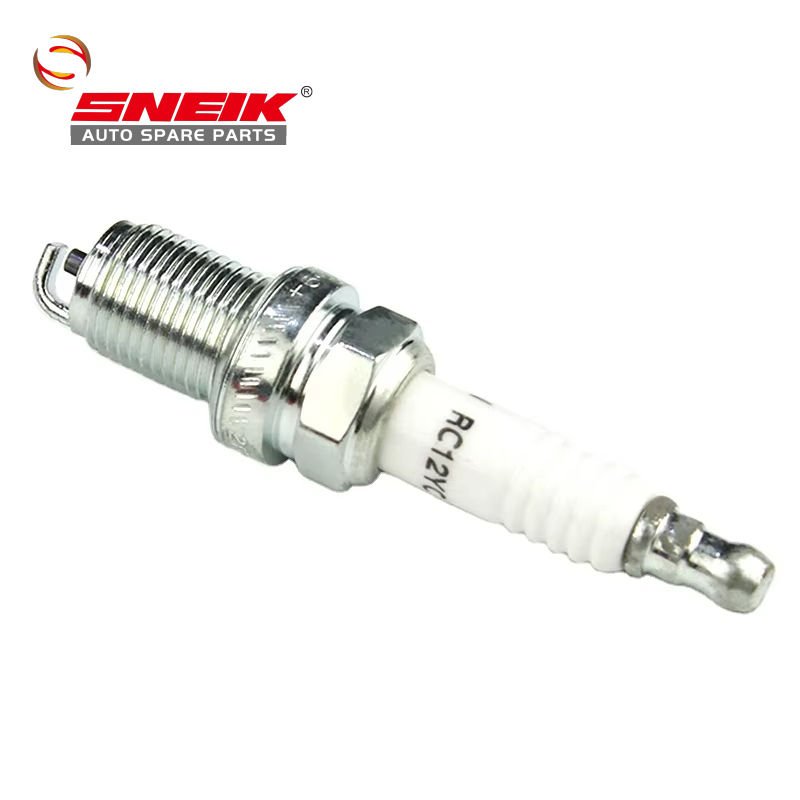
Ever heard a sputtering noise from your car’s engine and wondered what it could be? Chances are, your spark plugs might need some attention.
These tiny components play a crucial role in starting your engine and keeping it running smoothly. But how much does a spark plug actually cost? You might be surprised to learn that the price of spark plugs can vary significantly, depending on a few key factors.
This article will guide you through everything you need to know about spark plug costs, helping you make informed decisions without breaking the bank. Discover why spending a little time understanding your options could save you money and ensure your car runs efficiently. Stick around to find out how to choose the right spark plug for your vehicle and your wallet.
Spark Plug Price Range
Spark plugs come in different price ranges based on their type, brand, and the vehicle they fit. Knowing these ranges helps you choose the right spark plug without overspending. Prices can vary from a few dollars to more than $20 each. Understanding these factors can save money and ensure good engine performance.
Standard Vs Premium Spark Plugs
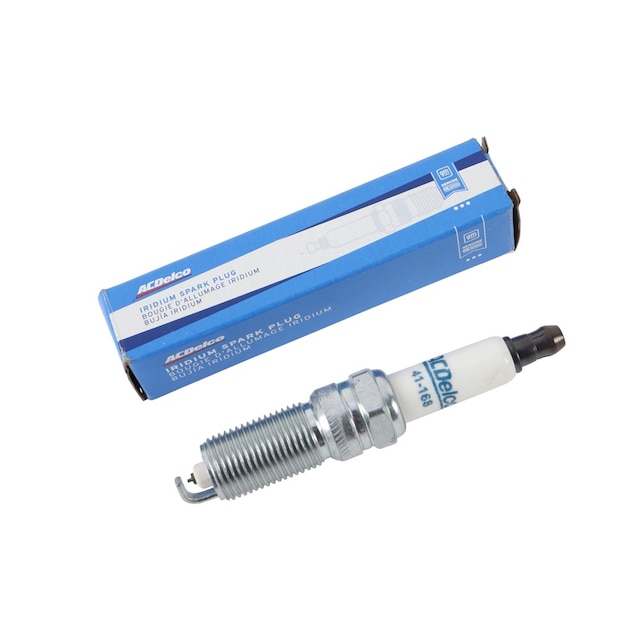
Standard spark plugs cost between $2 and $10 each. They offer reliable performance for most cars. Premium spark plugs, such as iridium or platinum types, cost between $10 and $25. These plugs last longer and improve fuel efficiency. Choosing premium plugs can reduce the frequency of replacements.
Impact Of Brand On Cost
Popular brands like NGK, Bosch, and Denso charge more for quality assurance. Their spark plugs usually cost $8 to $20 each. Less known brands offer cheaper options, sometimes as low as $2. Brand reputation often reflects in durability and performance. Spending a bit more can mean fewer problems later.
Prices By Vehicle Type
Prices vary depending on the vehicle’s make and model. Economy cars usually need standard plugs costing $2 to $10. Luxury or high-performance cars require premium plugs costing $15 to $25 or more. Trucks and SUVs may use heavy-duty plugs priced similarly to premium types. Check your vehicle manual for the recommended spark plug type and price range.

Credit: www.whocanfixmycar.com
Factors Influencing Spark Plug Costs
Understanding the factors that influence spark plug costs can help you make smarter choices for your vehicle maintenance. Prices vary widely, and knowing what drives these differences allows you to balance quality and budget effectively. Let’s break down the key elements that affect how much you’ll pay for spark plugs.
Material And Design Differences
Spark plugs come in different materials like copper, platinum, and iridium. Each material affects durability and performance, which also impacts the price.
Copper plugs are usually cheaper but wear out faster, while iridium plugs cost more but last longer and offer better ignition. You might ask yourself: is it worth paying extra upfront to save on replacements later?
Vehicle Compatibility
Your vehicle’s make and model play a big role in spark plug costs. Some cars require specialized plugs designed for higher performance or specific engine types.
Luxury or high-performance vehicles often need expensive plugs. On the other hand, economy cars typically use standard plugs that cost less. Checking your owner’s manual can prevent you from buying the wrong, costly spark plug.
Retailer And Location Variations
Where you buy your spark plugs also influences the price. Local auto parts stores, online retailers, and dealerships all have different pricing strategies.
Shopping online might save you money, but you should factor in shipping costs and return policies. Your location matters too—prices can be higher in urban areas or regions with fewer suppliers.
Where To Buy Spark Plugs
Knowing where to buy spark plugs helps you find the best price and quality. Various places offer spark plugs, each with unique benefits. Choosing the right place depends on your needs and convenience.
Auto Parts Stores
Auto parts stores are easy to visit and offer many spark plug brands. Staff can help you pick the correct type for your car. You can check the spark plugs in person before buying. Some stores also provide installation services at an extra cost.
Online Marketplaces
Online marketplaces have a wide range of spark plugs at different prices. You can compare brands, reviews, and prices quickly. Many sellers offer free shipping and return policies. Buying online saves time and may offer discounts not found in stores.
Dealership Options
Car dealerships sell spark plugs made for your specific vehicle model. These spark plugs usually match the manufacturer’s standards. Prices might be higher than other places, but quality is guaranteed. Dealerships can also install spark plugs during service appointments.
Credit: parts.gmparts.com
Saving Tips On Spark Plug Purchases
Saving money on spark plug purchases helps keep your vehicle maintenance affordable. Smart buying habits stretch your budget without lowering quality. Small steps add up to big savings over time.
Buying In Bulk
Purchasing spark plugs in bulk often reduces the cost per piece. Mechanics and car owners who use several spark plugs benefit from this. Bulk buying means fewer trips to the store, saving time and money.
Stores and online sellers usually offer discounts on packs of four or more. Ensure the spark plugs fit your vehicle before buying a large quantity. Store them properly to keep them in good condition.
Using Coupons And Discounts
Coupons and discounts cut the price of spark plugs significantly. Many auto parts stores and websites provide special offers regularly. Sign up for newsletters to receive exclusive deals and promo codes.
Check for seasonal sales or holiday promotions on automotive parts. Use cashback apps or credit card rewards to get additional savings. Always compare prices before buying to find the best deal.
Choosing Quality Over Price
Cheap spark plugs may cause engine problems and need early replacement. Investing in quality plugs ensures better performance and longer lifespan. Trusted brands offer reliability that protects your vehicle’s engine.
Look for spark plugs that meet or exceed manufacturer specifications. High-quality plugs improve fuel efficiency and reduce emissions. The extra cost upfront saves money on repairs and fuel in the long run.
Diy Installation Vs Professional Service
Choosing between DIY spark plug installation and hiring a professional can affect both your budget and vehicle health. Each option has its own advantages and challenges. Understanding these can help you make the right choice for your car and wallet.
Cost Benefits Of Diy
Installing spark plugs yourself saves money on labor fees. You only pay for the spark plugs and basic tools. This can cut costs by up to 50% compared to professional service. Doing the job yourself also means no waiting time or appointments. Many car owners enjoy the satisfaction of fixing their own vehicle.
When To Seek Professional Help
Complex engine designs or hard-to-reach spark plugs need expert care. Professionals have the right tools and skills to avoid damage. If your car has ignition or engine problems, a mechanic can diagnose and fix issues properly. Choosing a professional service also ensures warranty protection and quality work.
Tools Needed For Installation
- Spark plug socket wrench
- Ratchet handle
- Torque wrench
- Gap gauge for spark plug adjustment
- Anti-seize compound (optional)
- Dielectric grease (optional)
Having these tools ready makes the installation smoother and safer. Proper tools prevent damage and ensure correct spark plug seating.
Signs You Need New Spark Plugs
Knowing when your spark plugs need replacement can save you from unexpected car troubles and costly repairs. Spark plugs play a crucial role in your engine’s performance, so recognizing the signs of wear is essential. Here are some clear indicators that your spark plugs might be overdue for a change.
Performance Issues
Have you noticed your car struggling to start or hesitating during acceleration? These are common signs that spark plugs are failing. Worn spark plugs can cause misfires, rough idling, and sluggish engine response, making your drives frustrating and less smooth.
Imagine trying to sprint with one shoe untied—your engine feels similar when spark plugs don’t fire properly. If your vehicle isn’t performing like it used to, checking the spark plugs should be one of your first steps.
Fuel Efficiency Drops
Are you filling up your gas tank more often than usual? Poor fuel efficiency is a red flag for spark plug problems. Old or dirty spark plugs fail to ignite the fuel-air mixture efficiently, causing your engine to consume more fuel than necessary.
Tracking your mileage regularly can reveal subtle drops in efficiency early on. Even a small decrease can add up to significant extra fuel costs over time, so don’t ignore this sign.
Visual Inspection Tips
Want to check your spark plugs yourself? It’s easier than you think with a simple visual inspection. First, make sure the engine is cool, then carefully remove the spark plugs using a socket wrench.
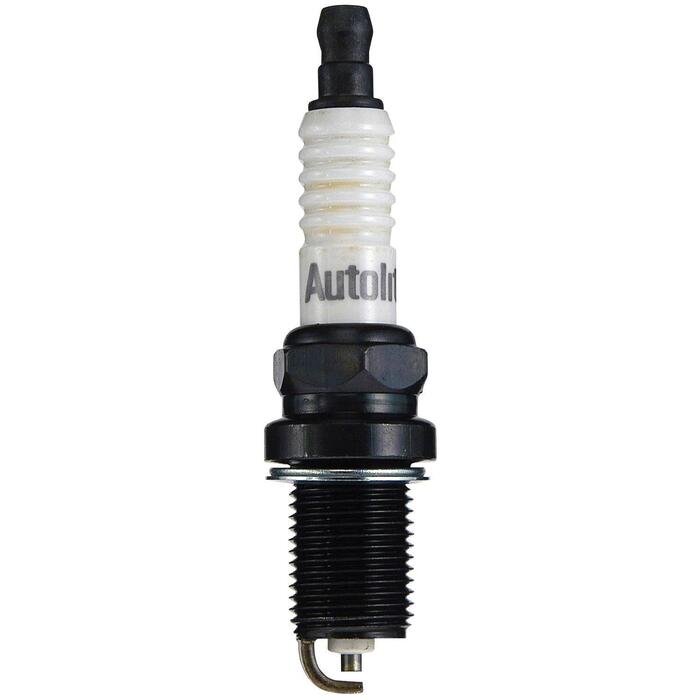
- Look for deposits:Black, oily, or sooty buildup indicates fouling.
- Check the electrode:Rounded or worn-down electrodes mean the spark plug is past its prime.
- Inspect the gap:A wider gap than specified reduces spark efficiency.
Spotting these signs early can help you decide whether to replace the plugs yourself or visit a mechanic. Have you ever checked your spark plugs? It’s a simple step that can tell you a lot about your engine’s health.
Credit: www.autozone.com
Frequently Asked Questions
How Much Does A Standard Spark Plug Cost?
A standard spark plug usually costs between $2 and $10. Prices depend on the brand and vehicle type. Buying in bulk or online can reduce costs. Quality spark plugs may cost more but last longer and improve performance.
Are Premium Spark Plugs More Expensive?
Yes, premium spark plugs generally cost $10 to $25 each. They offer better durability and performance. These plugs are designed for high-performance or newer engines. Investing in premium plugs can improve fuel efficiency and engine smoothness.
Does Spark Plug Cost Include Installation?
Spark plug cost usually does not include installation. Labor charges vary, typically ranging from $40 to $100. Some vehicles have easy-to-access plugs, reducing labor costs. Always confirm if prices are for parts only or include labor.
How Often Should Spark Plugs Be Replaced?
Spark plugs should be replaced every 30,000 to 100,000 miles. Replacement intervals depend on spark plug type and vehicle model. Regular replacement maintains engine efficiency and fuel economy. Check your vehicle’s manual for specific recommendations.
Conclusion
Spark plug prices vary depending on type and brand. Basic plugs cost less, while premium ones cost more. Choosing the right spark plug helps your engine run well. Regular replacement saves money on repairs later. Check your vehicle’s manual before buying a spark plug.
Knowing the cost helps you plan your car maintenance budget. Small cost, big impact on your car’s performance. Simple and affordable parts keep your vehicle healthy.





