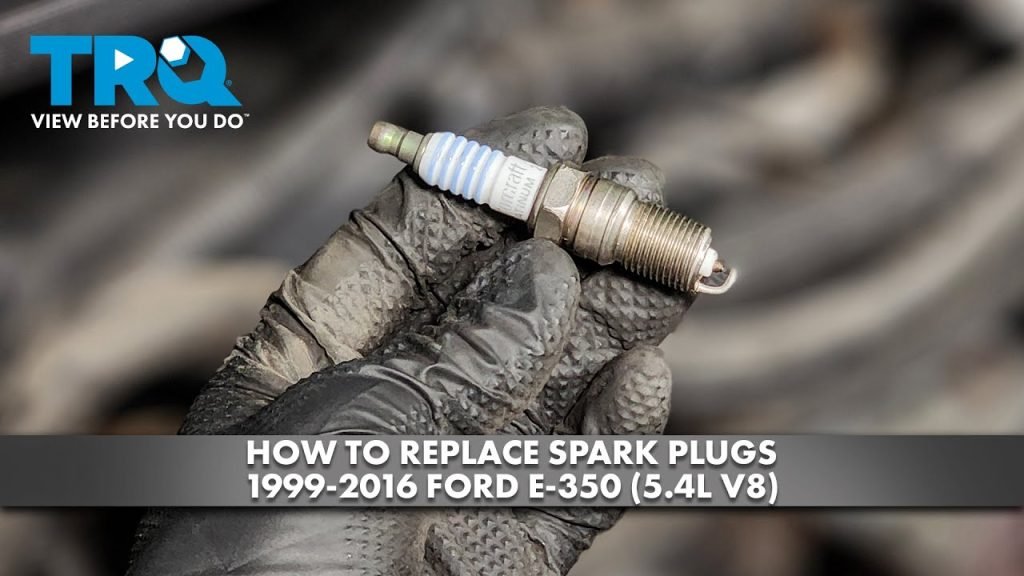
If you’ve ever found yourself peering under the hood of a car, you know it’s a maze of parts and pieces that might leave you scratching your head. One common question that pops up is: how many spark plugs does a V8 engine have?
Whether you’re a car enthusiast or just someone looking to save a few bucks on repairs, knowing the answer can be a game-changer. You might think it’s a simple question, but understanding why it matters can make all the difference in maintaining your vehicle’s performance.
Stick around, because discovering the answer could save you time, money, and a lot of confusion down the road.
Spark Plug Basics
Understanding the basics of spark plugs is essential if you want to keep your V8 engine running smoothly. Spark plugs ignite the air-fuel mixture inside your engine’s cylinders, directly impacting performance and efficiency. Knowing how they work and the types available can help you make smarter maintenance decisions.
Role In Engine Performance
Spark plugs create the tiny spark needed to ignite the fuel-air mix in each cylinder. This ignition powers your engine, turning fuel into the motion that drives your car. If a spark plug is worn or faulty, you might notice rough idling, reduced fuel efficiency, or trouble starting your engine.
Think about the last time your engine hesitated or misfired—chances are, a spark plug issue was involved. Regularly checking and replacing spark plugs keeps your V8 firing perfectly and helps avoid costly repairs down the line.
Types Of Spark Plugs
Not all spark plugs are created equal. Your V8 engine can use several types, each with unique features:
- Copper Spark Plugs:Offer good conductivity but wear out faster. Ideal for older engines or budget maintenance.
- Platinum Spark Plugs:Last longer and resist corrosion. They provide stable performance over time.
- Iridium Spark Plugs:The most durable and efficient, often recommended for modern V8 engines.
Choosing the right type depends on your engine’s design and your driving habits. Have you checked which spark plugs your V8 needs lately? Picking the right plug can boost your engine’s performance and save you money.
V8 Engine Configuration
The V8 engine configuration is a popular choice in many powerful cars and trucks. It features eight cylinders arranged in two banks. Each bank usually holds four cylinders. This setup helps balance power and smoothness. V8 engines deliver strong performance and a deep engine sound.
Cylinder Arrangement
A V8 engine has two rows of cylinders. Each row is called a bank. The banks form a “V” shape. This shape makes the engine compact. It fits well in many vehicles. The angle between the banks varies but is often 90 degrees. This design helps the engine run smoothly and efficiently.
Impact On Spark Plug Count
Each cylinder in a V8 engine needs at least one spark plug. Spark plugs ignite the fuel mixture inside the cylinder. Most V8 engines have one spark plug per cylinder. So, a V8 engine usually has eight spark plugs. Some high-performance engines use two spark plugs per cylinder. This improves combustion and power. But the standard is eight spark plugs total.
Spark Plug Count In V8 Engines
Understanding the spark plug count in a V8 engine is essential if you want to maintain or upgrade your vehicle’s ignition system. The number of spark plugs directly impacts engine performance, fuel efficiency, and smoothness. Knowing what to expect can help you troubleshoot issues or plan modifications more effectively.
Standard Number Of Spark Plugs
Most V8 engines have eight cylinders, so you might assume they use eight spark plugs—one per cylinder. This is true for many traditional V8 engines, where each cylinder has a single spark plug firing to ignite the air-fuel mixture.
Having one spark plug per cylinder keeps things simple and reliable. It also makes maintenance straightforward since you just replace eight plugs at regular intervals. But this setup can sometimes limit combustion efficiency, especially in high-performance or modern engines.
Variations By Manufacturer
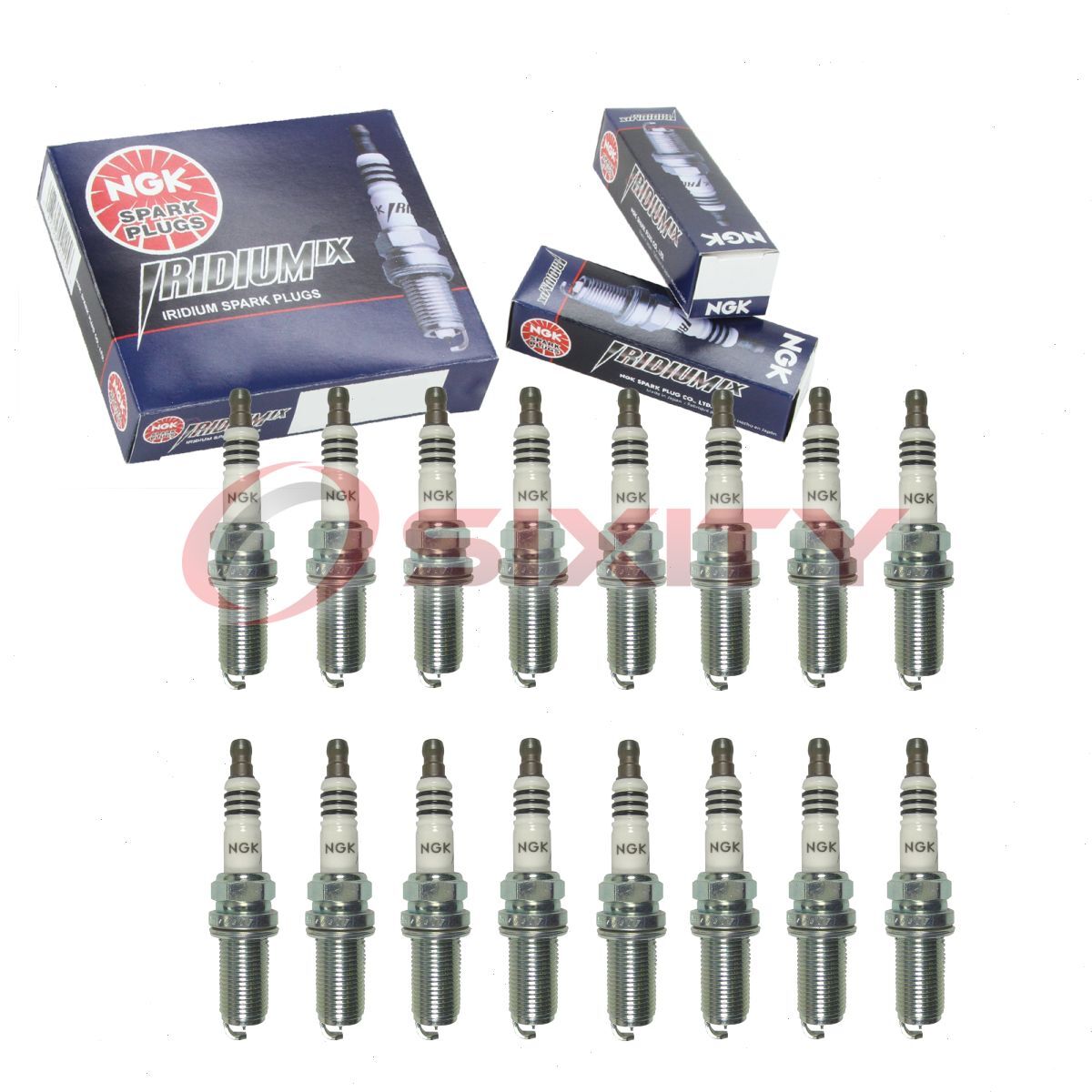
Some manufacturers equip their V8 engines with two spark plugs per cylinder, doubling the total to sixteen. This dual-plug design improves combustion by igniting the mixture from two points, which can lead to better fuel burn, increased power, and reduced emissions.
For example, Chrysler’s HEMI V8 engines are known for using this dual spark plug system. Meanwhile, other brands might stick to the traditional single plug setup for cost and simplicity.
Have you noticed any difference in your vehicle’s performance when it has one spark plug per cylinder versus two? It’s worth checking your engine specs before buying spark plugs or planning a tune-up.
Credit: www.ebay.ca
Dual Spark Plug Systems
Dual spark plug systems use two spark plugs in each cylinder. This design improves engine performance and efficiency. Each cylinder fires two sparks, which helps burn the fuel-air mix better. Cars with this system often run smoother and produce fewer emissions. This setup is more common in performance and some modern engines.
Benefits Of Two Spark Plugs Per Cylinder
- Improves combustion by igniting fuel quicker and more evenly.
- Enhances power output with more complete fuel burning.
- Reduces harmful emissions by lowering unburned fuel.
- Increases fuel efficiency through better combustion control.
- Helps engines run smoother, reducing engine knock.
Examples Of Engines Using Dual Spark Plugs
- Toyota 4A-GE: A popular engine with dual spark plugs for better performance.
- Volkswagen VR6: Uses two spark plugs per cylinder for smoother running.
- Some Alfa Romeo V8 engines: Employ dual spark plugs to boost power and efficiency.
- Honda’s VTEC engines: Feature dual plugs in certain models to improve combustion.
Maintenance Tips
Maintaining spark plugs is key to keeping your V8 engine running smoothly. Regular care helps avoid engine troubles and saves money on repairs. Knowing when and how to check spark plugs ensures your vehicle performs well.
When To Replace Spark Plugs
Check your spark plugs every 30,000 miles or as suggested by the vehicle manual. Replace them sooner if you notice engine problems. New spark plugs improve fuel efficiency and power. Use the right type of spark plugs for your V8 engine to avoid damage.
Signs Of Worn Spark Plugs
- Engine misfires or runs rough
- Poor fuel economy
- Difficulty starting the engine
- Loss of power during acceleration
- Unusual engine noises or vibrations
Spotting these signs early helps prevent bigger engine issues. Regular inspection keeps your V8 in top shape and extends its life.

Credit: www.ebay.ca
Choosing The Right Spark Plugs
Choosing the right spark plugs for your V8 engine is crucial to maximize performance and fuel efficiency. The right spark plug ensures smooth ignition and helps your engine run at its best. If you’ve ever experienced rough idling or reduced power, the spark plugs might be the reason.
Factors To Consider
Not all spark plugs are created equal, especially for a V8 engine that demands more from its ignition system. You need to consider:
- Heat Range:This determines how quickly the spark plug dissipates heat. Picking the wrong heat range can lead to engine knocking or fouling.
- Material:Options like copper, platinum, and iridium each have pros and cons. Copper plugs conduct electricity well but wear faster, while iridium plugs last longer but cost more.
- Gap Size:The gap between the electrodes affects the spark strength. The right gap size ensures efficient combustion.
- Compatibility:Make sure the plug fits your engine’s specifications. Using the wrong size or type can cause damage.
Think about your driving habits too. Are you using your V8 for heavy towing, daily commuting, or weekend racing? Each scenario might need a different spark plug setup.
Recommended Brands For V8 Engines
Choosing a reliable brand can save you time and money. Some brands have built a strong reputation for quality and durability in V8 engines:
- NGK:Known for consistent performance and a wide range of options suitable for most V8s.
- ACDelco:Often recommended for GM engines, these spark plugs offer great OEM quality.
- Bosch:Offers high-quality iridium and platinum plugs that are perfect if you want long-lasting performance.
- Denso:Delivers excellent ignition efficiency and durability, often used in performance V8s.
Trying different brands can help you find what works best for your engine. Have you noticed a difference in engine smoothness after changing spark plugs? Your experience can guide your next choice.

Credit: www.youtube.com
Frequently Asked Questions
How Many Spark Plugs Does A V8 Engine Have?
A typical V8 engine has eight spark plugs, one for each cylinder. Each spark plug ignites the air-fuel mixture inside its cylinder. This setup ensures efficient combustion and optimal engine performance.
Why Do V8 Engines Need Eight Spark Plugs?
V8 engines have eight cylinders, requiring one spark plug per cylinder. Each plug creates a spark to ignite fuel. This design improves power output, fuel efficiency, and smooth engine operation.
Can A V8 Engine Run With Fewer Spark Plugs?
A V8 engine can run with fewer spark plugs but will lose power and efficiency. Missing spark plugs cause misfires, rough idling, and increased emissions. It’s best to maintain all eight spark plugs in good condition.
How Often Should V8 Spark Plugs Be Replaced?
V8 spark plugs typically need replacement every 30,000 to 100,000 miles. Replacement intervals depend on plug type and driving conditions. Regular checks ensure peak engine performance and fuel economy.
Conclusion
A V8 engine has eight spark plugs, one for each cylinder. These spark plugs help the engine start and run smoothly. Knowing the number helps with maintenance and repairs. Always check spark plugs regularly to keep your engine healthy. Replacing worn spark plugs improves fuel efficiency and power.
Simple care can prevent bigger problems later. Now, you understand the basics about V8 spark plugs. Keep this in mind for your vehicle’s upkeep.





