
Have you ever wondered how many spark plugs a diesel engine actually has? If you’re curious about how your diesel vehicle works or want to understand its maintenance better, this question is a great place to start.
Knowing the answer can save you time, money, and frustration when it comes to repairs or upgrades. Keep reading, and you’ll discover the surprising truth about diesel engines and why they might be different from what you expect. This simple fact could change how you care for your diesel vehicle forever.
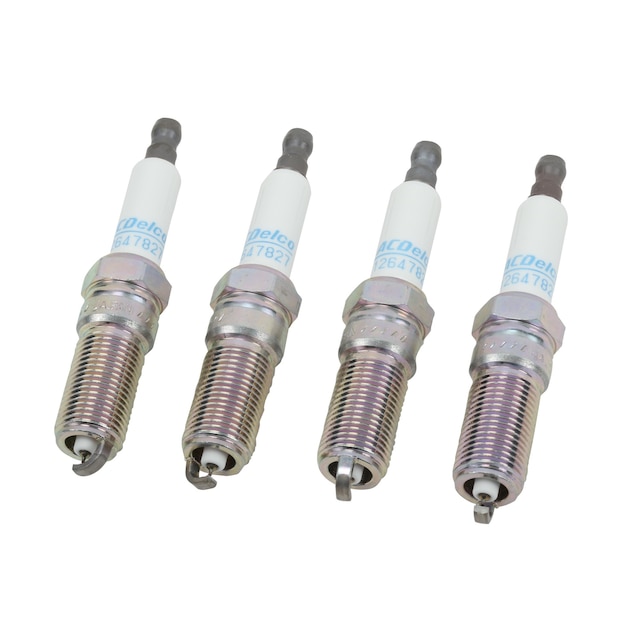
Credit: parts.chevrolet.com
Diesel Engine Basics
Understanding the basics of diesel engines is key to answering the question: How many spark plugs does a diesel engine have? Many people assume diesel engines operate like gasoline engines, but the two have fundamental differences. Getting clear on these differences helps you maintain your vehicle better and troubleshoot issues more effectively.
How Diesel Engines Work
Diesel engines do not rely on spark plugs to ignite fuel. Instead, they use the heat generated by compressing air inside the cylinder to ignite the diesel fuel. This process is called compression ignition.
When air is compressed to very high pressure, its temperature rises significantly. Diesel fuel is then injected into this hot, compressed air, causing it to ignite spontaneously. This method makes diesel engines more fuel-efficient and powerful.
Have you ever noticed the distinct sound of a diesel engine? That’s partly due to the way fuel combusts under high compression without a spark.
Role Of Spark Plugs In Engines
Spark plugs are essential in gasoline engines where they create the spark that ignites the air-fuel mixture. They ensure the fuel burns at the right moment for smooth engine operation.
Since diesel engines ignite fuel through compression, they do not need spark plugs for this purpose. Instead, some diesel engines use glow plugs to help start the engine in cold weather.
Glow plugs work by preheating the combustion chamber, making it easier for the diesel fuel to ignite in low temperatures. This is especially useful in colder climates where the engine needs extra help to start.
So, if you’ve wondered how many spark plugs a diesel engine has, the answer is typically zero. But understanding the role of glow plugs can give you better insight into diesel engine maintenance.
Spark Plugs In Diesel Engines
Understanding the role of spark plugs in diesel engines clears up a common misconception about how these engines ignite fuel. Unlike gasoline engines, diesel engines operate differently, impacting whether spark plugs are part of the design. Let’s look closely at what actually happens inside a diesel engine and how ignition is achieved.
Do Diesel Engines Use Spark Plugs?
Diesel engines do not use spark plugs to ignite the fuel-air mixture. Instead, they rely on compression to generate the heat necessary for combustion. When air is compressed inside the cylinder, its temperature rises significantly, causing the diesel fuel to ignite upon injection.
This process means spark plugs are unnecessary in typical diesel engines. However, this fact surprises many who assume all internal combustion engines use spark plugs. Have you ever wondered why diesel engines sound different or feel more robust? This ignition method is a big reason.
Difference Between Spark Plugs And Glow Plugs
While diesel engines don’t have spark plugs, they often include glow plugs. Glow plugs serve a very different purpose—they help start the engine, especially in cold weather. Glow plugs heat the air in the cylinder before compression, ensuring the fuel ignites reliably.
Here’s a quick comparison:
| Feature | Spark Plug | Glow Plug |
|---|---|---|
| Function | Ignites fuel-air mixture with a spark | Preheats air in the cylinder for ignition |
| Used In | Gasoline engines | Diesel engines |
| Operation | Creates a spark at specific timing | Heats continuously during engine start |
Knowing this difference helps you understand why diesel engines behave the way they do during startup. If you’ve ever noticed your diesel vehicle taking a moment longer to start, glow plugs are the reason. They prepare the engine for ignition but don’t keep the fire going once running.
Glow Plugs Explained
Glow plugs play a crucial role in diesel engines. They help the engine start, especially in cold weather. Unlike gasoline engines, diesel engines rely on heat to ignite fuel. Glow plugs provide this necessary heat to ensure smooth starting. Understanding their purpose and number helps maintain your diesel engine well.
Purpose Of Glow Plugs
Glow plugs heat the air inside the engine cylinder. This heat helps ignite the diesel fuel during cold starts. Without glow plugs, the engine may struggle to start or run rough. They also reduce emissions by ensuring complete combustion. Glow plugs work before and just after the engine starts. They make cold mornings easier for diesel engines.
Number Of Glow Plugs In Diesel Engines
The number of glow plugs usually matches the number of cylinders. For example, a 4-cylinder diesel engine has 4 glow plugs. Each glow plug heats one cylinder for efficient starting. Some small engines may have fewer glow plugs, but it is rare. Larger engines always have one glow plug per cylinder. This design ensures each cylinder reaches the right temperature quickly.
Common Misconceptions
Many people mistakenly think diesel engines use spark plugs like gasoline engines do. This confusion often leads to incorrect assumptions about how diesel engines work and how many spark plugs they have. Clearing up these misconceptions can help you better understand your vehicle’s maintenance needs and performance.
Why People Assume Spark Plugs Are Used
Most drivers associate spark plugs with any engine because they’ve heard about spark plugs being essential for starting a car. Gasoline engines rely on spark plugs to ignite the fuel-air mixture, so it feels natural to think diesels work the same way.
Another reason is that diesel engines have components that look somewhat similar to spark plugs, called glow plugs. These glow plugs help start the engine in cold weather, which adds to the confusion.
Have you ever wondered why glow plugs aren’t called spark plugs even though they sound similar? Understanding their different roles can clear up this common mix-up.
Clarifying The Ignition Process
Diesel engines don’t use spark plugs because they rely on compression to ignite the fuel. The air inside the cylinder is compressed to a very high temperature, causing the diesel fuel to ignite on contact without needing a spark.
Glow plugs, which some confuse with spark plugs, only warm the air to help start the engine in cold conditions. They don’t create sparks or ignite the fuel directly.
Knowing this difference helps you avoid unnecessary replacements and maintenance costs. Instead of counting spark plugs, focus on how many cylinders your diesel engine has, as glow plugs usually correspond to that number.
Maintenance Tips
Proper maintenance of diesel engine glow plugs ensures smooth starts and reliable performance. Regular checks help avoid costly repairs and downtime. Knowing when to replace glow plugs and recognizing failure signs keeps your engine running efficiently.
When To Replace Glow Plugs
Glow plugs usually last between 60,000 and 100,000 miles. Replace them if your engine takes longer to start or needs multiple attempts. Cold weather can speed up wear, so check plugs more often in winter. Follow your vehicle’s manual for specific replacement intervals.
Signs Of Glow Plug Failure
- Engine struggles to start, especially in cold weather
- Increased smoke from the exhaust during startup
- Rough idling or misfires after starting
- Warning light on the dashboard related to the engine
- Reduced fuel efficiency and power
Spotting these signs early helps prevent bigger engine issues. Regular inspections keep your diesel engine reliable and efficient.

Credit: www.whocanfixmycar.com
Summary Of Key Points
Understanding how many spark plugs a diesel engine has is simpler than you might think. This summary breaks down the essentials to help you grasp the key differences between diesel and gasoline engines, especially regarding their ignition systems.
Diesel Engines Don’t Use Spark Plugs
Unlike gasoline engines, diesel engines rely on compression to ignite fuel, not spark plugs. This means you won’t find spark plugs in a typical diesel engine at all.
The Role Of Glow Plugs In Diesel Engines
Diesel engines use glow plugs to help start the engine, especially in cold weather. These glow plugs heat the combustion chamber to ensure the diesel fuel ignites properly.
Number Of Glow Plugs Matches Number Of Cylinders
Each cylinder in a diesel engine typically has one glow plug. So, if your diesel engine has four cylinders, it will usually have four glow plugs.
Why This Matters For Maintenance
Knowing that diesel engines use glow plugs—not spark plugs—can save you time and money during repairs. Replacing glow plugs on time keeps your engine running smoothly, especially in colder climates.
Think About Your Engine’s Needs
Have you checked your diesel engine’s glow plugs recently? Ignoring them can lead to hard starts or increased emissions. Paying attention to these details keeps your engine healthy and efficient.

Credit: autos.yahoo.com
Frequently Asked Questions
How Many Spark Plugs Are In A Diesel Engine?
Diesel engines typically have zero spark plugs. They use compression to ignite fuel, not sparks. Instead, they rely on glow plugs for cold starts.
Do Diesel Engines Use Glow Plugs Or Spark Plugs?
Diesel engines use glow plugs, not spark plugs. Glow plugs help start the engine by heating the combustion chamber during cold conditions.
Why Don’t Diesel Engines Have Spark Plugs?
Diesel engines ignite fuel by compressing air until it’s hot enough. This compression causes fuel to ignite without needing spark plugs.
Can A Diesel Engine Run Without Glow Plugs?
Yes, but starting can be difficult in cold weather. Glow plugs improve cold starts by heating the combustion chamber before ignition.
Conclusion
Diesel engines don’t use spark plugs. They rely on glow plugs instead. Glow plugs help start the engine in cold weather. They heat the air in the cylinder for ignition. This process is key for diesel engines. Understanding this helps with engine maintenance.
Remember, always check your vehicle’s manual. It provides specific engine details. Regular checks ensure your engine runs smoothly. Diesel engines are efficient and powerful. Knowing their components is crucial. This knowledge keeps your vehicle in top shape. Stay informed for better vehicle care.