
Ever popped the hood of your car and wondered about the intricate dance of parts keeping it running smoothly? One critical component often hidden away in the engine’s depths is the spark plug.
These tiny powerhouses play a crucial role in igniting the fuel-air mixture that powers your vehicle. But how many spark plugs does your car actually need? Understanding this could save you from unexpected engine troubles and costly repairs. Stick with us as we spark your curiosity and unravel this mystery, ensuring you drive with confidence and peace of mind.
Spark Plug Basics
Spark plugs are small but vital parts of a car’s engine. They create the spark that ignites the fuel-air mix. This ignition powers the engine and keeps the car running smoothly. Understanding spark plugs helps you grasp how engines work and why maintenance matters.
Role In Engine Performance
Spark plugs ignite the fuel-air mixture inside the engine cylinders. This ignition starts the combustion process, producing power. Good spark plugs ensure efficient fuel burning and strong engine performance. Worn or faulty plugs cause misfires and reduce fuel efficiency. They can make the engine run rough or hard to start. Proper spark plugs help the car run cleaner and save fuel.
Types Of Spark Plugs
Spark plugs come in different types, each made for specific engines and conditions. Common types include:
- Copper: Basic type, good conductor, but shorter lifespan.
- Platinum: Lasts longer, resists wear better than copper.
- Iridium: Most durable and efficient, used in many modern cars.
Choosing the right spark plug improves engine life and performance. Always check your car’s manual for the recommended type.

Credit: craigscarcare.com
Common Spark Plug Counts
Understanding how many spark plugs your car has can help you maintain its performance better. Most cars have a set number of spark plugs based on the engine type. Let’s look at the common spark plug counts for different engines to give you a clearer picture.
4-cylinder Engines
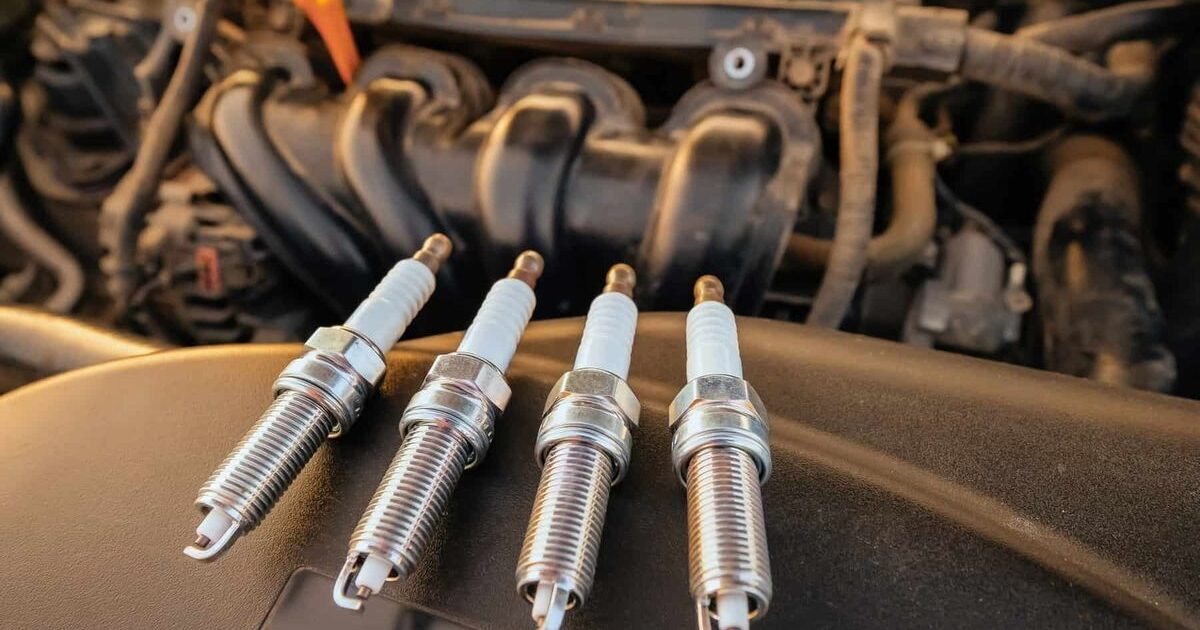
Most 4-cylinder engines have 4 spark plugs—one for each cylinder. This is a straightforward setup that keeps things simple and efficient. If you drive a compact or midsize car, it’s likely your engine has this count.
Some 4-cylinder engines might have 8 spark plugs, using two per cylinder. This design improves combustion and fuel efficiency but is less common. Have you ever checked your spark plugs during an oil change? It’s a good habit to get familiar with your engine’s setup.
6-cylinder Engines
Typically, 6-cylinder engines come with 6 spark plugs. Each cylinder needs one spark plug to ignite the air-fuel mixture. This setup is common in sedans, SUVs, and light trucks.
In some performance or luxury vehicles, you might find 12 spark plugs—two per cylinder. This helps with smoother running and better power output. Knowing your engine’s spark plug count can help you choose the right replacements and avoid unnecessary expenses.
8-cylinder Engines
Most V8 engines use 8 spark plugs, one per cylinder. These engines are found in trucks, muscle cars, and larger SUVs. The straightforward one-to-one ratio simplifies maintenance.
In high-performance or modified engines, 16 spark plugs might be used. This double spark plug system enhances combustion for extra power. Have you ever wondered if adding extra spark plugs would improve your car’s performance? It depends on your engine’s design and needs.
Factors Affecting Spark Plug Number
The number of spark plugs in a car depends on various factors. These factors relate mainly to the engine’s design and technology. Understanding these can help explain why some cars have more spark plugs than others.
Engine Design Variations
Engines come in many designs. Some have more cylinders, requiring more spark plugs. For example, a four-cylinder engine usually has four spark plugs, one for each cylinder. V6 or V8 engines have six or eight spark plugs, respectively.
Some engines use two spark plugs per cylinder. This setup improves combustion and engine efficiency. It helps reduce emissions and increases power output. The design choice depends on the manufacturer’s goals for performance and fuel economy.
Turbocharged And Hybrid Engines
Turbocharged engines often need more precise ignition. This can lead to different spark plug arrangements. Turbo engines might use special spark plugs to handle higher pressures and temperatures.
Hybrid engines combine gasoline and electric power. Their spark plug needs can vary widely. Some hybrids use smaller engines with fewer cylinders and spark plugs. Others keep traditional setups but add electric motors for efficiency.

Credit: carfromjapan.com
Signs Of Spark Plug Issues
Spark plugs play a key role in your car’s engine. They create sparks that ignite the air-fuel mixture. When spark plugs fail, the engine struggles to run smoothly. Recognizing spark plug issues early helps avoid costly repairs and keeps your car reliable.
Engine Misfires
One common sign is engine misfires. The engine may jerk or hesitate while driving. You might feel a rough or uneven idle. Misfires happen when spark plugs fail to ignite fuel properly. This causes a loss of power and poor engine performance.
Reduced Fuel Efficiency
Worn spark plugs reduce fuel efficiency. The engine burns more fuel to compensate for weak sparks. This means your car uses more gas than usual. Noticeable drops in miles per gallon can signal spark plug problems. Replacing old plugs can restore fuel economy.
Starting Problems
Difficulty starting your car can point to spark plug issues. The engine may crank longer before starting or fail to start at all. Faulty plugs struggle to ignite the fuel-air mix during startup. This often leads to frustration, especially in cold weather.
Maintenance And Replacement Tips
Proper spark plug maintenance ensures your car runs smoothly and efficiently. Neglecting this small part can lead to poor engine performance and higher fuel consumption. Regular checks and timely replacement keep your engine healthy and reduce costly repairs.
When To Replace Spark Plugs
Check your car manual for the recommended replacement interval. Usually, spark plugs last between 30,000 and 100,000 miles. Signs of wear include rough idling, trouble starting, and decreased fuel efficiency. Replace spark plugs if you notice these issues or during routine maintenance.
Choosing The Right Spark Plugs
Select spark plugs that match your car’s make and model. Consider the material: copper, platinum, or iridium. Iridium plugs last longer but cost more. Use the correct heat range to avoid engine damage. Always follow manufacturer guidelines for the best choice.
Diy Vs Professional Replacement
Replacing spark plugs can be a simple DIY task with basic tools. Make sure you have a spark plug socket and a torque wrench. Take care not to overtighten the plugs. Professional replacement is best if you lack experience or have hard-to-reach plugs. A mechanic can also check related parts during replacement.
Credit: www.westsideauto.com.au
Frequently Asked Questions
How Many Spark Plugs Does A Typical Car Engine Have?
Most cars have one spark plug per cylinder. Typically, engines have 4, 6, or 8 cylinders. Therefore, cars usually have 4 to 8 spark plugs in total.
Do All Cars Use The Same Number Of Spark Plugs?
No, the number varies by engine type. Some engines have one spark plug per cylinder, while others use two for better performance.
Why Do Some Engines Have Two Spark Plugs Per Cylinder?
Dual spark plugs improve combustion efficiency. They help engines run smoother, reduce emissions, and increase power output in certain vehicles.
How Often Should Spark Plugs Be Replaced?
Spark plugs typically last 30,000 to 100,000 miles. Check your owner’s manual for specific recommendations. Regular replacement ensures optimal engine performance.
Conclusion
Most cars have one spark plug per cylinder. Engines with four cylinders usually have four spark plugs. Six-cylinder engines often use six spark plugs. Some engines may have two spark plugs per cylinder for better performance. Knowing the number helps with maintenance and repairs.
Replacing spark plugs regularly keeps the engine running well. It also improves fuel efficiency and reduces emissions. Check your car’s manual to find the exact number. Understanding spark plugs helps you take better care of your vehicle. Simple knowledge saves time and money on car upkeep.





