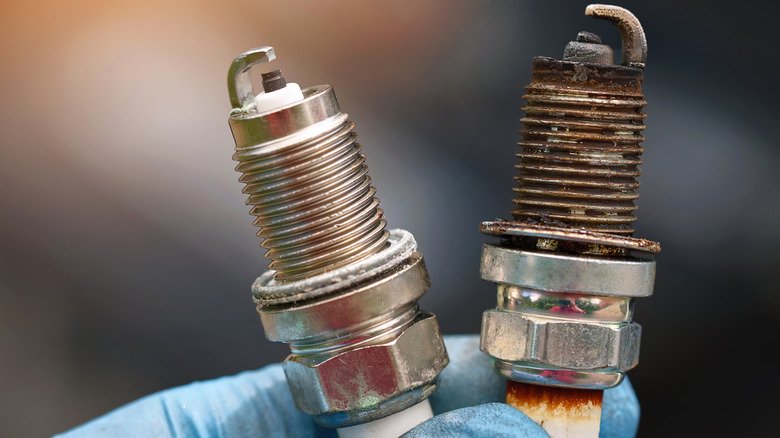
Have you ever wondered how long your spark plugs will last? If you’re a car owner, this question might have crossed your mind, especially when your engine starts misfiring or your fuel efficiency drops.
Knowing how many miles spark plugs last can save you from unexpected breakdowns and keep your car running smoothly. We’ll dive into the lifespan of spark plugs and what factors influence their longevity. You’ll discover practical tips to extend their life and know when it’s time for a replacement.
Stick around, and ensure your vehicle remains at peak performance without any surprises.
Spark Plug Lifespan Basics
Spark plugs are vital parts of your vehicle’s engine. They create the spark that ignites the fuel and air mixture. Knowing how long spark plugs last helps keep your car running smoothly. Understanding their lifespan basics can save time and money.
Average Mileage Range
Spark plugs usually last between 30,000 and 100,000 miles. The exact range depends on the spark plug type and car model. Older vehicles often use plugs that need changing every 30,000 miles. Modern plugs, like platinum or iridium, can last up to 100,000 miles. Checking your vehicle’s manual gives the best advice.
Types Of Spark Plugs
- Copper Spark Plugs:These are common and affordable. They wear out faster, around 20,000 to 30,000 miles.
- Platinum Spark Plugs:More durable than copper. They last about 60,000 miles.
- Iridium Spark Plugs:The most long-lasting, often up to 100,000 miles. They provide better performance and fuel efficiency.
Factors Affecting Longevity
Several factors impact how long spark plugs last:
- Driving Habits:Frequent short trips or heavy acceleration wears plugs faster.
- Engine Conditions:Overheating or oil leaks can damage spark plugs.
- Fuel Quality:Poor fuel causes deposits on plugs, reducing lifespan.
- Maintenance:Regular tune-ups and inspections extend spark plug life.

Credit: www.1130cc.com
Signs Of Worn Spark Plugs
Worn spark plugs cause many engine problems. They affect how the car runs and uses fuel. Knowing the signs helps fix issues early. This saves money and keeps the engine healthy.
Engine Misfires
Misfires happen when the spark plug fails to ignite the fuel properly. The engine may shake or jerk during driving. You might hear unusual noises or feel a loss of power. Misfires reduce engine smoothness and can damage other parts.
Poor Fuel Economy
Old spark plugs burn more fuel than needed. This lowers your car’s gas mileage. You may notice more visits to the gas station. Worn plugs cause incomplete combustion, wasting fuel and money.
Starting Problems
The engine struggles to start with bad spark plugs. It may take longer to turn over or fail to start at all. Cold mornings make this issue worse. Replacing worn plugs improves ignition and starts the engine faster.
Maintenance Tips To Extend Life
Maintaining spark plugs properly helps them last longer and work better. Simple care steps can prevent problems and save money on repairs. Check spark plugs often and keep them clean. This helps your engine run smoothly and avoids early wear.
Regular Inspection
Look at spark plugs at least every 30,000 miles. Check for dirt, cracks, or worn parts. Clean any buildup carefully with a soft brush. Replace plugs if they look damaged or worn out. Early checks stop bigger engine troubles.
Proper Installation
Install spark plugs with the right tools and care. Tighten them to the correct torque to avoid damage. Use a gap gauge to set the space between electrodes. Proper fitting ensures good spark and engine performance.
Using Quality Fuel
Choose clean, high-quality fuel for your car. Poor fuel causes deposits on spark plugs, reducing life. Good fuel burns cleaner and protects spark plugs. This keeps your engine healthy and improves mileage.
When To Replace Spark Plugs
Knowing when to replace spark plugs is important for your vehicle’s health. Old or worn spark plugs can cause poor engine performance and lower fuel efficiency. Replacing them on time keeps your car running smoothly and saves money on repairs.
Manufacturer Recommendations
Check your car’s manual for spark plug replacement intervals. Most manufacturers suggest changing plugs every 30,000 to 100,000 miles. This range depends on the type of spark plug and engine design. Follow these guidelines to avoid unexpected engine problems.
Driving Conditions Impact
Harsh driving conditions can shorten spark plug life. Frequent stop-and-go traffic or short trips wear plugs faster. Dusty or wet environments also affect their performance. Consider replacing spark plugs sooner if you drive under tough conditions.
Performance Monitoring
Watch for signs of spark plug wear in your car’s performance. Rough idling, hard starting, or decreased fuel economy are common signals. Engine misfires and reduced power also point to spark plug issues. Test or inspect spark plugs regularly to keep your engine healthy.
Impact Of Spark Plug Material
The material of your spark plugs directly affects how long they last and how well they perform. Different materials offer varying levels of durability, heat tolerance, and cost. Understanding these differences can help you make smarter choices for your vehicle’s maintenance.
Copper Vs Platinum Vs Iridium
Copper spark plugs have been around for decades and are known for excellent conductivity. However, they wear out faster, typically lasting around 20,000 to 30,000 miles. If you drive an older car or have a tight budget, copper plugs might be enough.
Platinum plugs offer a step up in longevity, usually lasting between 60,000 to 100,000 miles. They resist corrosion better than copper and provide more stable performance over time. Many modern vehicles come with platinum plugs as original equipment.
Iridium spark plugs are the most durable option, often lasting 100,000 miles or more. Iridium is a much harder metal, which means the plugs resist wear and maintain a strong spark longer. They are ideal if you want longer service intervals and better ignition efficiency.
Cost Vs Durability
Choosing spark plugs often comes down to balancing cost and durability. Copper plugs are the cheapest upfront but require more frequent replacement. Iridium plugs cost more initially but can save you money over time by lasting longer and improving fuel efficiency.
Think about how much you drive each year. If your mileage is low, copper plugs might be fine. But if you cover a lot of ground, investing in platinum or iridium plugs can reduce maintenance hassle and costs in the long run.
Choosing The Right Plug
Ask yourself what your driving conditions are like. Do you frequently drive in stop-and-go traffic, or mostly on highways? Different materials perform better under different conditions.
Check your vehicle’s manual for manufacturer recommendations—they often suggest the best spark plug material. Also, consider your budget and how often you want to replace parts. The right spark plug can improve your car’s performance and save you time and money.
Credit: www.crvownersclub.com
Diy Spark Plug Replacement Guide
Replacing spark plugs yourself can save money and give you a better understanding of your vehicle’s health. It might seem tricky at first, but with the right tools and clear instructions, you can do it confidently. Before you start, make sure you have everything ready and understand the process to avoid common pitfalls.
Tools Needed
- Spark plug socket:Specifically sized for your plugs, usually 5/8” or 13/16”.
- Ratchet wrench:To turn the spark plug socket.
- Extension bar:Helps reach deep spark plugs.
- Torque wrench:Ensures plugs are tightened properly without damage.
- Gap gauge:Measures and adjusts the spark plug gap if needed.
- Anti-seize compound:Optional but prevents plugs from sticking in the cylinder head.
- Dielectric grease:Protects spark plug boots and improves electrical contact.
Step-by-step Process
Start with your engine cool to avoid burns. Locate the spark plugs by following the ignition wires or coils.
Remove the ignition coil or spark plug wire carefully to avoid damage. Use the spark plug socket and ratchet to loosen and remove the old plug.
Check the gap on your new spark plug using the gap gauge; adjust if it doesn’t match your vehicle’s specification. Apply a small amount of anti-seize compound on the threads if you choose to use it.
Thread the new plug by hand first to avoid cross-threading, then tighten it with the torque wrench to the recommended setting. Reattach the ignition coil or spark plug wire, applying dielectric grease inside the boot for better protection.
Common Mistakes To Avoid
- Over-tightening spark plugs can strip threads or break the plug. Use a torque wrench to control tightness.
- Failing to check or adjust the spark plug gap can cause misfires or poor engine performance.
- Pulling ignition wires roughly may damage them or the connectors, leading to costly repairs.
- Not letting the engine cool before starting increases the risk of burns and damages the spark plug threads.
- Neglecting to use dielectric grease on the boot can lead to moisture buildup and poor electrical connection.
Have you ever struggled with spark plug replacement or felt unsure about the process? Taking your time and following these steps carefully can save you both frustration and money.

Credit: www.reddit.com
Frequently Asked Questions
How Many Miles Do Spark Plugs Typically Last?
Spark plugs usually last between 30,000 to 100,000 miles. The exact lifespan depends on the spark plug type and driving conditions.
What Factors Affect Spark Plug Lifespan?
Driving habits, engine type, and spark plug material all influence lifespan. Frequent short trips and harsh conditions can shorten it.
When Should Spark Plugs Be Replaced?
Replace spark plugs when you notice engine misfires, rough idling, or reduced fuel efficiency. Regular inspections help prevent problems.
Can Worn Spark Plugs Affect Fuel Efficiency?
Yes, worn spark plugs cause incomplete combustion, lowering fuel efficiency. Timely replacement improves mileage and engine performance.
Conclusion
Spark plugs usually last between 30,000 and 100,000 miles. The exact time depends on the type and car model. Regular checks keep your engine running smooth and avoid problems. Changing spark plugs on time saves money and hassle. Watch for signs like rough idling or trouble starting.
Keeping spark plugs healthy helps your car perform better. Simple care goes a long way. Stay aware, and your vehicle will thank you.





