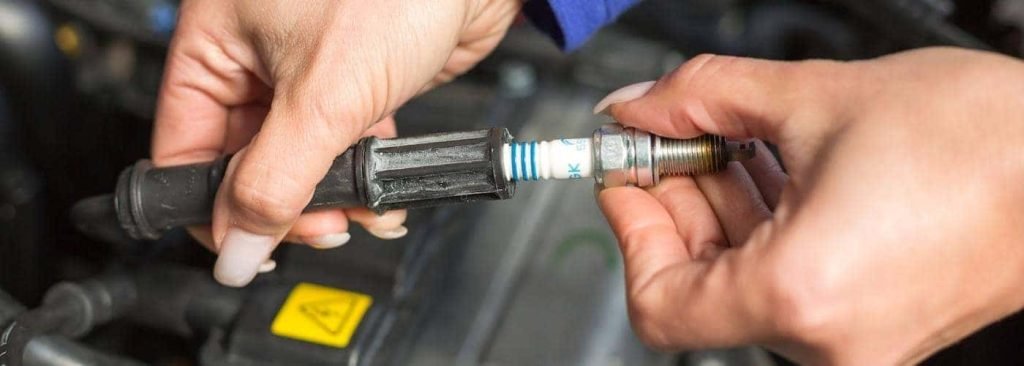
Are you wondering how often you should change your spark plugs? You’re not alone.
It’s a common question for car owners who want to keep their engines running smoothly and efficiently. Spark plugs might be small, but they play a crucial role in your vehicle’s performance. Ignoring them can lead to poor fuel efficiency, engine misfires, and even costly repairs.
We’ll uncover the magic number of miles after which you should consider changing your spark plugs. Stick around, and you’ll discover not only when but also why it’s essential for your car’s health and your wallet. Ready to keep your engine purring like a content cat? Let’s dive in!

Credit: www.acg.aaa.com
When To Replace Spark Plugs
Knowing when to replace your spark plugs can save you time and money. Worn spark plugs affect your engine’s performance and fuel efficiency. Paying attention to the right signs and guidelines helps you avoid unexpected car troubles on the road.
Manufacturer Recommendations
Your vehicle’s manual is the best place to start. Manufacturers usually suggest replacing spark plugs every 30,000 to 100,000 miles, depending on the type of spark plug used.
For example, standard copper spark plugs might need changing closer to 30,000 miles, while platinum or iridium plugs often last up to 100,000 miles. Following these recommendations ensures your engine runs smoothly without unnecessary replacements.
Signs Of Worn Spark Plugs
Don’t wait for the mileage to hit the mark before checking your spark plugs. If your car starts misfiring, hesitating during acceleration, or has trouble starting, your spark plugs might be the cause.
Other signs include poor fuel economy and rough idling. Have you noticed your engine feels less responsive or hear unusual sounds? These are clues that your spark plugs need attention.
Impact Of Driving Conditions
How you drive can change how often you need to replace spark plugs. Frequent short trips, stop-and-go traffic, or driving in dusty or harsh environments can wear spark plugs out faster.
On the other hand, consistent highway driving can extend their life. Think about your daily routine—does it involve a lot of idling or heavy acceleration? Adjust your maintenance schedule accordingly to keep your car running well.

Credit: www.reddit.com
Types Of Spark Plugs
Choosing the right type of spark plug can directly impact your vehicle’s performance and how often you need to change them. Spark plugs differ mainly in the material used for their electrodes, which affects their durability, efficiency, and cost. Understanding these differences helps you decide what fits your driving habits and engine needs best.
Copper Spark Plugs
Copper spark plugs have a solid copper core and are known for excellent conductivity. They ignite the air-fuel mixture quickly, making them a favorite for older cars and certain performance engines.
However, copper plugs wear out faster than other types, often needing replacement every 20,000 to 30,000 miles. If you drive a lot in stop-and-go traffic or have an older vehicle, copper plugs might be a practical choice but expect more frequent changes.
Platinum Spark Plugs
Platinum spark plugs last longer than copper plugs because the platinum tip resists erosion and wear. They typically last between 60,000 and 100,000 miles, reducing maintenance frequency.
They are ideal for modern vehicles and provide a good balance of performance and longevity. If you prefer fewer visits to the mechanic and smoother engine starts, platinum plugs could be the right fit for you.
Iridium Spark Plugs
Iridium spark plugs offer the best durability and performance, often lasting over 100,000 miles. The iridium tip is incredibly hard and conducts electricity efficiently, which improves fuel efficiency and engine responsiveness.
While more expensive upfront, they save money in the long run by lasting longer and reducing misfires. If your car demands high performance or you want to minimize maintenance, iridium plugs are worth considering.
Mileage Intervals For Different Plugs
Different types of spark plugs have varied mileage intervals. Knowing these intervals helps maintain engine performance. It also prevents unexpected issues on the road. The material of the plug impacts how long it lasts. Understanding these differences can save money and time.
Copper Plug Lifespan
Copper spark plugs have the shortest lifespan. They usually last around 20,000 to 30,000 miles. Copper conducts electricity well but wears out faster. Frequent replacement is needed to keep your engine running smoothly. They are often the cheapest option but require more attention.
Platinum Plug Lifespan
Platinum spark plugs last longer than copper ones. Their typical lifespan ranges from 60,000 to 100,000 miles. Platinum resists wear and corrosion better than copper. They provide better performance and require fewer changes. Many modern cars use platinum plugs for reliability.
Iridium Plug Lifespan
Iridium spark plugs offer the longest lifespan among common types. They can last between 100,000 and 120,000 miles. Iridium is a very hard metal that withstands heat and wear. These plugs deliver strong sparks and improve fuel efficiency. Iridium plugs cost more but reduce maintenance frequency.
Effects Of Delayed Replacement
Delaying the replacement of spark plugs might seem harmless at first, but it can cause significant issues over time. Spark plugs play a key role in igniting the air-fuel mixture in your engine. When they wear out, the effects ripple through your vehicle’s performance, fuel economy, and emissions.
Engine Performance Issues
Worn spark plugs can cause your engine to misfire, hesitate, or struggle to start. You might notice rough idling or a drop in acceleration power. These problems happen because old plugs fail to ignite the fuel efficiently, leading to incomplete combustion.
Have you ever felt your car lagging when you press the gas? That’s often a sign your spark plugs need attention before the problem worsens.
Fuel Efficiency Decline
When spark plugs don’t fire correctly, your engine burns more fuel to compensate. This means you end up filling your tank more often than usual. Even a small drop in fuel efficiency can add up to extra costs over time.
Think about the last time you noticed your gas mileage dropping without any other issues—delayed spark plug replacement might have been the culprit.
Emission Problems
Old spark plugs contribute to higher emissions because they cause incomplete fuel combustion. This increases pollutants like carbon monoxide and unburned hydrocarbons from your exhaust. Not only is this bad for the environment, but it can also cause your vehicle to fail emissions tests.
Ignoring spark plug maintenance can lead to costly repairs down the road and affect your vehicle’s compliance with environmental standards.
Tips For Maintaining Spark Plugs
Maintaining your spark plugs is crucial for keeping your engine running smoothly and efficiently. Simple care routines can extend the life of your spark plugs and save you money on replacements. Let’s dive into key tips that make a real difference.
Regular Inspection
Check your spark plugs every 30,000 miles or sooner if you notice engine misfires or rough idling. Look for signs of wear like carbon buildup, corrosion, or damaged electrodes. Spotting issues early prevents bigger engine problems down the road.
Proper Installation
Installing spark plugs correctly is as important as choosing the right ones. Always use the recommended torque to avoid damaging the threads or causing poor contact. Don’t forget to gap the plugs to your engine’s specifications—too wide or too narrow gaps affect performance.
Cleaning Techniques
If your spark plugs aren’t badly worn, cleaning can restore their function. Use a wire brush or a specialized spark plug cleaner to remove deposits gently. Avoid harsh chemicals that might damage the ceramic insulator or metal parts.
When To Seek Professional Help
Knowing when to seek professional help for spark plug replacement saves time and prevents damage. Some issues are simple to fix, but others need expert care. Recognizing these signs keeps your engine running smoothly and extends its life.
Complex Engine Systems
Modern cars often have complex engine systems. These include multiple spark plugs, sensors, and electronic controls. Replacing spark plugs in such engines requires special tools and knowledge. Mistakes can cause engine misfires or poor performance. Professionals understand the engine design and can handle these tasks safely.
Troubleshooting Persistent Problems
Spark plugs may wear out, but other issues can cause similar problems. Persistent engine misfires, rough idling, or poor fuel economy might not improve after plug replacement. These problems need detailed diagnosis to find the root cause. A mechanic uses diagnostic tools to check ignition, fuel, and air systems. Seeking help ensures accurate fixes and prevents further damage.

Credit: www.reddit.com
Frequently Asked Questions
How Often Should Spark Plugs Be Replaced?
Spark plugs typically need replacement every 30,000 to 100,000 miles. This range varies by vehicle and spark plug type. Regular maintenance ensures optimal engine performance and fuel efficiency.
What Factors Affect Spark Plug Lifespan?
Driving habits, engine type, and spark plug quality impact lifespan. Frequent short trips and harsh conditions shorten spark plug life. High-quality plugs usually last longer and perform better.
Can Bad Spark Plugs Reduce Fuel Efficiency?
Yes, worn spark plugs cause incomplete combustion, lowering fuel efficiency. Replacing spark plugs on time improves mileage and engine smoothness. Regular checks prevent costly fuel waste.
How To Know If Spark Plugs Need Changing?
Signs include engine misfires, rough idling, and difficulty starting. Reduced acceleration and poor fuel economy also indicate spark plug issues. Regular inspections catch problems early.
Conclusion
Spark plugs usually need changing every 30,000 to 100,000 miles. The exact time depends on your car and spark plug type. Worn spark plugs can cause poor engine performance and lower fuel efficiency. Checking them regularly helps avoid bigger problems later.
Keep track of your car’s maintenance schedule to stay safe on the road. Simple care keeps your engine running smooth and strong. Don’t wait for signs of trouble; change spark plugs on time. Your car will thank you with better power and savings.





