Have you ever wondered how long your spark plugs should last? If you’re like most car owners, you probably haven’t given it much thought—until something goes wrong.
Imagine driving down the road when your car suddenly starts to misfire or lose power. It’s frustrating and can leave you feeling anxious about what’s happening under the hood. But don’t worry, understanding the lifespan of your spark plugs can help prevent these unexpected surprises.
We’ll dive into how long spark plugs typically last and what you can do to ensure your car runs smoothly. By the end, you’ll feel more confident about maintaining your vehicle and avoiding those dreaded roadside breakdowns. Let’s get started!
Spark Plug Lifespan Basics
Spark plugs play a key role in your vehicle’s engine. They ignite the fuel-air mixture, powering the engine. Knowing how long spark plugs last helps keep your car running smoothly. Lifespan varies by type, driving habits, and engine conditions.
Regular checks prevent engine problems. Old or worn plugs cause misfires, poor fuel economy, and rough idling. Understanding the basics helps you plan timely replacements and avoid costly repairs.
Factors Affecting Longevity
- Driving style: Frequent short trips wear plugs faster.
- Engine type: Some engines run hotter, affecting spark plugs.
- Fuel quality: Low-quality fuel can cause deposits on plugs.
- Maintenance: Regular tune-ups extend spark plug life.
- Environmental conditions: Dust and moisture may reduce lifespan.
Types Of Spark Plugs And Durability
| Type | Average Lifespan | Durability Features |
|---|---|---|
| Copper | 20,000 to 30,000 miles | Good conductivity, wears out faster |
| Platinum | 60,000 to 100,000 miles | Resists wear, better for modern engines |
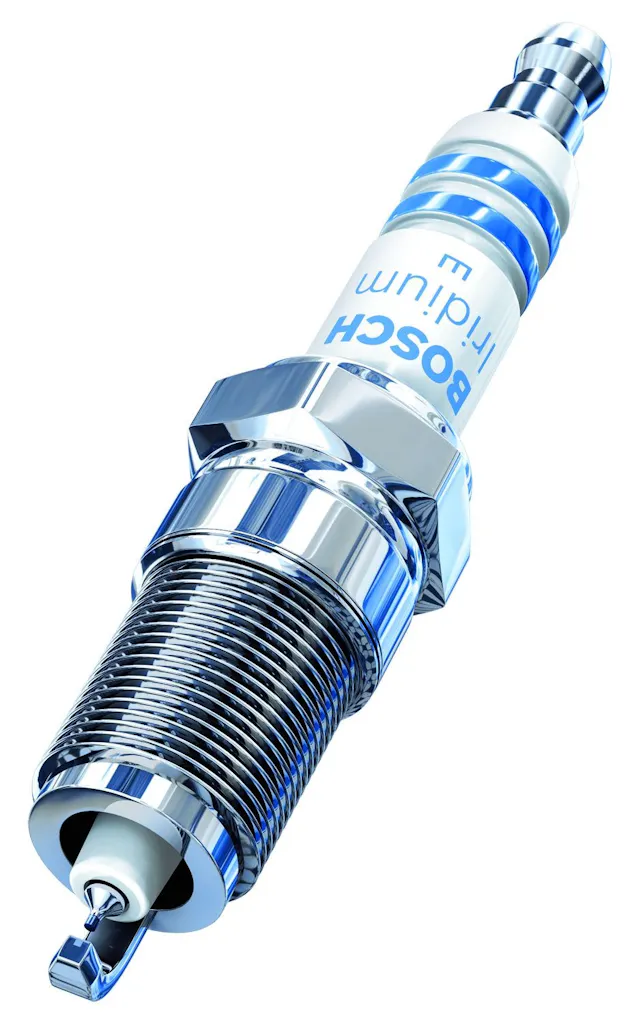
| Iridium | 100,000 miles or more | High durability, excellent performance |
Signs Of Worn Spark Plugs
Worn spark plugs can cause many issues in your vehicle’s engine. They lose their ability to ignite fuel efficiently. This reduces engine power and fuel economy. Knowing the signs helps you replace them on time. It avoids bigger problems and costly repairs.
Performance Issues
Engine misfires often signal worn spark plugs. You may notice rough idling or trouble starting the car. Acceleration may feel slow or jerky. Poor fuel economy is another common sign. The engine might also hesitate or stall during driving. These problems show the plugs are not firing properly.
Visual Inspection Tips
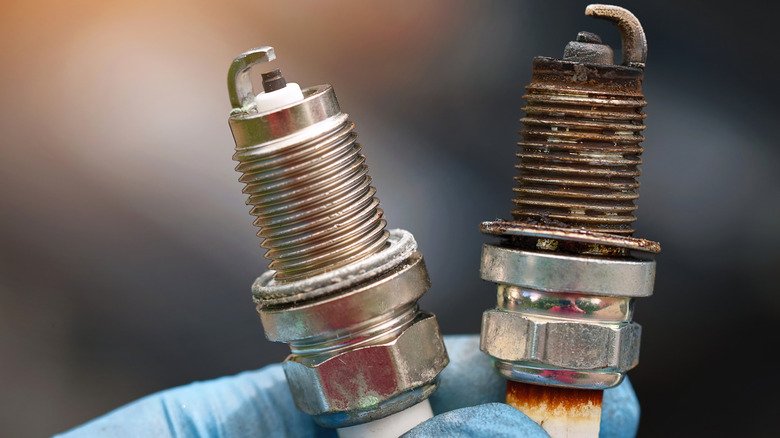
Removing spark plugs for a close look can help. Check for worn or damaged electrodes. Look for black, oily, or sooty deposits on the plug tip. White, blistered deposits may mean overheating. Cracks or heavy corrosion on the plug body are bad signs. Comparing the plug to new ones shows wear clearly.
Recommended Replacement Intervals
Knowing when to replace spark plugs is key for engine health. Recommended replacement intervals help keep your car running smoothly. These intervals vary based on the car model and driving habits. Following the right schedule prevents engine problems and improves fuel efficiency.
Manufacturer Guidelines
Car makers provide specific spark plug replacement schedules. These guidelines depend on the engine design and spark plug type. Most spark plugs last between 30,000 and 100,000 miles. Check your owner’s manual for exact timing. Sticking to these recommendations ensures optimal performance.
Driving Conditions Impact
Driving style affects spark plug life. Short trips cause more wear than long highway drives. Stop-and-go traffic and heavy loads increase spark plug stress. Dusty or wet environments can also shorten their lifespan. Adjust replacement intervals if your driving is tough on the engine.
Credit: www.moderntiredealer.com
Extending Spark Plug Life
Extending the life of spark plugs helps save money and keeps engines running smoothly. Spark plugs wear out over time, but some simple care can delay this process. Regular attention to key factors can make spark plugs last longer and perform better.
Maintenance Practices
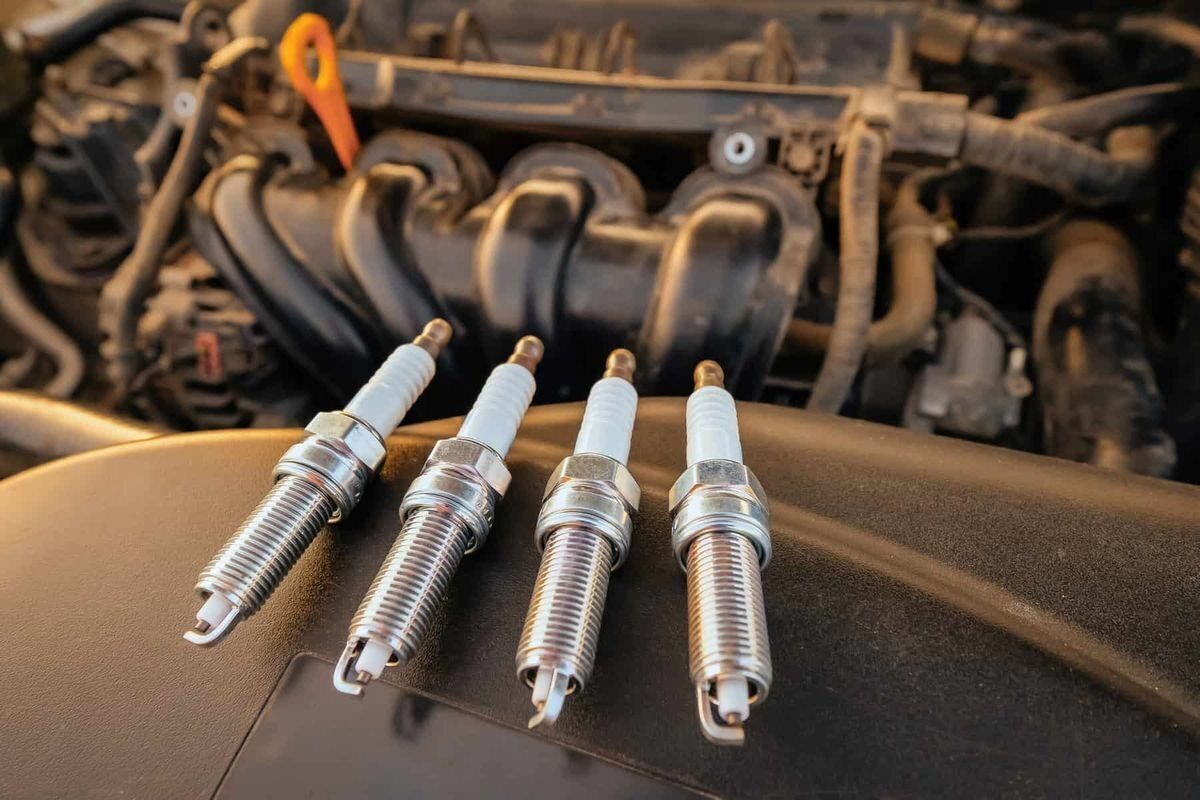
Check spark plugs regularly for dirt and damage. Clean or replace them as needed. Use the correct gap size to ensure proper ignition. Avoid harsh driving habits like rapid acceleration or heavy idling. Replace air filters often to prevent dirt from reaching the plugs. Follow your vehicle’s service schedule closely. Proper maintenance reduces wear and keeps spark plugs efficient.
Fuel Quality Effects
Low-quality fuel can cause deposits on spark plugs. These deposits reduce spark efficiency and cause misfires. Use fuel from trusted sources to avoid contaminants. Consider fuel additives that clean the engine and spark plugs. Poor fuel quality can shorten spark plug life drastically. Good fuel helps maintain clean plugs and better engine performance.
Choosing The Right Spark Plugs
Choosing the right spark plugs is crucial for your engine’s performance and longevity. The spark plug you pick affects fuel efficiency, power output, and how often you need replacements. Understanding the key differences and ensuring compatibility with your vehicle can save you time and money in the long run.
Material Differences
Spark plugs come in various materials, each offering unique benefits. Copper plugs are affordable and provide good conductivity but wear out quickly. Platinum plugs last longer and handle higher temperatures better than copper.
Iridium spark plugs are the most durable and provide excellent performance, especially in modern engines. They tend to be pricier but often extend your spark plug life up to 100,000 miles. Consider your driving habits and budget when deciding which material suits you best.
Compatibility With Your Vehicle
Every vehicle has specific spark plug requirements set by the manufacturer. Using the wrong plug can cause poor engine performance or even damage. Check your owner’s manual or consult a trusted mechanic to find the exact type and size your engine needs.
Think about your car’s engine type and age. High-performance engines might require iridium or platinum plugs, while older models may run fine on copper. Have you ever experienced rough idling or poor fuel economy? These can be signs your spark plugs don’t match your vehicle’s specifications.

Credit: www.reddit.com
Cost And Benefits Of Timely Replacement
Timely replacement of spark plugs saves money and improves vehicle performance. Old spark plugs cause poor engine function and increased fuel use. Changing them on time helps avoid costly repairs and keeps your car running smoothly. Understanding the cost and benefits clarifies why regular maintenance matters.
Fuel Efficiency Gains
New spark plugs improve the ignition process. This helps the engine burn fuel more completely. Better combustion means less fuel is wasted. Cars with fresh spark plugs use less gas. This lowers your fuel expenses over time. Even small improvements add up during long drives.
Preventing Engine Damage
Worn spark plugs can cause engine misfires. Misfires lead to rough idling and poor acceleration. Over time, misfires damage engine parts. Repairing engine damage costs much more than spark plug replacement. Timely spark plug changes protect your engine. This extends your car’s lifespan and saves repair bills.
Credit: www.westsideauto.com.au
Frequently Asked Questions
How Long Do Spark Plugs Typically Last?
Spark plugs usually last between 30,000 to 100,000 miles. The lifespan depends on the type and driving conditions. Regular inspection helps ensure optimal engine performance and fuel efficiency.
What Factors Affect Spark Plug Lifespan?
Driving habits, engine type, and spark plug material affect lifespan. Harsh conditions and poor maintenance can shorten their durability. Using high-quality plugs and timely replacement improves longevity.
When Should Spark Plugs Be Replaced?
Replace spark plugs when the engine misfires or fuel efficiency drops. Follow the manufacturer’s recommended mileage or check every 30,000 miles. Early replacement prevents engine damage and maintains smooth performance.
Can Old Spark Plugs Cause Engine Problems?
Yes, worn spark plugs can cause misfires, rough idling, and poor acceleration. They reduce fuel efficiency and increase emissions. Timely replacement avoids costly engine repairs.
Conclusion
Spark plugs usually last between 30,000 and 100,000 miles. Their lifespan depends on the type and driving habits. Regular checks help keep your engine running smooth. Worn spark plugs can cause poor fuel economy and rough starts. Changing them on time saves you from bigger repairs later.
Keep an eye on your car’s performance. Good spark plugs mean better power and less pollution. Remember, simple maintenance keeps your vehicle healthy and safe.





