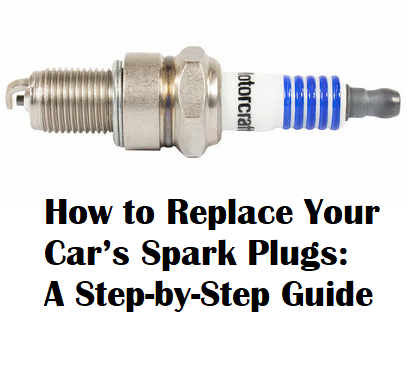
How long does it take to change spark plugs? If you’ve ever asked yourself this question, you’re not alone.
Spark plugs play a crucial role in keeping your car running smoothly, yet they often go unnoticed until something goes wrong. Whether you’re a seasoned car enthusiast or someone just starting to learn about vehicle maintenance, understanding the time commitment for changing spark plugs is vital.
This simple task can greatly impact your car’s performance, fuel efficiency, and overall reliability. Imagine driving with a renewed sense of confidence, knowing that your engine is firing on all cylinders. Doesn’t that sound appealing? Stick around as we break down the spark plug replacement process, reveal how long it typically takes, and give you tips to make it even quicker. You’ll soon discover that maintaining your car doesn’t have to be daunting or time-consuming. Ready to dive in? Let’s get started!
When To Replace Spark Plugs
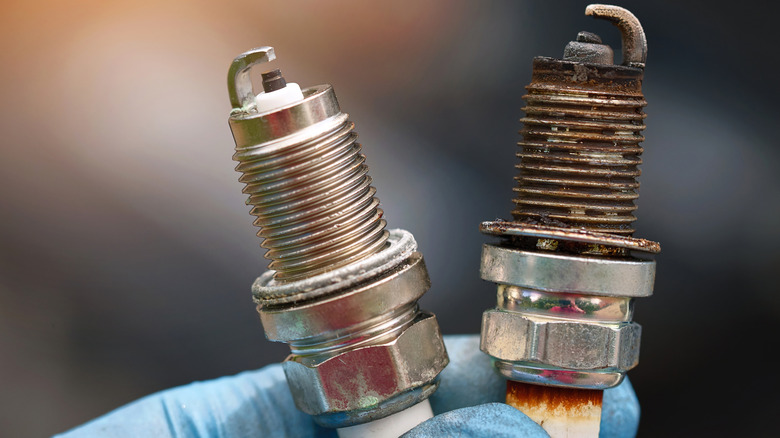
Knowing when to replace spark plugs keeps your engine running smoothly. Spark plugs wear out over time and cause poor engine performance. Changing them at the right time saves fuel and prevents damage.
Regular checks help catch worn spark plugs early. Look for signs that show your spark plugs need replacement. Follow the car maker’s advice for timing. Several factors affect how often spark plugs should be changed.
Signs Of Worn Spark Plugs
- Engine misfires or runs rough.
- Hard starts or engine hesitation.
- Reduced fuel efficiency.
- Loss of power during acceleration.
- Engine idles unevenly or stalls.
These symptoms signal spark plugs may not spark properly. Ignoring them can lead to bigger engine problems.
Manufacturer Recommendations
Check the owner’s manual for spark plug replacement schedules. Most manufacturers suggest changing plugs every 30,000 to 100,000 miles. The range depends on the spark plug type and vehicle model.
Using the recommended schedule ensures proper engine function. Stick to the manufacturer’s advice to avoid early wear or damage.
Factors Affecting Replacement Frequency
- Driving habits: Frequent short trips wear plugs faster.
- Engine type: High-performance engines may need quicker changes.
- Fuel quality: Poor fuel causes spark plug fouling.
- Environmental conditions: Dust and moisture speed up wear.
- Type of spark plugs: Iridium and platinum last longer.
These factors change how often spark plugs need replacement. Adjust your maintenance based on your driving and environment.
Credit: www.slashgear.com
Types Of Spark Plugs
Spark plugs come in different types, each made from various materials. These materials affect their lifespan, performance, and cost. Choosing the right spark plug helps maintain engine health and efficiency.
Copper Spark Plugs
Copper spark plugs have a solid copper core. They provide excellent conductivity and heat dissipation. These plugs wear out faster than others, usually needing replacement every 20,000 to 30,000 miles. Copper plugs are often the cheapest option but require more frequent changes.
Platinum Spark Plugs
Platinum spark plugs feature a platinum disc on the electrode. This increases durability and lifespan compared to copper plugs. They typically last between 60,000 and 100,000 miles. Platinum plugs offer better performance and cost more than copper plugs but need less frequent replacement.
Iridium Spark Plugs
Iridium spark plugs use a fine iridium tip on the electrode. Iridium is very hard and durable, providing the longest life span. These plugs can last up to 120,000 miles or more. Iridium spark plugs are more expensive but improve ignition and fuel efficiency.
Tools Needed For Replacement
Changing spark plugs requires certain tools to do the job safely and correctly. Having the right equipment helps you work faster and avoid damage. Some tools are basic and found in most toolkits. Others are specialized for spark plug replacement. Knowing these tools prepares you for the task ahead.
Basic Tools
- Spark plug socket: A deep socket designed to fit spark plugs.
- Ratchet wrench: Used with the socket to loosen and tighten plugs.
- Extension bar: Helps reach plugs in tight engine spaces.
- Torque wrench: Ensures correct tightening to avoid damage.
- Gap gauge: Measures the spark plug gap for proper ignition.
- Socket set: Provides different sizes for various bolts and nuts.
- Compressed air or brush: Clears debris around the spark plug area.
Specialized Equipment
- Dielectric grease: Protects the spark plug boot from moisture.
- Anti-seize compound: Prevents spark plugs from sticking in the cylinder head.
- Magnetic pickup tool: Retrieves dropped spark plugs or small parts.
- Spark plug boot puller: Removes boots without damaging them.
- Multimeter: Tests ignition system components if troubleshooting.
Step-by-step Replacement Process
Changing spark plugs can improve engine performance and fuel efficiency. Follow a clear process to replace spark plugs safely and correctly. This guide covers the main steps for a smooth replacement.
Preparing Your Vehicle
Park your car on a flat surface and turn off the engine. Allow the engine to cool completely to avoid burns. Open the hood and locate the spark plugs. Gather tools: a socket wrench, spark plug socket, and a gap gauge. Disconnect the negative battery terminal for safety. Clean the area around spark plugs to prevent dirt entry.
Removing Old Spark Plugs
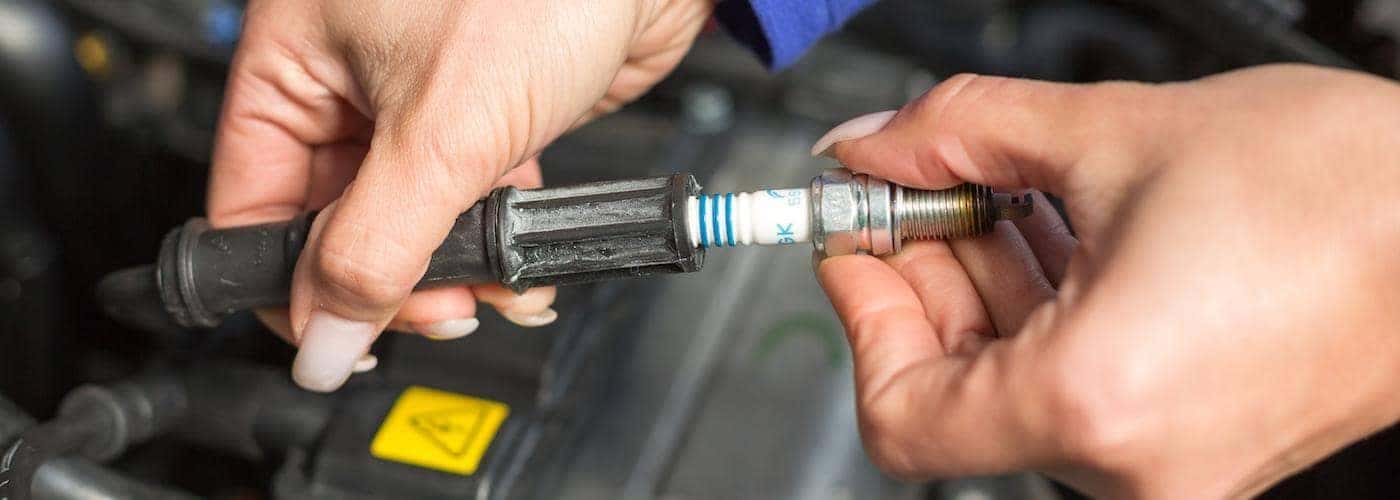
Remove the spark plug wire or coil pack carefully. Use the spark plug socket and wrench to loosen each spark plug. Turn counterclockwise to unscrew the plugs. Take out the old spark plugs gently to avoid damage. Inspect them for wear or carbon buildup for future reference.
Installing New Spark Plugs
Check the gap on new spark plugs with a gap gauge. Adjust the gap if needed according to your vehicle manual. Insert new spark plugs by hand to avoid cross-threading. Tighten them with a socket wrench until snug, then give a slight extra turn. Reattach spark plug wires or coil packs firmly. Reconnect the battery and start the engine to test.
Time Estimates For Changing Spark Plugs
Knowing how long it takes to change spark plugs helps you plan your car maintenance better. The time varies depending on whether you do it yourself or use a professional service. Let’s break down what you can expect in each case.
Diy Replacement Time
If you’re handy with tools, changing spark plugs yourself can be a quick job. On average, it takes about 30 to 60 minutes for most cars. Some models with easy engine access might take less than half an hour.
However, if it’s your first time, expect to spend extra time. You’ll need moments to locate the spark plugs, remove covers, and carefully use the right tools. Patience is key here—rushing might cause damage or missed steps.
Have you ever tried a DIY repair that took longer than expected? That’s common with spark plugs, especially if you encounter stuck or corroded plugs. This is why having a spark plug socket and a torque wrench ready can save you time and headaches.
Professional Service Time
Taking your car to a mechanic usually means less time spent on your part. Professionals can replace spark plugs in 20 to 40 minutes depending on the vehicle’s complexity. They have specialized tools and experience to work efficiently.
Keep in mind, the total time at the shop might be longer due to waiting or additional inspections. But the actual spark plug swap is swift. This is a good option if you want to avoid the hassle or if your engine design makes DIY tough.
Would you prefer saving time or learning a new skill? Both options have their pros, but knowing these time frames helps you decide what fits your schedule and comfort level best.

Credit: www.youtube.com
Tips For Maintaining Spark Plugs
Maintaining your spark plugs is key to keeping your engine running smoothly and efficiently. Simple care routines can save you from costly repairs and improve your car’s performance. Paying attention to spark plug health lets you catch issues early and extend their lifespan.
Regular Inspection
Check your spark plugs every 10,000 to 15,000 miles or whenever your car feels sluggish. Look for signs like worn electrodes, heavy deposits, or cracks in the ceramic insulator. Spotting these issues early helps you avoid misfires and rough starts.
Have you noticed your engine hesitating or idling roughly? That’s often a sign it’s time to inspect those plugs. Keeping a small flashlight and a spark plug socket in your toolkit makes quick checks easier.
Cleaning Techniques
If your spark plugs have carbon buildup or deposits, cleaning can restore their function without replacement. Use a wire brush or a specialized spark plug cleaner to gently remove grime.
Avoid harsh chemicals or abrasive tools that can damage the electrodes. After cleaning, check the gap with a feeler gauge to ensure it matches your vehicle’s specifications. Proper gaps help maintain efficient combustion and fuel economy.
Proper Installation
Installing spark plugs correctly is just as important as inspecting and cleaning them. Always apply a small amount of anti-seize lubricant on the threads to prevent sticking and make future removal easier.
Use a torque wrench to tighten plugs to the manufacturer’s recommended torque. Over-tightening can damage the cylinder head, while under-tightening leads to poor contact and misfires. Have you ever struggled with hard-to-remove spark plugs? Proper installation avoids that hassle entirely.
Common Mistakes To Avoid
Changing spark plugs is a simple task but easy to mess up. Avoiding common mistakes can save time and protect your engine. Pay attention to details and follow best practices for a smooth replacement.
Over-tightening
Too much force can crack the spark plug or damage the threads. Tighten the plugs just enough to secure them. Use a torque wrench for accuracy. Over-tightening may cause costly repairs later.
Using Wrong Spark Plugs
Not all spark plugs fit every car. Using the wrong type can cause poor engine performance. Check your owner’s manual or consult a trusted source. The right plugs improve fuel efficiency and engine life.
Neglecting Gaps And Torque
Spark plugs need the correct gap to function well. A gap too wide or narrow affects ignition. Always measure and adjust the gap before installation. Also, follow the recommended torque to avoid damage or loose plugs.
Credit: www.terrylabontechevy.com
Frequently Asked Questions
How Often Should I Change Spark Plugs?
Spark plugs typically last between 30,000 and 100,000 miles. Check your vehicle’s manual for specific intervals. Regular replacement ensures optimal engine performance and fuel efficiency.
What Factors Affect Spark Plug Lifespan?
Driving habits, engine type, and spark plug material impact lifespan. Frequent short trips or heavy loads may wear plugs faster. High-quality plugs usually last longer and perform better.
How Long Does It Take To Replace Spark Plugs?
Replacing spark plugs usually takes 30 to 60 minutes for most cars. Time depends on engine design and experience level. Professional service ensures proper installation and gap settings.
Can Old Spark Plugs Cause Engine Problems?
Yes, worn spark plugs can cause misfires, rough idling, and poor fuel economy. They reduce engine power and increase emissions. Timely replacement prevents these issues and maintains smooth operation.
Conclusion
Changing spark plugs regularly keeps your engine running smooth. Most cars need new plugs every 30,000 to 100,000 miles. Check your car’s manual for exact timing. Worn plugs cause poor fuel economy and rough starts. Don’t wait for problems to appear.
Keep an eye on performance and sounds. A small job can save big repair costs later. Stay on schedule and enjoy a reliable ride. Simple steps help your car last longer. Spark plugs matter more than you think.





