Have you ever wondered how long spark plugs really last in your vehicle? Knowing this can save you from unexpected breakdowns and costly repairs.
Your spark plugs play a crucial role in keeping your engine running smoothly. But when is the right time to replace them? You’ll discover everything you need to know about the lifespan of spark plugs, signs they’re wearing out, and tips to keep your engine firing strong.
Keep reading—your car’s health depends on it!
Credit: www.moderntiredealer.com
Spark Plug Lifespan Factors
The lifespan of spark plugs depends on several key factors. These factors affect how long spark plugs can function properly before needing replacement. Understanding these elements helps maintain engine performance and avoid unexpected breakdowns.
Material Types And Durability
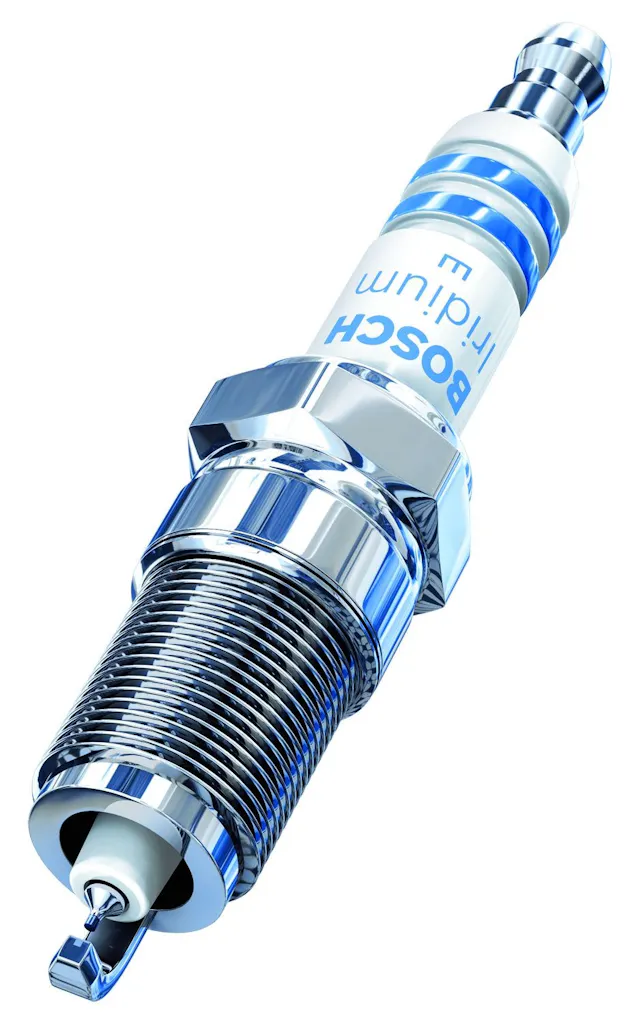
Spark plugs come in different materials, each with distinct durability. Copper spark plugs last around 20,000 to 30,000 miles. Platinum plugs offer better longevity, often reaching 60,000 miles. Iridium spark plugs provide the longest life, sometimes exceeding 100,000 miles. The choice of material directly influences how often spark plugs need changing.
Engine Conditions Impact
Engine conditions play a major role in spark plug wear. Engines that run hotter cause faster spark plug degradation. Poor fuel quality or oil leaks can foul spark plugs quickly. Frequent engine idling or short trips increase carbon buildup on plugs. Keeping engine systems clean extends spark plug life.
Driving Habits Influence
Driving style affects spark plug lifespan significantly. Aggressive acceleration and high speeds stress spark plugs more. Consistent highway driving causes less wear than stop-and-go city traffic. Regular maintenance and gentle driving habits help spark plugs last longer. Smooth driving reduces engine strain and spark plug damage.

Credit: www.reddit.com
Signs Of Worn Spark Plugs
Worn spark plugs can quietly undermine your vehicle’s performance before you even realize there’s a problem. Recognizing the signs early helps you avoid costly repairs and keeps your engine running smoothly. Here are some clear indicators that your spark plugs might need attention.
Engine Misfires And Rough Idle
If your engine suddenly feels jerky or stutters while driving, worn spark plugs could be the culprit. Misfires happen because the spark plugs fail to ignite the fuel-air mixture properly. You might notice the engine shaking or the RPMs fluctuating when the car is idling.
Have you ever felt your car hesitate during acceleration? That hesitation often ties back to spark plugs struggling to deliver consistent sparks. This issue can also cause a rough idle, making your vehicle feel unstable when stopped at a light.
Poor Fuel Efficiency
Are you filling up your gas tank more often than usual? Worn spark plugs can cause your engine to burn fuel inefficiently. When plugs don’t spark correctly, the engine compensates by using more fuel to maintain power.
Tracking your miles per gallon can reveal subtle drops in efficiency. If you notice your fuel economy slipping without other obvious reasons, checking your spark plugs should be high on your to-do list.
Difficulty Starting Engine
Struggling to start your car, especially in cold weather, might point to worn spark plugs. Weak or failing plugs can’t create the strong spark needed to ignite the fuel mixture quickly. This leads to longer cranking times or multiple attempts before the engine fires up.
Think about the last time your car was reluctant to start. If it felt like the engine was slow to catch or required several key turns, your spark plugs might be losing their effectiveness. Replacing them can restore quick and reliable starts every time.
Recommended Replacement Intervals
Knowing the recommended replacement intervals for spark plugs can save you from unexpected car troubles and improve your engine’s performance. These intervals vary based on several factors, including manufacturer advice, mileage, and time since the last change. Understanding these guidelines helps you plan maintenance efficiently and keep your vehicle running smoothly.
Manufacturer Guidelines
Every car manufacturer provides specific recommendations for spark plug replacement in the owner’s manual. These guidelines are based on the design and materials of the spark plugs used in your engine. Following them ensures your vehicle performs optimally and maintains warranty coverage.
Some manufacturers recommend platinum or iridium spark plugs, which last longer than traditional copper plugs. Checking your manual or official service guide is the best way to know the exact replacement interval for your model.
Mileage-based Recommendations
Mileage is a common way to determine when to change spark plugs. Most standard copper plugs need replacement every 20,000 to 30,000 miles. However, modern platinum or iridium spark plugs can often last between 60,000 and 100,000 miles.
If you drive a lot on highways, your spark plugs might last closer to the upper limit because steady speeds cause less wear. Conversely, stop-and-go city driving may shorten their lifespan. Keep track of your mileage and plan your replacements accordingly to avoid misfires and poor fuel economy.
Time-based Recommendations
Spark plugs don’t just wear out from driving; time also affects their performance. Even if you don’t reach the mileage limit, spark plugs should typically be replaced every 3 to 5 years. Moisture, dirt, and corrosion can degrade plugs during long periods of inactivity.
If your car sits unused for months, it’s wise to check the spark plugs before hitting the road again. This simple step can prevent rough starts and engine hesitation, saving you time and repair costs down the line.
Credit: www.westsideauto.com.au
Choosing The Right Spark Plugs
Choosing the right spark plugs can make a noticeable difference in your vehicle’s performance and longevity. The lifespan of spark plugs depends not only on their material but also on how well they match your engine’s needs. Understanding the key factors behind spark plug selection helps you avoid frequent replacements and keeps your engine running smoothly.
Material Options: Copper, Platinum, Iridium
Different spark plug materials offer varying durability and performance. Copper plugs are affordable and provide good conductivity but tend to wear out faster, often lasting about 20,000 to 30,000 miles.
Platinum plugs last longer, typically up to 60,000 miles, and resist corrosion better than copper. They’re a solid choice if you want a balance between cost and longevity.
Iridium spark plugs top the chart for durability, often lasting 100,000 miles or more. Their fine wire center electrode provides better ignition and fuel efficiency, making them ideal for modern engines.
Heat Range Considerations
Heat range is a critical factor that many overlook. Spark plugs come in different heat ranges, which affect how quickly they dissipate heat from the combustion chamber.
Choosing a plug with the wrong heat range can cause problems like pre-ignition or fouling. If you live in a hot climate or drive aggressively, a colder plug might suit your engine better.
On the other hand, a hotter plug is beneficial for short trips or stop-and-go driving where the engine doesn’t reach full operating temperature. Check your vehicle’s manual or talk to a mechanic to find the right heat range for your needs.
Oem Vs Aftermarket Choices
OEM (Original Equipment Manufacturer) spark plugs are designed specifically for your vehicle and usually guarantee compatibility and performance. They often come with a higher price tag but can save you from future headaches.
Aftermarket plugs offer a wider variety of options and can sometimes provide better performance or longer life, depending on the brand. However, quality varies widely, so research is essential before making a purchase.
Have you ever tried switching from OEM to aftermarket plugs? Pay attention to how your engine responds. Sometimes a small change here can improve fuel efficiency or throttle response.
Spark Plug Maintenance Tips
Proper spark plug maintenance extends their life and improves engine performance. Simple care can prevent costly repairs and ensure smooth running. Focus on cleaning, correct installation, and precise adjustments to keep your spark plugs in top shape.
Cleaning Techniques
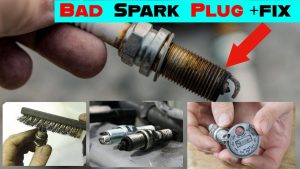
Remove deposits to restore spark plug function. Use a wire brush or spark plug cleaner for gentle scrubbing. Avoid harsh chemicals that damage the ceramic insulator. Blow away dust with compressed air. Check for cracks or heavy wear before reinstalling.
Proper Installation Steps
Install spark plugs carefully to avoid damage. Hand-thread them to prevent cross-threading. Use a torque wrench for the correct tightness. Over-tightening can strip threads; under-tightening causes poor contact. Ensure the plugs sit flush against the cylinder head.
Gapping And Torque Settings
Set the spark plug gap to the manufacturer’s specification. Use a feeler gauge to measure the gap accurately. Adjust gently by bending the ground electrode. Follow torque settings closely to avoid engine issues. Correct gap and torque improve ignition and fuel efficiency.
Impact On Engine Performance
Spark plugs play a key role in engine performance. Their condition directly affects how well the engine runs. Worn or old spark plugs can cause poor combustion. This leads to problems like rough idling, hesitation, and lower power. Maintaining good spark plugs helps keep the engine efficient and smooth.
Fuel Economy Improvements
Clean spark plugs ignite fuel efficiently. This helps the engine burn fuel completely. Better combustion means the engine uses less fuel for the same power. Old spark plugs cause misfires and incomplete burning. This wastes fuel and lowers miles per gallon. Replacing spark plugs on time can improve fuel economy noticeably.
Power And Acceleration
Good spark plugs deliver strong sparks at the right moment. This ensures smooth and quick combustion. As a result, the engine generates full power and quick acceleration. Worn spark plugs cause weak sparks or misfires. This reduces engine power and causes sluggish acceleration. New spark plugs restore engine responsiveness and strength.
Emissions Reduction
Properly working spark plugs help burn fuel cleaner. This lowers harmful exhaust gases like carbon monoxide and hydrocarbons. Bad spark plugs cause incomplete combustion. This leads to higher emissions and pollution. Changing spark plugs regularly helps meet emission standards. It also keeps the engine environment-friendly.
When To Seek Professional Help
Knowing when to seek professional help with your spark plugs can save you time, money, and frustration. Sometimes, issues that seem related to spark plugs may actually indicate deeper problems with your vehicle’s engine or ignition system. Recognizing the right moment to call a mechanic ensures your car stays reliable and safe on the road.
Signs Beyond Spark Plug Issues
Not all engine troubles point directly to spark plugs. If your car is experiencing rough idling, hesitation during acceleration, or unusual noises, these might be signs of problems beyond just worn-out spark plugs.
Have you noticed your check engine light flashing or staying on? This often indicates a fault that requires diagnostic equipment to identify accurately. Ignoring these signs can lead to more serious engine damage over time.
Diagnostic Tools Usage
Professional mechanics use specialized tools like OBD-II scanners to read error codes from your vehicle’s computer. These codes help pinpoint whether the issue lies with the spark plugs or elsewhere in the ignition or fuel system.
DIY methods may help you spot worn spark plugs, but without diagnostic tools, you might miss hidden problems. Trusting a professional with the right equipment can prevent misdiagnosis and unnecessary part replacements.
Cost Considerations
It’s tempting to replace spark plugs yourself to save money, but incorrect installation can cause further damage and higher repair costs. Professional service ensures the job is done right the first time.
Think about the long-term savings: paying for a diagnostic check and expert repair now can avoid costly engine repairs later. How much is your peace of mind worth when it comes to your car’s performance?
Frequently Asked Questions
How Long Do Spark Plugs Typically Last?
Spark plugs usually last between 30,000 to 100,000 miles. Their lifespan depends on the type and vehicle usage. Regular inspection helps maintain engine performance and fuel efficiency.
What Factors Affect Spark Plug Lifespan?
Heat, engine type, driving habits, and fuel quality impact spark plug life. Harsh conditions or poor maintenance can shorten their durability significantly.
How Can I Tell If Spark Plugs Need Replacement?
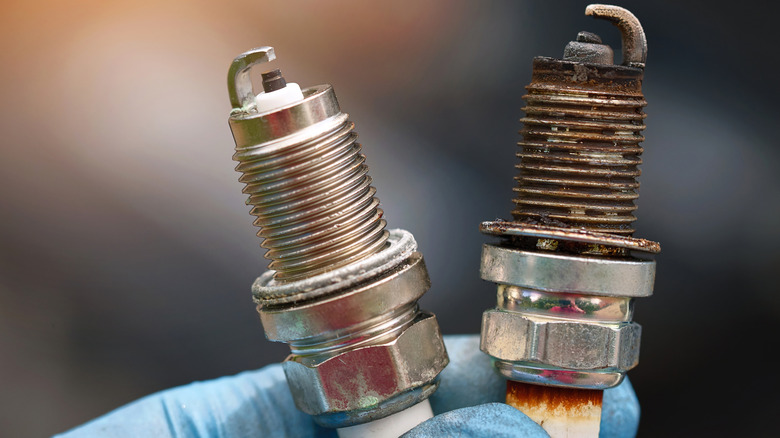
Symptoms include rough idling, poor acceleration, and increased fuel consumption. Visual inspection shows worn electrodes or heavy deposits on spark plugs.
Are Iridium Spark Plugs Longer-lasting Than Others?
Yes, iridium spark plugs typically last up to 100,000 miles. They offer better durability and performance compared to copper or platinum spark plugs.
Conclusion
Spark plugs play a vital role in your car’s performance. Their lifespan varies based on usage and quality. Regular checks help maintain engine efficiency. Replacing them timely prevents engine issues. Cost-effective in the long run. Ignoring worn-out plugs can lead to costly repairs.
So, listen to your engine. Notice any signs of trouble. Changing spark plugs is a simple task. Keeps your vehicle running smoothly. A small effort with great benefits. Stay proactive for a reliable ride. Your car’s health depends on it.
Keep those spark plugs in check. Happy driving!