
Are your car’s spark plugs due for a change? You’re not alone.
Many drivers find themselves asking, “How long does it take to replace spark plugs? ” Whether you’re a seasoned DIY enthusiast or someone just curious about their vehicle’s maintenance, understanding the time commitment is crucial. Replacing spark plugs might sound like a simple task, but it can be a bit more complex than you expect.
Stick with us, and you’ll not only learn about the time it takes, but also get insights that might surprise you and save you time and money. Ready to dive in? Let’s make sure you’re fully prepared for your next spark plug change.
Signs You Need New Spark Plugs
Spark plugs play a key role in your vehicle’s engine performance. Over time, they wear out and need replacement. Knowing the signs helps avoid bigger car problems and keeps your engine running smoothly.
Watch for changes in how your car drives. Some issues point directly to worn spark plugs. Spotting these signs early saves time and money.
Engine Misfires
Engine misfires happen when spark plugs fail to ignite fuel properly. Your car may jerk or hesitate during acceleration. Sometimes, the engine shakes or sounds rough. These are clear signals spark plugs might be worn out.
Poor Fuel Economy
Old spark plugs cause incomplete fuel burning. This lowers your car’s fuel efficiency. You may notice you fill the tank more often. Poor mileage is a strong hint that spark plugs need replacing.
Difficulty Starting
Hard starts can mean spark plugs are struggling. The engine turns over but won’t start quickly. You may hear slow cranking or repeated attempts. This issue often means spark plugs are no longer firing well.
Credit: www.terrylabontechevy.com
Tools And Materials Needed
Replacing spark plugs is a task that demands the right tools and materials to ensure success and avoid damage. Having everything ready before you start saves time and frustration. You might think it’s just about swapping parts, but using the correct tools makes a huge difference in how smoothly the job goes.
Spark Plug Socket
A spark plug socket is designed specifically to fit spark plugs snugly, preventing damage during removal and installation. It usually has a rubber insert or a magnetic feature to grip the plug securely. Using a regular socket can cause slipping or breakage, so this tool is essential for protecting your spark plugs and engine.
Ratchet And Extensions
A ratchet allows you to apply the right torque for loosening and tightening the spark plugs without straining your hands. Extensions are often necessary because spark plugs sit deep in the engine. Without an extension, you might struggle to reach them, turning a quick job into a frustrating ordeal.
Gap Gauge
Checking the spark plug gap ensures your engine runs efficiently. A gap gauge helps measure and adjust the space between the electrodes to the manufacturer’s specifications. Skipping this step can lead to poor engine performance or increased fuel consumption, so don’t overlook this small but important tool.
Anti-seize Compound
Applying anti-seize compound to the spark plug threads prevents them from sticking in the cylinder head. This simple step saves you from potential headaches during future replacements. Be careful not to use too much; a thin, even layer is enough to protect the threads without affecting the plug’s performance.
Step-by-step Replacement Process
Replacing spark plugs might seem tricky at first, but breaking it down into clear steps makes the job manageable—even if you’re not a seasoned mechanic. Understanding each part of the process helps you save time and avoid common pitfalls. Let’s walk through how to replace spark plugs effectively, ensuring your engine runs smoothly.
Locate The Spark Plugs
Start by opening your car’s hood and finding the spark plugs. They usually sit on the engine block, connected to thick wires or ignition coils. If you’re unsure, your vehicle’s manual can point you directly to their location.
Take a moment to notice how the wires or coils are arranged. This helps you avoid mixing them up when putting everything back. Have you ever pulled a wire and forgotten where it belonged? Labeling them with masking tape can save headaches later.
Remove Old Spark Plugs
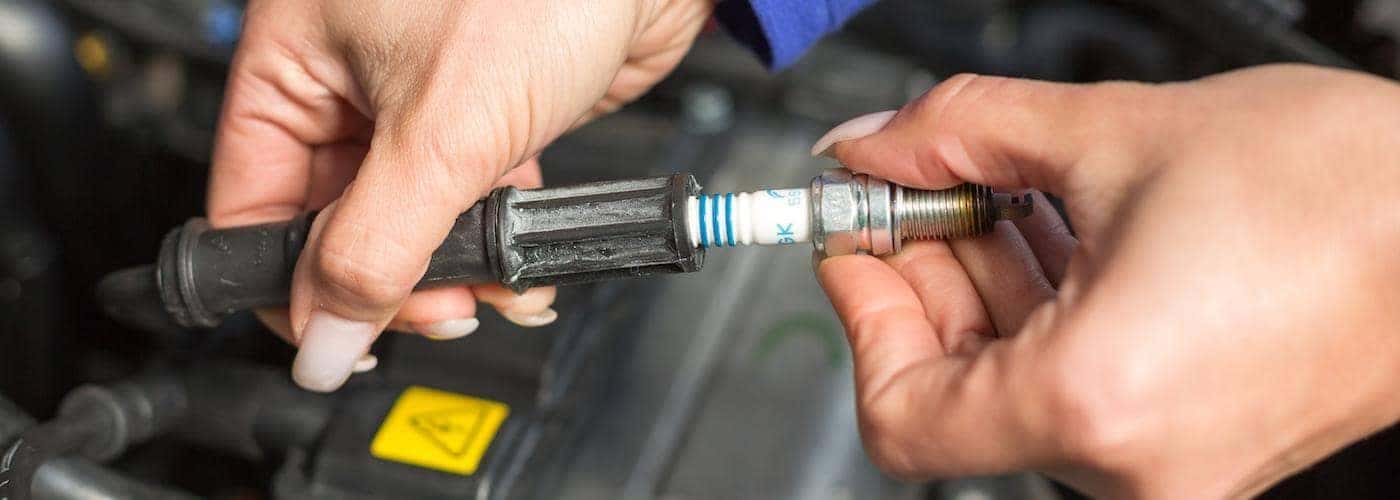
Before removing the plugs, gently twist and pull off the spark plug wires or ignition coils. Use a spark plug socket attached to a ratchet to carefully unscrew each old plug. Avoid rushing—loose plugs can damage threads in the engine.
If a plug feels stuck, try applying a little penetrating oil and wait a few minutes. This step can prevent stripping and make removal easier. How often do you find that a little patience pays off in car repairs?
Check And Adjust Gap
Once you have the old plugs, check the gap on the new ones using a spark plug gap tool. The gap affects how efficiently your engine ignites the fuel-air mixture. Your car’s manual will specify the correct measurement.
If the gap isn’t right, carefully bend the ground electrode until it matches. This small adjustment can improve engine performance and fuel efficiency. Are you surprised how such a tiny space can make a big difference?
Install New Spark Plugs
Thread the new spark plugs into the engine by hand to avoid cross-threading. Once snug, tighten them with a torque wrench to the manufacturer’s recommended specification. Over-tightening can damage the plug or engine, while under-tightening might cause poor connections.
Reconnect the spark plug wires or ignition coils exactly as they were before. Double-check your work—correct installation means better engine starts and smoother rides. Have you noticed how a well-done spark plug job can instantly refresh your car’s performance?
Time Estimates For Different Vehicles
Knowing how long it takes to replace spark plugs can help you plan your maintenance better. The time varies widely depending on the type of vehicle you drive. Let’s break down what you can expect for different categories of cars.
Sedans And Small Cars
Replacing spark plugs in sedans and small cars usually takes less time compared to larger vehicles. Most engines are designed with easy access to spark plugs, making the process quicker.
You can expect about 30 to 60 minutes for a typical sedan like a Honda Civic or Toyota Corolla. If you’re doing it yourself, it might take a bit longer if it’s your first time, but professionals often complete the job within an hour.
Suvs And Trucks
SUVs and trucks often have bigger engines and more components around the spark plugs. This extra bulk can make the job more complicated and time-consuming.
Replacing spark plugs in a vehicle like a Ford F-150 or Jeep Grand Cherokee often takes between 1 to 2 hours. The extra time is needed to remove parts that block access, such as engine covers or intake manifolds.
Performance Vehicles
Performance cars usually have complex engines that demand more care and precision. The spark plugs might be harder to reach due to tight engine bays and advanced components.
For sports cars like a Subaru WRX or a Nissan GT-R, expect the process to take 1.5 to 3 hours. Mechanics often take extra time to ensure the plugs are installed correctly to maintain peak performance.
Have you ever wondered if saving time on spark plug replacement could affect your engine’s performance? It’s worth thinking about how thorough the job needs to be for your specific vehicle.
Tips To Speed Up Replacement
Speeding up spark plug replacement doesn’t mean rushing and risking mistakes. It means setting yourself up to work smarter and more efficiently. Small changes in how you prepare and handle the task can save you valuable time and frustration.
Organizing Tools
Gather all necessary tools before you start—spark plug socket, ratchet, extension bars, gap gauge, and anti-seize lubricant. Lay them out within arm’s reach on a clean surface. You won’t waste time searching for tools mid-job, and your workflow stays steady.
Think about keeping your tools organized in a small tray or toolbox. This keeps everything from rolling away or getting mixed up. When I started doing this, I cut my replacement time by nearly half.
Working In A Clean Area
Choose a clean, well-lit workspace to avoid dirt falling into the engine. Dust and debris can cause serious engine problems if they get into the cylinders during replacement. Wiping the area around the spark plugs before removal is a simple step that pays off.
Have a rag or vacuum handy to clear away any particles immediately. This keeps your work area safe and your spark plugs free from contamination. Have you noticed how much easier tasks feel when your workspace is tidy?
Handling Difficult Plugs
Sometimes spark plugs get stuck or are hard to reach. Use penetrating oil and let it soak for a few minutes before trying to loosen the plug. This prevents damage and makes removal faster.
If a plug resists, avoid forcing it—this risks breaking it inside the engine. Instead, gently wiggle the socket and apply steady pressure. Using the right extensions and swivel sockets can help you reach tricky angles without stress.

Credit: www.reddit.com
Common Mistakes To Avoid
Replacing spark plugs might seem straightforward, but there are common mistakes that can turn this simple task into a costly problem. Avoiding these errors saves you time and protects your engine’s performance. Let’s look at the key pitfalls you should watch out for during the process.
Over-tightening
It’s tempting to tighten spark plugs as much as possible, thinking it ensures a better fit. However, over-tightening can damage the spark plug threads or even crack the cylinder head. If you don’t have a torque wrench, it’s easy to apply too much force—have you ever felt your hand slip or the plug feel stuck?
Use a torque wrench set to the manufacturer’s specifications to avoid this. If you don’t have one, tighten the plug snugly and then give it a small additional turn—usually about a quarter turn. This approach prevents damage and keeps your engine running smoothly.
Neglecting Spark Plug Gap
Many skip checking or adjusting the spark plug gap, thinking new plugs come ready to use. But the gap size is critical for proper ignition and engine efficiency. A gap that’s too wide or too narrow causes misfires, poor fuel economy, or rough idling.
Always measure the gap with a feeler gauge before installation. Adjust it carefully to match your vehicle’s specifications. Missing this step can leave you wondering why your engine isn’t running as well after a seemingly simple spark plug swap.
Skipping Safety Precautions
Working on your engine without taking safety measures puts you at risk of injury and can damage your car. Disconnecting the battery is essential to avoid accidental electrical shocks or short circuits. Have you ever accidentally started a vehicle component while working on it?
Also, make sure the engine is cool before starting. Hot engines can cause burns or make parts harder to remove. Wearing gloves and eye protection adds another layer of safety. Taking these steps protects both you and your vehicle during the replacement process.
Credit: beachautomotive.com
Frequently Asked Questions
How Long Does It Take To Replace Spark Plugs?
Replacing spark plugs typically takes 30 to 60 minutes. The exact time depends on the vehicle model and engine type. Some cars have easy access, while others require more disassembly, increasing the time needed.
Can I Replace Spark Plugs Myself At Home?
Yes, you can replace spark plugs at home with basic tools. However, ensure you follow the vehicle’s manual and safety guidelines. If unsure, consult a professional to avoid damage or incorrect installation.
How Often Should Spark Plugs Be Replaced?
Spark plugs usually need replacement every 30,000 to 100,000 miles. This interval varies based on plug type and driving conditions. Regular checks help maintain engine performance and fuel efficiency.
What Factors Affect Spark Plug Replacement Time?
Factors like engine design, spark plug location, and tool availability affect replacement time. Complex engines or hard-to-reach plugs take longer. Proper tools and experience can speed up the process.
Conclusion
Replacing spark plugs usually takes about 30 to 60 minutes. The time depends on your car model and your skill level. Doing it yourself can save money but requires care and the right tools. Regular spark plug changes keep your engine running smoothly and save fuel.
Don’t wait too long; worn plugs can cause bigger problems. Simple steps and a bit of patience make the task easy. Spark plug replacement is a small job that helps your car perform well.





