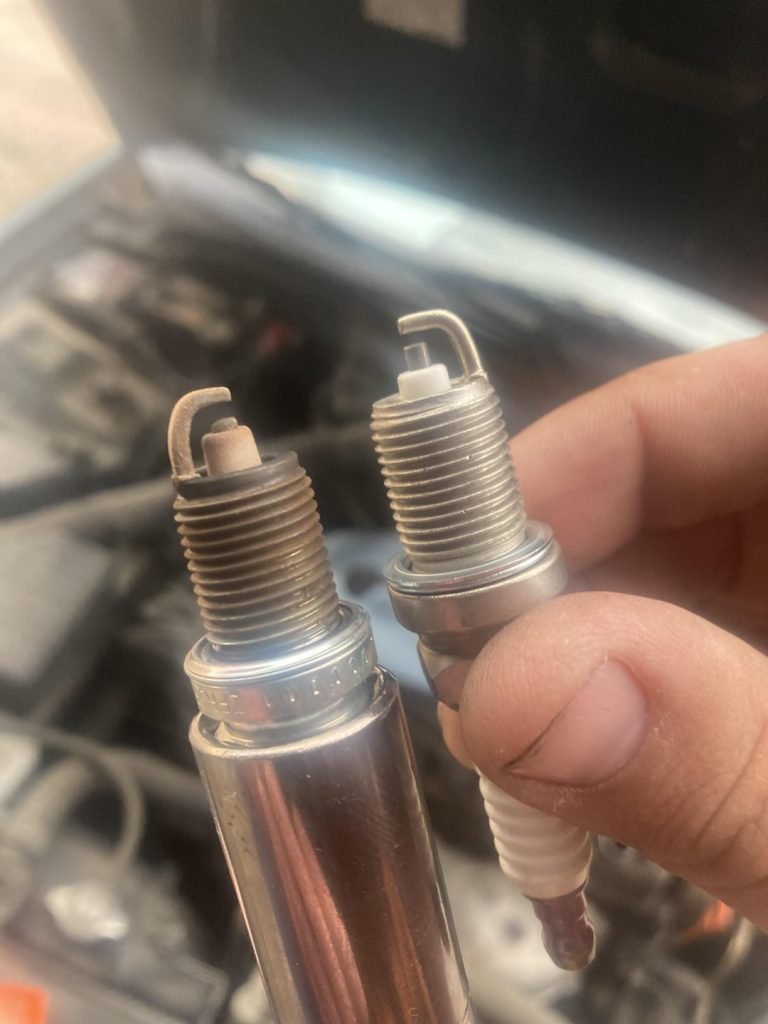
Are you wondering how long it takes to change spark plugs? You’re not alone.
Whether you’re a car enthusiast or just someone looking to save on mechanic bills, understanding this simple yet crucial car maintenance task can feel overwhelming. But don’t worry, you’re in the right place. Imagine knowing exactly how much time you’ll need to set aside and being able to plan your day without any surprises.
In this guide, we’ll break down the process in a way that’s easy to understand and follow. Stick around, because by the end of this article, you’ll not only have a clear idea of the time involved but also feel more confident in tackling this task yourself. Ready to dive in? Let’s get started!
Credit: www.chase.com
Tools Needed
Changing spark plugs requires the right tools for a smooth and safe process. Using proper tools helps avoid damage and saves time. Gather all necessary equipment before starting the job.
Essential Tools
- Spark plug socket – fits the plug size perfectly
- Ratchet wrench – provides leverage to loosen and tighten plugs
- Extension bar – reaches deep into the engine bay
- Torque wrench – ensures correct tightening without over-torquing
- Feeler gauge – measures the spark plug gap precisely
- Dielectric grease – protects the plug and connector from moisture
- Anti-seize compound – prevents spark plugs from sticking in the cylinder
Optional Accessories
- Magnetic pickup tool – retrieves dropped spark plugs or small parts
- Compressed air canister – clears debris around spark plug holes
- Work light – improves visibility in tight or dark engine areas
- Gloves – protects hands from dirt and sharp edges
- Shop rag – cleans surfaces and removes oil or dirt
Credit: www.terrylabontechevy.com
Preparation Steps
Before you start changing your spark plugs, taking the right preparation steps can save you time and prevent mistakes. Proper preparation helps you work efficiently and avoid common pitfalls that can make the job frustrating. Let’s focus on two key areas: safety precautions and locating the spark plugs.
Safety Precautions
Working on your car’s engine requires caution. Always make sure the engine is completely cool before touching any parts. Hot components can cause burns or damage the spark plugs during removal.
Disconnect the battery to prevent accidental electrical shocks or shorts. You don’t want a sudden spark while you’re handling electrical parts. Also, wear gloves to protect your hands from sharp edges and dirt.
Have a clean workspace and good lighting. This helps you keep track of small parts and reduces the risk of losing anything important. Have a fire extinguisher nearby just in case, especially if you’re working near fuel lines or flammable fluids.
Locating Spark Plugs
Knowing exactly where your spark plugs are will make the process smoother. Open your vehicle’s hood and look for the ignition coils or spark plug wires on top of the engine. These usually point directly to the spark plugs.
In some cars, spark plugs are hidden under engine covers or other components. Removing these covers carefully will give you better access. If you’re unsure, your vehicle’s manual is a great reference for exact locations.
Visualize the number of spark plugs your engine has—most engines have one per cylinder. Confirming this helps you prepare the right number of replacements. Have you checked your engine layout before? It can save you from surprises midway.
Removing Old Spark Plugs
Removing old spark plugs is a key step in changing them. This process requires care to avoid damaging engine parts. Taking your time here helps ensure a smooth spark plug replacement. Proper removal also helps you check the condition of the old plugs for any engine issues.
Disconnecting Components
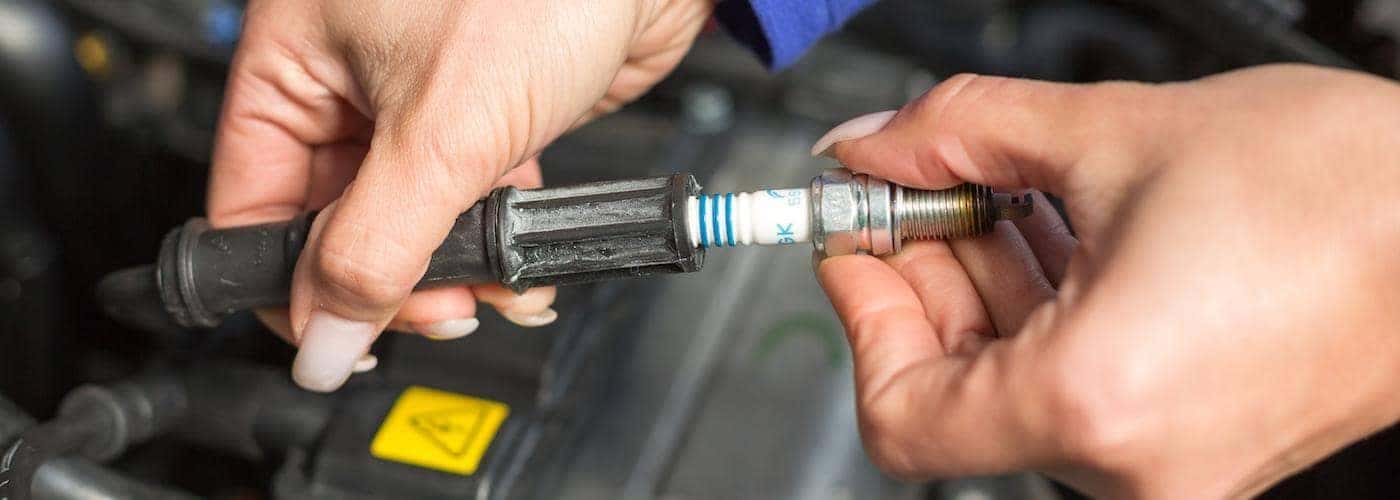
Start by turning off the engine and letting it cool. Hot engine parts can cause burns. Locate the spark plug wires or ignition coils on top of the engine. Gently pull the spark plug wire boot or remove the coil. Avoid pulling the wire itself to prevent damage. Set the wires or coils aside carefully to keep them clean.
Unscrewing Spark Plugs
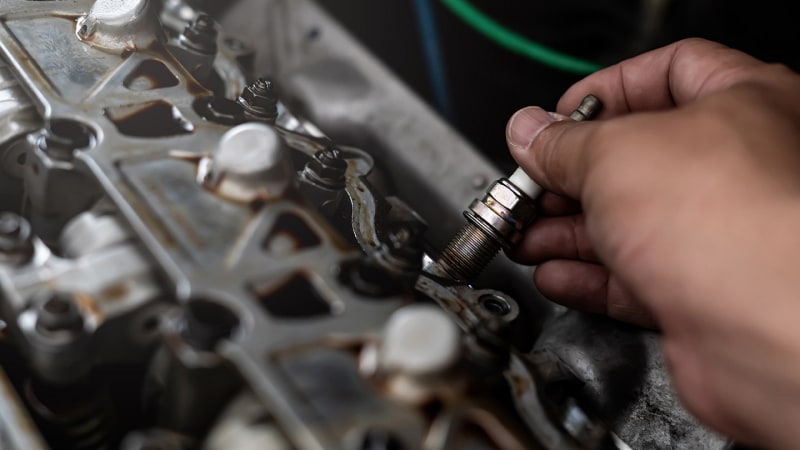
Use a spark plug socket with a ratchet or wrench. Fit it securely over the spark plug. Turn the ratchet counterclockwise to loosen the plug. It may take some force, but do not rush. Once loose, remove the spark plug by hand. Place the old plug in a safe spot for inspection or disposal.
Credit: beachautomotive.com
Installing New Spark Plugs
Installing new spark plugs is a critical part of maintaining your engine’s performance. It’s not just about swapping out old parts; it’s about ensuring everything fits and functions perfectly. Taking your time during installation can save you from misfires and poor fuel efficiency down the road.
Checking Gap Size
Before you insert a new spark plug, check the gap between the electrodes. This gap affects how well the spark ignites the fuel-air mixture in your engine.
Use a feeler gauge to measure the gap. If it’s too wide or too narrow, gently adjust it until it matches the specifications in your vehicle’s manual. Skipping this step can cause your engine to run rough or waste fuel.
Inserting And Tightening
Start by threading the spark plug in by hand. This prevents cross-threading, which can damage the cylinder head.
Once hand-tight, use a torque wrench to tighten the plug to the recommended torque setting. Over-tightening can strip the threads, while under-tightening may cause poor contact and misfires.
Have you ever felt unsure about how tight is tight enough? Using a torque wrench takes the guesswork out and ensures a secure fit every time.
Time Estimates
Changing spark plugs does not take the same time for everyone. Several factors affect the duration. These include skill level, tools, and car model. Knowing time estimates helps plan the task better. It reduces stress and sets realistic expectations.
Average Time For Beginners
Beginners often take longer to change spark plugs. It usually takes about 1 to 2 hours. Reading instructions and careful work slow the process. Beginners may need extra time to find the right tools. Removing old spark plugs can be tricky at first. Taking time prevents damage to the engine parts.
Time For Experienced Mechanics
Experienced mechanics work faster and more efficiently. They can finish the job in 30 to 60 minutes. Their knowledge helps avoid common mistakes. They use special tools to reach difficult spark plugs quickly. They also inspect other engine parts during the process. Fast work does not mean rushing; it means skill.
Common Issues
Changing spark plugs might seem straightforward, but several common issues can slow you down or cause damage. These problems often catch even experienced DIYers off guard. Knowing how to handle them can save you time and frustration during your spark plug replacement.
Dealing With Stuck Plugs
Stuck spark plugs are a common headache. Over time, heat and corrosion can cause them to seize tightly in the cylinder head. If you apply too much force without the right approach, you risk breaking the plug or damaging the threads.
To loosen stuck plugs, try spraying a penetrating oil around the base and let it sit for at least 15 minutes. Use a proper spark plug socket with a breaker bar for better leverage. If the plug still won’t budge, gently rocking it back and forth can help break the corrosion without snapping the plug.
Avoiding Cross-threading
Cross-threading happens when the spark plug is inserted at the wrong angle, damaging the threads on the cylinder head. This mistake can lead to expensive repairs and a poor seal that affects engine performance.
Always start threading the plug by hand. If it doesn’t screw in easily, back it out and try again. Using your fingers instead of a tool initially helps you feel the correct alignment, reducing the risk of cross-threading.
Have you ever experienced a spark plug that just wouldn’t go in smoothly? Taking a moment to double-check alignment can prevent hours of extra work later.
Maintenance Tips
Proper maintenance helps your engine run smoothly and saves money. Spark plugs play a key role in engine performance. Regular checks can prevent bigger problems later. Knowing when to replace spark plugs keeps your car reliable and efficient.
When To Replace Spark Plugs
Most spark plugs last about 30,000 to 100,000 miles. Check your car’s manual for exact intervals. Replace them sooner if you notice engine issues. Use new spark plugs that match your car’s specifications. Clean spark plugs may work well but replacement is best for long-term health.
Signs Of Worn Spark Plugs
- Engine misfires or runs roughly
- Difficulty starting the car
- Decreased fuel efficiency
- Engine hesitation during acceleration
- Increased exhaust emissions
Listen to your engine and watch fuel use. These signs often point to worn spark plugs. Early replacement avoids damage to other engine parts.
Frequently Asked Questions
How Long Does It Take To Change Spark Plugs?
Changing spark plugs typically takes 30 to 60 minutes. The time varies based on vehicle type and engine layout. Experienced mechanics usually complete the job faster. Proper tools and spark plug accessibility also impact the duration.
Can I Change Spark Plugs Myself At Home?
Yes, you can change spark plugs at home with basic tools. Ensure you have the correct spark plugs and a repair manual. Follow safety precautions and work in a well-lit area. If unsure, consult a professional to avoid damage.
How Often Should Spark Plugs Be Replaced?
Spark plugs should be replaced every 30,000 to 100,000 miles. The interval depends on the spark plug type and vehicle manufacturer recommendations. Regular replacement improves engine performance and fuel efficiency. Check your owner’s manual for exact guidance.
What Affects The Time To Replace Spark Plugs?
Factors affecting replacement time include engine design, spark plug accessibility, and mechanic experience. Complex engines require more time due to difficult spark plug locations. Using proper tools speeds up the process. Cleaning and inspecting parts also add to the time.
Conclusion
Changing spark plugs usually takes about 30 minutes to an hour. It depends on the car model and your experience. Having the right tools helps speed up the job. Regular spark plug changes keep your engine running smoothly. Neglecting them can cause poor fuel economy and rough idling.
Taking time to replace spark plugs saves money in the long run. Simple steps and patience make the task easier. Try it yourself or ask a mechanic for help. Your car will thank you with better performance and efficiency.





