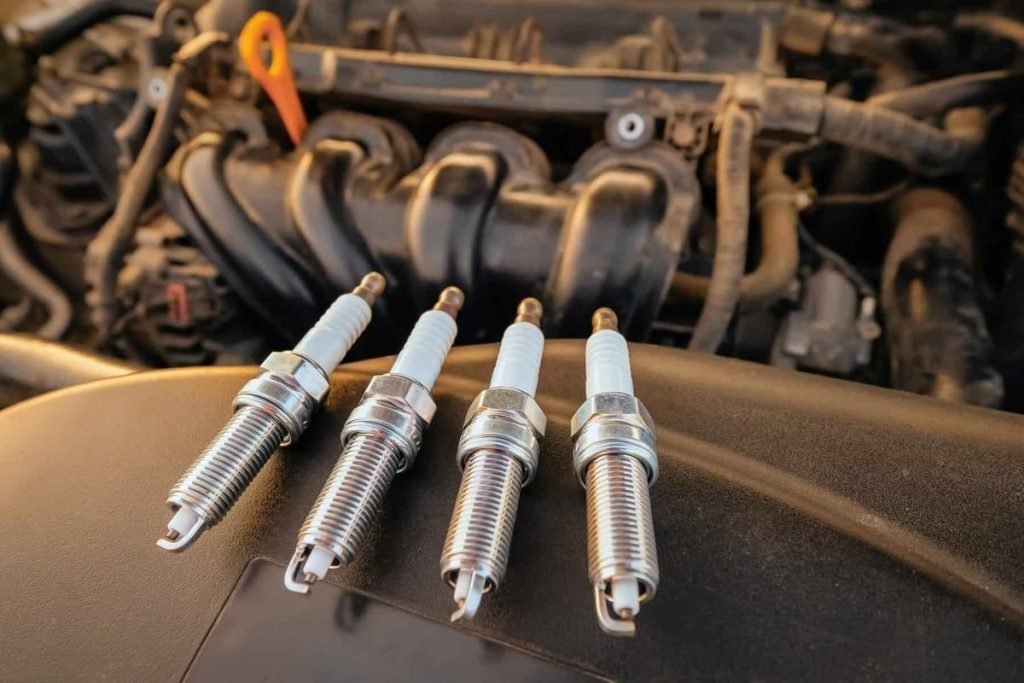
Imagine driving down the open road, your car’s engine purring smoothly, when suddenly, it starts to sputter. Ever wonder if those trusty spark plugs might be the culprit?
Understanding how long spark plugs last in a car is essential for keeping your vehicle running efficiently and avoiding unexpected breakdowns. You might be surprised to learn that the lifespan of spark plugs can vary, and knowing when to replace them can save you time, money, and hassle.
So, how do you ensure your car’s engine stays in peak condition? Keep reading, and you’ll discover the secrets to maximizing your spark plugs’ longevity and maintaining optimal engine performance.
Spark Plug Lifespan Basics
Spark plugs are small but mighty components in your car’s engine. They ignite the air-fuel mixture, powering your ride. Knowing how long they last helps you avoid unexpected breakdowns and keeps your engine running smoothly.
Understanding spark plug lifespan basics helps you make better maintenance decisions. It’s not just about mileage; many factors can change how long they serve you well. Let’s dig into what affects their durability and how different types last.
Factors Influencing Durability
Several things affect how long a spark plug lasts in your car. Driving habits are a big one—stop-and-go city driving wears plugs faster than steady highway cruising. Do you often take short trips? Cold starts can also increase wear.
Engine conditions matter too. If your engine runs too hot or too cold, spark plugs degrade quicker. Oil leaks or fuel issues cause deposits that reduce spark efficiency. Regular maintenance and inspections can catch these problems early.
Fuel quality also plays a role. Lower-grade fuel may leave more residue, shortening plug life. Using recommended fuel types helps your spark plugs last longer and keeps your engine cleaner.
Types Of Spark Plugs And Their Longevity
| Type | Material | Typical Lifespan (Miles) | Pros | Cons |
|---|---|---|---|---|
| Copper | Copper core with nickel alloy | 20,000 – 30,000 | Affordable, good conductor | Short lifespan, wears quickly |
| Platinum | Platinum tip | 60,000 – 100,000 | Longer-lasting, better performance | More expensive than copper |
| Iridium | Iridium tip | 100,000 + | Very durable, efficient spark | Highest cost |
Choosing the right spark plug type depends on your car and budget. Iridium plugs last the longest but cost more upfront. Copper plugs are cheap but need frequent changes.
What kind of driving do you do most? If your daily commute is long and steady, investing in platinum or iridium plugs might save you time and hassle. For short trips and older cars, copper plugs could be enough.
Credit: motorist.org
Signs Of Worn Spark Plugs
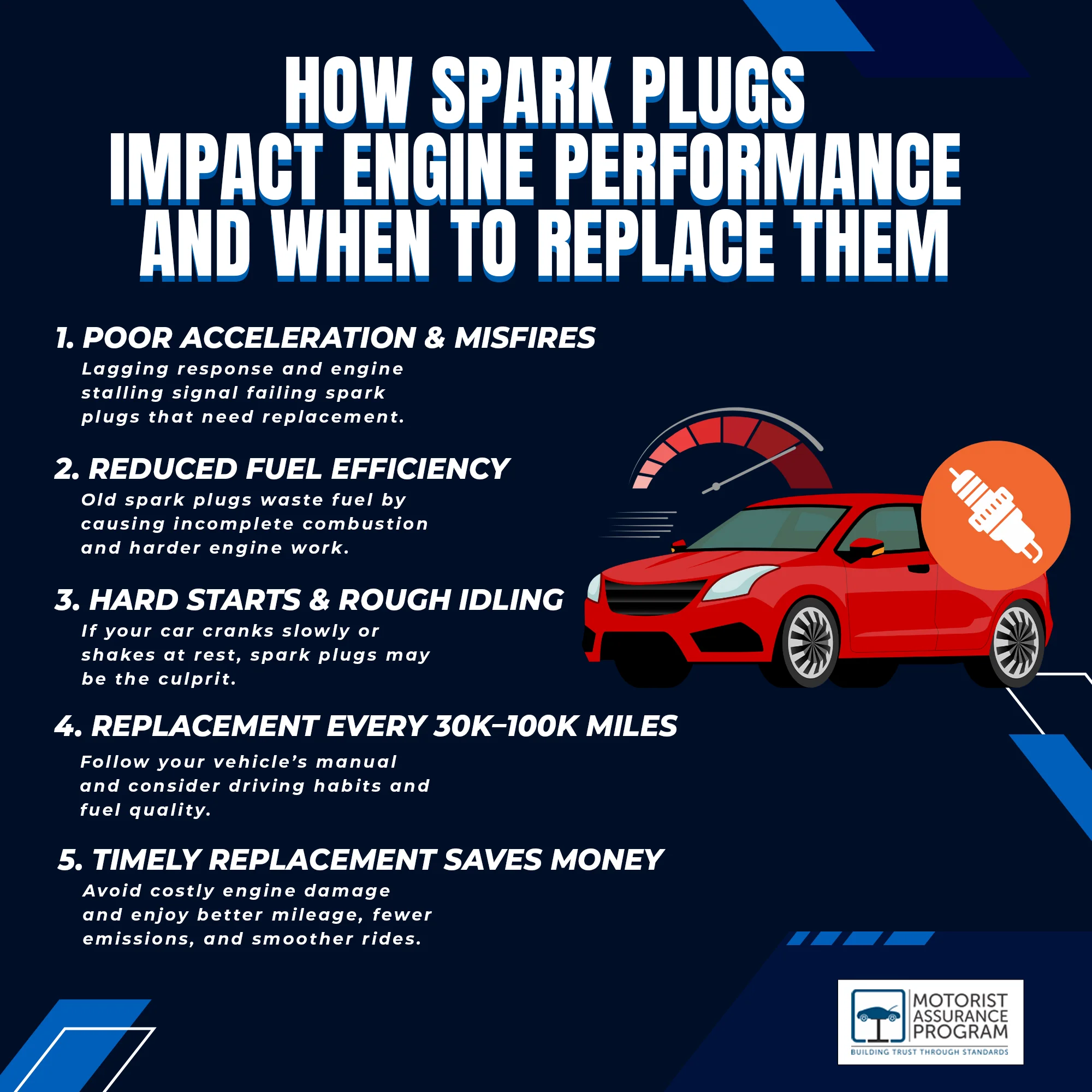
Worn spark plugs can quietly sabotage your car’s performance without obvious warning. Recognizing the signs early helps you avoid bigger engine problems and expensive repairs. Pay close attention to how your engine behaves; subtle changes often point to spark plug issues.
Engine Misfires And Rough Idling
Have you noticed your engine sputtering or hesitating during acceleration? This is often caused by spark plugs failing to ignite the fuel-air mixture properly. Rough idling, where your car shakes or vibrates when stopped, also signals worn plugs.
These symptoms happen because the spark plugs can’t create a consistent spark, disrupting smooth engine operation. Ignoring misfires can lead to damage in other parts like the catalytic converter. Think about whether your car feels less smooth than usual—this might be the spark plugs struggling.
Decreased Fuel Efficiency
Fuel efficiency drops when spark plugs wear out. If you notice you’re filling up more often, your plugs might be the culprit. Worn plugs cause incomplete combustion, meaning your engine uses more fuel to produce the same power.
Tracking your mileage can reveal this early. If your usual driving habits haven’t changed but your gas mileage has, inspect the spark plugs. Saving fuel isn’t just about driving habits; keeping spark plugs in good shape plays a big role.
Difficulty Starting The Engine
Does your car take longer to start or need multiple attempts? Worn spark plugs can make ignition harder by failing to provide a strong spark. This often feels like the engine is struggling to catch or crank slower than normal.
Starting problems are more than an annoyance—they can leave you stranded. If you’ve checked the battery and starter but still face issues, look at your spark plugs. Getting them replaced might be the simple fix your car needs to start reliably again.
Recommended Replacement Intervals
Knowing the right time to replace your spark plugs can save you from unexpected engine troubles and keep your car running smoothly. Recommended replacement intervals vary, and understanding them helps you avoid both premature changes and costly damage.
Manufacturer Guidelines
Your car’s manufacturer provides the most reliable advice on spark plug replacement. These guidelines are based on extensive testing and are tailored to your specific engine model.
Typically, manufacturers suggest replacing spark plugs anywhere between 30,000 to 100,000 miles. Check your owner’s manual or service booklet for the exact interval recommended for your vehicle.
Some modern spark plugs, like iridium or platinum types, last longer and require less frequent changes. Ignoring these guidelines can reduce fuel efficiency and cause rough idling, so stick to the schedule your manufacturer sets.
Mileage Vs. Time Considerations
Replacement isn’t just about mileage; time also plays a crucial role. Even if you haven’t driven much, spark plugs can degrade due to moisture, corrosion, or carbon buildup.
For example, if you drive less than 10,000 miles a year, consider replacing spark plugs every 2 to 3 years. This prevents performance issues caused by aging components.
Ask yourself: how often do you drive your car, and under what conditions? Frequent short trips or stop-and-go traffic can wear out spark plugs faster.
Regularly inspect your spark plugs if you’re unsure about the timeline. A quick look can reveal fouling, wear, or damage that signals the need for replacement.

Credit: www.chase.com
Impact Of Driving Conditions
The conditions you drive in play a huge role in how long your spark plugs will last. Different environments and driving habits can wear out spark plugs faster or help them last longer. Understanding these impacts can help you maintain your car better and avoid unexpected breakdowns.
City Vs. Highway Driving
City driving means frequent stops, starts, and idling. This can cause spark plugs to foul more quickly because the engine doesn’t reach its optimal temperature often.
Highway driving, on the other hand, keeps the engine running at a steady pace and temperature. This steadiness usually helps spark plugs last longer since they burn cleaner and experience less stress.
Think about your daily route—do you mostly sit in traffic or cruise on open roads? This simple fact can change how often you’ll need to replace those spark plugs.
Effect Of Extreme Temperatures
Extreme heat can cause spark plugs to wear down faster by increasing the risk of pre-ignition and overheating. This damages the electrodes and reduces their lifespan.
Cold temperatures can also be tough, making it harder for spark plugs to ignite fuel efficiently. If your engine struggles to warm up, spark plugs might foul quicker.
Have you noticed your car acting differently in winter or summer? That difference in performance can be a clue that your spark plugs are under extra strain.
How To Check Spark Plug Condition
Checking the condition of spark plugs helps keep your car running smoothly. Spark plugs affect engine performance and fuel efficiency. Regular inspection can prevent costly repairs and improve driving experience.
Visual Inspection Tips
Remove the spark plug using the correct tool. Examine the electrode and ceramic insulator for damage or wear. Look for these signs:
- Black, oily deposits indicate oil leaks or rich fuel mixture.
- White or blistered appearance suggests overheating.
- Worn or rounded electrodes mean the plug needs replacement.
- Cracks or chips on the ceramic insulator signal damage.
Clean spark plugs can have a light tan or gray color on the electrode. This means they are in good condition.
Using Diagnostic Tools
Use an OBD-II scanner to check engine codes related to spark plug problems. Misfire codes often point to faulty spark plugs. A multimeter can measure spark plug resistance. Compare readings to the manufacturer’s specifications.
Advanced tools like spark plug testers show if the plug produces a strong spark. This helps identify weak or failing plugs. Regular checks with diagnostic tools improve engine health and save money.
Choosing The Right Spark Plugs
Choosing the right spark plugs for your car can make a noticeable difference in performance and engine health. Not all spark plugs are created equal, and picking the best fit depends on several factors including the material and compatibility with your vehicle. Understanding these details helps you avoid premature wear and keeps your engine running smoothly.
Material Options: Copper, Platinum, Iridium
Each spark plug material offers unique benefits and drawbacks. Copper plugs conduct electricity well and are usually the most affordable, but they wear out faster.
Platinum plugs last longer than copper and provide better performance under high heat, making them a solid middle-ground choice.
Iridium plugs are the most durable and efficient, ideal if you want maximum longevity and consistent ignition, though they tend to cost more.
Think about your driving style and budget—do you prioritize longevity or upfront cost? Matching the material to your needs can save you time and money in the long run.
Compatibility With Vehicle Models
Not all spark plugs fit every engine. Your car’s make, model, and engine type dictate the right spark plug size, heat range, and thread length.
Consult your owner’s manual or manufacturer recommendations to avoid issues like misfires or poor fuel economy.
Using the wrong spark plug can cause damage over time, so double-check specifications before purchasing.
Have you ever installed a spark plug that didn’t quite fit? That experience can highlight why matching compatibility is crucial for your car’s health.
Diy Replacement Vs. Professional Service
Replacing spark plugs can save money and extend engine life. Deciding between doing it yourself or hiring a professional depends on your skills, tools, and comfort level. DIY replacement offers control and learning, but mistakes can cause engine problems. Professional service ensures expertise and proper handling but costs more. Understanding the steps and knowing when to seek expert help will guide your choice.
Step-by-step Replacement Guide
- Gather tools: spark plug socket, ratchet, gap gauge, and torque wrench.
- Locate the spark plugs under the engine cover or wires.
- Remove the spark plug wire or coil pack carefully.
- Use the socket and ratchet to unscrew the old spark plug.
- Check and adjust the gap on the new spark plug with a gap gauge.
- Install the new spark plug by hand to avoid cross-threading.
- Tighten the spark plug with a torque wrench to the correct specification.
- Reconnect the spark plug wire or coil pack firmly.
- Repeat for all spark plugs.
- Start the engine to check for smooth running and no misfires.
When To Seek Expert Help
- If you lack the right tools or workspace.
- When spark plugs are hard to reach or deeply seated.
- If the engine shows unusual noises or performance issues.
- When unsure about spark plug type or gap specifications.
- If the engine has advanced ignition systems or complex wiring.
- When previous attempts caused damage or did not fix the problem.
- For regular maintenance to ensure warranty compliance.
Maintaining Spark Plug Performance
Spark plugs play a vital role in your car’s engine performance. Keeping them in good condition helps your car run smoothly and efficiently. Regular care extends their life and prevents engine problems. Understanding how to maintain spark plug performance saves money and avoids breakdowns.
Regular Maintenance Practices
Check spark plugs every 30,000 miles or as your car manual suggests. Clean any dirt or deposits from the plugs carefully. Replace worn or damaged plugs promptly to keep the engine firing well. Use the correct spark plug type and gap size for your vehicle. Tighten plugs to the recommended torque to avoid damage.
Fuel Quality And Its Effects
Use good quality fuel to prevent spark plug fouling. Poor fuel causes buildup on the plug tips, reducing spark efficiency. Contaminated fuel leads to misfires and rough engine performance. Avoid fuels with high ethanol content if your car is not designed for it. Clean fuel supports longer spark plug life and better engine health.

Credit: carfromjapan.com
Frequently Asked Questions
How Often Should I Replace Car Spark Plugs?
Spark plugs typically last between 30,000 to 100,000 miles. Check your vehicle’s manual for exact intervals. Regular replacement ensures optimal engine performance and fuel efficiency. Worn plugs can cause misfires and poor acceleration. Always use manufacturer-recommended spark plugs for best results.
What Factors Affect Spark Plug Lifespan?
Driving habits, engine type, and spark plug quality affect lifespan. Frequent short trips and stop-and-go traffic wear plugs faster. High-performance engines may need more frequent changes. Using the wrong spark plug type also reduces durability. Regular inspections help catch wear early and maintain engine health.
Can Old Spark Plugs Damage My Engine?
Yes, worn spark plugs can cause engine misfires and poor fuel economy. They may lead to rough idling and difficulty starting the car. Prolonged use of bad plugs can damage catalytic converters. Replacing spark plugs on time prevents costly engine repairs and improves reliability.
How Do I Know If Spark Plugs Need Replacement?
Signs include engine misfires, reduced acceleration, poor fuel economy, and rough idling. A noticeable drop in power or difficulty starting also indicates wear. Visual inspection reveals worn electrodes and deposits. Regular maintenance checks help identify spark plug issues before they worsen.
Conclusion
Spark plugs usually last between 30,000 and 100,000 miles. This depends on the type and driving habits. Regular checks help spot wear early. Worn spark plugs can cause engine problems and poor fuel economy. Changing them on time keeps your car running smoothly.
Don’t ignore strange engine sounds or rough starts. Simple maintenance saves money and avoids bigger repairs. Keep your spark plugs in good shape for better car performance.





