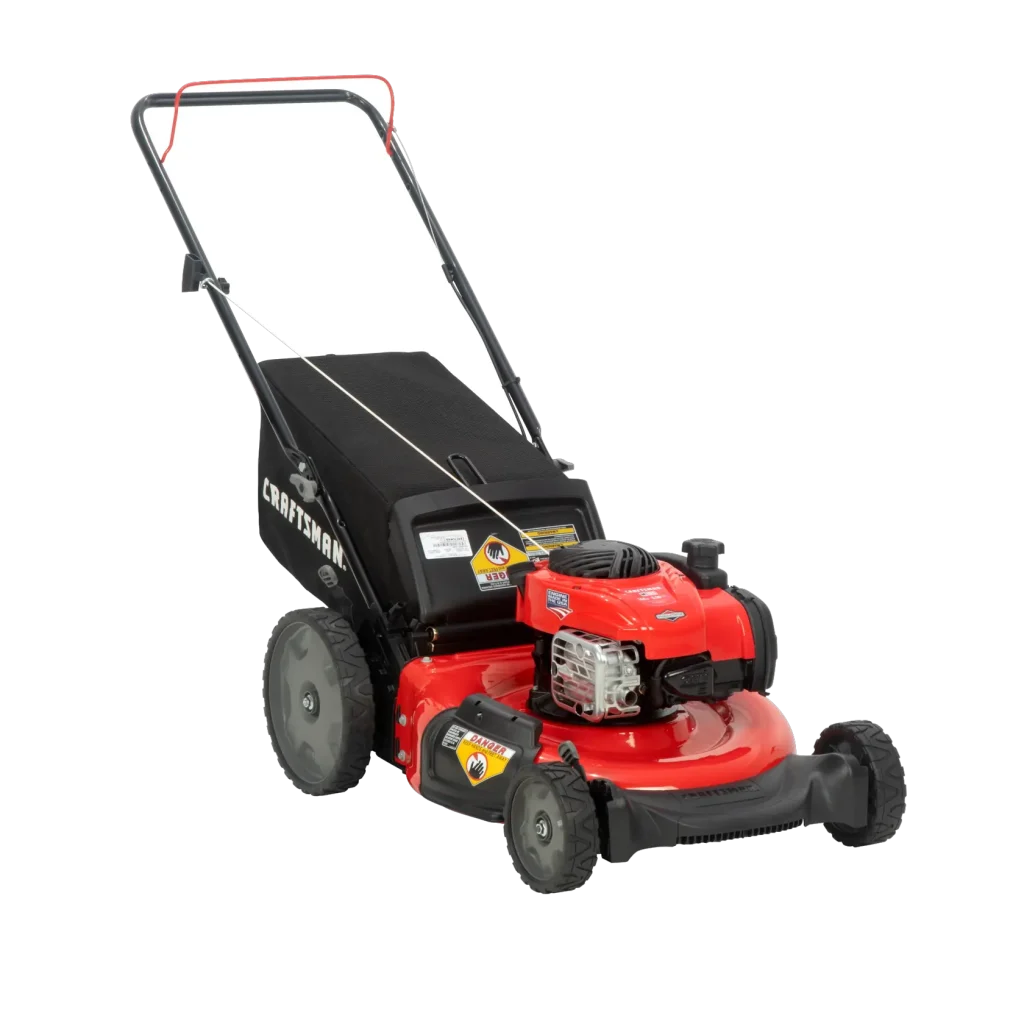
Are you tired of constantly wondering when your gas lawn mower will finally give up on you? If you’re like most homeowners, you rely heavily on your lawn mower to keep your yard looking pristine.
But how long can you really expect it to last? Knowing the lifespan of your gas lawn mower can save you both time and money. It can help you plan for maintenance, budget for a replacement, and avoid unexpected breakdowns.
You’ll discover the key factors that affect the longevity of your mower and gain insights into how to extend its life. Keep reading to ensure your mower serves you well for years to come. Your lawn, and your wallet, will thank you.
Average Lifespan Of Gas Lawn Mowers
Gas lawn mowers are a popular choice for many homeowners. They offer power and efficiency for cutting grass. Knowing how long they last helps in planning your garden care and budget. The average lifespan of a gas lawn mower depends on several factors. Understanding these can help you get the most from your mower.
Typical Years Of Use
Most gas lawn mowers last between 8 and 15 years. This range depends on use and care. Regular users may see shorter lifespans. Occasional users often enjoy longer mower life. Well-maintained machines can sometimes last beyond 15 years. Quality brands tend to have better durability. The type of mower also matters. Push mowers might last longer than riding mowers due to simpler parts.
Factors Influencing Longevity
- Maintenance:Regular oil changes and blade sharpening extend life.
- Storage:Proper storage in a dry place prevents rust and damage.
- Usage Frequency:Heavy use wears parts faster.
- Terrain:Rough or uneven ground stresses the mower more.
- Fuel Quality:Clean, fresh fuel keeps the engine running smoothly.
- Build Quality:Higher-quality materials last longer under stress.
Simple steps in care can add years to your mower’s life. Understanding these factors helps you choose and maintain your mower better.
Key Components Affecting Durability
Understanding how long your gas lawn mower lasts depends heavily on the quality of its key parts. These components take the most wear and tear during use, so their durability directly affects the mower’s lifespan. Let’s look at what really matters when it comes to keeping your mower running smoothly for years.
Engine Quality
The engine is the heart of your gas lawn mower. A high-quality engine with sturdy components and good manufacturing standards can run efficiently for over a decade with proper maintenance. Engines from reputable brands often have better seals, stronger pistons, and improved cooling systems that reduce wear.
Have you noticed how some mowers start losing power after just a few seasons? That usually points to inferior engine parts or poor upkeep. Investing in a mower with a well-built engine can save you from frequent repairs and early replacements.
Blade And Deck Materials
Blades cut the grass, but the deck holds everything together and protects vital parts. Blades made from hardened steel resist dulling and chipping longer, meaning you sharpen or replace them less often. Meanwhile, decks constructed from thick steel or heavy-duty plastic resist dents and rust better than thin or cheap materials.
If your mower’s deck starts corroding or the blades bend easily, you’ll face performance issues and safety risks. Choosing models with rust-resistant coatings or reinforced decks can extend your mower’s active life significantly.
Transmission And Wheels
How your mower moves depends on its transmission and wheels. Self-propelled mowers with robust transmissions tend to last longer because they handle stress smoothly, reducing strain on the engine. Look for transmissions with sealed gears to keep dirt and grass clippings out, preventing damage.
Wheels may seem minor, but durable wheels with strong axles and quality bearings improve maneuverability and reduce wear on the mower. Cheaper wheels can crack or seize, forcing costly replacements. Don’t overlook these parts when assessing durability.
Maintenance Tips To Extend Lifespan
Keeping your gas lawn mower in top shape directly impacts how long it lasts. Regular maintenance helps avoid costly repairs and keeps the mower running smoothly season after season. Simple habits can make a big difference in extending the life of your equipment.
Regular Cleaning
Cleaning your mower after each use prevents grass clippings and dirt from building up. A clogged deck can cause the mower to work harder, wearing out parts faster. Use a brush or hose to clear debris, but avoid soaking the engine area to prevent damage.
Have you noticed your mower losing power? It might be time to give it a thorough cleaning. Keeping the underside free from clumps of grass also improves cutting efficiency and fuel consumption.
Oil And Filter Changes
Changing the oil regularly is crucial for engine health. Old oil thickens and loses its ability to lubricate moving parts, which leads to faster engine wear. Check the owner’s manual for the recommended oil change intervals.
Don’t forget the air filter—it traps dust and debris before they reach the engine. A dirty filter restricts airflow and reduces performance. Swapping it out or cleaning it periodically will keep your mower running strong.
Blade Sharpening And Replacement
Dull blades tear grass instead of cutting it cleanly, stressing the engine and resulting in an uneven lawn. Sharpen the blades at least once a season or more if you mow frequently. Inspect the blades for cracks or bends and replace them if damaged.
Think about the last time you felt frustrated by your mower’s poor cut. Sharpening the blades can change that experience completely, making mowing easier and faster.
Proper Storage Practices
Storing your mower correctly during the off-season prevents rust and other damage. Drain the fuel or add a stabilizer to avoid gum buildup in the carburetor. Keep it in a dry, sheltered place to protect it from moisture and extreme temperatures.
Have you ever tried starting a mower after winter only to find it won’t run? Proper storage can save you from that headache. Cover the mower or place it in a shed to keep it ready for the next mowing season.

Credit: mowingmagic.com
Signs Your Gas Lawn Mower Needs Replacement
Knowing when your gas lawn mower needs replacement can save you time, money, and frustration. Instead of waiting for a complete breakdown, watch out for clear warning signs that indicate it’s time to consider a new mower. These signs often affect your mower’s reliability, efficiency, and overall cost-effectiveness.
Frequent Breakdowns
Does your mower seem to stop working just when you need it most? Frequent breakdowns, such as stalling, failure to start, or sudden engine issues, suggest your mower is struggling. These interruptions waste your time and can turn a simple lawn chore into a stressful experience.
If you find yourself fixing the same problems repeatedly, it might be a sign that the mower’s internal parts are wearing out beyond repair. Ask yourself: how much downtime can you afford before your lawn suffers?
Decreased Performance
Is your mower taking longer to cut the grass or leaving behind uneven patches? A noticeable drop in cutting power or speed is a red flag. Worn blades, engine weakness, or clogged components can reduce its effectiveness.
Pay attention to how your mower handles thick or tall grass. If it struggles or leaves clumps, your mower may no longer be up to the task. Consider whether you’re willing to compromise on lawn quality or if it’s time for an upgrade.
Costly Repairs
Have repair bills started to pile up? When maintenance costs approach or exceed the price of a new mower, replacement becomes a smarter choice. Spending hundreds on parts and labor for an old machine rarely makes financial sense.
Keep track of recurring expenses like spark plug replacements, carburetor fixes, or engine overhauls. If your mower drains your wallet more than your fuel tank, it’s a clear sign to stop patching and start shopping for a new one.
Comparing Gas Mowers With Electric Alternatives
Choosing between a gas lawn mower and an electric alternative is more than just picking a tool; it’s about matching your needs with what each type offers. Both have their strengths and limitations, especially when you look at how long they last, what it takes to keep them running, and their impact on the environment. Let’s break down these differences to help you decide which mower fits your lifestyle better.
Lifespan Differences
Gas mowers typically last between 8 to 15 years, depending on how well you maintain them. Their robust engines are designed for heavy-duty use and can handle thick grass and uneven terrain without much trouble.
Electric mowers usually have a shorter lifespan, often around 5 to 10 years. Battery life is a key factor here—after a few years, you may need to replace the battery, which can be costly and affect overall mower performance.
Ask yourself: Do you need a mower that can withstand tough conditions over many seasons, or are you okay with replacing parts more frequently for a quieter, lighter machine?
Maintenance Requirements
Gas mowers demand regular upkeep: oil changes, air filter replacements, spark plug checks, and occasional carburetor cleaning. Neglecting these can shorten their lifespan and reduce efficiency.
Electric mowers are simpler to maintain. They don’t require oil or fuel changes, and fewer moving parts mean fewer breakdowns. However, battery care is crucial—you’ll want to store it properly and avoid deep discharges to prolong its life.
Consider how much time and effort you’re willing to invest in maintenance. Would you rather spend a weekend doing tune-ups, or prefer a mower that’s almost ready to go whenever you need it?
Environmental Impact
Gas mowers emit carbon dioxide and other pollutants directly into the air, contributing to noise and air pollution. If reducing your carbon footprint matters, this is an important factor.
Electric mowers run cleaner and quieter, with zero emissions during use. But keep in mind, the environmental impact depends on how the electricity is generated and how you dispose of batteries.
Which matters more to you: immediate environmental benefits or the bigger picture of energy sources and waste? Your choice could influence your overall environmental impact significantly.

Credit: www.familyhandyman.com
Buying Tips For Long-lasting Gas Mowers
Choosing a gas lawn mower that lasts takes more than just picking the most powerful engine. You want a mower that stands the test of time, handles your yard’s challenges, and doesn’t demand constant repairs. Paying attention to certain buying tips can save you money and frustration down the road.
Brand Reputation
Brands with a strong reputation usually invest in quality materials and thorough testing. You might want to lean toward brands known for durability rather than just flashy features.
Think about brands like Honda or Toro, which many users trust for long-lasting mowers. Are you willing to pay a bit more upfront for a mower that likely won’t break down after a season?
Warranty And Support
A solid warranty shows the manufacturer’s confidence in their product. Look for mowers with at least a 2-3 year warranty covering parts and labor.
Also, check the availability of service centers near you. If something breaks, can you get quick help without sending your mower across the state? This can save you a lot of downtime and hassle.
User Reviews And Ratings
Reading real user experiences gives you a clearer picture than glossy ads. Focus on comments about longevity, maintenance issues, and customer service.
Have users reported the same problems repeatedly? Or do most say their mower still runs strong after several years? These insights can guide you toward a mower that fits your expectations for durability.

Credit: navimow.segway.com
Frequently Asked Questions
How Long Do Gas Lawn Mowers Typically Last?
Gas lawn mowers usually last between 8 to 15 years. Proper maintenance can extend their lifespan significantly. Regular oil changes, blade sharpening, and cleaning are essential for durability.
What Factors Affect A Gas Mower’s Lifespan?
Usage frequency, maintenance quality, and storage conditions greatly impact mower lifespan. Harsh weather and neglect can shorten it. Well-cared-for mowers tend to last longer and perform better.
How Often Should I Service My Gas Lawn Mower?
Service your mower at least once a year. Regular maintenance includes oil changes, air filter cleaning, and spark plug checks. This keeps the mower running efficiently and extends its life.
Can Proper Storage Extend Gas Mower Life?
Yes, storing your mower in a dry, sheltered place protects it from rust and damage. Drain fuel or use stabilizers before storage to prevent engine problems.
Conclusion
Gas lawn mowers usually last between 8 to 15 years. Regular care helps them run longer. Change the oil and clean the air filter often. Store the mower in a dry place. Avoid using old or bad fuel. Small repairs can fix many issues.
A well-maintained mower saves money in the long run. Remember, how you use it matters too. Taking simple steps can keep your mower working well. This way, you get the best value from your mower.





