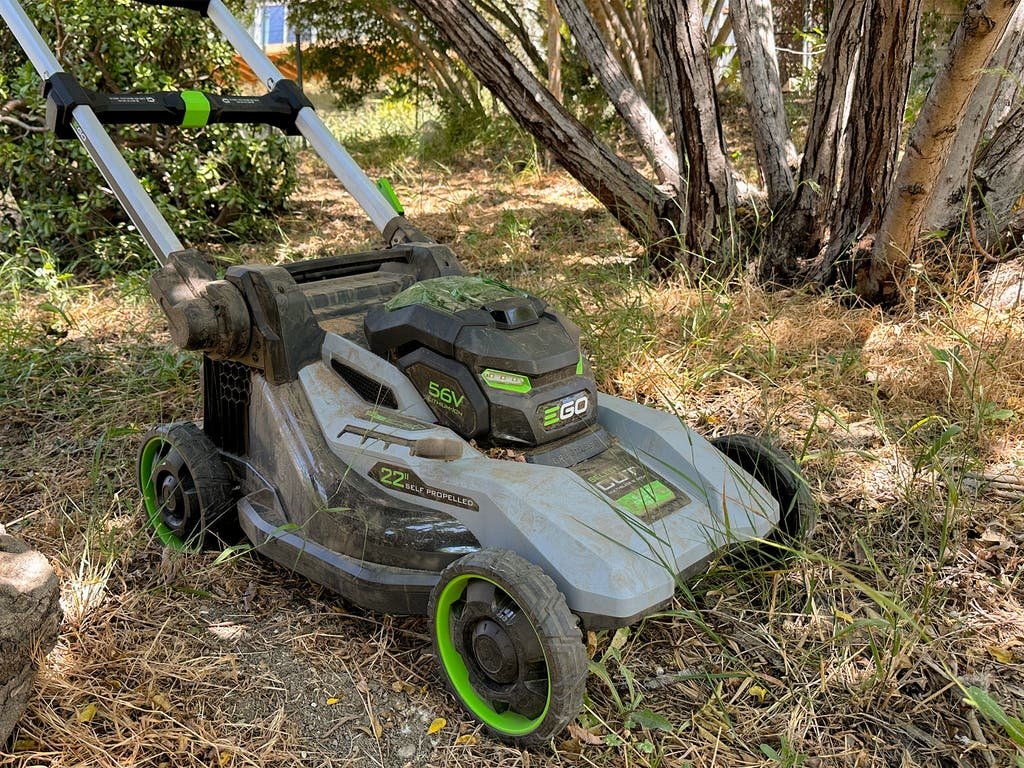
Are you tired of the noise and fumes from your old gas lawn mower? Imagine gliding effortlessly across your lawn with a machine that’s not only quieter but also kinder to the environment.
Electric lawn mowers are becoming increasingly popular, and you might be wondering if they live up to the hype. Are they really as efficient and powerful as they claim to be? You’ll discover the ins and outs of electric lawn mowers, helping you decide if they’re the right choice for your yard.
Stay tuned to find out how these modern machines can transform your lawn care routine and possibly make your neighbors green with envy.

Credit: www.cnet.com
Benefits Of Electric Lawn Mowers
Electric lawn mowers offer many benefits that make lawn care easier and cleaner. They provide a smooth mowing experience and support a healthier environment. These mowers are perfect for homeowners who want efficient and simple lawn maintenance without the hassle of gas-powered machines.
Environmental Advantages
Electric mowers produce zero emissions while running. They help reduce air pollution and protect the environment. Using electricity instead of gas lowers your carbon footprint. These mowers also prevent fuel spills, which can harm soil and water. Choosing electric supports a greener, cleaner planet.
Cost Savings
Electric lawn mowers cost less to operate than gas models. Electricity is cheaper than gasoline, saving money over time. They have fewer parts, so repairs and replacements are less frequent. No need to buy oil, spark plugs, or fuel stabilizers. The overall cost of ownership is lower with electric mowers.
Quiet Operation
Electric mowers run much quieter than gas-powered ones. They produce less noise pollution, making them neighbor-friendly. Mowing early in the morning or late at night becomes possible. Quieter operation reduces stress for both users and nearby residents. Enjoy a peaceful lawn care experience.
Low Maintenance Needs
Electric lawn mowers require less upkeep than traditional mowers. There is no need for oil changes or spark plug replacements. Fewer moving parts reduce the chance of mechanical failure. Cleaning is easier without fuel residues. Spend less time on maintenance and more on enjoying your yard.

Credit: www.cnet.com
Types Of Electric Lawn Mowers
Electric lawn mowers come in different types, each designed to fit various needs and yard sizes. Understanding these types can help you pick the right mower for your lawn care routine. Let’s look at the main categories and what makes each unique.
Corded Models
Corded electric mowers plug directly into an outlet, giving you continuous power without worrying about battery life. They are lightweight and usually quieter than gas mowers, making them ideal for small to medium lawns. However, the cord limits your movement, so you need to plan your mowing path carefully to avoid unplugging.
Cordless Battery-powered
Cordless mowers run on rechargeable batteries, offering more freedom to move around your yard. Battery technology has improved, allowing for longer mowing times and faster charging. If your lawn is bigger or has tricky corners, cordless models provide great flexibility, but you’ll want to keep an eye on battery life during use.
Robotic Mowers
Robotic mowers work independently, cutting grass automatically while you focus on other tasks. They use sensors to navigate and keep your lawn trimmed regularly without your input. These mowers are perfect if you want a hands-off approach, but they require an initial setup and work best on relatively flat, obstacle-free lawns.
Performance And Efficiency
Electric lawn mowers offer a balance of power and efficiency that suits many gardeners. They provide a clean, quiet mowing experience without sacrificing performance. Understanding how they perform helps you decide if they fit your lawn care needs. Key factors include cutting power, battery life, handling various grass types, and ease of use.
Cutting Power And Precision
Electric mowers deliver consistent cutting power for small to medium lawns. They use sharp blades that trim grass cleanly and evenly. Their precision helps maintain a neat lawn without tearing the grass. Some models have adjustable cutting heights for different grass lengths. This control allows for a tailored mowing experience.
Battery Life And Charging
Battery life varies by model but generally lasts 30 to 60 minutes. Most batteries recharge fully within one to two hours. Some mowers come with removable batteries for quick swaps. This feature extends mowing time without long breaks. Efficient battery use ensures you finish your lawn in one session.
Handling Different Grass Types
Electric mowers handle common grass types well, including fine and coarse blades. They work best on regularly maintained lawns to avoid clogging. Thick or wet grass may slow down the mower or require multiple passes. Regular mowing keeps grass manageable and mower performance steady.
Maneuverability And Weight
Electric mowers are lighter than gas-powered ones, making them easy to push and steer. Their compact design allows for tight turns around obstacles. Lightweight models reduce fatigue during longer mowing sessions. Good maneuverability helps you maintain control and mow efficiently.
Comparing Electric And Gas Mowers
Choosing between electric and gas lawn mowers depends on several key factors. Each type has strengths and weaknesses that affect user experience. Understanding differences helps in picking the right mower for your needs. The following sections break down the main aspects to consider.
Power Output
Gas mowers generally deliver higher power than electric models. They handle thick, tall grass and large lawns better. Electric mowers work well for small to medium yards with lighter grass. Battery-powered versions have improved but still lag behind gas in raw power. Corded electric mowers can run continuously but limit mobility.
Environmental Impact
Electric mowers produce zero emissions during use. They are quieter, reducing noise pollution. Gas mowers emit carbon dioxide and other pollutants. They also create more noise, which can disturb neighbors. Using electric mowers supports cleaner air and a healthier environment.
Maintenance And Longevity
Gas mowers require more maintenance. Regular oil changes, spark plug replacements, and fuel care are needed. Electric mowers have fewer parts that wear out. They need battery care and blade sharpening. Electric models often last longer due to simpler mechanics.
Cost And Convenience
Gas mowers usually cost more upfront and have ongoing fuel expenses. Electric mowers have lower running costs, mainly electricity or battery replacement. They start with a button, no pulling cords. Electric mowers are lighter and easier to maneuver. Cordless models offer good freedom but need charging time.
Top Features To Look For
Choosing the right electric lawn mower means knowing which features truly matter. The best models offer a mix of convenience, performance, and safety tailored to your lawn’s needs. Focusing on key features helps you get the most out of your mower and spend less time struggling with it.
Adjustable Cutting Heights
Adjustable cutting heights let you control how short or tall your grass stays. Different lawns and seasons require different blade heights, so this feature adds real flexibility.
Some mowers offer simple lever adjustments, while others provide multiple preset options. Think about your lawn type—do you need fine control or just a few settings? This can make a big difference in your mowing experience.
Mulching Capabilities
Mulching turns grass clippings into tiny pieces that feed your lawn as natural fertilizer. Not every electric mower has this, but it’s a feature worth seeking out.
Having a built-in mulching function saves you time cleaning up clippings and helps your lawn stay healthier. If you’ve ever dealt with clumps of grass left behind, you’ll appreciate the difference this makes.
Safety Features
Safety should never be an afterthought. Look for features like blade brakes that stop the blade quickly when you release the handle.
Other useful safety elements include child locks and insulated handles to prevent shocks. These features protect you and anyone nearby, giving you peace of mind every time you mow.
Smart Technology Integration
Some electric mowers now connect to apps or include sensors that adjust cutting based on lawn conditions. This tech can sound fancy, but it can actually save you effort and improve results.
Imagine your mower alerting you when the battery is low or adjusting speed for thick patches automatically. Are you ready to let technology make lawn care easier and more efficient?

Credit: www.cnet.com
Common Challenges And Solutions
Electric lawn mowers offer many benefits, but they come with a few challenges that you might face in your yard. Understanding these common issues and how to handle them can help you get the best performance out of your mower. Let’s look at some practical solutions that make your mowing experience smoother and more efficient.
Battery Limitations
Battery life is often the biggest concern with electric mowers. Most batteries last between 30 to 60 minutes, which might not be enough for larger lawns.
One way to deal with this is to keep a spare battery charged and ready. Swapping batteries midway can save you time and frustration.
Also, consider mowers with fast-charging features. They can reduce downtime significantly.
Performance On Thick Grass
Electric mowers sometimes struggle with thick or tall grass, leading to uneven cuts or stalling. If your yard has dense patches, this can be frustrating.
Try mowing more frequently to prevent grass from growing too long. Cutting shorter grass is easier on the mower and results in a cleaner finish.
If thick grass is unavoidable, look for models with higher power ratings or self-propelled options to ease the effort.
Cord Management
Corded electric mowers can limit your mobility and pose a tripping hazard. It’s easy to accidentally cut the cord or get tangled while mowing.
Plan your mowing route carefully to keep the cord behind you. Using a longer, outdoor-rated extension cord can also help you reach farther areas without hassle.
For those who dislike cords, cordless models eliminate this challenge but pay attention to battery life instead.
Weather Considerations
Electric mowers are sensitive to weather conditions, especially rain. Wet grass can clog the mower and reduce battery efficiency.
It’s best to mow on dry days to avoid damage and ensure a clean cut. If your lawn tends to hold moisture, try mowing later in the day when the grass has dried.
Storing your mower in a dry, sheltered area will also extend its life and keep it ready for use.
Popular Brands And Models
Electric lawn mowers have grown popular due to their ease of use and environmental benefits. Many brands offer a range of models to fit different needs and budgets. Choosing the right one depends on yard size, budget, and features.
Budget-friendly Options
Affordable electric mowers suit small to medium yards. Brands like Greenworks and Sun Joe provide reliable models with basic features. These mowers often have corded or battery-powered options. They are lightweight and easy to store. Ideal for homeowners who mow occasionally.
High-end Models
Premium models offer powerful motors and longer battery life. Brands such as EGO and Ryobi lead this segment. These mowers include advanced features like self-propulsion and adjustable cutting heights. They handle thick grass and uneven terrain well. Great for users wanting high performance and convenience.
Best For Small Yards
Compact electric mowers work well for small lawns. Models from Worx and Black+Decker are popular choices. They are easy to maneuver and store. Lightweight design reduces user fatigue. Perfect for small yards, balconies, or tight spaces.
Best For Large Lawns
For bigger yards, battery-powered mowers with long run times are essential. Brands like EGO and Greenworks offer models with extended battery life. These mowers can cover more ground on a single charge. Some include multiple batteries for continuous use. Suitable for lawns over half an acre.
Maintenance Tips For Longevity
Maintaining an electric lawn mower properly extends its life and keeps it working well. Regular care prevents many common problems. Simple habits help your mower stay sharp and efficient over time.
Focus on key areas like the battery, blades, cleaning, and basic troubleshooting. Small efforts save money and time later. Here are essential tips to keep your electric mower in top shape.
Battery Care
- Charge the battery fully before first use.
- Store the battery in a cool, dry place.
- Avoid letting the battery drain completely.
- Use the charger designed for your mower only.
- Remove the battery if not using the mower for weeks.
Blade Sharpening
- Check blades regularly for dullness or damage.
- Sharpen blades at least twice a season.
- Use a file or sharpening stone for best results.
- Wear gloves to protect your hands while sharpening.
- Balance blades properly to avoid vibration during use.
Cleaning And Storage
- Remove grass clippings after each use.
- Use a brush or cloth to clean the deck and blades.
- Never use water directly on the motor or battery.
- Store the mower in a dry, sheltered area.
- Cover the mower to prevent dust and moisture buildup.
Troubleshooting Common Issues
- Check the battery charge if the mower won’t start.
- Inspect blades for obstructions or damage.
- Look for loose or damaged wires and connections.
- Reset the safety switch if the mower stops suddenly.
- Refer to the user manual for error codes or warnings.
Frequently Asked Questions
Are Electric Lawn Mowers As Effective As Gas Mowers?
Electric lawn mowers offer comparable cutting performance for small to medium lawns. They are quieter, lighter, and easier to maintain. However, gas mowers may perform better on very tall or thick grass.
How Long Do Electric Lawn Mower Batteries Last?
Battery life varies by model, typically lasting 30 to 60 minutes per charge. Higher-end batteries support longer mowing times and faster charging. Always check battery specifications before purchase for your lawn size.
Are Electric Lawn Mowers Environmentally Friendly?
Yes, electric lawn mowers produce zero emissions during use. They reduce air and noise pollution compared to gas mowers. Using renewable electricity sources further enhances their eco-friendliness.
What Maintenance Do Electric Lawn Mowers Require?
Electric mowers need minimal maintenance. Regularly clean the blades and deck, check battery health, and charge properly. Unlike gas mowers, no oil changes or spark plug replacements are needed.
Conclusion
Electric lawn mowers offer a quiet and clean way to cut grass. They are easy to start and need less upkeep. Battery life can limit mowing time, but newer models improve this. These mowers suit small to medium yards best.
They reduce noise and pollution compared to gas mowers. Choosing the right one depends on your yard size and needs. Overall, electric mowers provide a good balance of convenience and performance. A smart choice for many homeowners seeking simple lawn care.





